Cash or Card in Turkey? UK Money & Payments Guide (2026)
Türkiye'de para kullanımı, ATM'ler ve döviz bozdurma ipuçları.
Hızlı Özet
- •Türkiye Gezi Rehberi bölgesinde gezilecek en iyi yerler
- •Yerel restoran ve kafe önerileri
- •Konaklama seçenekleri ve fiyat aralıkları
- •Ulaşım bilgileri ve ipuçları
İçindekiler
Cash or Card in Turkey? A UK Traveller’s Money & Payments Guide (Simple, No Surprises)
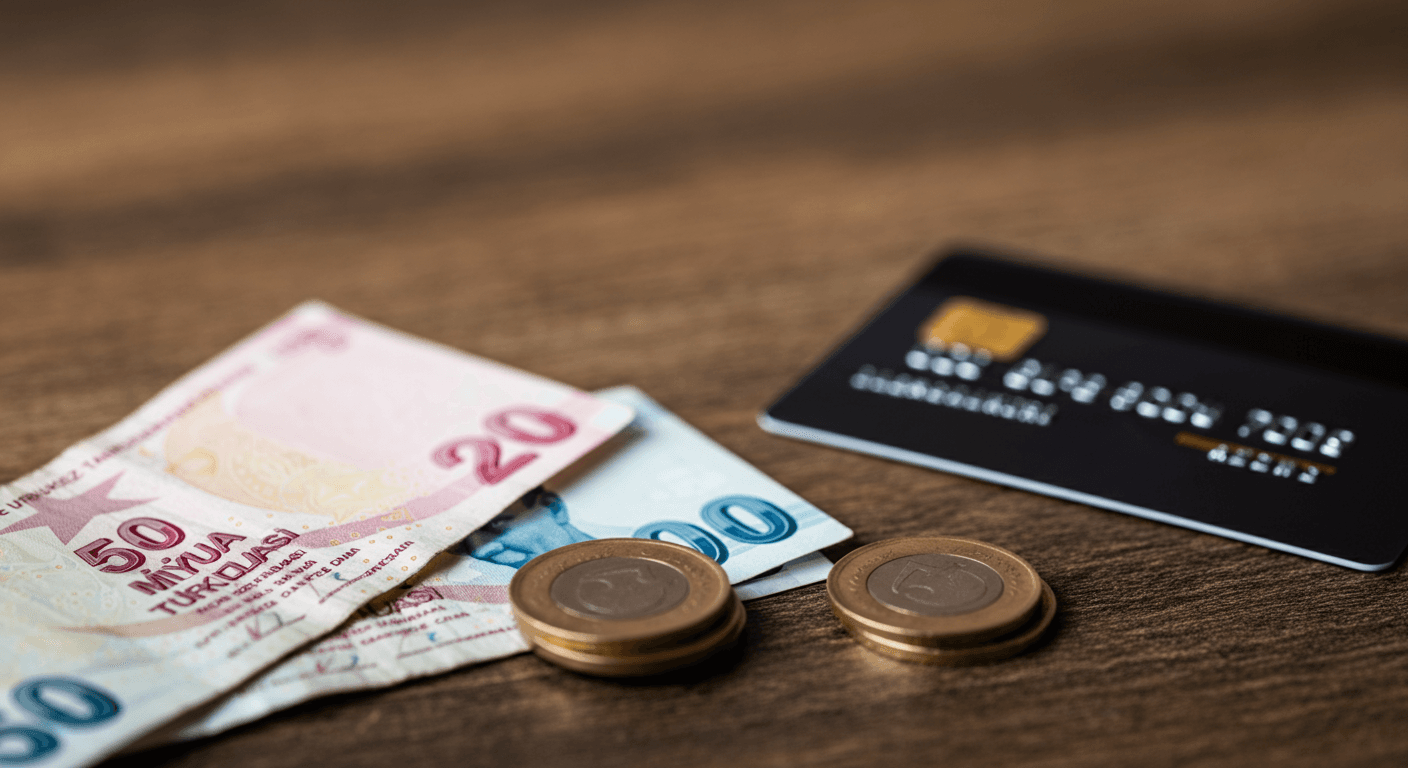
Quick answer: For most UK travellers, the easiest approach is use card for most spending and carry a small amount of cash (TRY) for taxis, tips, small shops and backup. Turkey is generally card-friendly in tourist areas, but cash still matters in day-to-day situations.
This guide helps you avoid the two big holiday money mistakes: unnecessary fees and awkward “we don’t take card” moments.
Official note (UK): The UK Foreign Office (FCDO) includes money-related safety warnings in its Turkey advice, including counterfeit banknote cautions.
1) The best “boring” strategy for UK travellers
- Use card for: restaurants, supermarkets, larger shops, hotels, transport tickets (where available), and anything you want recorded.
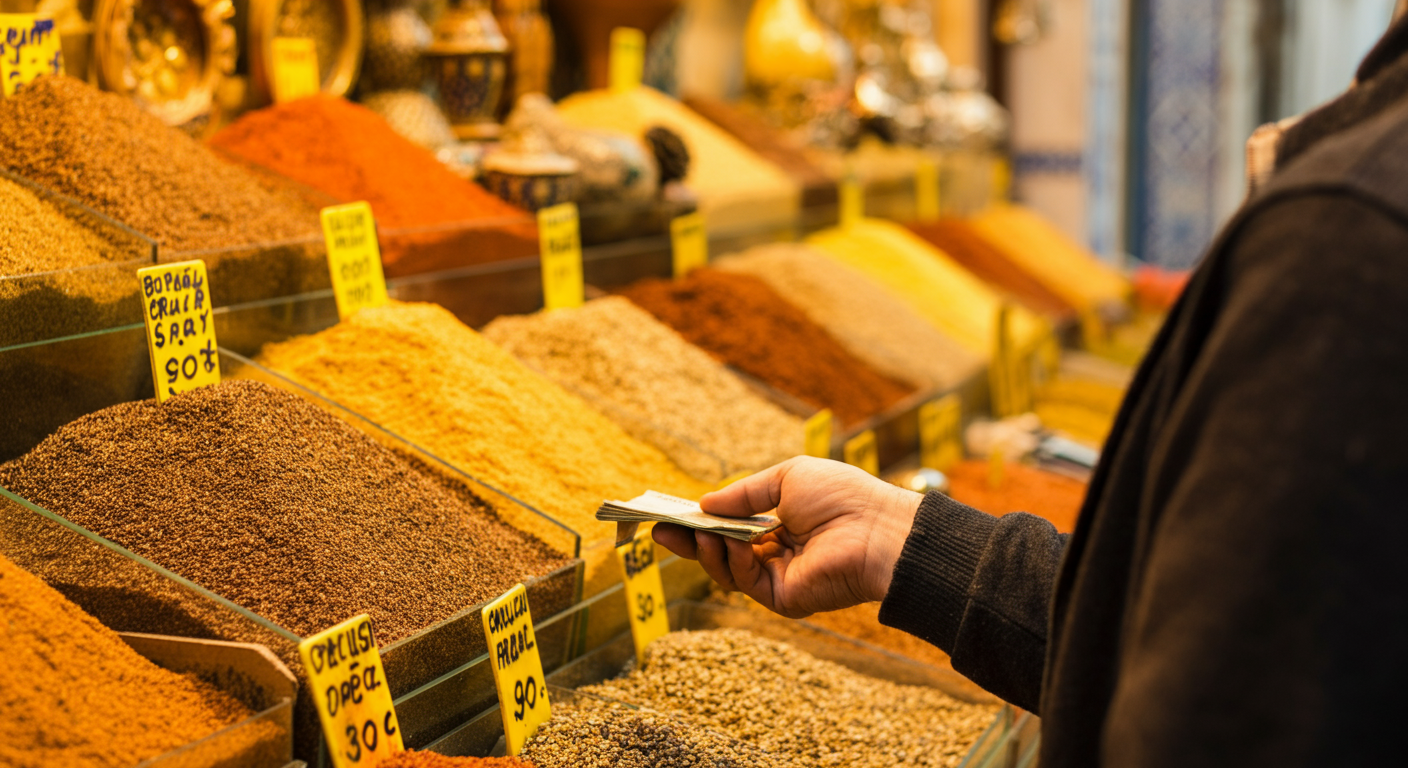
- Use cash (TRY) for: small cafés, some local markets, quick tips, and “just in case” moments.
- Withdraw cash in Turkey using ATMs rather than exchanging a big lump at the start (for most travellers, this keeps things simple).
Why this works: You minimise carrying cash, avoid panic exchanges, and still have enough local money for the places that prefer it.
2) The “Pay in pounds” trap: always choose local currency
When paying by card or withdrawing at an ATM, you may be asked whether you want to be charged in GBP or in TRY. In most cases, choosing GBP triggers a poorer exchange rate set by the machine/provider (often called dynamic currency conversion). Consumer finance advice repeatedly recommends choosing the local currency instead.
- If the screen says: “Pay in GBP?” → choose No.
- Choose: “Pay in TRY” / “Charge me in local currency”.
Simple rule: If you want a fairer conversion, pay in TRY and let your bank/card network handle the conversion.
3) ATMs in Turkey: what to do (and what to avoid)
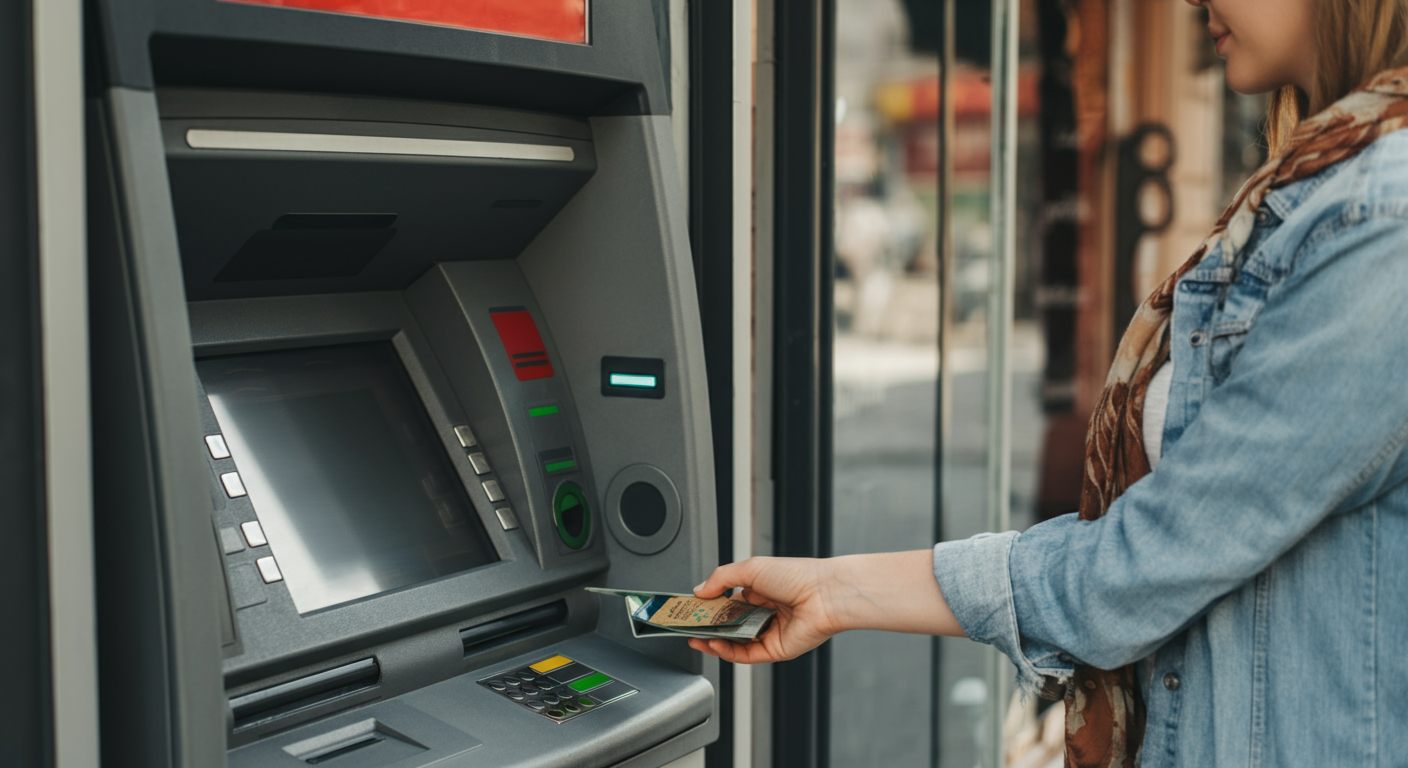
UK-issued Visa and Mastercard generally work at many Turkish ATMs, but your fees depend on your UK bank and the ATM operator.
Safer ATM habits
- Use ATMs attached to bank branches (or in well-lit, busy places).
- Avoid repeated small withdrawals if your bank charges per withdrawal — fewer, larger withdrawals can reduce total fees (check your bank).
- Decline “pay in GBP”. Choose TRY.
ATM fee reality (be prepared)
Your total cost can include:
- your UK bank’s foreign transaction fee (if any),
- your UK bank’s cash withdrawal fee (if any),
- the Turkish ATM operator fee (sometimes shown on-screen),
- and the exchange rate used.
Action you can take before you fly: check your bank card’s “spending abroad” and “cash withdrawal” terms and set a travel notice if your bank uses them.
4) Should you bring GBP and exchange it, or just use ATMs?
For most UK travellers, you don’t need to arrive with a big stack of cash. A more stress-free approach is:
- arrive with a small emergency amount (optional),
- withdraw TRY from an ATM when you need it,
- use card for most daily spending.
If you do exchange money, use reputable exchange offices and avoid making rushed decisions when tired or arriving late.
5) Counterfeit banknotes warning (important, simple takeaway)
The FCDO specifically warns that banks and money exchanges in Turkey may not accept $50 or $100 US dollar bills due to reports of counterfeit notes, advising travellers not to accept these denominations where possible.
Practical takeaway for UK travellers: If you’re carrying “backup” cash, don’t rely on random high-denomination US bills. Keep things straightforward: use TRY for day-to-day and cards for most spending.
6) Card payments: how to keep it safe (without paranoia)
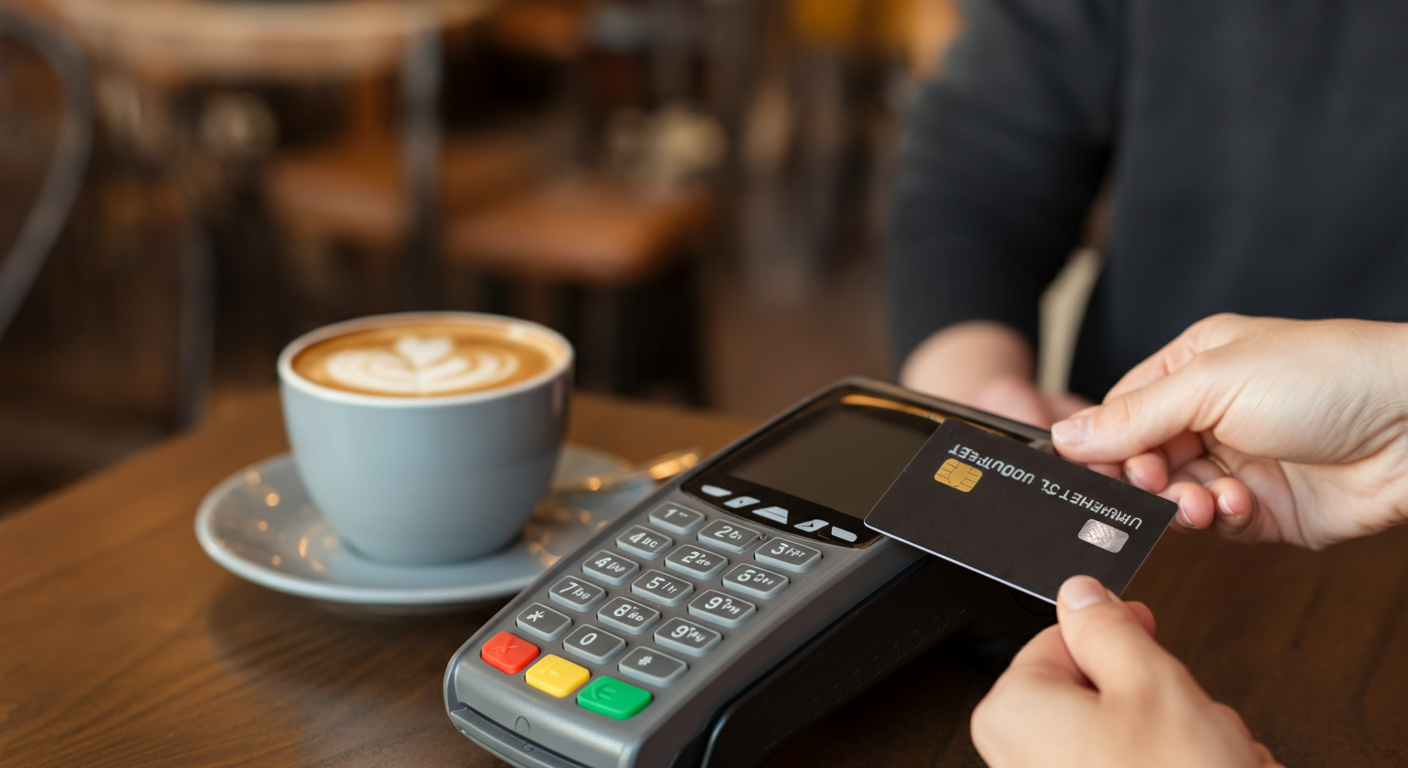
- Tap-to-pay is fine, but keep your card in sight when paying.
- Use your banking app to monitor transactions and freeze your card instantly if needed (most UK banks support this).
- Keep one backup card in your accommodation, separate from your main wallet.
General travel finance advice for UK travellers also emphasises fee awareness and fraud protection features (like card freezing) as simple ways to reduce risk.
7) How much cash should you carry day-to-day?
There’s no single right amount. The best method is to carry enough for a normal day plus a small buffer, and keep the rest secure. If you’re doing tours, remote beaches or small-town stops, carry a bit more.
- City days (Istanbul): smaller cash buffer is usually fine.
- Coastal/excursion days: carry a bit more for small vendors, tips and unexpected transport needs.
8) Copy/paste checklist (UK travellers)
- Bring: 2 cards (main + backup), and a small cash buffer.
- Before you go: check your bank’s foreign spending and ATM fees.
- In Turkey: withdraw TRY from reputable ATMs when needed.
- Always: choose to pay in TRY, not GBP.
- Avoid: relying on $50/$100 USD notes as “backup”.
- Safety: keep cards/cash split; monitor your app; freeze if needed.
FAQs
Should I take cash to Turkey from the UK?
You don’t need to take a large amount. A common low-stress approach is to use card for most spending and withdraw TRY from ATMs as needed, keeping a small cash buffer for places that prefer cash.
When paying by card, should I choose GBP or TRY?
In most cases, choose TRY (local currency). Choosing GBP can trigger a poorer exchange rate through dynamic currency conversion.
Do UK debit cards work in Turkey?
Many UK-issued Visa and Mastercard cards are generally accepted at ATMs and card terminals, but fees depend on your UK bank and the ATM operator.
Is there anything I should avoid with cash?
The FCDO warns about counterfeit issues with certain high-denomination USD bills in Turkey. Keep your plan simple: rely on cards + TRY cash rather than random high-denomination foreign notes.

Melis Yıldız
Editör"Modern konfor ve estetik detaylara önem veren Melis, lüks oteller ve tasarım butik konaklamalar üzerine uzmanlaşmıştır."
Türkiye Gezi Rehberi Hakkında Rehberler

Bodrum vs Antalya: Which Is Better for UK Travellers?
Bodrum or Antalya for your Turkey holiday? Compare vibe, beaches, day trips, nightlife, culture, airports and who each suits—UK-friendly, no hotel names.

Fethiye vs Bodrum vs Marmaris: Where Should UK Travellers Go?
Fethiye, Bodrum ve Marmaris karşılaştırması. Tatil tarzınıza göre en iyi seçimi yapın. Plajlar, gece hayatı ve gezilecek yerler.
Turkey Entry Requirements for UK Citizens (Passport, Visa, Rules) — 2026 Guide
UK vatandaşları için Türkiye pasaport ve vize kuralları.
What to Pack for Turkey: UK Holiday Packing List (2026)
Şehir turu ve plaj tatili için eksiksiz Türkiye bavul hazırlama rehberi.

Turkey Itinerary (7 Days): The Best First-Time Plan for UK Travellers (Istanbul + Coast)
Türkiye'ye ilk kez gelecekler için 7 günlük ideal İstanbul ve sahil rotası.
Cash or Card in Turkey? UK Money & Payments Guide (2026)
Türkiye'de para kullanımı, ATM'ler ve döviz bozdurma ipuçları.

Best Time to Visit Turkey: Month-by-Month (UK Guide)
Türkiye tatiliniz için en iyi zamanı planlayın. Hava durumu, kalabalıklar ve sezon rehberi.
Bu rehber işinize yaradı mı?
Türkiye Gezi Rehberi bölgesindeki daha fazla gizli cenneti keşfetmek için diğer rehberlerimize göz atın.
Tüm Rehberleri Keşfet