Solo Travel in Turkey from the UK: Comfort-First Planning Checklist
Practical comfort-first checklist for solo travellers from the UK to Turkey. Visas, safety, transport, areas to stay, packing, costs, and insider tips.
Hızlı Özet
- • best places to visit
- •Local restaurant and cafe recommendations
- •Accommodation options and price ranges
- •Transportation info and tips
Table of Contents
Solo Travel in Turkey from the UK: Comfort-First Planning Checklist
- UK citizens typically do not need a visa for short tourism trips, but always check the latest rules on official government websites before you book.
- For a first solo trip, areas like Sultanahmet / Karaköy (Istanbul), Lara Beach / Kaleiçi (Antalya), Gümbet / Bodrum Centre and Çarşı / Marina area (Fethiye) are popular comfort-focused bases.
- Use Istanbulkart for Istanbul public transport and local dolmuş routes such as the Antalya LC07 (Otogar–Lara) or Bodrum minibuses from Atatürk Caddesi for low-cost, reliable travel.
- Build a simple safety routine: share your live location, avoid very quiet backstreets off Istiklal Caddesi late at night, and use licensed taxis or reputable ride‑hailing apps.
- Daily budgets typically range from £35–£80 depending on region and comfort level; coastal areas like Bodrum and Çeşme often cost more than Ankara or Konya.
- Pack for modesty and weather swings: a light scarf, layers for cool evenings in Cappadocia, and comfortable walking shoes for cobbles around Galata and Kaleiçi.
- For comfort, book arrival transfers at Istanbul Airport (IST) or Antalya Airport (AYT), or use airport buses like Havaist HVIST-16 (IST–Taksim).
If you are travelling solo from the UK to Turkey and want comfort first, focus on a clear checklist: entry rules, sensible bases, straightforward transport, and a realistic daily budget. By choosing central, well-connected areas like Karaköy in Istanbul or Lara Beach in Antalya, using simple public transport tools such as the Istanbulkart, and following a few routine safety habits, you can make a solo trip that feels both independent and reassuringly organised.
Why Turkey Works Well for UK Solo Travellers
Turkey typically suits UK solo travellers who want a blend of culture, coast and easy logistics. English is spoken in many tourist areas, contactless cards are widely accepted, and there are frequent direct flights from London, Manchester, Birmingham and other UK airports to Istanbul, Antalya, Dalaman, Bodrum-Milas and Izmir.
- Varied bases: Historic centres like Sultanahmet, chilled marinas such as Fethiye Çarşı, and lively beach strips like Gümbet Bar Street off Adnan Menderes Caddesi.
- Reliable intercity links: Long‑distance coaches from hubs such as Istanbul Esenler Otogar and Izmir Otogar plus domestic flights between Istanbul and cities like Antalya, Kayseri (for Cappadocia) and Gaziantep.
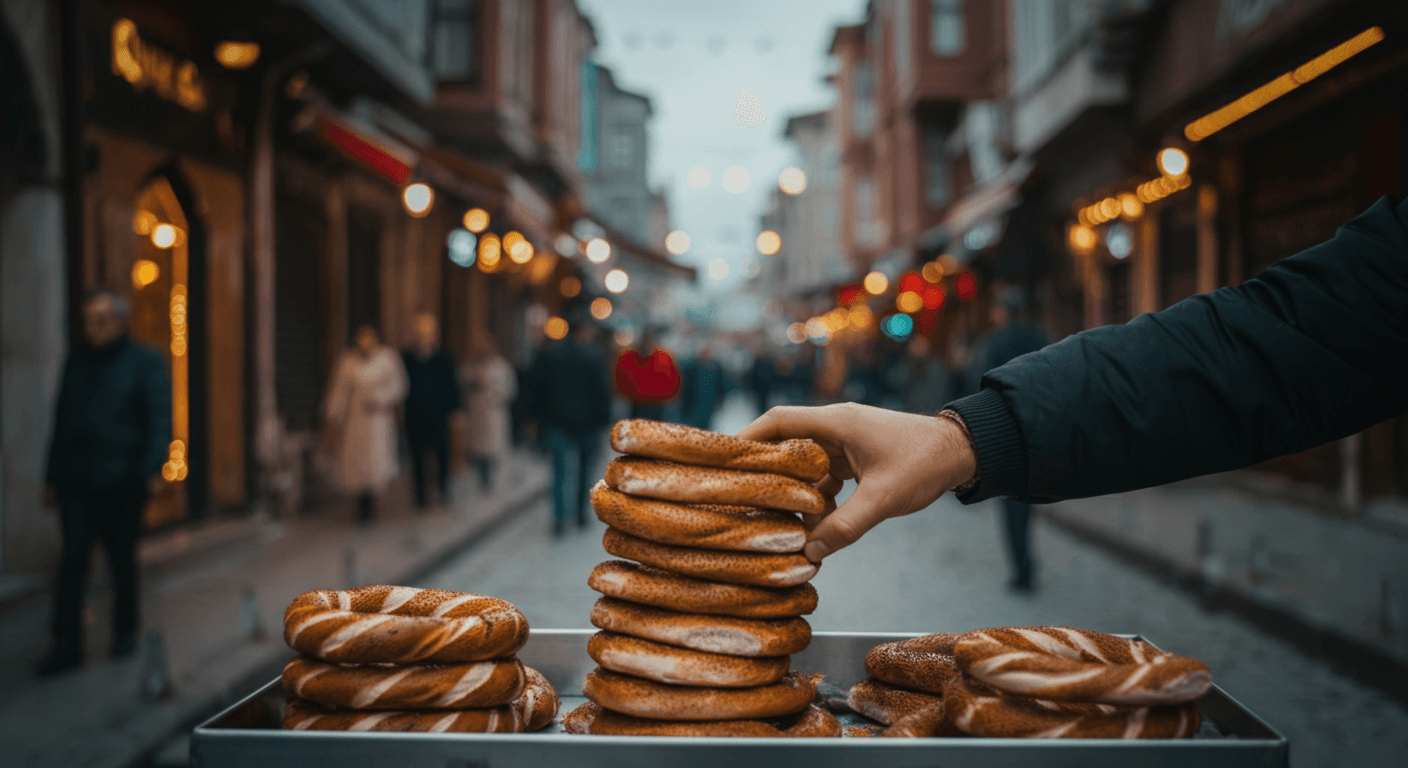
- Comfortable food culture: Many travellers enjoy familiar dishes alongside local favourites such as simit (sesame bread rings) in Istanbul’s Kadıköy and fresh pide in coastal towns like Marmaris.
Simple rule: pick 1–3 well-connected bases instead of racing around the whole country. This reduces travel fatigue and keeps your solo trip calmer.
Step 1 – Entry Requirements & Documents for UK Travellers
Passport, Visa & Stay Length
Rules can change, so always confirm on official UK and Turkish government pages before you travel.
- Passport validity: Ensure your UK passport typically has at least 6 months’ validity from your date of entry and at least one blank page.
- Visa policy: UK nationals travelling as tourists for short stays have in recent years often been able to enter Turkey without an e‑visa. However, check official sources shortly before your trip for the latest position.
- Length of stay: Many travellers plan itineraries of 7–14 days for a first solo visit, focusing on 1–2 regions.
Travel Insurance & Health
- Travel insurance: Choose a policy that explicitly covers Turkey, medical care, cancellations, and personal belongings. If you plan ballooning in Göreme or hiking in the Lycian Way above Ölüdeniz, ensure these activities are covered.
- Health prep: No widely enforced vaccines for most UK tourists, but it is sensible to be up to date with routine jabs; check NHS travel health advice.
- Prescriptions: Carry medicines in original packaging with a copy of your prescription. Big cities like Istanbul (Beyoğlu, Şişli) and Ankara (Kızılay) have many pharmacies labelled Eczane.
Step 2 – Choosing Comfort-First Bases in Turkey
Where you stay has a major impact on how safe and comfortable a solo trip feels. Focus on central areas with easy transport, good lighting, and busy streets into the evening.
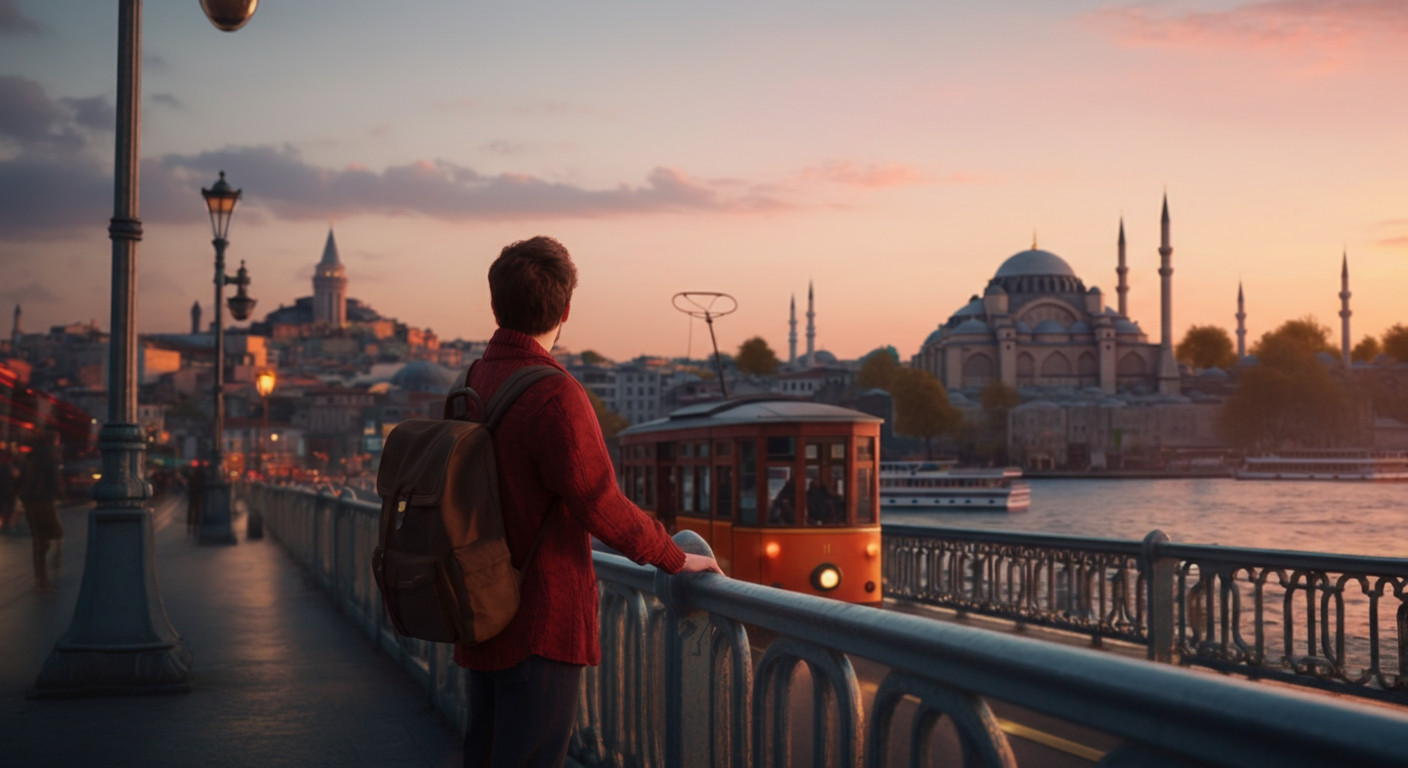
Istanbul: Best Areas for First-Time Solo Travellers
- Sultanahmet & Sirkeci
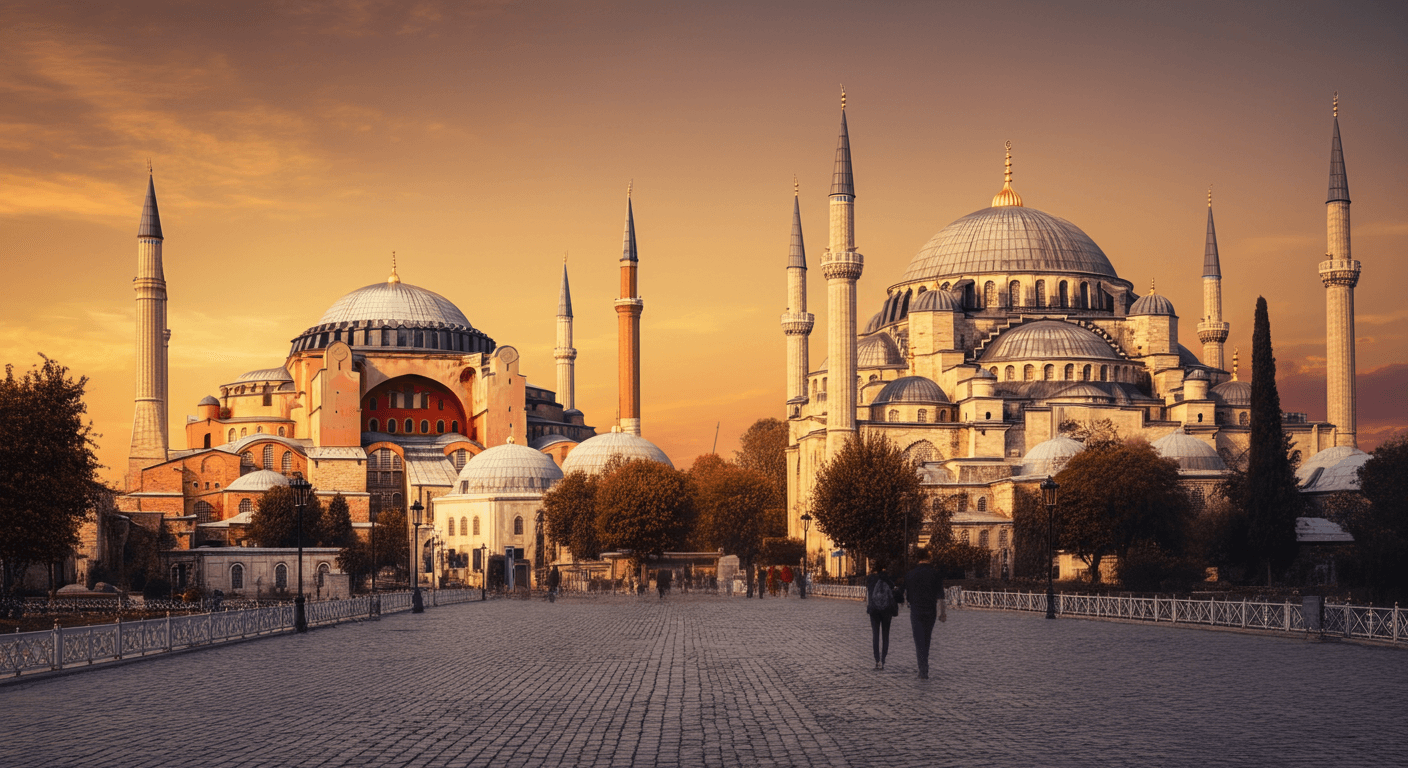
- Close to the Blue Mosque, Hagia Sophia and Topkapı Palace.
- Tram line T1 runs along Divan Yolu Caddesi and Kabataş–Bağcılar, linking you to Eminönü ferries and Karaköy.
- Streets like Alemdar Caddesi and Hocapaşa Sokak are usually busy with tourists and restaurants.
- Karaköy & Galata
- Trendy cafés, street art off Kemeraltı Caddesi, and views from around Galata Kulesi.
- Easy to walk to İstiklal Caddesi via Şişhane metro or the historic Tünel funicular.
- Good base if you like evening atmosphere but prefer to avoid the most hectic parts of Taksim.
- Taksim & Cihangir
- Taksim Meydanı sits at the top of İstiklal Caddesi, with metro line M2 (for Şişli, Levent) and the nostalgic tram.
- Cihangir, around Sıraselviler Caddesi, often feels more relaxed but still central.
- Suitable if you enjoy nightlife but still want café culture and a neighbourhood feel.
Antalya: Coastal Comfort for Solo Travellers
- Kaleiçi (Old Town)
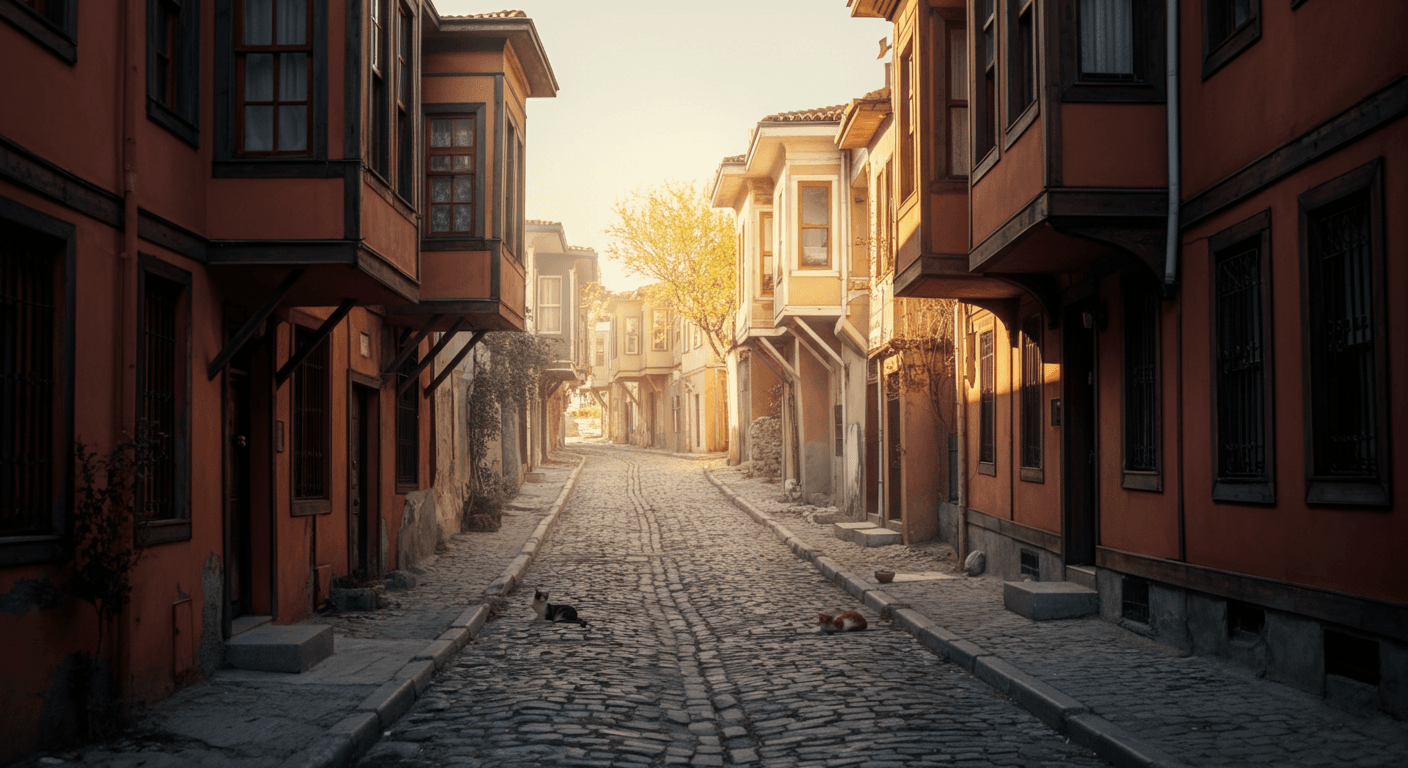
- Cobbled lanes off Hesapçı Sokak, Ottoman houses, and easy access to Mermerli Beach.
- Short walk to Karaalioğlu Parkı and sea views along Lara Caddesi.
- Lara Beach
- Modern seafront area stretching along Lara Caddesi towards Kundu.
- Dolmuş routes like LC07 link Lara with the Antalya Otogar and city centre.
- Good if you prefer a beach‑first base with simple access to cafés and supermarkets.
- Konyaaltı
- Long pebble beach west of the centre, backed by Atatürk Bulvarı and Arapsuyu Mahallesi.
- Regular buses run along the coast road to the central Meydan.
Bodrum Peninsula & Aegean Towns
- Bodrum Centre & Marina
- Stay near Çarşı Mahallesi, around Neyzen Tevfik Caddesi and Atatürk Caddesi.
- Bodrum’s main minibus station on Cevat Şakir Caddesi has dolmuşes to Gümbet, Bitez, Yalıkavak and Turgutreis.
- Gümbet
- Livelier beach strip a short dolmuş ride from Bodrum centre via Adnan Menderes Caddesi.
- Suitable if you want nightlife but still want to pop into Bodrum Marina for quieter evenings.
- Fethiye Çarşı & Marina
- Compact centre around Atatürk Caddesi and the harbour promenade.
- Dolmuşes from the Fethiye Otogar go to Çalış Beach, Ölüdeniz and Hisarönü.
Other comfortable bases many solo travellers consider include the seafront promenade area Kordonboyu in Izmir (Alsancak) and the quieter lagoon‑side streets around Belcekız Caddesi in Ölüdeniz.
Step 3 – Flights, Arrival & First-Night Logistics
Booking Flights from the UK
- Direct flights from airports such as London Heathrow, London Gatwick, Manchester, Birmingham to Istanbul (IST, SAW), Antalya (AYT), Dalaman (DLM), Bodrum-Milas (BJV) and Izmir-Adnan Menderes (ADB) run seasonally and year‑round depending on route.
- Comfort-first tip: Aim to land in daylight, especially for your first solo visit. Arriving into Istanbul around midday makes it easier to navigate to areas like Karaköy or Sultanahmet.
Getting from Airport to Your Base
Istanbul Airport (IST)
- Havaist airport buses have specific lines:
- HVIST-16: IST to Taksim (for Taksim, Cihangir, parts of İstiklal Caddesi).
- HVIST-12: IST to Kadıköy (for Asian side bases).
- Pay with contactless or Istanbulkart; plan around 60–90 minutes into central areas depending on traffic.
- For extra comfort, many travellers pre‑book a shared or private transfer to meet them at arrivals.
Sabiha Gökçen Airport (SAW)
- Havabüs coaches connect SAW with Kadıköy and Taksim.
- SAW is on the Asian side; factor longer travel times to European‑side bases like Sultanahmet or Galata.
Antalya Airport (AYT)
- Public bus 800 and other city buses run between the airport and Kaleiçi / city centre.
- Dolmuş routes and taxis also go toward Lara Caddesi (Lara Beach) and Konyaaltı.
- For late arrivals, many solo travellers prefer pre‑arranged transfers directly to areas like Kaleiçi or Lara.
Dalaman & Bodrum-Milas Airports
- From Dalaman, look for shuttle services or coaches to Fethiye (dropping near Fethiye Otogar) and Marmaris.
- From Bodrum-Milas, airport buses and minibuses serve Bodrum Otogar, from where you can take dolmuşes along Cevat Şakir Caddesi to surrounding resorts.
Step 4 – Moving Around: Trains, Buses, Dolmuş & Taxis
City Transport: Istanbulkart & Metro
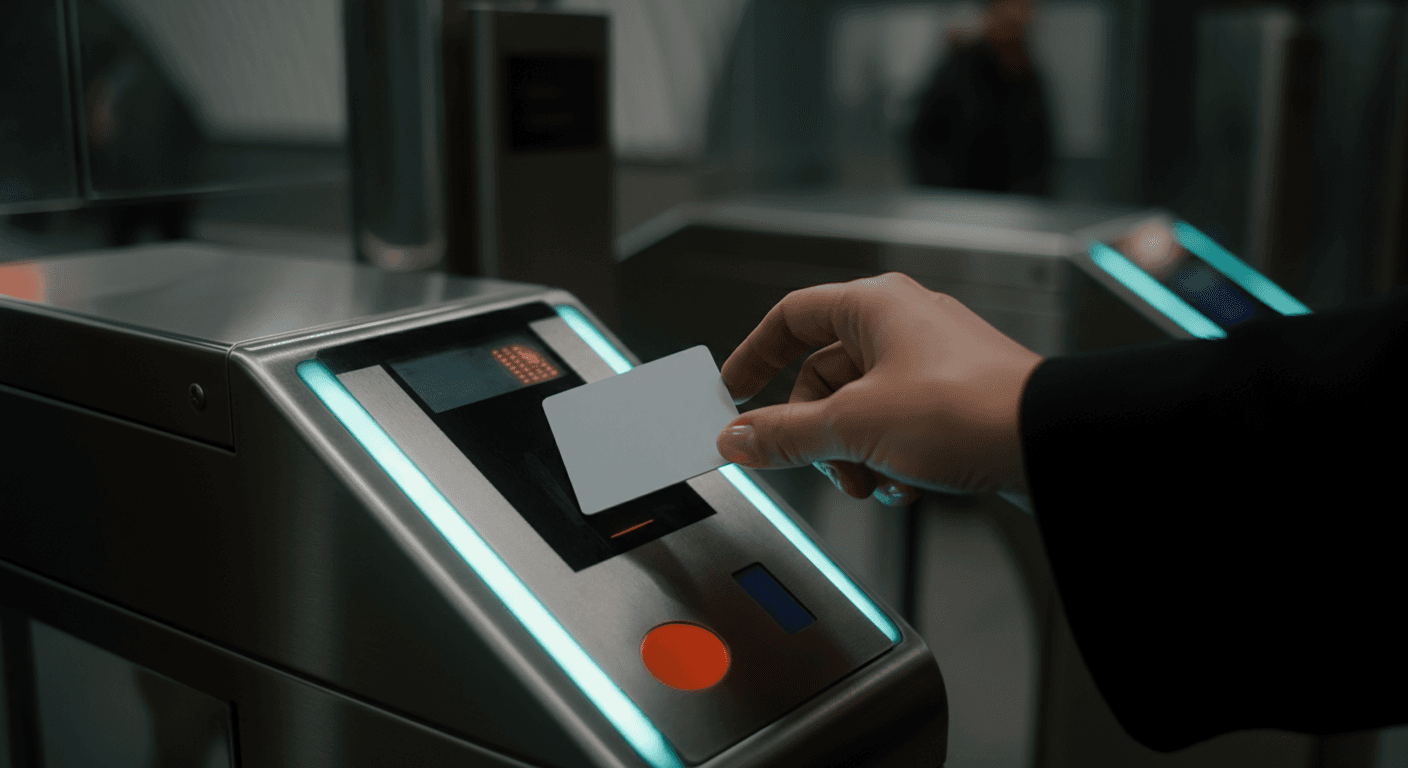
In Istanbul, the Istanbulkart is the key to simple, low‑cost journeys.
- Buy and top up at yellow machines in metro stations like Taksim, Karaköy, Sultanahmet and Üsküdar.
- Works on trams (T1 to Sultanahmet), metro (M2 to Şişli and Levent), some ferries from Eminönü, buses, and the Marmaray line under the Bosphorus.
- Expect short urban rides to be inexpensive; tap in and out where required.
Dolmuş Minibuses
Dolmuş are shared minibuses running fixed routes; they are a core part of Turkish daily life.
- Antalya example routes:
- LC07: connects Antalya Otogar with Lara Caddesi and surrounding neighbourhoods.
- Dolmuş along the main road from Kaleiçi towards Konyaaltı Beach.
- Bodrum example routes:
- Minibuses from Bodrum Otogar on Cevat Şakir Caddesi to Gümbet, Bitez, Ortakent and Turgutreis.
- Late evening services typically reduce, so always check last return times.
- Fethiye example routes:
- From Fethiye Otogar towards Ölüdeniz (via Hisarönü) and Çalış Beach.
Simple rule: Have small notes or coins ready, tell the driver your stop (e.g. “Lara Caddesi” or “Gümbet merkez”), and move forward before your stop so you can get off calmly.
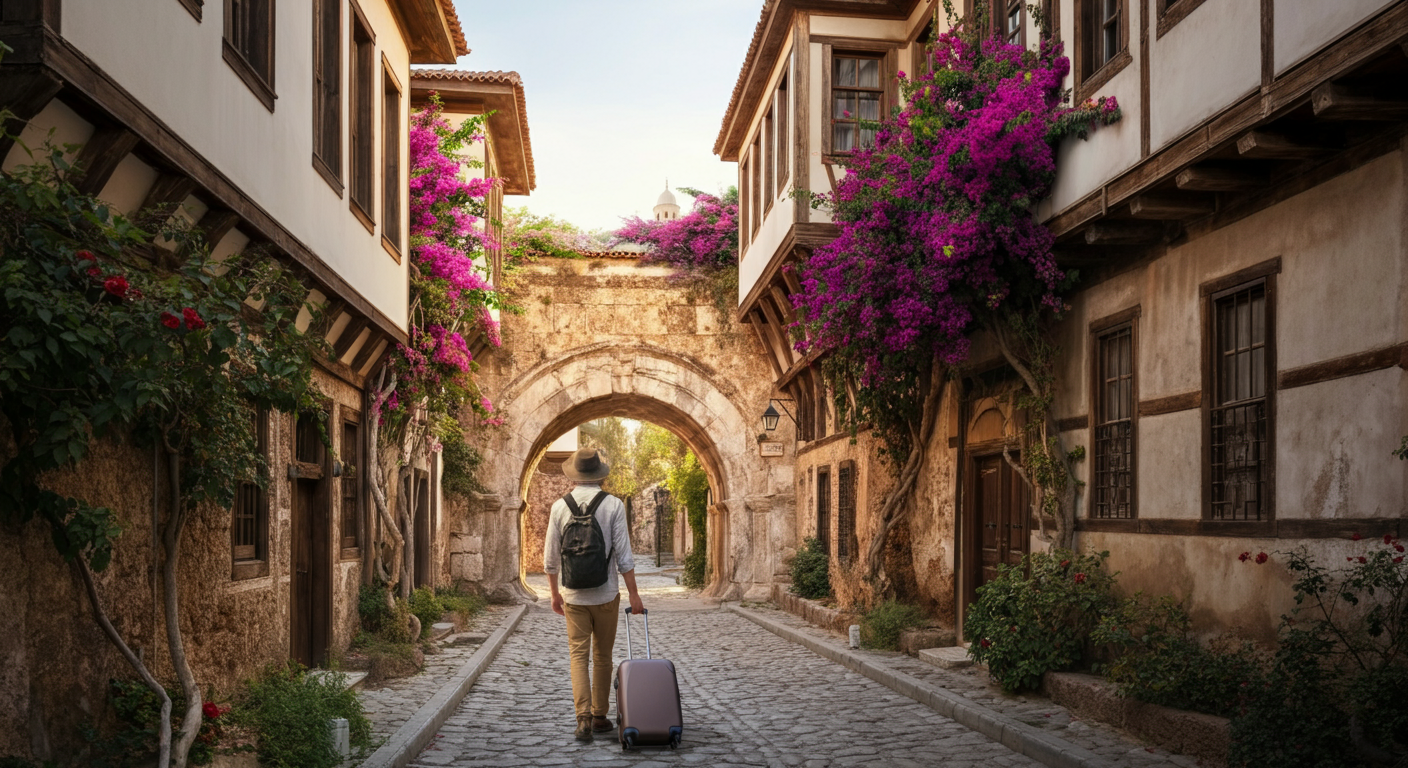
Taxis & Ride-Hailing
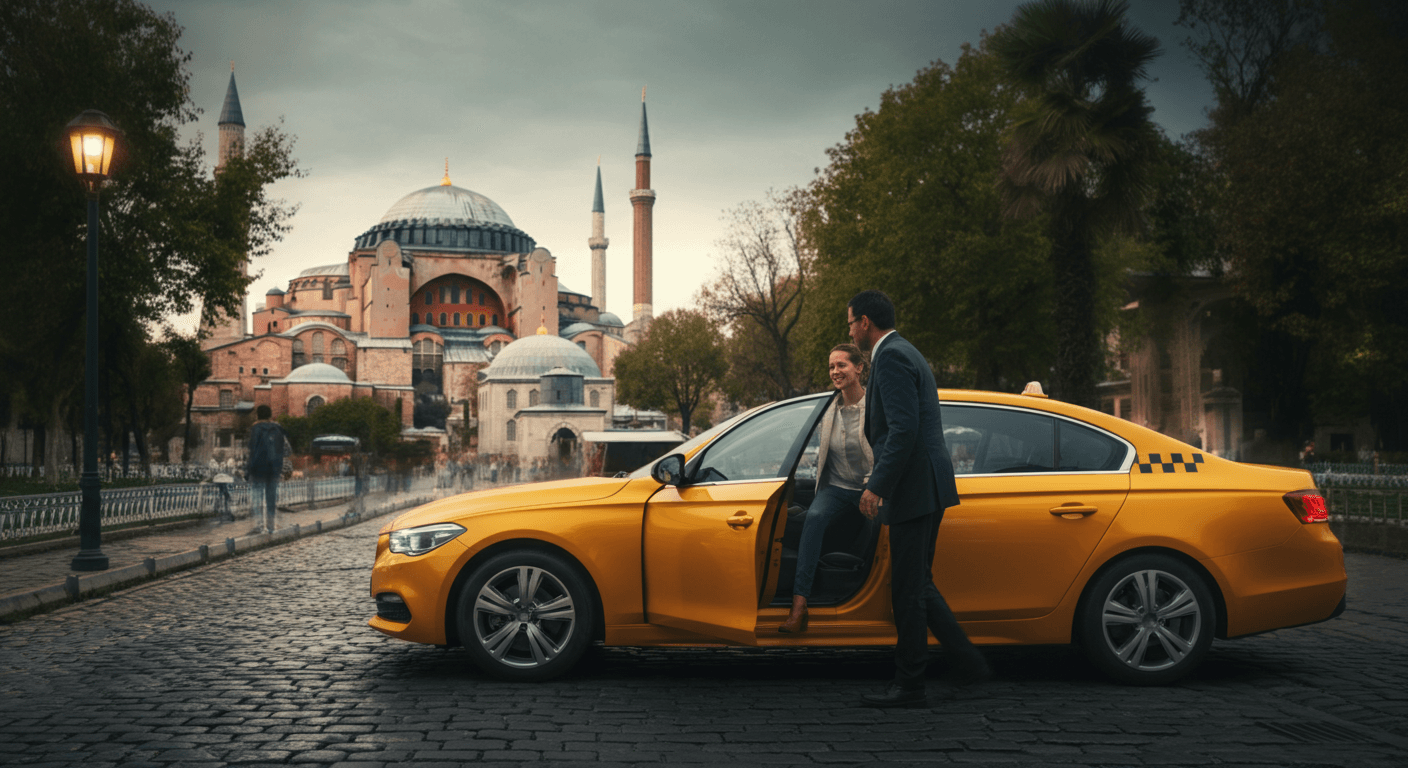
- In larger cities and resorts, you will see yellow taxis on main roads like Atatürk Caddesi (Bodrum), Lara Caddesi (Antalya), and around Taksim Meydanı (Istanbul).
- Ask the driver to switch on the meter (taksimetre) at the start.
- Some travellers use ride‑hailing apps backed by licensed taxis for clearer pricing and GPS routes.
Intercity Travel: Coaches & Trains
- Coaches: Major coach companies operate frequent services from hubs like Istanbul Esenler Otogar, Ankara Şehirlerarası Terminali (AŞTİ), Izmir Otogar, and Antalya Otogar.
- Popular routes include Istanbul–Ankara, Istanbul–Cappadocia (via Nevşehir or Göreme), Antalya–Fethiye, and Izmir–Bodrum.
- High‑speed trains: Lines like Istanbul (Pendik)–Ankara and Ankara–Konya can be comfortable options if you are exploring central Turkey.
Step 5 – Comfort-First Safety & Wellbeing Routines
Personal Safety Habits
- Stick to well‑lit, busier streets at night. For example, use main stretches of İstiklal Caddesi rather than wandering deep into quieter backstreets behind Galata after midnight.
- In Antalya, walk along the Kaleiçi marina promenade or Atatürk Caddesi in the evening rather than darker side alleys.
- Share your live location with someone you trust and let them know rough timing if you are taking a late coach from Izmir Otogar or Fethiye Otogar.
Money & Documents
- Carry a mixture of Turkish lira and a UK card that works fee‑light abroad.
- ATMs are common around Taksim Square, Kadıköy Rıhtım Caddesi, Antalya’s İsmet Paşa Caddesi, and near Bodrum Marina.
- Keep a photo of your passport ID page and insurance policy stored securely online.
Health & Comfort
- Tap water varies by region; many travellers stick to bottled water, widely sold in markets along streets like Gümüşlük Caddesi (Bodrum) or Atatürk Bulvarı (Antalya).
- Use high‑SPF sun cream, especially along beaches such as Konyaaltı, Lara, Ölüdeniz and Gümbet.
- Pack basic medication for stomach upsets and headaches; pharmacies (Eczane) are easy to find in central districts like Beyoğlu and Kordonboyu (Alsancak).
Step 6 – What It Costs: Realistic Solo Budgets
Costs vary by season and region. Coastal hotspots like parts of the Bodrum Peninsula, Çeşme and central Sultanahmet can be pricier than inland cities like Ankara or Konya. Figures below are broad, comfort-focused ranges in pounds, based on typical spending patterns; always factor current exchange rates.
Daily Budget Ranges (Per Person)
- Comfortable city stay (e.g. Kadıköy, Karaköy, Izmir Alsancak): roughly £45–£70 per day excluding flights.
- Coastal resorts in peak summer (e.g. Bodrum Centre, Lara Beach, Marmaris): roughly £55–£80 per day depending on activities and eating habits.
- More modest inland towns (e.g. Konya near Mevlana Museum, parts of Cappadocia villages): roughly £35–£60 per day.
Typical Small Expenses
- Public transport, such as a tram ride from Karaköy to Sultanahmet or a bus along Konyaaltı, is usually only a small amount per trip.
- A simit from a street cart near Beşiktaş vapur iskelesi or Kadıköy Rıhtım is commonly very inexpensive.
- Simple lunches in local lokanta style places (for example around Kızılay Meydanı in Ankara or near Karşıyaka Çarşısı in Izmir) are usually good value.
UK-friendly tip: Keep a small daily cash allowance for markets like Grand Bazaar, Fethiye Paspatur bazaar and the Saturday market in Bodrum, where some stalls prefer cash.
Step 7 – What to Pack for Comfort & Respect
Clothing
- Layers: Even in summer, evenings in Cappadocia or on breezy promenades like Izmir Kordon can feel cool. A light jumper or jacket is useful.
- Modesty items: Pack a scarf or pashmina for visiting mosques such as the Blue Mosque or Süleymaniye Camii. Shoulders and knees should be covered.
- Comfortable shoes: Cobblestones in Kaleiçi, slopes around Galata, and paths down to Ölüdeniz Beach are easier with supportive footwear.
Electronics & Admin
- Plug type: Turkey uses Type C and Type F plugs (two‑pin). Bring an EU adapter.
- Connectivity: Consider a roaming package from your UK provider or a local SIM from city-centre shops around Taksim, Kızılay or Alsancak.
- Store scans of your passport, insurance and key bookings in a cloud service for easy access.
Comfort Extras
- Lightweight microfibre towel for boat trips from Fethiye Marina or Bodrum Harbour.
- Travel pillow for longer bus journeys from Antalya Otogar to Cappadocia or coastal towns.
- Small reusable tote bag for market shopping in places like Çarşamba Pazarı (Fatih) or Datça weekly market.
Step 8 – Eating & Drinking Solo with Ease
Turkey’s food culture is very solo‑friendly. It is normal to see people eating alone in lokanta, çay bahçesi (tea gardens) and seafront restaurants.
What to Try
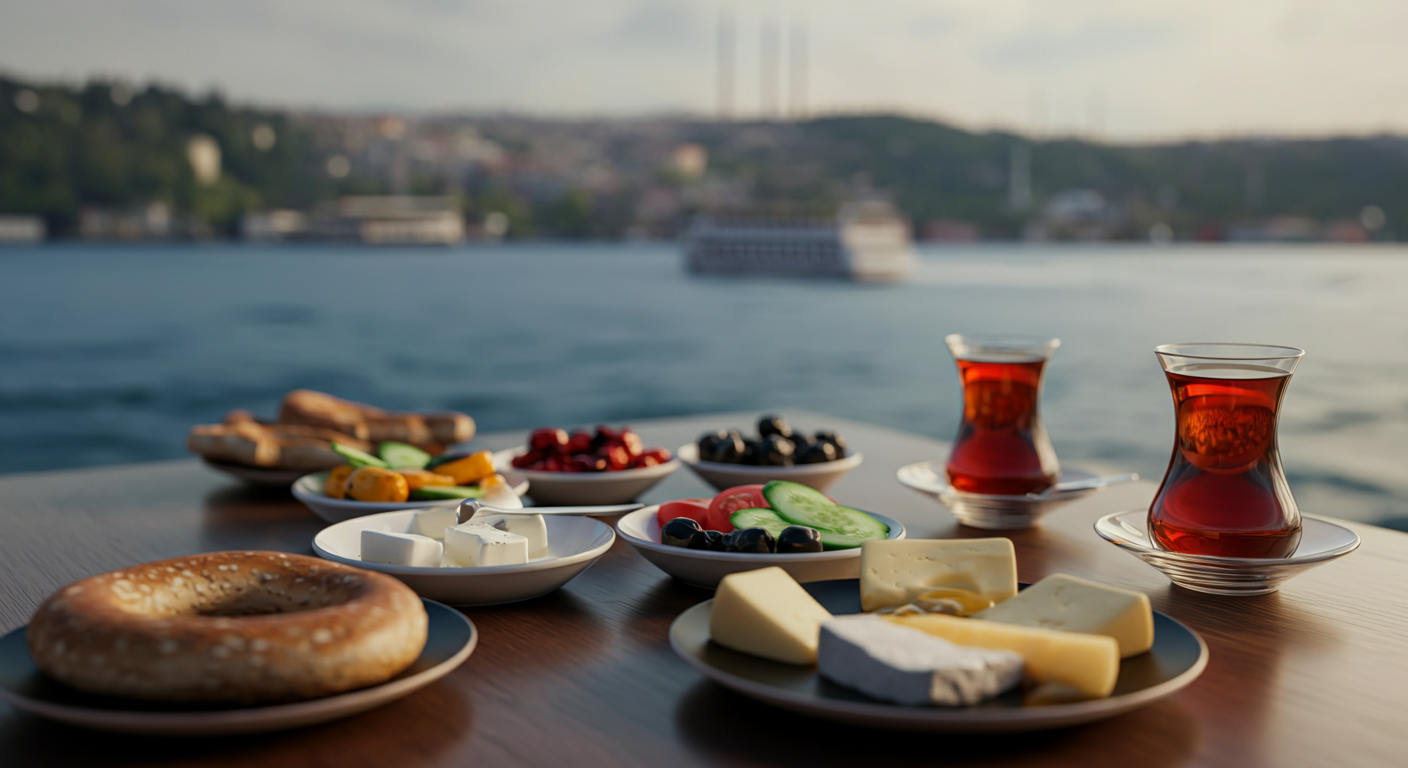
- Breakfast: A traditional kahvaltı with olives, cheese, tomatoes, cucumbers, eggs and fresh bread is widely available, especially in Beşiktaş Çarşı and Van kahvaltı spots in Cihangir and Kadıköy.
- Street snacks: Simit, roasted chestnuts on İstiklal Caddesi, and grilled corn along promenades like Konyaaltı Sahil.
- Bread types: Look out for pide, bazlama and local village bread in smaller towns around the Lycian Way.
Ordering with Confidence
- In touristy areas like Sultanahmet, Lara Caddesi and Bodrum Çarşı, English menus are common.
- For quieter districts, learn a few phrases: “Menu var mı?” (Is there a menu?), “Hesap lütfen” (Bill, please).
- If you have dietary needs (vegetarian, coeliac), explain clearly and double‑check. Many mezze dishes in Karaköy or Alsancak are naturally vegetarian, but always confirm.
Step 9 – Sample Comfort-First Solo Itineraries
One Week: Istanbul & Antalya (City + Beach)
- Day 1–3: Istanbul base in Karaköy or Sultanahmet
- Walk between Sultanahmet Square, Grand Bazaar (via Divan Yolu Caddesi) and Spice Bazaar.
- Take an evening Bosphorus cruise from piers near Eminönü or Kabataş.
- Explore İstiklal Caddesi, Galata Tower and cafés in Cihangir.
- Day 4–7: Antalya base in Kaleiçi or Lara
- Stroll through Kaleiçi, Hadrian’s Gate on Atatürk Caddesi, and the marina.
- Use buses or dolmuş from Kale Kapısı to Konyaaltı for a beach day.
- Join a day trip to Düden Waterfalls or Termessos.
Ten Days: Aegean Coast Focus
- Day 1–4: Bodrum Centre or Gümbet
- Base near Neyzen Tevfik Caddesi or Atatürk Caddesi for easy access to the marina and dolmuş station.
- Take day boats from Bodrum Harbour to nearby bays.
- Visit old streets around Bodrum Castle.
- Day 5–7: Fethiye Çarşı / Marina
- Use dolmuş from Fethiye Otogar to Ölüdeniz and Kayaköy.
- Evening walks along the harbour promenade towards Karagözler.
- Day 8–10: Optional Dalyan or Marmaris
- From Fethiye Otogar or Bodrum Otogar, coaches go to Marmaris and Dalyan.
- Relax by the riverfront in Dalyan or explore Marmaris Marina and old town streets.
Step 10 – Comfort-First Planning Checklist (Printable)
Use this checklist as you plan and just before you fly.
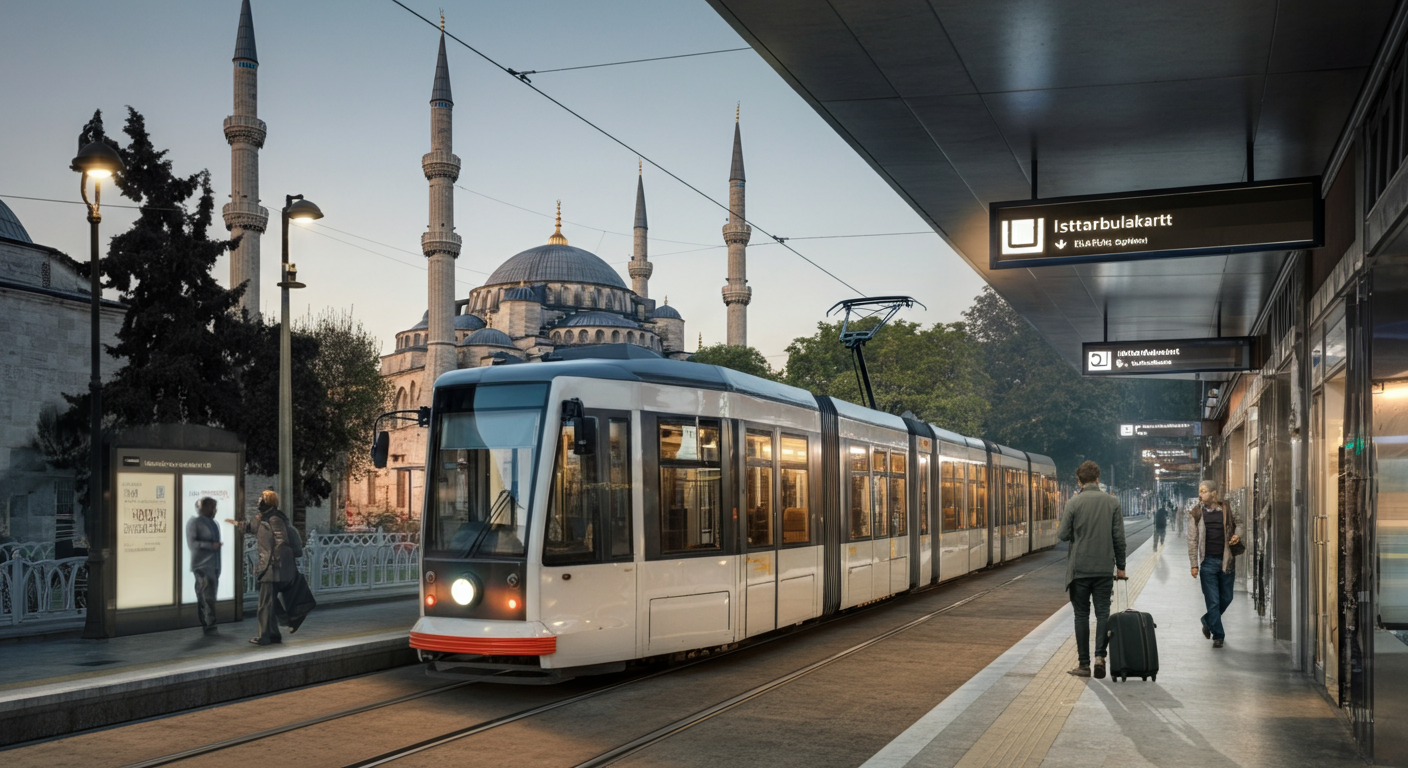
Before You Book
- Check passport validity (aim for at least 6 months from arrival).
- Confirm visa requirements for UK citizens on official Turkish and UK government sites.
- Choose 1–3 bases (for example, Karaköy + Antalya Lara + Fethiye).
- Look up approximate flight times from your nearest UK airport.
1–2 Months Before Departure
- Buy comprehensive travel insurance covering medical care, belongings, and any planned activities.
- Reserve accommodation in central, well‑connected areas (e.g. close to T1 tram in Sultanahmet, or walking distance of Fethiye Marina).
- Plan airport transfers (note Havaist/Havabüs lines or book a transfer).
- Map key locations: hotel, nearest tram/metro stop, otogar, nearest pharmacy and supermarket.
1 Week Before Departure
- Download offline maps centred on Sultanahmet, Karaköy, Taksim, or your arrival area.
- Prepare a basic Turkish phrase list on your phone.
- Notify your bank you are travelling to Turkey to avoid card blocks.
- Check forecast for your bases (e.g. Istanbul vs Antalya can differ significantly).
Day of Travel
- Carry printed or offline copies of boarding passes, hotel addresses and transfer confirmation.
- Have your first night’s address written clearly for taxi drivers (e.g. street name like Divan Yolu Caddesi or Lara Caddesi).
- Keep a small amount of Turkish lira (if possible) plus a card that works abroad.
On Arrival
- Buy or top up an Istanbulkart if you are in Istanbul.
- Identify the nearest main street and landmark to your accommodation (for example, "just behind İstiklal Caddesi" or "2 minutes from Fethiye Marina").
- Share your accommodation details and rough plan with a trusted contact at home.
Helpful Internal Resources
For more detailed planning around specific regions and travel styles, you may also want to read:
- Where to Stay in Istanbul for First-Time UK Visitors
- Antalya Area Guide for UK Holidaymakers
- Bodrum Peninsula Area Overview
- Using Public Transport in Turkey as a Visitor
- Planning a Cappadocia Side Trip from the UK
FAQ
Is Turkey suitable for first-time solo travellers from the UK?
Many UK travellers find Turkey suitable for a first solo trip, especially if they base themselves in central, well‑connected areas such as Sultanahmet, Karaköy, Kadıköy, Lara Beach, Bodrum Centre or Fethiye Çarşı. English is often spoken in tourist districts, and public transport like the Istanbulkart system, Havaist buses and coastal dolmuş routes makes it easier to get around.
Where should I stay in Istanbul as a solo traveller?
For comfort and easy sightseeing, many solo travellers choose Sultanahmet (near the main historic sites and T1 tram), Karaköy and Galata (between the old city and Beyoğlu), Taksim and Cihangir (close to the M2 metro and İstiklal Caddesi) or Kadıköy (a lively but more local feel on the Asian side, around Rıhtım Caddesi and Moda).
Do I need a visa to travel from the UK to Turkey?
Recent arrangements have often allowed UK citizens to visit Turkey as tourists for short stays without obtaining an e‑visa in advance. However, visa policies can change. Always check the latest entry rules on official Turkish and UK government websites before booking flights.
Is public transport in Turkey easy to use alone?
Public transport is widely used by locals and visitors. In Istanbul, the Istanbulkart covers trams, buses, metro and many ferries, making journeys between areas like Sultanahmet, Eminönü, Karaköy and Kadıköy straightforward. In coastal regions such as Antalya, Bodrum and Fethiye, dolmuş minibuses run set routes between the otogar (bus station), beaches and nearby towns.
How much money should I budget per day in Turkey?
Budgets vary, but many comfort‑focused solo travellers allow around £45–£70 per day in large cities and popular coastal towns, and roughly £35–£60 in some inland regions, excluding flights. This usually covers meals, local transport, and moderate activities. Always adjust for your own preferences and check current exchange rates.
Is it easy to eat alone in Turkey?
Yes. Eating alone is common, especially in busy districts like Kadıköy, Beşiktaş Çarşı, Karaköy, Lara Caddesi and Fethiye Marina. Tea gardens and cafés are particularly welcoming for solo diners. Staff are generally accustomed to solo travellers and will not consider it unusual.
What should I avoid as a solo traveller?
As in any large city or resort, be aware around very late‑night drinking areas, limit time in poorly lit backstreets off main avenues such as İstiklal Caddesi or Lara Caddesi, and be cautious with offers from strangers that involve going to unplanned venues. Use official taxis or reputable ride‑hailing apps, and keep valuables secure in crowds such as the Grand Bazaar or busy bus stations.

Selin Aktaş
Editör"Ege köylerine ve butik otellere olan tutkusuyla tanınan Selin, 10 yılı aşkın süredir Türkiye'nin gizli kalmış rotalarını keşfediyor."
Guides About
Istanbul Public Transport Guide: Istanbulkart, Metro, Tram & Ferry Explained
İstanbul'da ulaşım karmaşasına son verin! İstanbulkart, metro, tramvay, otobüs ve feribot gibi toplu taşıma ağlarını kolayca anlayın.
Best Istanbul Photo Route: 1-Day Viral Shots (Golden Hour & Crowd Strategy)
İstanbul'un en viral fotoğraf noktalarını keşfedin! Boğaz, Galata ve Tarihi Yarımada'da 1 günde, ışık saatleri ve kalabalık stratejileriyle mükemmel kareler yakalayın.
Istanbul Budget Planner: Economical, Balanced & Comfortable Spending Modes Guide
İstanbul gezinizi bütçenize uygun planlayın! Ekonomik, dengeli veya rahat modlarla harcama mantığını keşfederek şehri doyasıya yaşayın.
Istanbul with Kids Guide: Baby & Toddler Checklists | Hot Weather & Rainy Day Plan
İstanbul'da çocukla gezmek artık çok kolay! Bebek/çocuk kontrol listeleri ve öğle sıcağı/yağmur için özel İstanbul gezi planları bu rehberde.
Istanbul Walkable Neighborhoods: 2-3 Hour Walking Routes & Map Guide
İstanbul'un en güzel semtlerini yürüyerek keşfedin! Tarihi yarımada ve Boğaz çevresindeki 2-3 saatlik mini rotalarla şehri deneyimleyin.

Istanbul Mosque Guide for Tourists: Dress Code, Photography & Prayer Times
İstanbul camilerini ziyaret edecek turistler için giyim, saat ve fotoğraf kuralları rehberi. Cami ziyaretinizden önce bilmeniz gereken tüm detayları basitçe öğrenin.
Istanbul Travel Tips: Avoid Scams & Surprises (Taxis, Restaurants, Tours)
İstanbul'da taksi, menü ve tur sürprizleri yaşamadan güvenle gezmek için basit kuralları keşfedin. Dolandırılmadan keyifli bir İstanbul deneyimi için ipuçları burada.
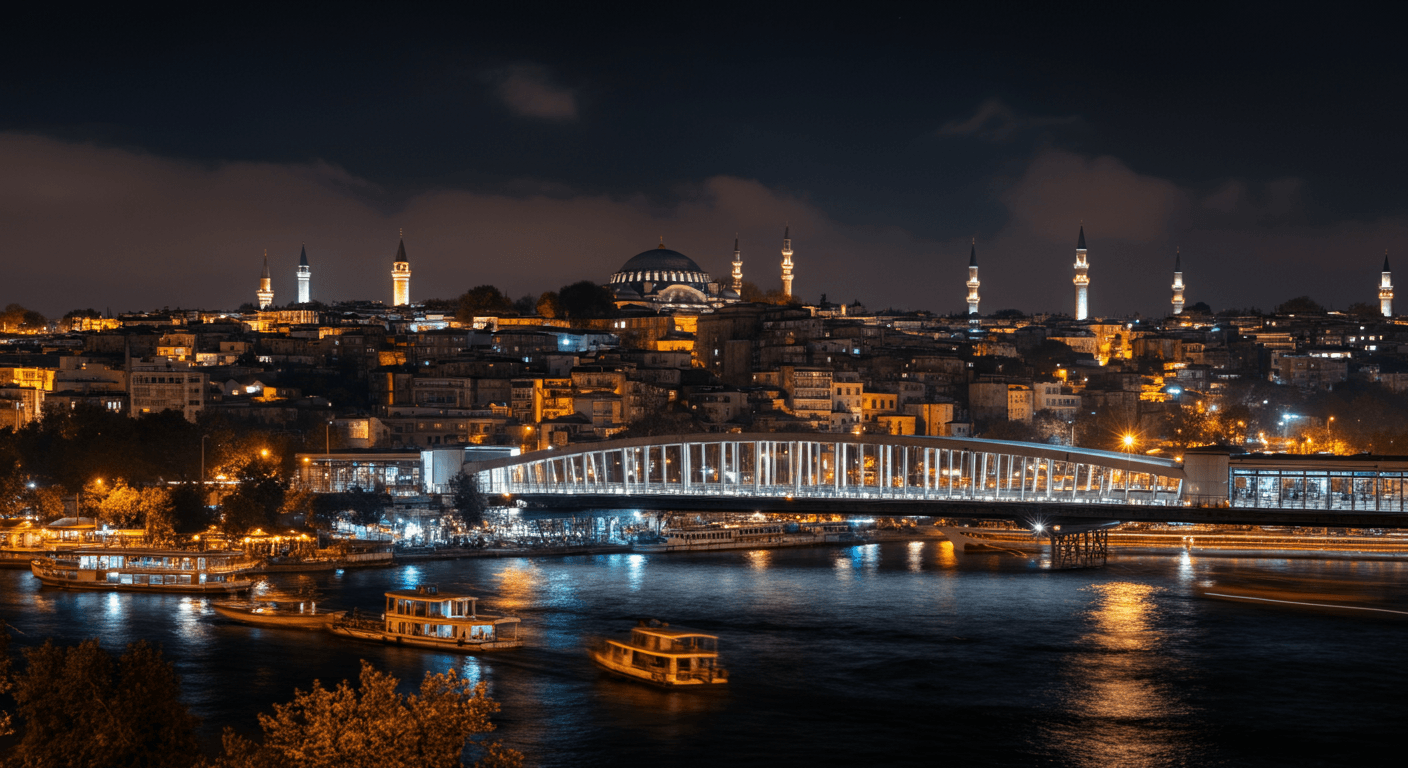
Istanbul Evening Guide: Safe & Fun Activities & Plans for Families, Couples & Solo Travelers
İstanbul'da akşam ne yapılır? Aile, çift veya tek kişi için Boğaz turu, tarihi mekanlar ve güvenli eğlence seçenekleriyle dolu rehberimizi keşfedin.
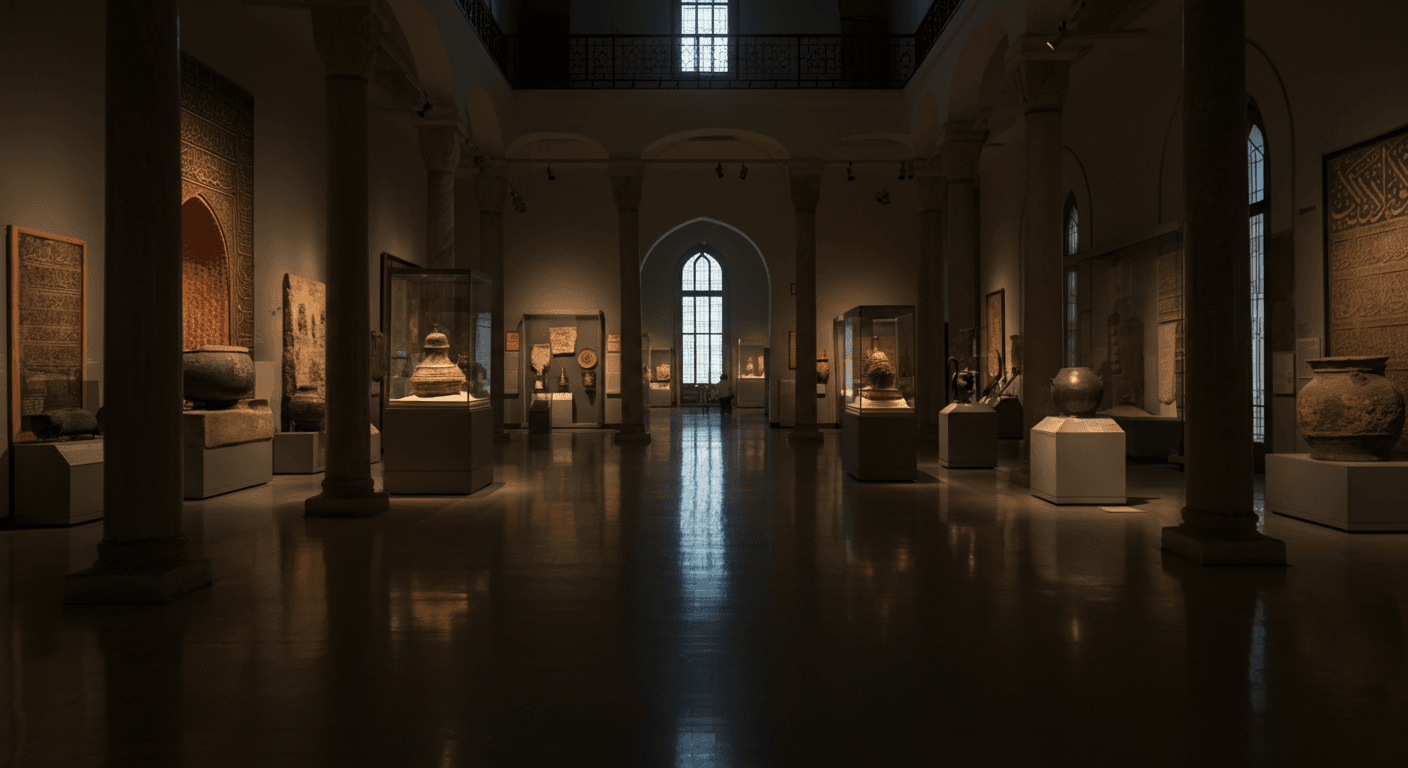
Istanbul Rainy Day Itinerary: Indoor Museums, Bazaars & Cafes
İstanbul'da yağmurlu havalarda sıkılmayın! Müzeler, tarihi çarşılar ve şirin kafelerle dolu kapalı mekan rotalarıyla keyifli bir gün geçirin.
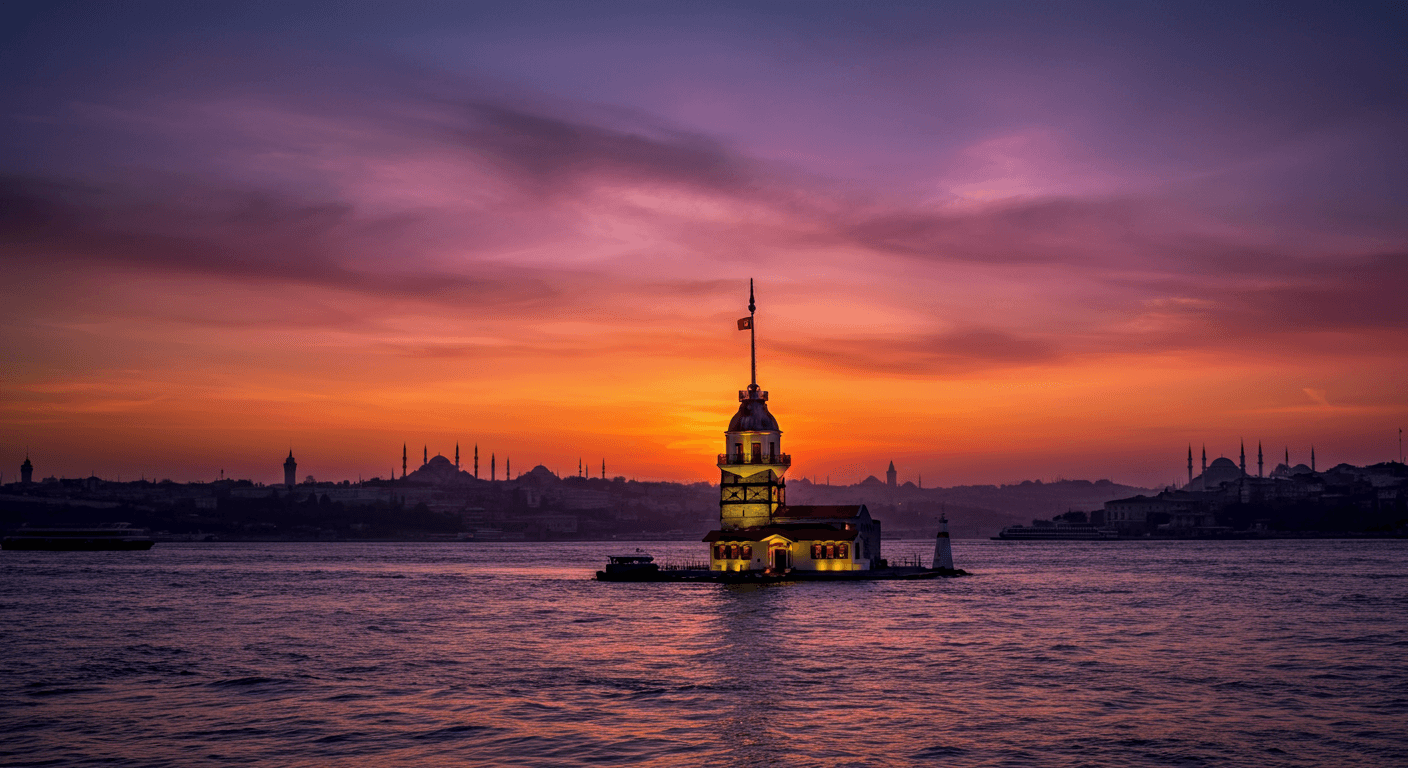
Istanbul Sunset Spots: Crowd-Free Hours & Best Sunset Walk Routes
İstanbul'da kalabalıktan uzak gün batımı noktaları ve Boğaz'da eşsiz sunset walk rotalarıyla şehrin büyüsüne kapılın.
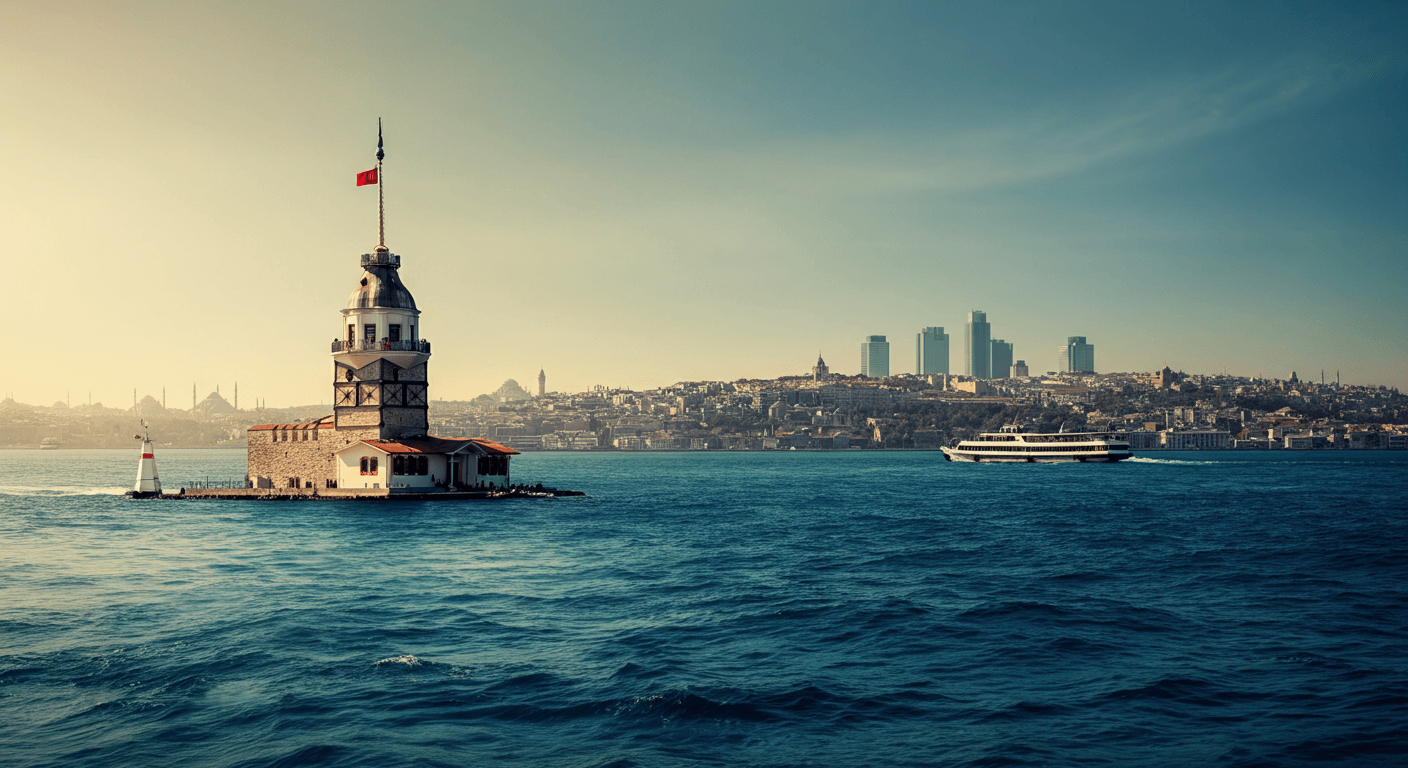
Istanbul 1-Day Itinerary: Europe to Asia Route (Hour-by-Hour & Walking Guide)
İstanbul'da bir günde Avrupa'dan Anadolu'ya geçiş rotasını keşfedin! Saat saat planlanmış bu eşsiz gezi rehberiyle iki kıtayı yürüme seviyenize göre deneyimleyin.

Sabiha Gökçen (SAW) to Istanbul Transfer: Easiest Options Guide
Sabiha Gökçen (SAW) havalimanından İstanbul şehir merkezine en kolay ulaşım (metro, Havabüs, taksi) seçeneklerini ve saatinize göre en mantıklı yolu keşfedin.
Istanbul Airport (IST) Transfer Guide: Taxi, Metro, or Private for Late Night Arrivals
İstanbul Havalimanı (IST) gece varışı için taksi, metro veya özel transfer mi? İstanbul'a en hızlı ve konforlu ulaşım seçeneğini keşfedin.

Istanbul Public Transport Guide: Metro, Tram and Ferry Logic
İstanbul'da ulaşımı çözün! Turistler için İstanbulkart nasıl alınır, T1 Tramvay, M2 Metro ve vapur kullanımı, taksi tuzaklarından korunma rehberi.

First Time in Istanbul: 3–5–7 Days Ready Itinerary
İstanbul'u yorulmadan ve kaybolmadan gezmek isteyenler için saat saat planlanmış, en verimli 3 günlük, 5 günlük ve 7 günlük hazır turistik gezi rotası.

Where to Stay in Istanbul? Area & Base Selection Guide
İstanbul'da ilk kez nerede kalınır? Sultanahmet, Karaköy, Taksim, Beşiktaş ve Kadıköy bölgelerinin detaylı, artı-eksi analizli, ulaşım odaklı konaklama rehberi.
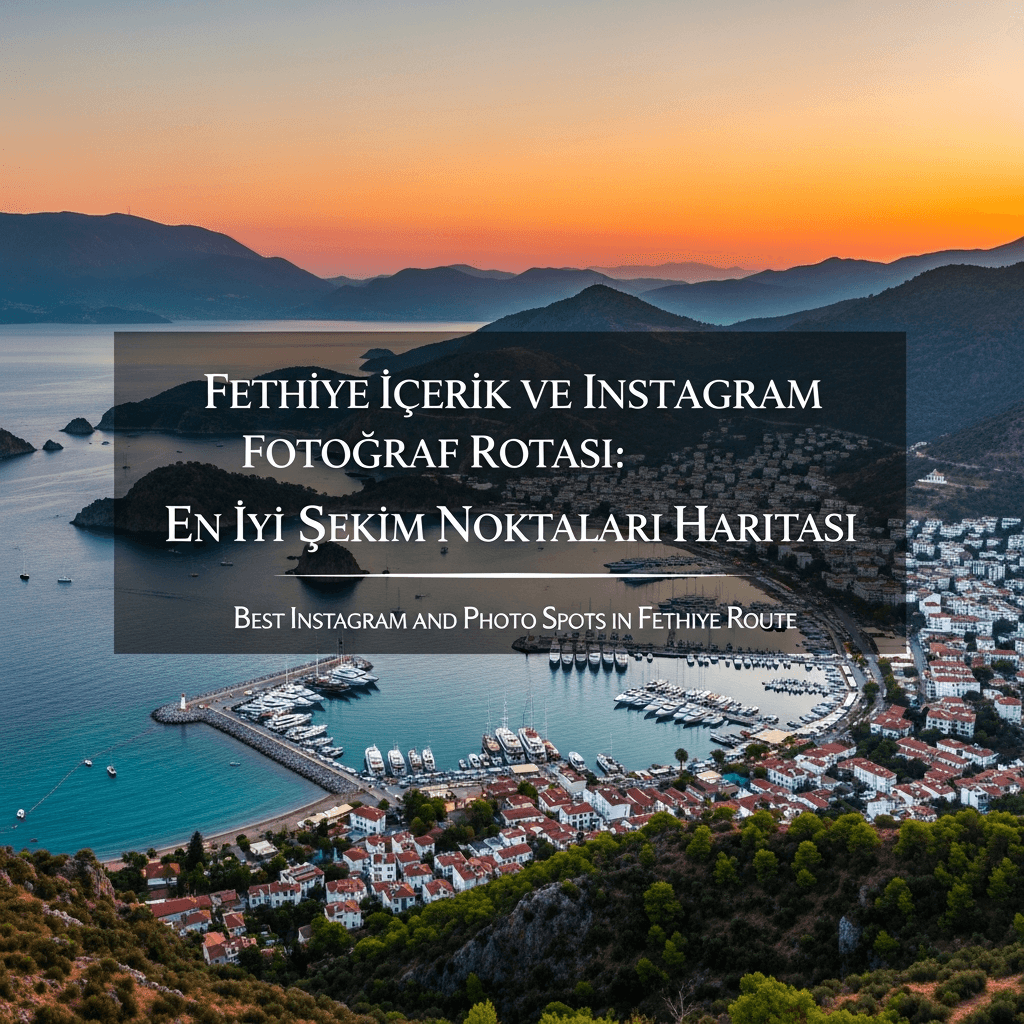
Best Instagram and Photo Spots in Fethiye Route
Ultimate Fethiye Instagram and photography SEO guide list. Find the best spots: Butterfly Valley viewpoint cliff, Babadag glass terrace, and Ghost Town.

Fethiye Budget Planner: Travel Costs and Saving Tips
Ultimate SEO Fethiye holiday budget planner. Is Fethiye expensive? Guide to food prices, transport, boat trips, and saving tips for smart travelers.
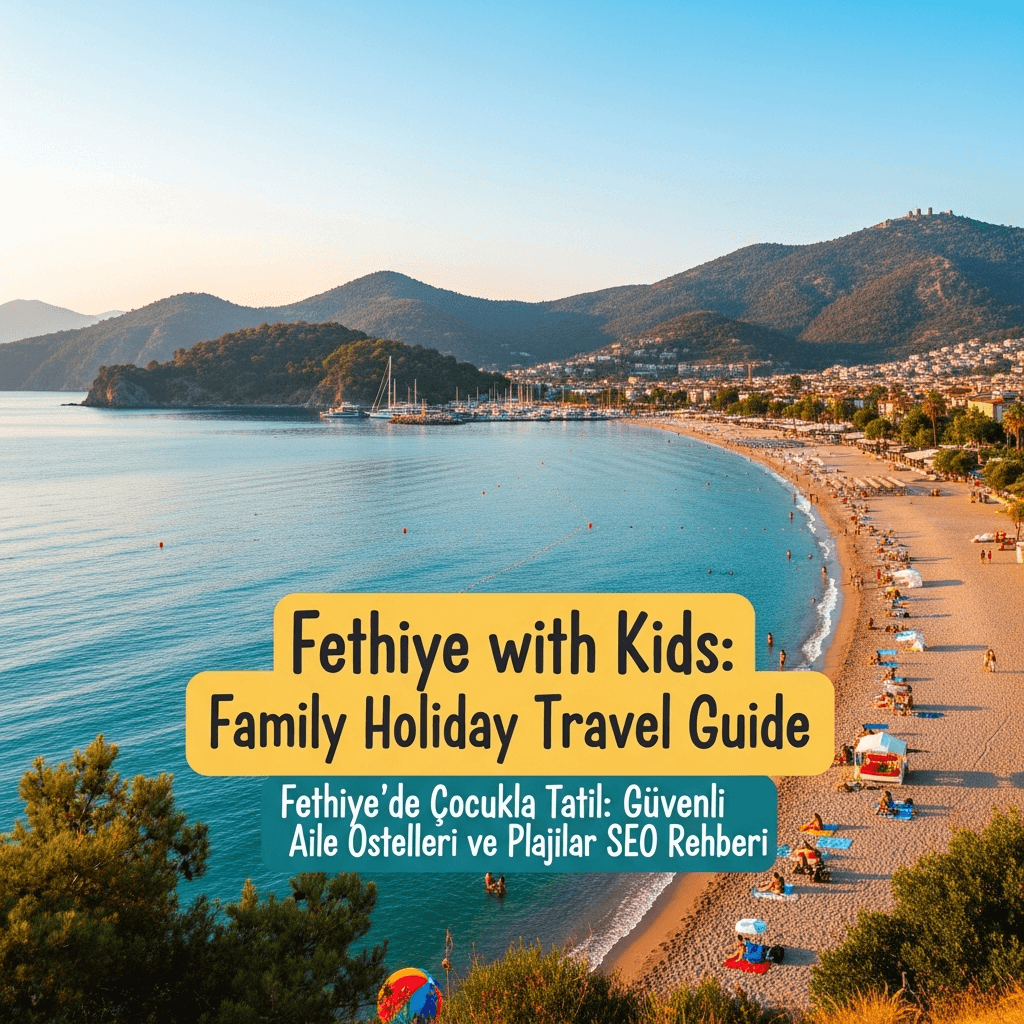
Fethiye with Kids: Family Holiday Travel Guide
Ultimate family SEO travel guide to Fethiye with kids and toddlers. Best shallow beaches, stroller-friendly hotels, and safe family boat trips listed.
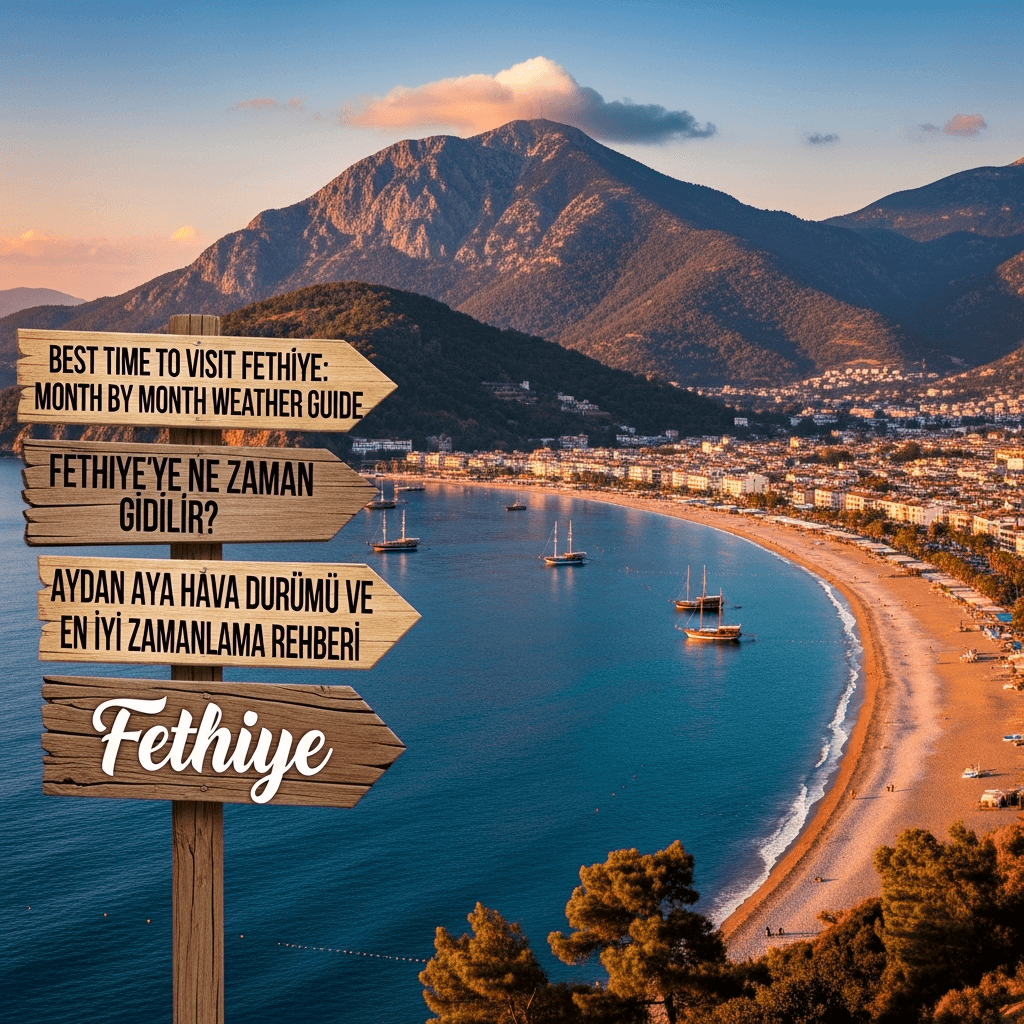
Best Time to Visit Fethiye: Month by Month Weather Guide
When is the best time to go to Fethiye? Detailed SEO weather guide month by month. Summer peaks, autumn sea temperatures and spring trekking tips.
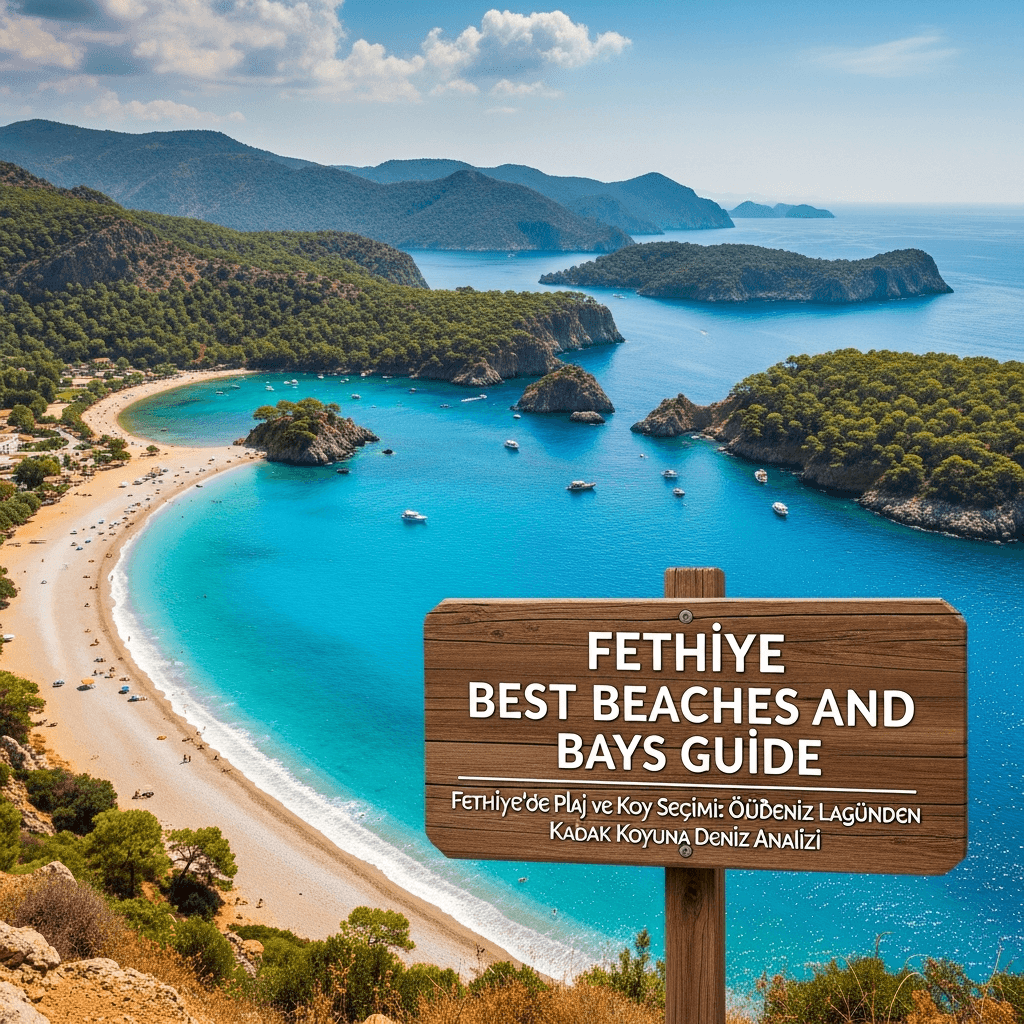
Fethiye Best Beaches and Bays Guide
Comprehensive SEO guide to Fethiye's best beaches. Compare Blue Lagoon, Belcekiz pebbles, Calis beach wind, and hidden Kidrak/Kabak bays.
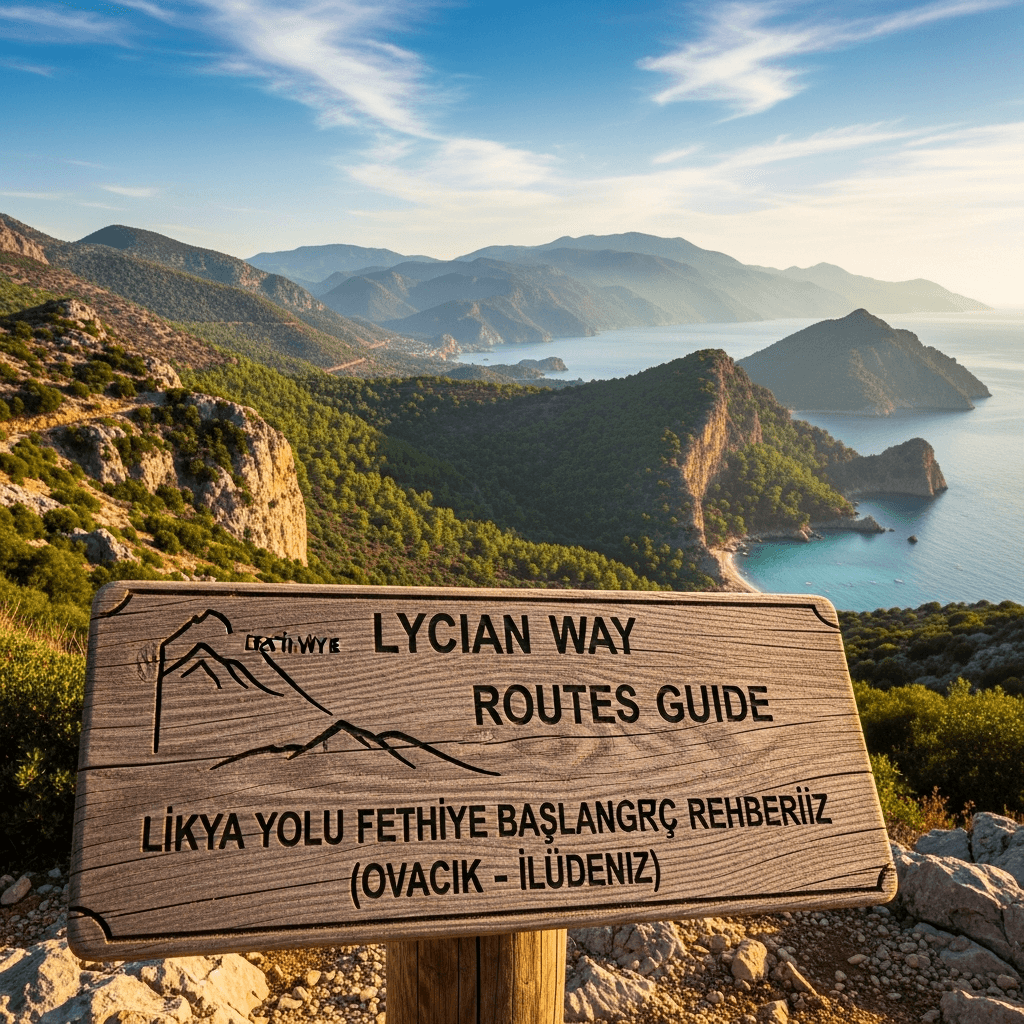
Lycian Way Fethiye Routes Guide
Ultimate Guide to starting the Lycian Way from Fethiye (Ovacik, Faralya, Kayakoy). Daily hiking routes, trails, maps, and offline tips with full SEO tables.
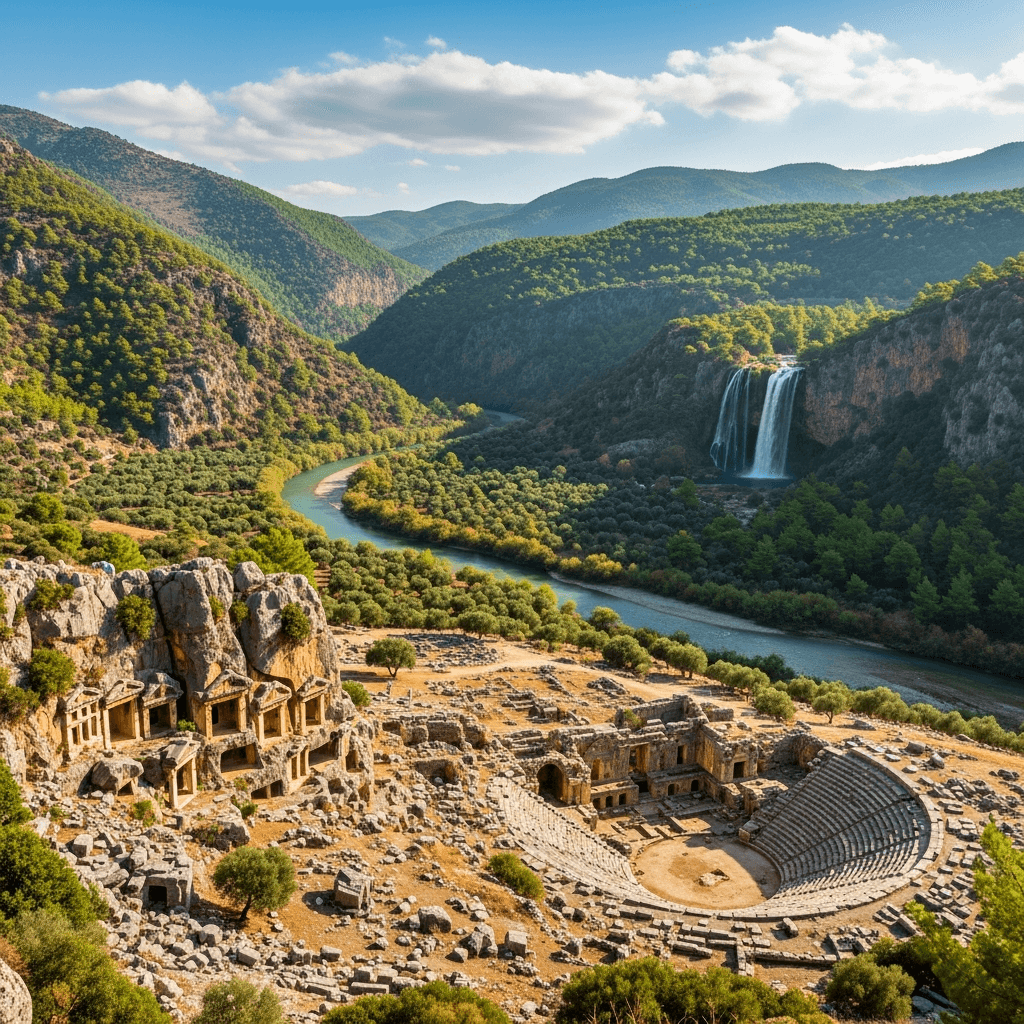
Tlos Ancient City & Yakapark Day Trip Guide
Ultimate Fethiye day trip SEO guide: Morning at Tlos Ancient City and Lycian rock tombs, afternoon lunch at Yakapark waterfalls, and Saklikent alternatives.
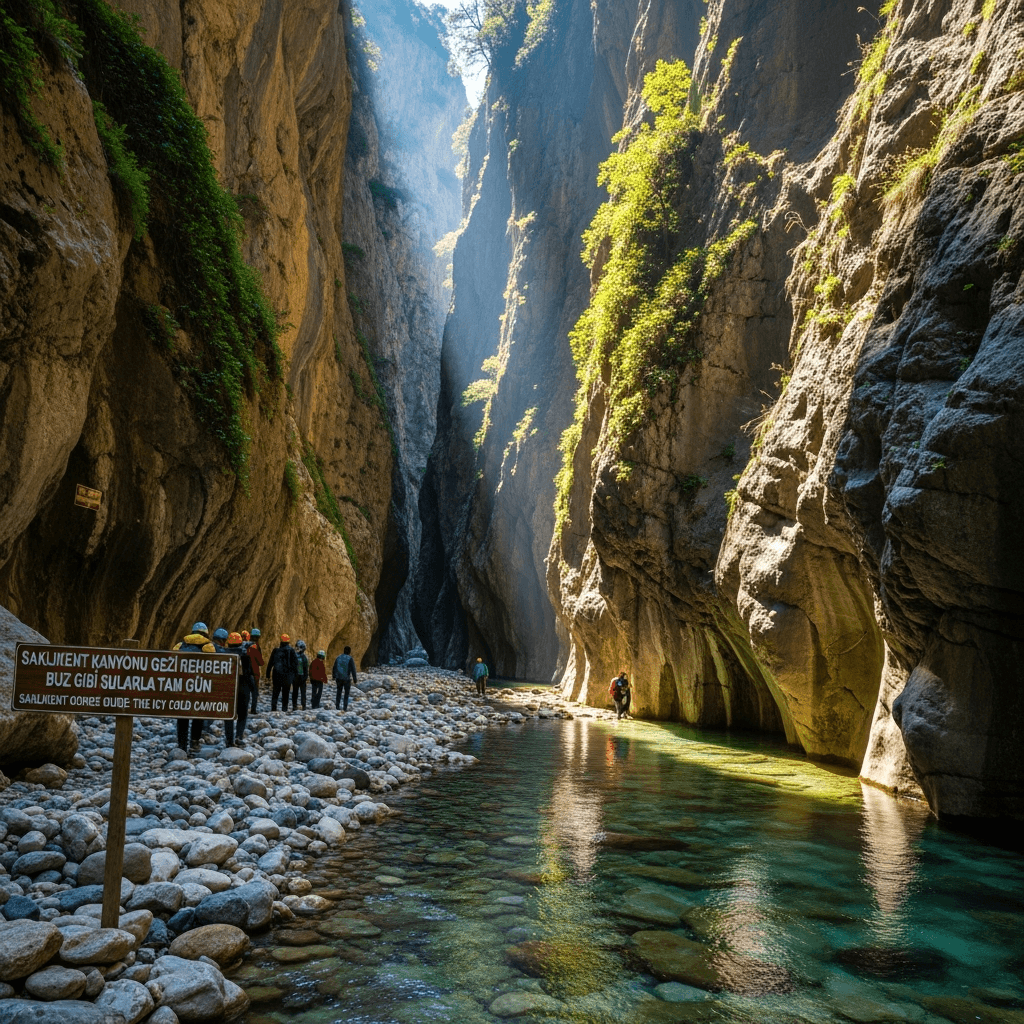
Saklikent Gorge Guide: The Icy Cold Canyon
Ultimate SEO guided Fethiye Saklikent Gorge and Canyon travel guide. Tips for hiking the icy river, mud baths, and comparing Gizlikent Waterfall.
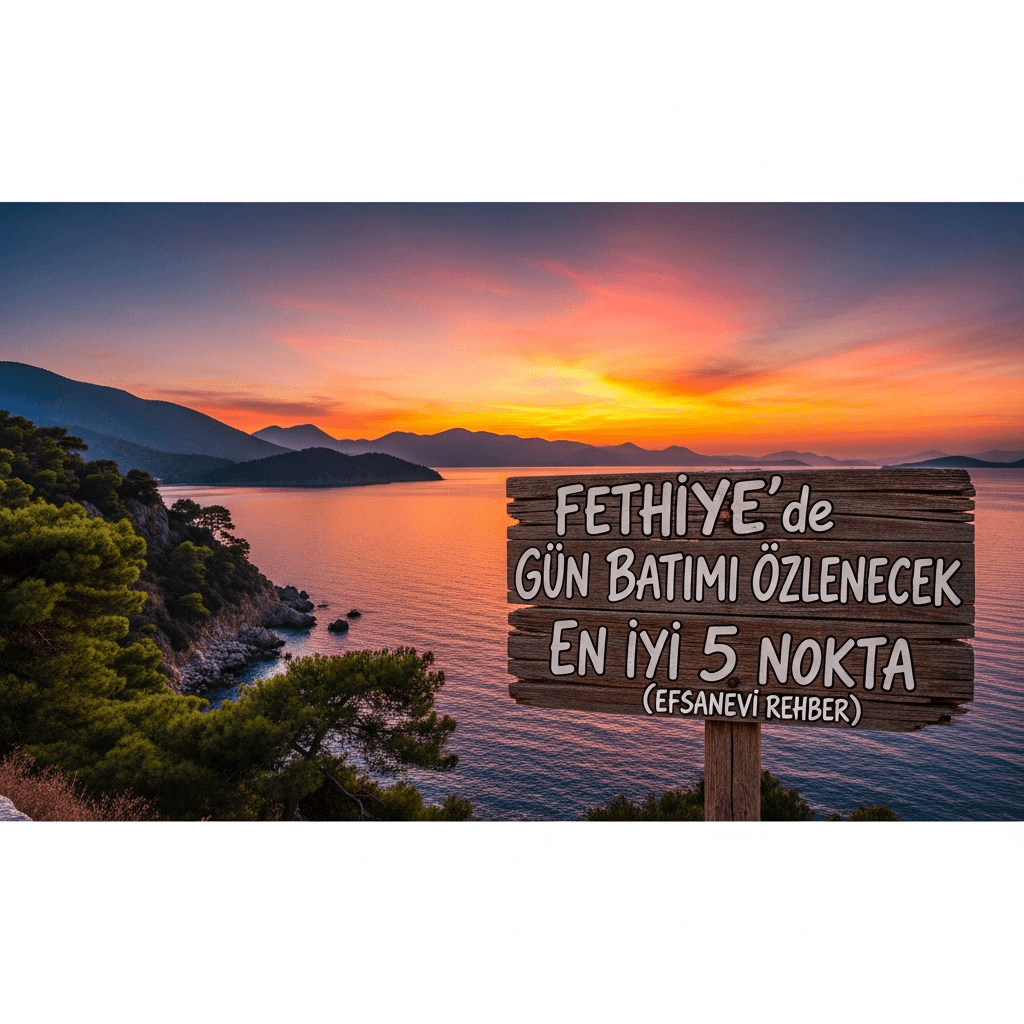
Best 5 Sunset Spots in Fethiye
Where to watch the best sunset in Fethiye? Detailed SEO guide for Calis beach, Babadag 1700m, and Sovalye island sunsets with tables and tips.
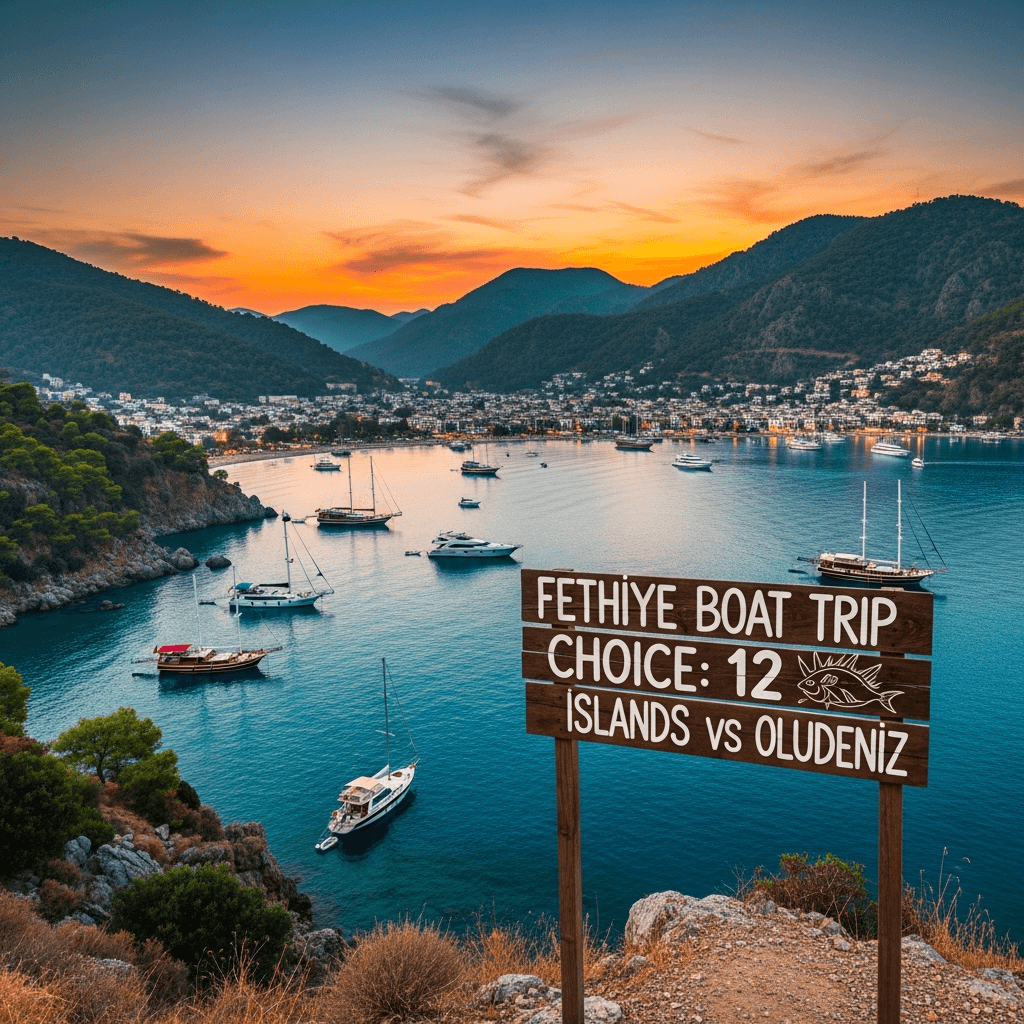
Fethiye Boat Trip Choice: 12 Islands vs Oludeniz
Ultimate comparison between the 12 Islands Boat Trip and the Oludeniz Butterfly Valley boat tour. Detailed SEO travel guide with tables and tips.
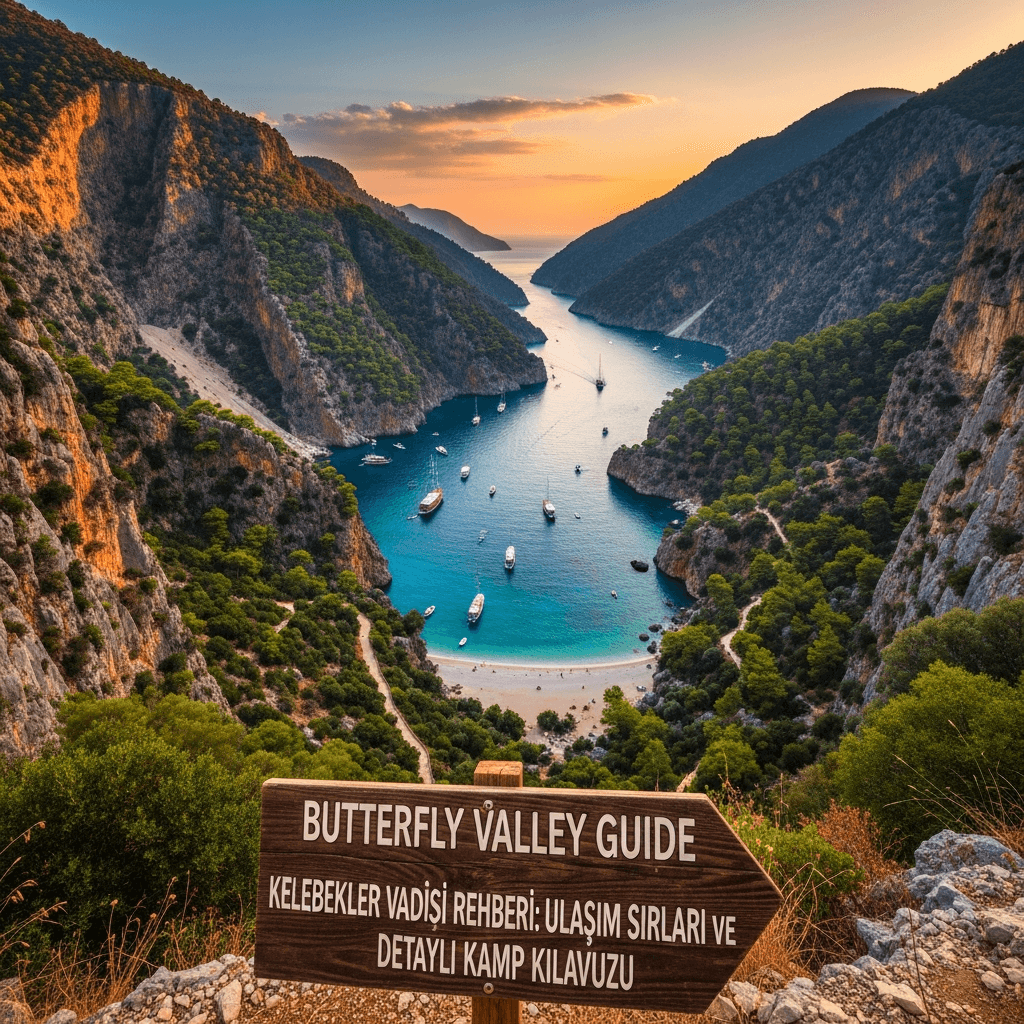
Butterfly Valley Guide
Ultimate SEO guided Fethiye Butterfly Valley travel guide. How to get there by boat or hike, best camping spots, and waterfall trekking tips.
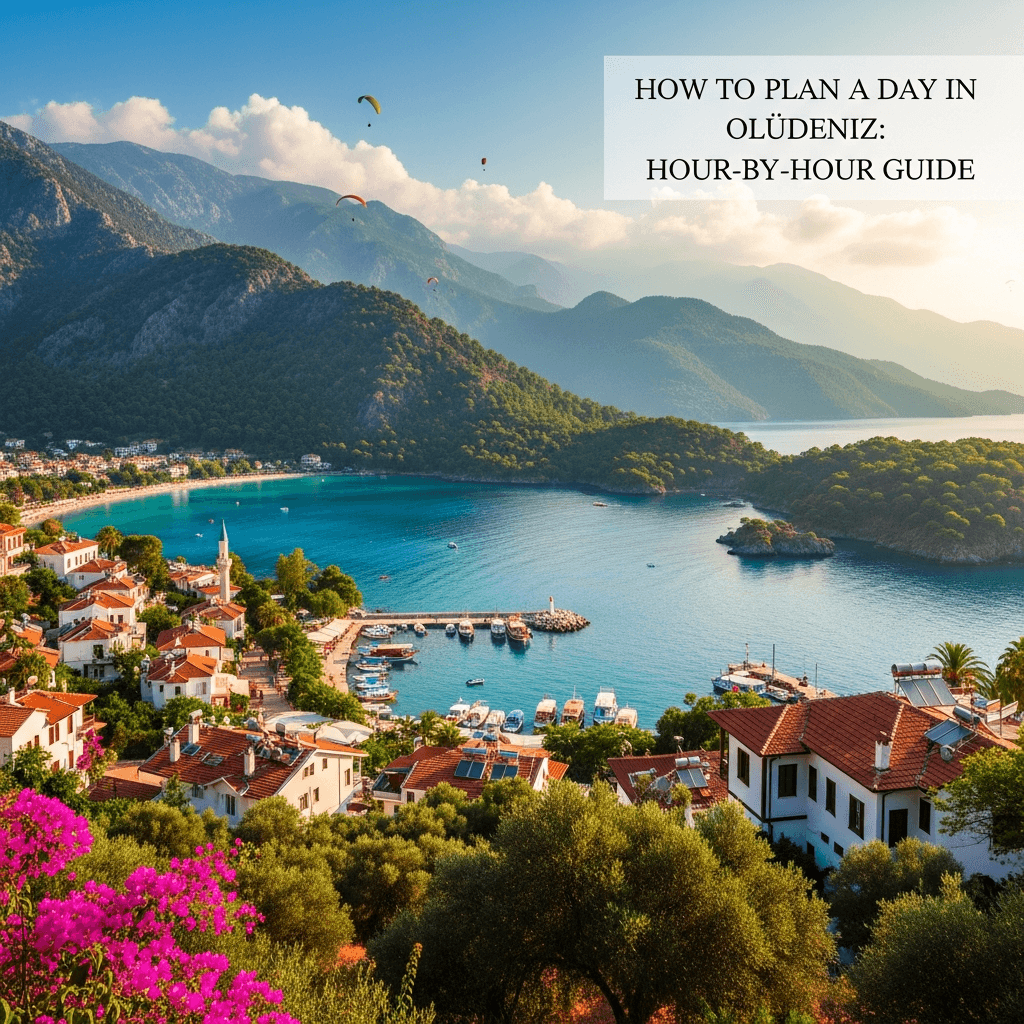
How to Plan a Day in Oludeniz: Hour-by-Hour Guide
An hour-by-hour itinerary for visiting Oludeniz, Kumburnu Blue Lagoon, Belcekiz beach, and the Babadag cable car. Essential tips for your holiday.
Car-Free Fethiye Holiday Guide
Discover how to enjoy a completely car-free holiday in Fethiye. Full transportation guide including water taxis, local dolmus, and walking trails.
Fethiye First-Timers Itinerary: 3-5-7 Days
An optimized and flexible 3, 5, or 7-day itinerary for your first visit to Fethiye. Unmissable spots like Oludeniz, Saklikent Gorge and Babadag.
Where to Stay in Fethiye? Area & Base Selection Guide
Where to stay in Fethiye, Turkey? An extensive area-by-area guide choosing between Calis Beach, Oludeniz, Hisaronu, Ovacik and the Town Center.
Did you find this guide helpful?
Check out our other guides to discover more hidden gems in .
Explore All Guides