SIM Cards & eSIM in Turkey: Simple Setup Guide for UK Travellers
Clear guide for UK travellers on SIM cards, eSIM, costs, registration and coverage in Turkey, with local tips for Istanbul, Antalya, Bodrum and Fethiye.
Hızlı Özet
- • best places to visit
- •Local restaurant and cafe recommendations
- •Accommodation options and price ranges
- •Transportation info and tips
Table of Contents
SIM Cards & eSIM in Turkey: Simple Setup Guide for UK Travellers
- Three main options: UK roaming, Turkish prepaid SIM, or international eSIM. Costs and simplicity vary by trip length and data use.
- Buying a Turkish SIM normally requires your passport and SIM registration; this is standard regulation.
- Airport kiosks (Istanbul, Antalya, Dalaman, Bodrum) are convenient but usually pricier than city-centre mobile shops.
- In tourist areas like Bodrum’s Atatürk Caddesi, Antalya’s Cumhuriyet Meydanı and Fethiye’s Çarşı Caddesi, mobile shops selling visitor SIMs are easy to find.
- Typical holiday users are usually fine with 10–20 GB for 1–2 weeks; expect roughly £10–£35 equivalent depending on package – always check current tariffs.
- eSIM lets you keep your UK number active while using local data; set it up before flying for instant connectivity on landing.
- Public Wi‑Fi is widespread but variable; use mobile data or a VPN for banking and sensitive logins.
For most UK visitors, the simplest and usually best-value option is either a prepaid Turkish SIM bought in town with your passport, or an international eSIM activated before you fly. UK roaming can work for light use but often becomes expensive for daily navigation, social media and calls.
1. Your Main Options: Roaming, Turkish SIM or eSIM
Use UK roaming from your home network
Turkey is usually charged as a separate roaming zone, not like EU roaming. Before you travel, check your network’s official Turkey page for:
- Whether Turkey is included in any roaming add-on or day pass.
- Daily/weekly fees and what they include (data, calls, texts).
- Fair-usage caps for data in Turkey.
- Charges for calls to UK numbers vs Turkish numbers.
Simple rule: If you expect to use more than a few gigabytes, compare roaming costs with a local SIM or eSIM – the difference can be significant over 7–14 days.
Buy a Turkish prepaid SIM (physical SIM)
Good for visitors who want a Turkish number and in‑person support. You’ll see shops clustered in central, busy streets such as:
- Istanbul: around Divan Yolu Caddesi in Sultanahmet and along İstiklal Caddesi near Taksim.
- Antalya: near Kalekapısı, along Atatürk Caddesi and around Güllük Caddesi.
- Bodrum: on and just off Atatürk Caddesi, between Bodrum Marina and the bus station (otogar).
- Fethiye: around Çarşı Caddesi and Beşkaza Meydanı, plus near Fethiye Otogar.
You usually need your passport; the shop registers the SIM to your name and often links it to your phone’s IMEI. This is normal and required by Turkish regulation.
Use an international eSIM
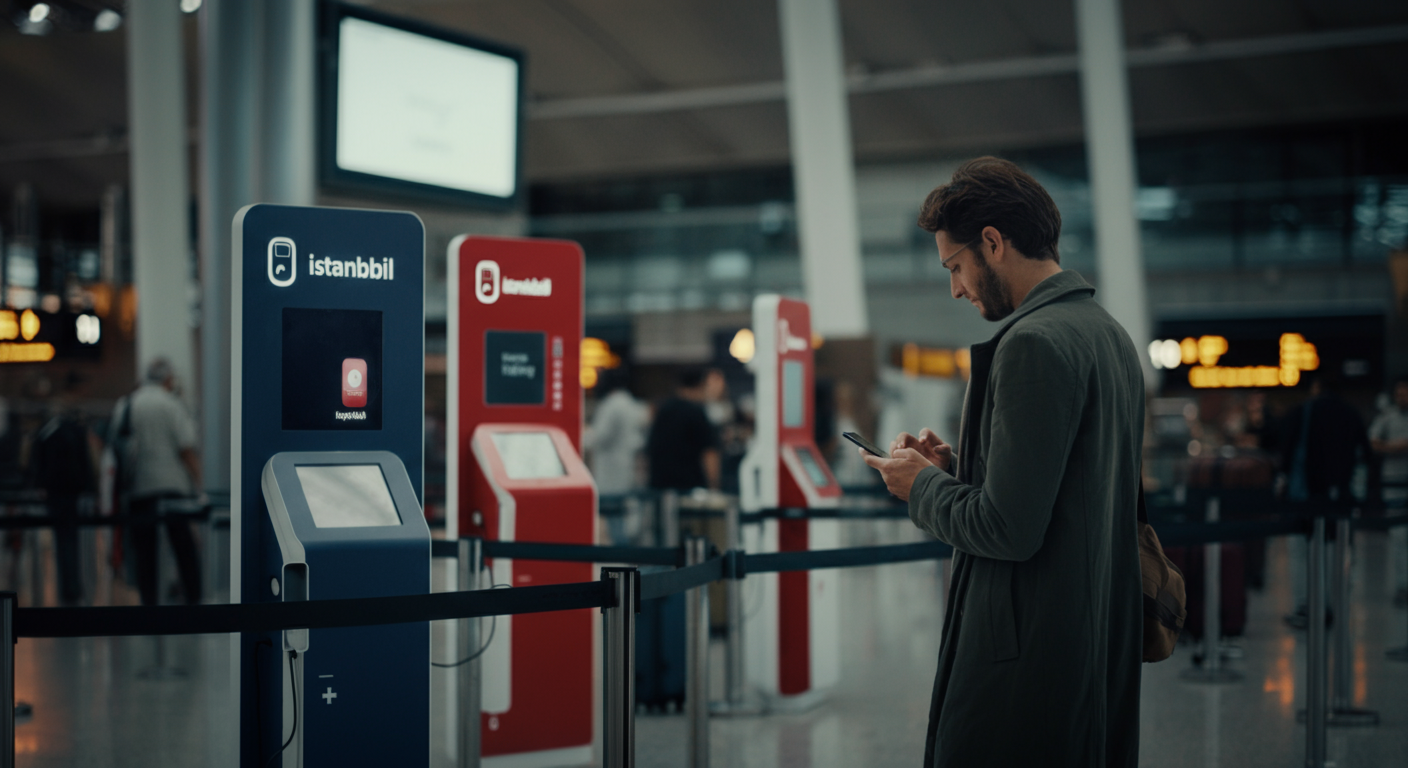
If your phone supports eSIM, an international travel eSIM is often the least hassle:
- Buy online, scan a QR code, and land with data working.
- Keep your UK SIM for calls and banking SMS; use eSIM only for data.
- Typical validity: 5, 7, 10 or 30 days, with fixed data bundles.
UK-friendly tip: In your phone settings, rename your lines to “UK number” and “Turkey data” so you don’t accidentally use the wrong one while booking taxis from Konyaaltı Beach or checking menus near Bodrum Marina.
2. Where to Buy SIMs: Airports vs City Streets
Airport kiosks
You’ll usually find SIM desks just after customs in:
- Istanbul Airport (IST) and Sabiha Gökçen (SAW).
- Antalya (AYT), Dalaman (DLM) and Bodrum-Milas (BJV).
They are ideal if you land late or need navigation immediately, but packages are often more expensive and less flexible than those in town.

City-centre mobile shops
For better value and more choice, buy in town the same day or next morning:
- Istanbul: Sultanahmet (around Sultanahmet and Gülhane tram stops) and Taksim/İstiklal area.
- Antalya: Kaleiçi side streets, Güllük Caddesi, streets near MarkAntalya.
- Bodrum: Atatürk Caddesi strip and lanes towards the harbour.
- Fethiye: near Çarşı Caddesi, Fethiye Kordon (seafront) and the otogar.
3. Typical SIM & eSIM Costs for UK Holidaymakers
Prices change with the lira and promotions, so treat these as broad ranges and always check locally or on official sites.
For a 7–10 day trip
- Light user (maps, messaging, light browsing):
- 8–12 GB: often in the region of £10–£18 equivalent.
- Average user (maps, social media, some video):
- 15–25 GB: commonly around £18–£30 equivalent.
For longer or heavier use
- Heavy data (video calls, frequent uploads, streaming): choose packages above 25 GB and lean on accommodation Wi‑Fi.
- Workations of 3–4 weeks in Bodrum or Fethiye: many travellers combine a generous data SIM with strong flat Wi‑Fi as the main connection.
Simple rule: For a two-week coast holiday between Antalya, Kaş and Fethiye, a 20–30 GB package is usually comfortable for maps, social media and some streaming, especially if you use hotel Wi‑Fi in the evenings.
4. eSIM vs Physical SIM: Which Fits Your Trip?
eSIM advantages
- No shop visit; set up before leaving the UK.
- Keep your UK SIM for calls and SMS (e.g. bank codes).
- Easy to top up or extend in an app.
eSIM drawbacks
- Usually data only – no local Turkish number.
- Support is online rather than in a local shop.
Physical SIM advantages
- Comes with a Turkish number (useful for some local bookings).
- In‑person help in shops on streets like Kıbrıs Şehitleri Caddesi (Izmir) or Güllük Caddesi (Antalya).
Physical SIM drawbacks
- Passport registration takes time in busy shops.
- Small plastic SIM needs swapping; keep your UK SIM somewhere safe.
UK-friendly tip: Many travellers use an eSIM for data and keep their UK SIM active in the same phone. If you need a Turkish number (for some restaurant deliveries or local services), consider a physical SIM instead.

5. Coverage & Real-World Performance
Coverage is generally solid in cities, resorts and along main roads like the D400 coastal highway between Antalya and Fethiye. Expect decent 4G (and sometimes 5G) speeds in:
- Istanbul: Sultanahmet, Taksim, Beşiktaş, Kadıköy, Şişli, Levent.
- Antalya: Kaleiçi, Konyaaltı, Lara, around MarkAntalya and Antalya Otogar.
- Bodrum Peninsula: Bodrum town, Gümbet, Bitez, Turgutreis.
- Fethiye region: Fethiye centre, Çalış Plajı, Ölüdeniz beachfront.
Coverage can thin out:
- On mountain roads (e.g. up to Babadağ above Ölüdeniz).
- In small coves between Kaş and Kalkan.
- Inside some thick-walled buildings in Kaleiçi and Sultanahmet.
For driving directions, walking routes and restaurant searches, coverage in main tourist zones is generally reliable.
6. Data Management & Using Wi‑Fi
Reducing data use
- Download offline maps (Turkey or individual cities) before flying.
- Turn off auto‑play videos and automatic cloud photo backups on mobile data.
- Restrict background data for streaming-heavy apps.
- Use Wi‑Fi in your accommodation for big uploads and streaming.
Many UK visitors manage 1–2 weeks comfortably on 10–20 GB when using Wi‑Fi for heavy tasks.

Where you’ll find Wi‑Fi
- Cafés & restaurants: common on the seafront at Çalış Plajı, along Izmir’s Karşıyaka sahil bandı and near Güllük Caddesi in Antalya.
- Beach clubs: especially around Gümbet, Yalıkavak Marina area and Kaş harbour.
- Shopping centres: e.g. Forum Istanbul, MarkAntalya, Oasis Bodrum.
- Coaches: many intercity buses from Antalya Otogar or Istanbul Esenler Otogar offer basic Wi‑Fi.
7. Local Transport, Maps & Everyday Use
Dolmuş and local buses
Dolmuş (shared minibuses) are cheap and common; data helps you follow routes:
- Antalya: dolmuş between Konyaaltı Beach, city centre and Lara often run via Adnan Menderes Bulvarı and Güllük Caddesi.
- Bodrum: dolmuş to Gümbet, Bitez, Ortakent leave near the otogar just off Atatürk Caddesi.
- Fethiye: minibuses from Fethiye centre along Ölüdeniz Caddesi to Ölüdeniz beach and Belcekız Plajı.
Take screenshots of routes while on Wi‑Fi (e.g. in a café on İstiklal Caddesi) so you can still see them if mobile data dips.
Food and culture with your phone
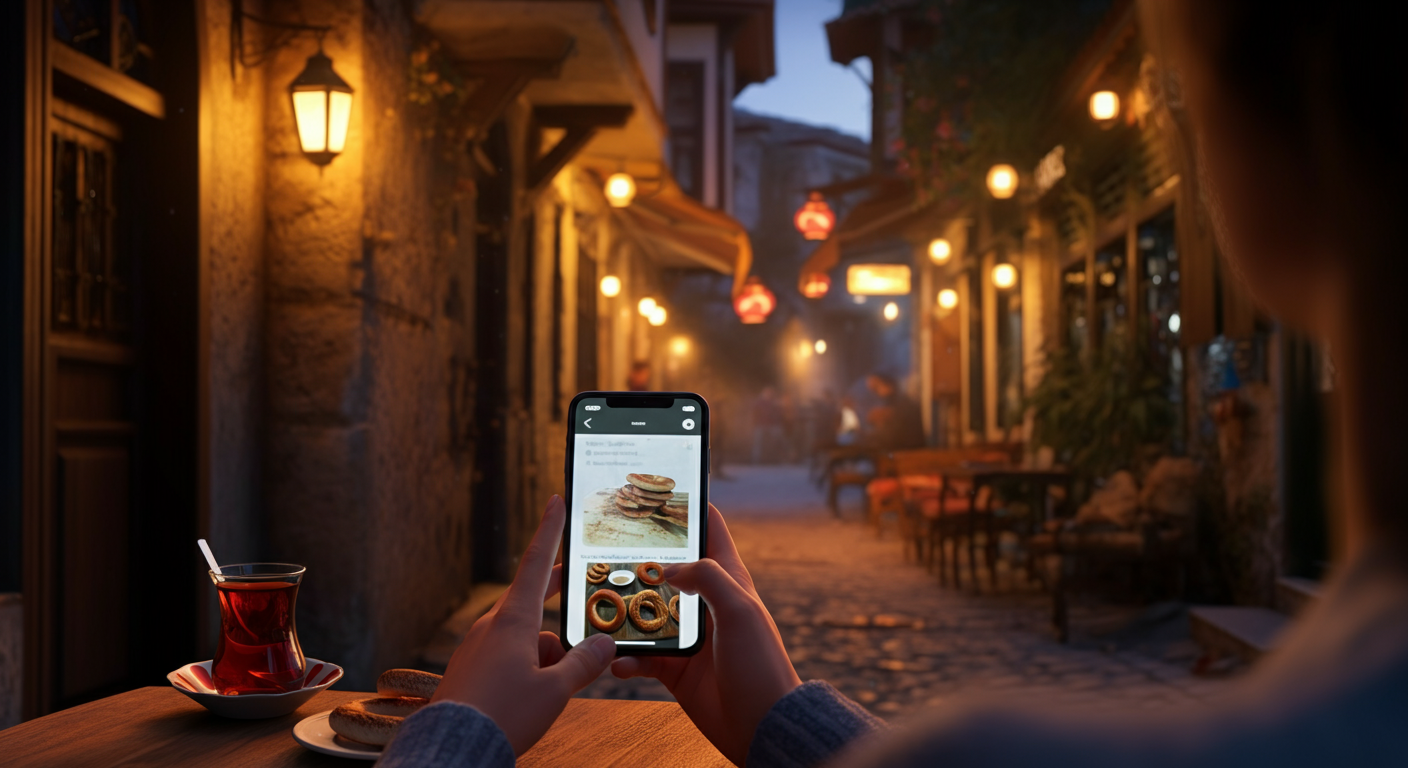
- Use translation apps to order simit (sesame bread rings) from street sellers on Bağdat Caddesi or fresh pide in a lokanta off Güllük Caddesi.
- Check reviews for meze places near Kaş harbour or breakfast spots in Izmir’s Karataş district.
- Look up ferry times from Kadıköy İskelesi or buses from Fethiye Otogar to nearby beaches.
Simple rule: Save your accommodation address, nearest tram stop (e.g. Gülhane) and a nearby pharmacy as favourites in your maps app.
8. Security, Regulation & Top-Ups
Device (IMEI) rules in brief
- Using a foreign phone with a Turkish SIM beyond a certain period (often around three months, though this can change) may require official IMEI registration and a fee.
- Typical UK holidays of 1–3 weeks are usually far below this threshold.
- If you plan to stay several months, check current IMEI rules on official Turkish government websites before relying on a local SIM.
Paying and topping up
- Payment: cards widely accepted in operator shops on main streets; small kiosks may prefer cash in lira.
- Receipts: always get a receipt with your Turkish number and package name.
- Top-ups:
- In operator shops or small markets (bakkal) showing network logos.
- Via apps or websites, sometimes with international cards.
9. Example Setups for Common UK Trips
Istanbul city break (4–7 nights)
- Areas: staying near Sultanahmet or Galata.
- Use: walking directions between Sultanahmet, Eminönü and Galata, restaurant searches in Karaköy, some social media.
- Setup: a 10 GB eSIM activated pre‑departure or a small tourist SIM bought around Sultanahmet or on İstiklal Caddesi.
Two-week Turquoise Coast holiday
- Route: Antalya – Kaş – Fethiye – Dalyan along the D400.
- Use: navigation to beaches like Kaputaş, booking boat trips from Kaş harbour, messaging, streaming in the evenings.
- Setup: a 20–30 GB Turkish SIM from a shop near Kaleiçi or Antalya Otogar, plus accommodation Wi‑Fi.
3–4 week workation in Bodrum or Fethiye
- Base: flat near Bodrum Marina or Fethiye Kordon.
- Use: regular video calls, cloud documents, streaming.
- Setup: large data SIM from a shop on Atatürk Caddesi (Bodrum) or Çarşı Caddesi (Fethiye), using home Wi‑Fi as main connection and SIM as backup.
10. Quick FAQ
Do I really need a Turkish SIM?
If your UK roaming rates for Turkey are high and you use maps and data daily, many travellers find a Turkish SIM or eSIM more economical. For very light use and strong hotel Wi‑Fi, careful UK roaming can be enough.
Is eSIM reliable for the whole holiday?
With a reputable travel eSIM provider and a modern phone, eSIM is typically reliable for 1–3 week trips. It uses local partner networks, so coverage is similar to a local SIM in most tourist areas.
How much data do I need for 2 weeks?
Most UK visitors are comfortable with 15–25 GB for two weeks if they use Wi‑Fi for streaming and big uploads. Increase this if you plan daily video calls or heavy social media use on mobile data.
Can I tether my laptop to my Turkish SIM?
Often yes, but it depends on the package. Ask in the shop whether hotspot use is included on that tariff or check your eSIM provider’s terms.
Is public Wi‑Fi safe?
It is widely used in cafés, hotels and beach clubs, but for banking and sensitive accounts it is safer to use mobile data or a VPN.
- How to Use Public Transport & Travel Cards in Istanbul
- First-Time Guide to Antalya’s Coast for UK Travellers
- Money, ATMs & Card Payments in Turkey for UK Visitors
Content available in English only.

Selin Aktaş
Editör"Ege köylerine ve butik otellere olan tutkusuyla tanınan Selin, 10 yılı aşkın süredir Türkiye'nin gizli kalmış rotalarını keşfediyor."
Guides About
Istanbul Public Transport Guide: Istanbulkart, Metro, Tram & Ferry Explained
İstanbul'da ulaşım karmaşasına son verin! İstanbulkart, metro, tramvay, otobüs ve feribot gibi toplu taşıma ağlarını kolayca anlayın.

Best Istanbul Photo Route: 1-Day Viral Shots (Golden Hour & Crowd Strategy)
İstanbul'un en viral fotoğraf noktalarını keşfedin! Boğaz, Galata ve Tarihi Yarımada'da 1 günde, ışık saatleri ve kalabalık stratejileriyle mükemmel kareler yakalayın.

Istanbul Budget Planner: Economical, Balanced & Comfortable Spending Modes Guide
İstanbul gezinizi bütçenize uygun planlayın! Ekonomik, dengeli veya rahat modlarla harcama mantığını keşfederek şehri doyasıya yaşayın.
Istanbul with Kids Guide: Baby & Toddler Checklists | Hot Weather & Rainy Day Plan
İstanbul'da çocukla gezmek artık çok kolay! Bebek/çocuk kontrol listeleri ve öğle sıcağı/yağmur için özel İstanbul gezi planları bu rehberde.

Istanbul Walkable Neighborhoods: 2-3 Hour Walking Routes & Map Guide
İstanbul'un en güzel semtlerini yürüyerek keşfedin! Tarihi yarımada ve Boğaz çevresindeki 2-3 saatlik mini rotalarla şehri deneyimleyin.

Istanbul Mosque Guide for Tourists: Dress Code, Photography & Prayer Times
İstanbul camilerini ziyaret edecek turistler için giyim, saat ve fotoğraf kuralları rehberi. Cami ziyaretinizden önce bilmeniz gereken tüm detayları basitçe öğrenin.

Istanbul Travel Tips: Avoid Scams & Surprises (Taxis, Restaurants, Tours)
İstanbul'da taksi, menü ve tur sürprizleri yaşamadan güvenle gezmek için basit kuralları keşfedin. Dolandırılmadan keyifli bir İstanbul deneyimi için ipuçları burada.
Istanbul Evening Guide: Safe & Fun Activities & Plans for Families, Couples & Solo Travelers
İstanbul'da akşam ne yapılır? Aile, çift veya tek kişi için Boğaz turu, tarihi mekanlar ve güvenli eğlence seçenekleriyle dolu rehberimizi keşfedin.
Istanbul Rainy Day Itinerary: Indoor Museums, Bazaars & Cafes
İstanbul'da yağmurlu havalarda sıkılmayın! Müzeler, tarihi çarşılar ve şirin kafelerle dolu kapalı mekan rotalarıyla keyifli bir gün geçirin.

Istanbul Sunset Spots: Crowd-Free Hours & Best Sunset Walk Routes
İstanbul'da kalabalıktan uzak gün batımı noktaları ve Boğaz'da eşsiz sunset walk rotalarıyla şehrin büyüsüne kapılın.
Istanbul 1-Day Itinerary: Europe to Asia Route (Hour-by-Hour & Walking Guide)
İstanbul'da bir günde Avrupa'dan Anadolu'ya geçiş rotasını keşfedin! Saat saat planlanmış bu eşsiz gezi rehberiyle iki kıtayı yürüme seviyenize göre deneyimleyin.

Sabiha Gökçen (SAW) to Istanbul Transfer: Easiest Options Guide
Sabiha Gökçen (SAW) havalimanından İstanbul şehir merkezine en kolay ulaşım (metro, Havabüs, taksi) seçeneklerini ve saatinize göre en mantıklı yolu keşfedin.

Istanbul Airport (IST) Transfer Guide: Taxi, Metro, or Private for Late Night Arrivals
İstanbul Havalimanı (IST) gece varışı için taksi, metro veya özel transfer mi? İstanbul'a en hızlı ve konforlu ulaşım seçeneğini keşfedin.

Istanbul Public Transport Guide: Metro, Tram and Ferry Logic
İstanbul'da ulaşımı çözün! Turistler için İstanbulkart nasıl alınır, T1 Tramvay, M2 Metro ve vapur kullanımı, taksi tuzaklarından korunma rehberi.

First Time in Istanbul: 3–5–7 Days Ready Itinerary
İstanbul'u yorulmadan ve kaybolmadan gezmek isteyenler için saat saat planlanmış, en verimli 3 günlük, 5 günlük ve 7 günlük hazır turistik gezi rotası.

Where to Stay in Istanbul? Area & Base Selection Guide
İstanbul'da ilk kez nerede kalınır? Sultanahmet, Karaköy, Taksim, Beşiktaş ve Kadıköy bölgelerinin detaylı, artı-eksi analizli, ulaşım odaklı konaklama rehberi.

Best Instagram and Photo Spots in Fethiye Route
Ultimate Fethiye Instagram and photography SEO guide list. Find the best spots: Butterfly Valley viewpoint cliff, Babadag glass terrace, and Ghost Town.

Fethiye Budget Planner: Travel Costs and Saving Tips
Ultimate SEO Fethiye holiday budget planner. Is Fethiye expensive? Guide to food prices, transport, boat trips, and saving tips for smart travelers.

Fethiye with Kids: Family Holiday Travel Guide
Ultimate family SEO travel guide to Fethiye with kids and toddlers. Best shallow beaches, stroller-friendly hotels, and safe family boat trips listed.
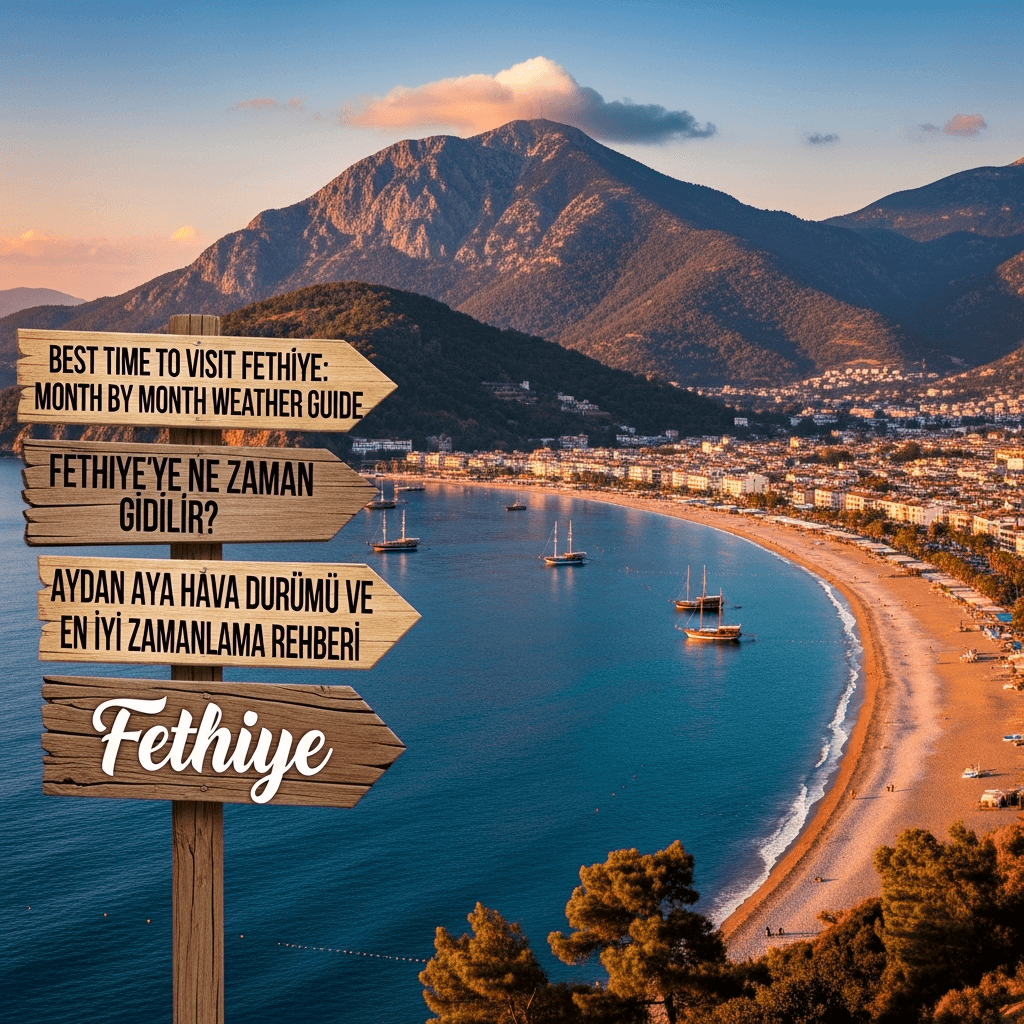
Best Time to Visit Fethiye: Month by Month Weather Guide
When is the best time to go to Fethiye? Detailed SEO weather guide month by month. Summer peaks, autumn sea temperatures and spring trekking tips.
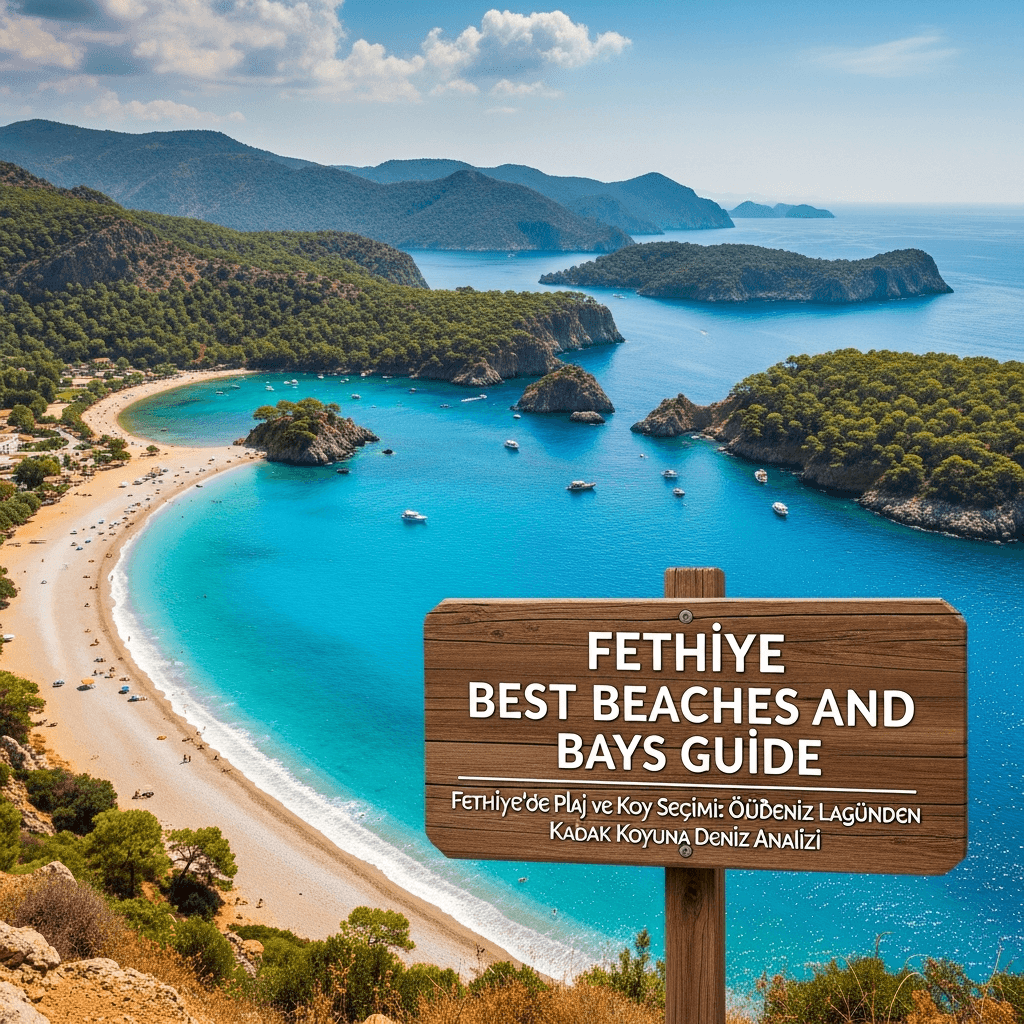
Fethiye Best Beaches and Bays Guide
Comprehensive SEO guide to Fethiye's best beaches. Compare Blue Lagoon, Belcekiz pebbles, Calis beach wind, and hidden Kidrak/Kabak bays.
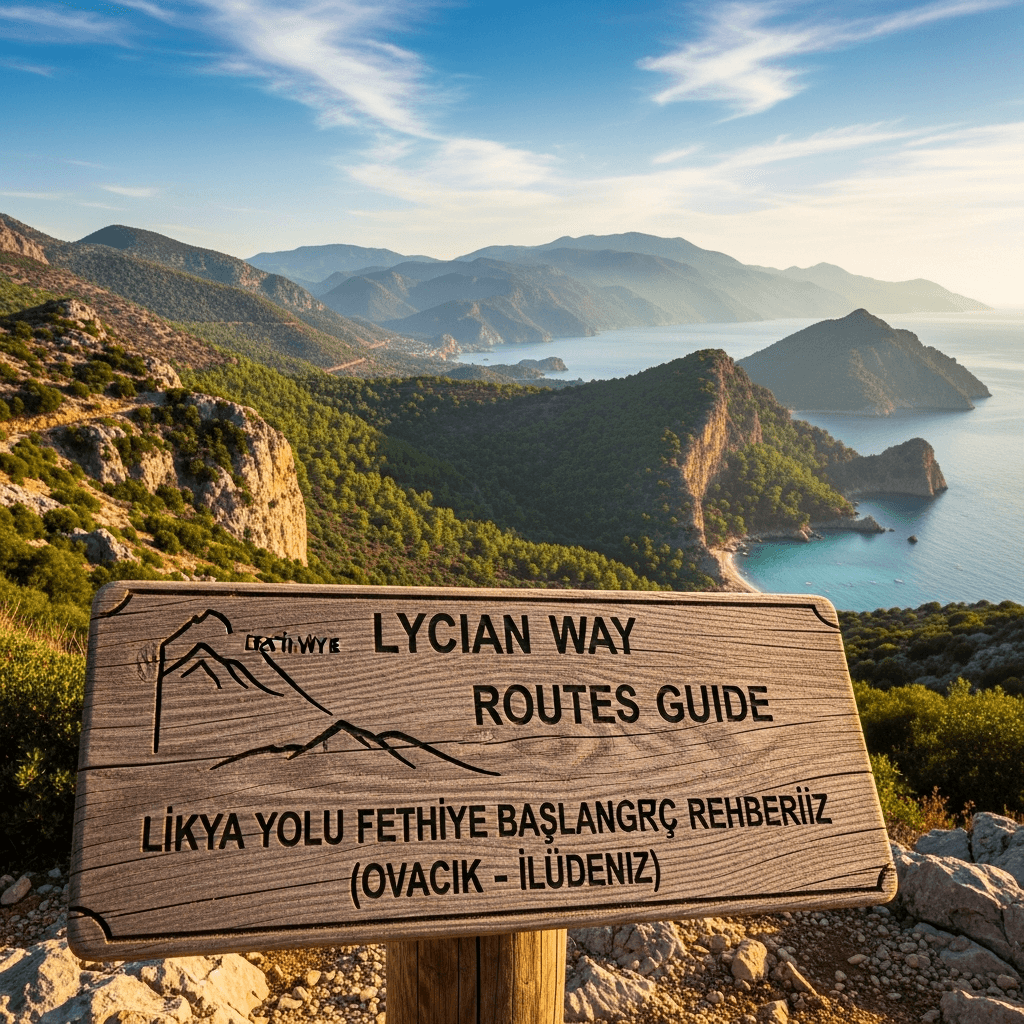
Lycian Way Fethiye Routes Guide
Ultimate Guide to starting the Lycian Way from Fethiye (Ovacik, Faralya, Kayakoy). Daily hiking routes, trails, maps, and offline tips with full SEO tables.
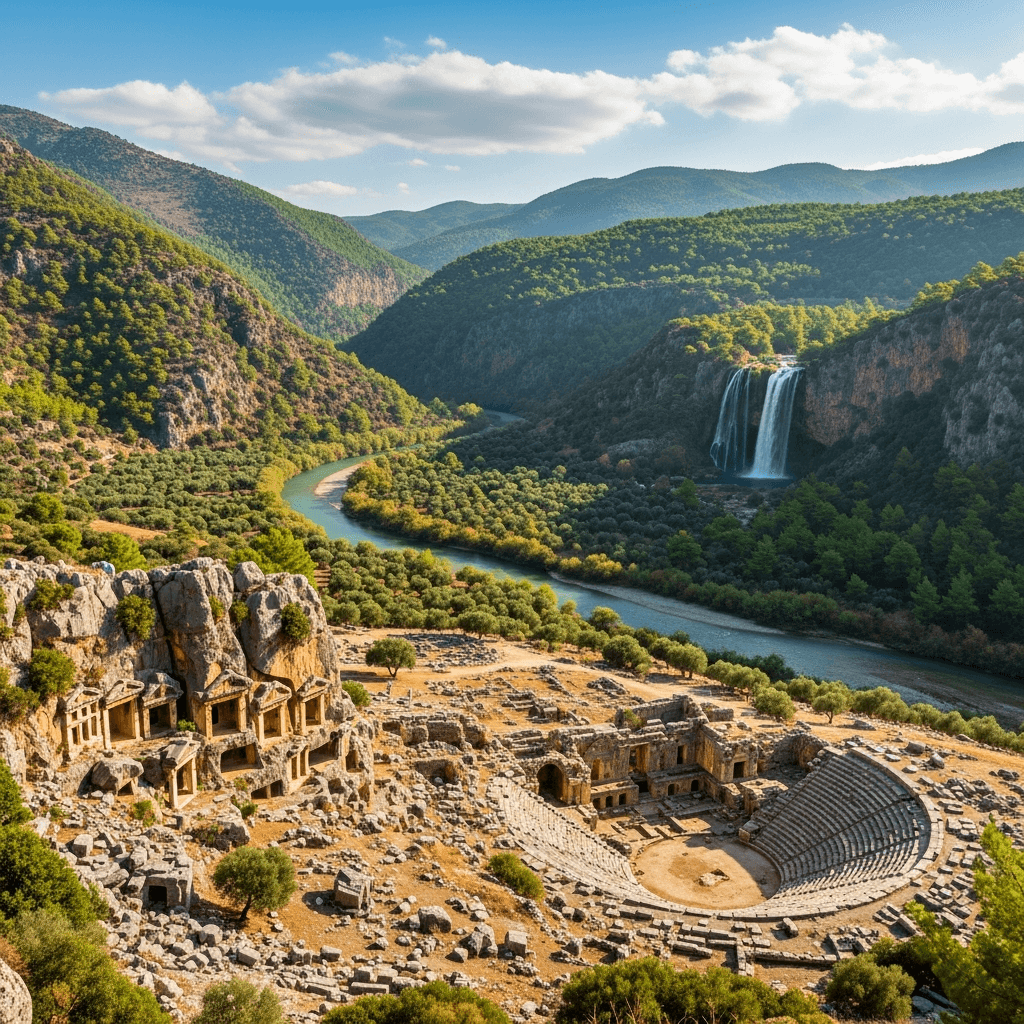
Tlos Ancient City & Yakapark Day Trip Guide
Ultimate Fethiye day trip SEO guide: Morning at Tlos Ancient City and Lycian rock tombs, afternoon lunch at Yakapark waterfalls, and Saklikent alternatives.
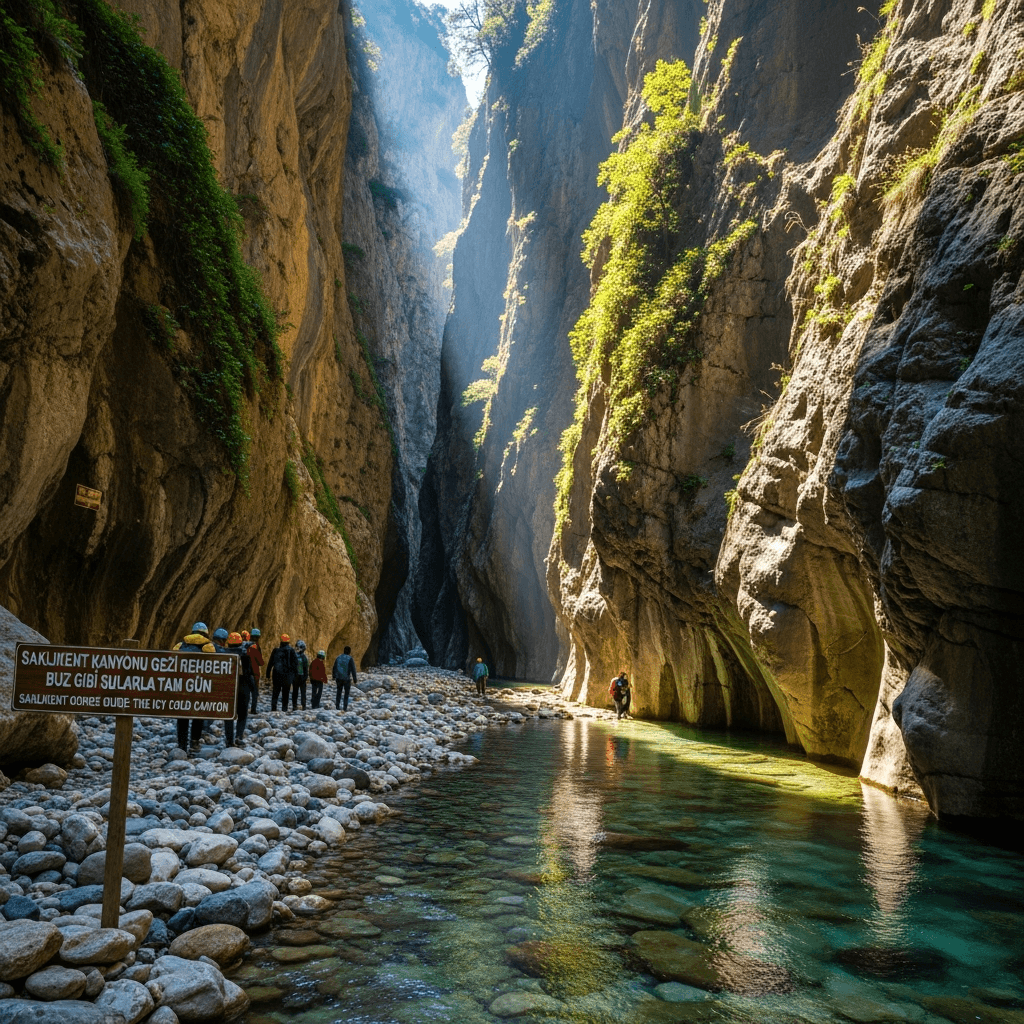
Saklikent Gorge Guide: The Icy Cold Canyon
Ultimate SEO guided Fethiye Saklikent Gorge and Canyon travel guide. Tips for hiking the icy river, mud baths, and comparing Gizlikent Waterfall.
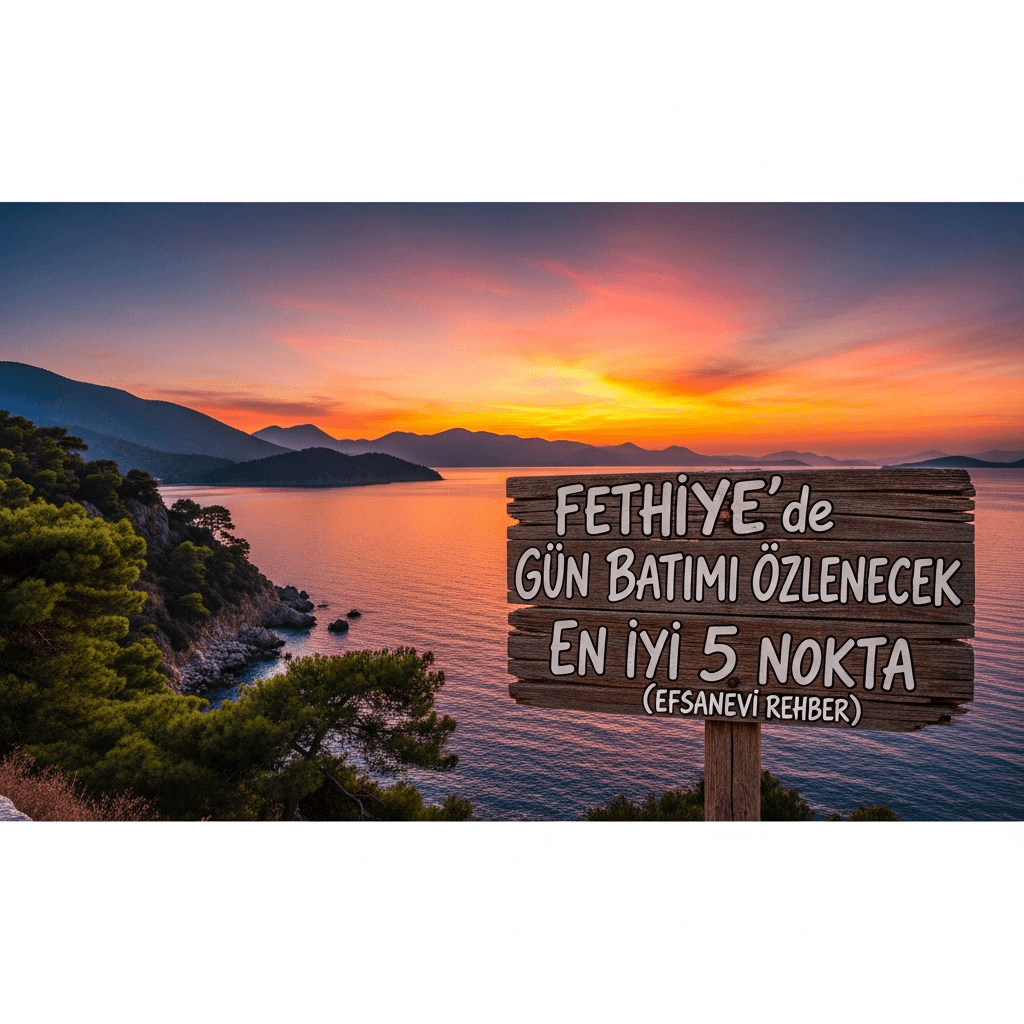
Best 5 Sunset Spots in Fethiye
Where to watch the best sunset in Fethiye? Detailed SEO guide for Calis beach, Babadag 1700m, and Sovalye island sunsets with tables and tips.
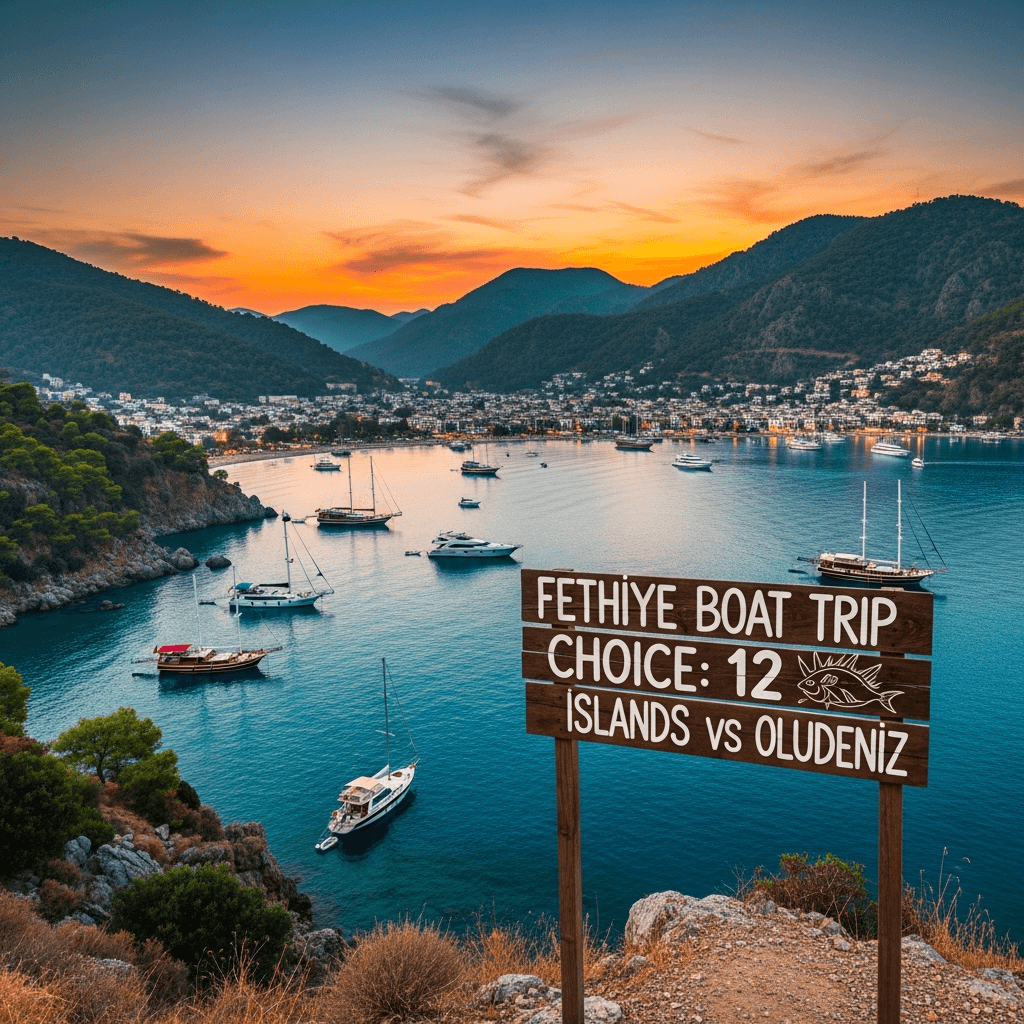
Fethiye Boat Trip Choice: 12 Islands vs Oludeniz
Ultimate comparison between the 12 Islands Boat Trip and the Oludeniz Butterfly Valley boat tour. Detailed SEO travel guide with tables and tips.
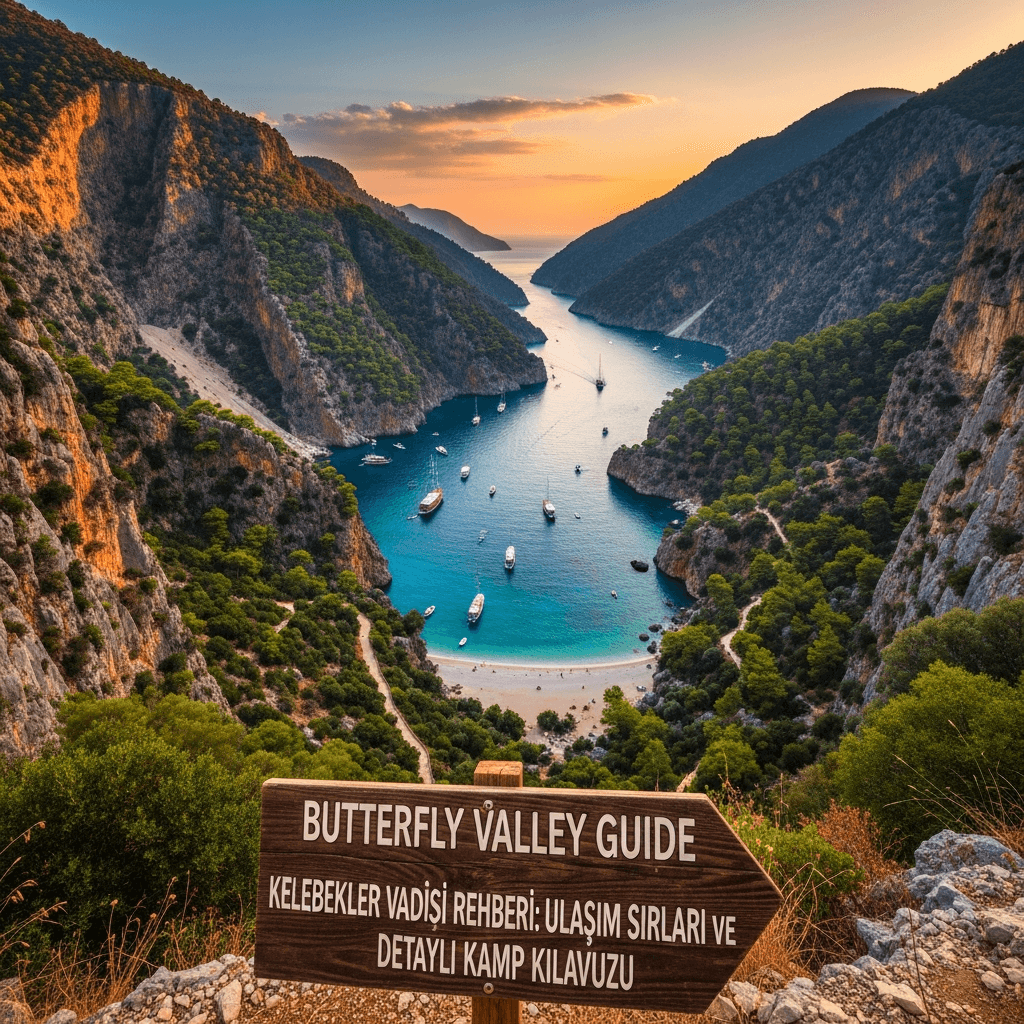
Butterfly Valley Guide
Ultimate SEO guided Fethiye Butterfly Valley travel guide. How to get there by boat or hike, best camping spots, and waterfall trekking tips.
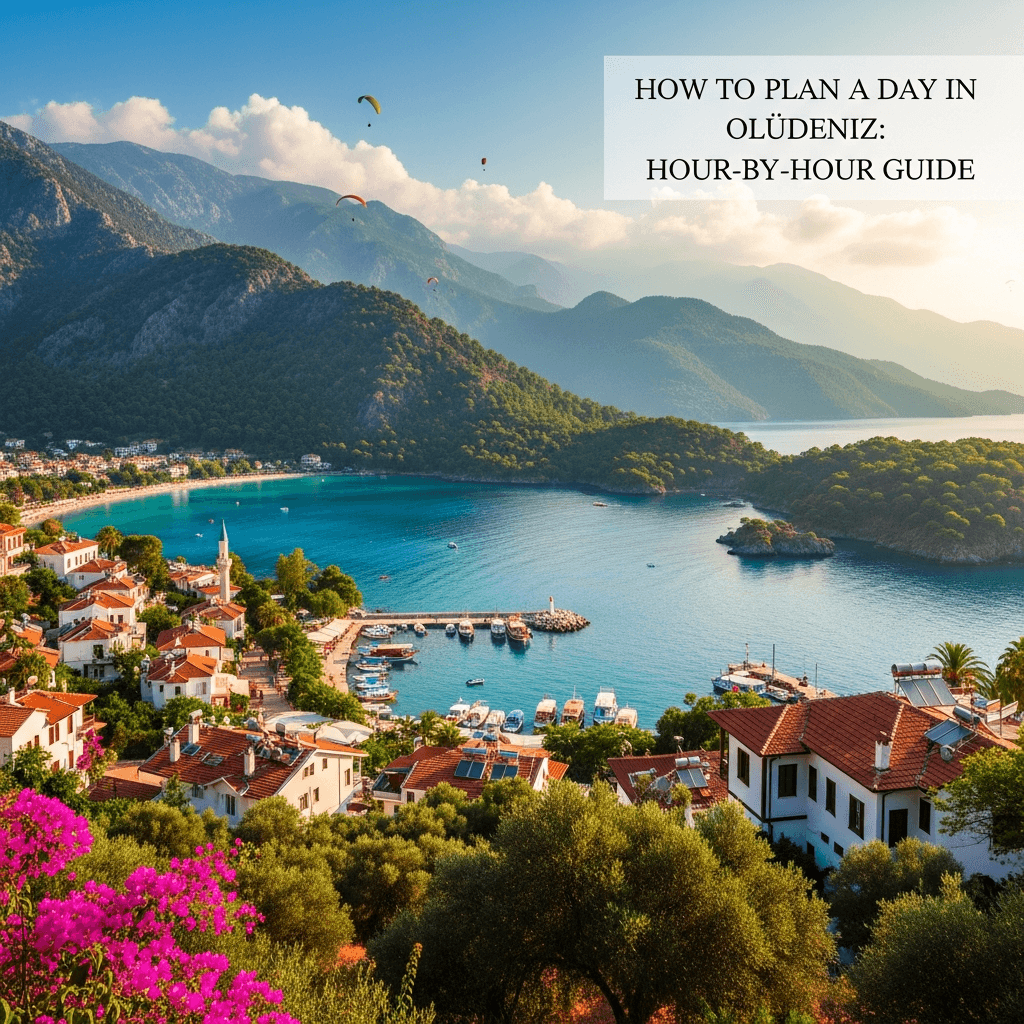
How to Plan a Day in Oludeniz: Hour-by-Hour Guide
An hour-by-hour itinerary for visiting Oludeniz, Kumburnu Blue Lagoon, Belcekiz beach, and the Babadag cable car. Essential tips for your holiday.
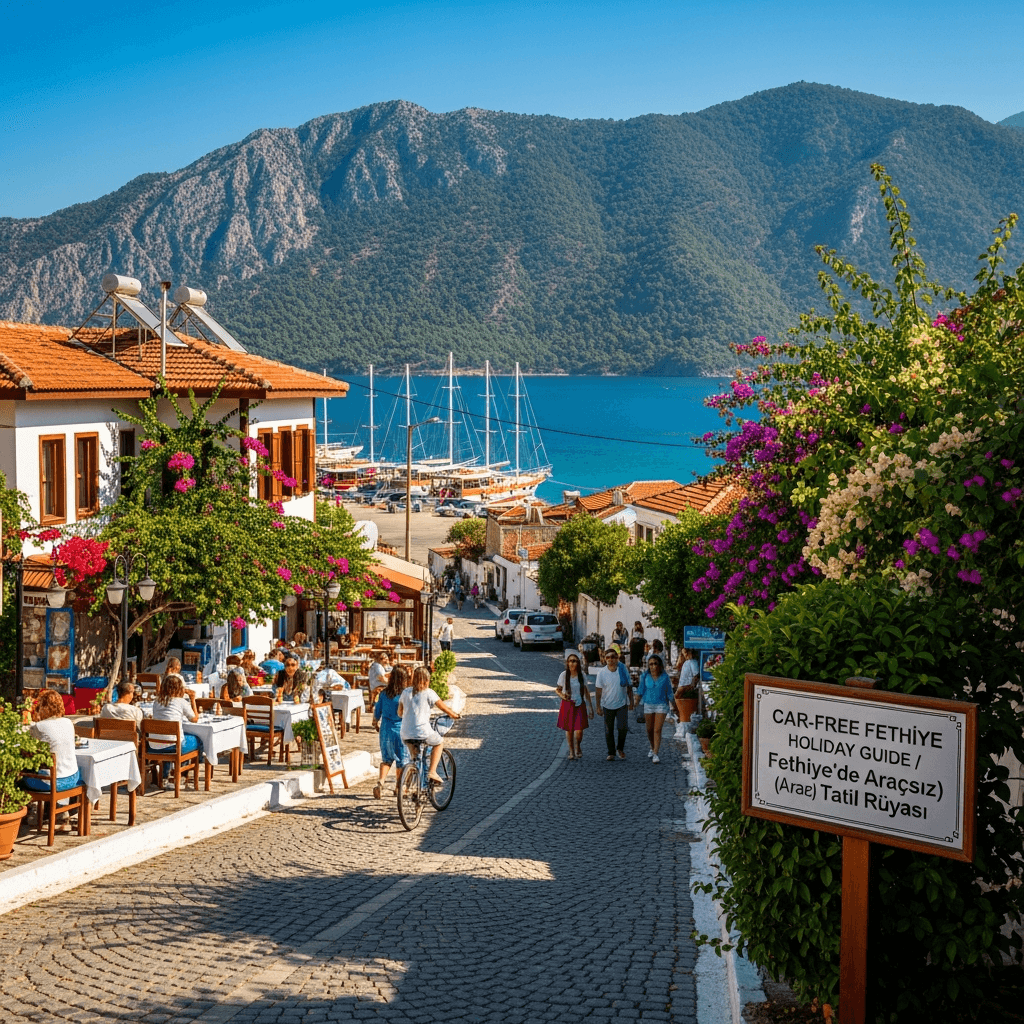
Car-Free Fethiye Holiday Guide
Discover how to enjoy a completely car-free holiday in Fethiye. Full transportation guide including water taxis, local dolmus, and walking trails.
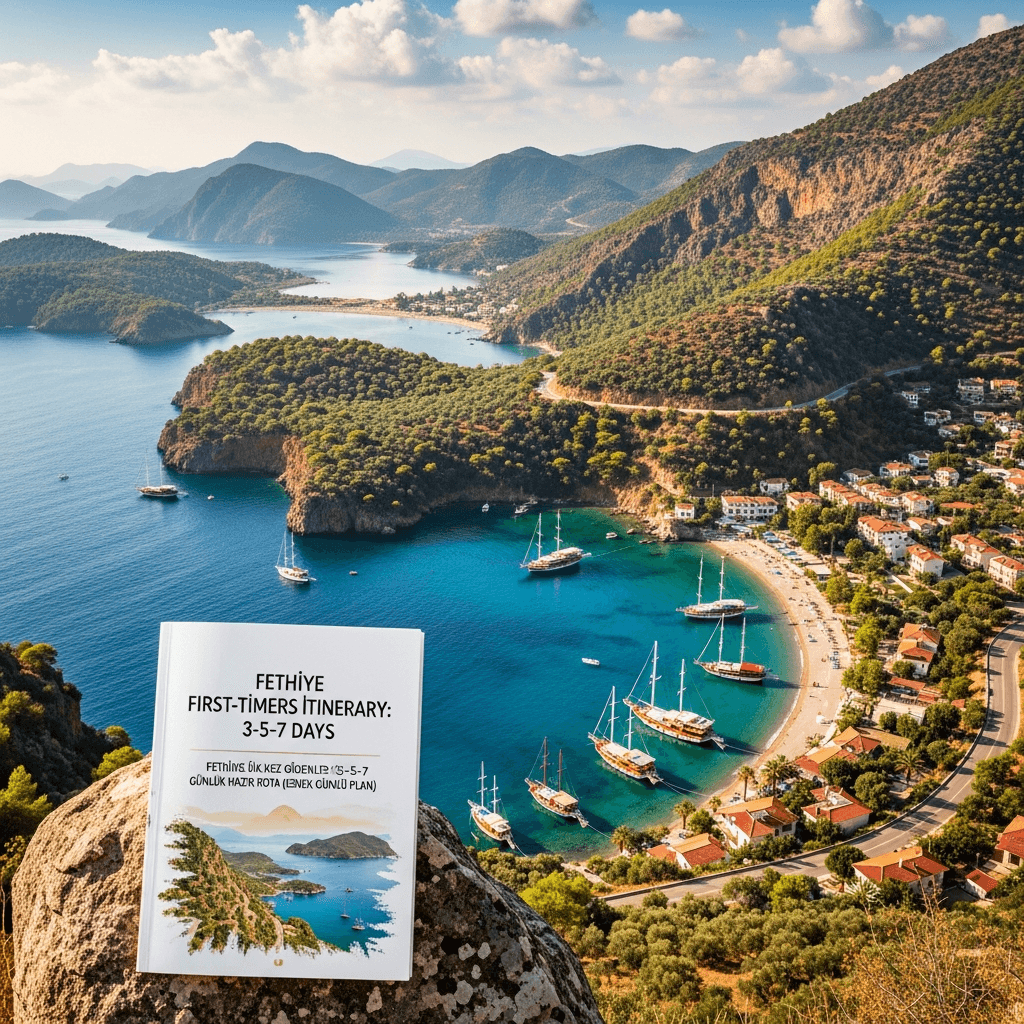
Fethiye First-Timers Itinerary: 3-5-7 Days
An optimized and flexible 3, 5, or 7-day itinerary for your first visit to Fethiye. Unmissable spots like Oludeniz, Saklikent Gorge and Babadag.
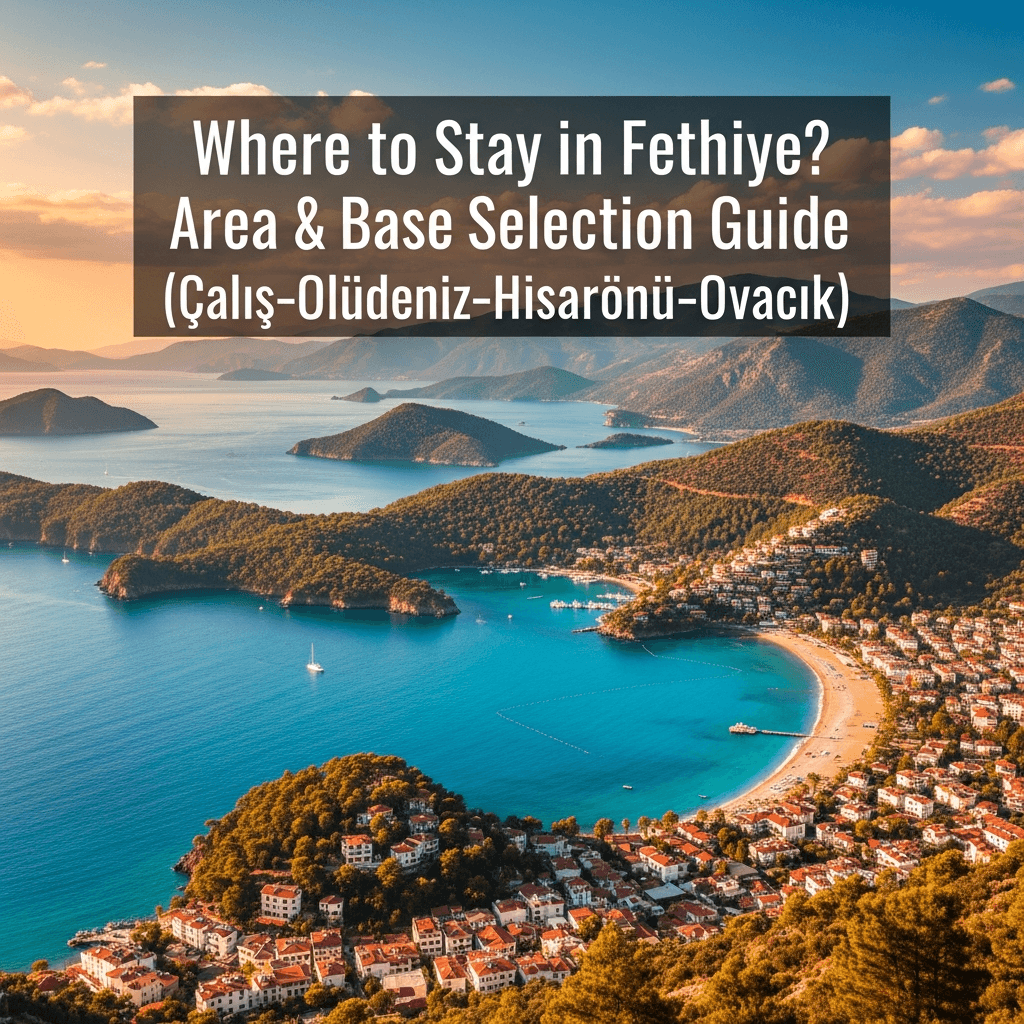
Where to Stay in Fethiye? Area & Base Selection Guide
Where to stay in Fethiye, Turkey? An extensive area-by-area guide choosing between Calis Beach, Oludeniz, Hisaronu, Ovacik and the Town Center.
Did you find this guide helpful?
Check out our other guides to discover more hidden gems in .
Explore All Guides