Hidden Costs in Turkey Resorts: Guide for UK Travellers to Avoid Bill Shock
Clear, UK-focused guide to hidden costs in Turkey’s resort areas. Learn what often surprises UK travellers and how to budget smartly for your Turkish holiday.
Hızlı Özet
- • best places to visit
- •Local restaurant and cafe recommendations
- •Accommodation options and price ranges
- •Transportation info and tips
Table of Contents
Hidden Costs in Turkey Resorts: Guide for UK Travellers to Avoid Bill Shock
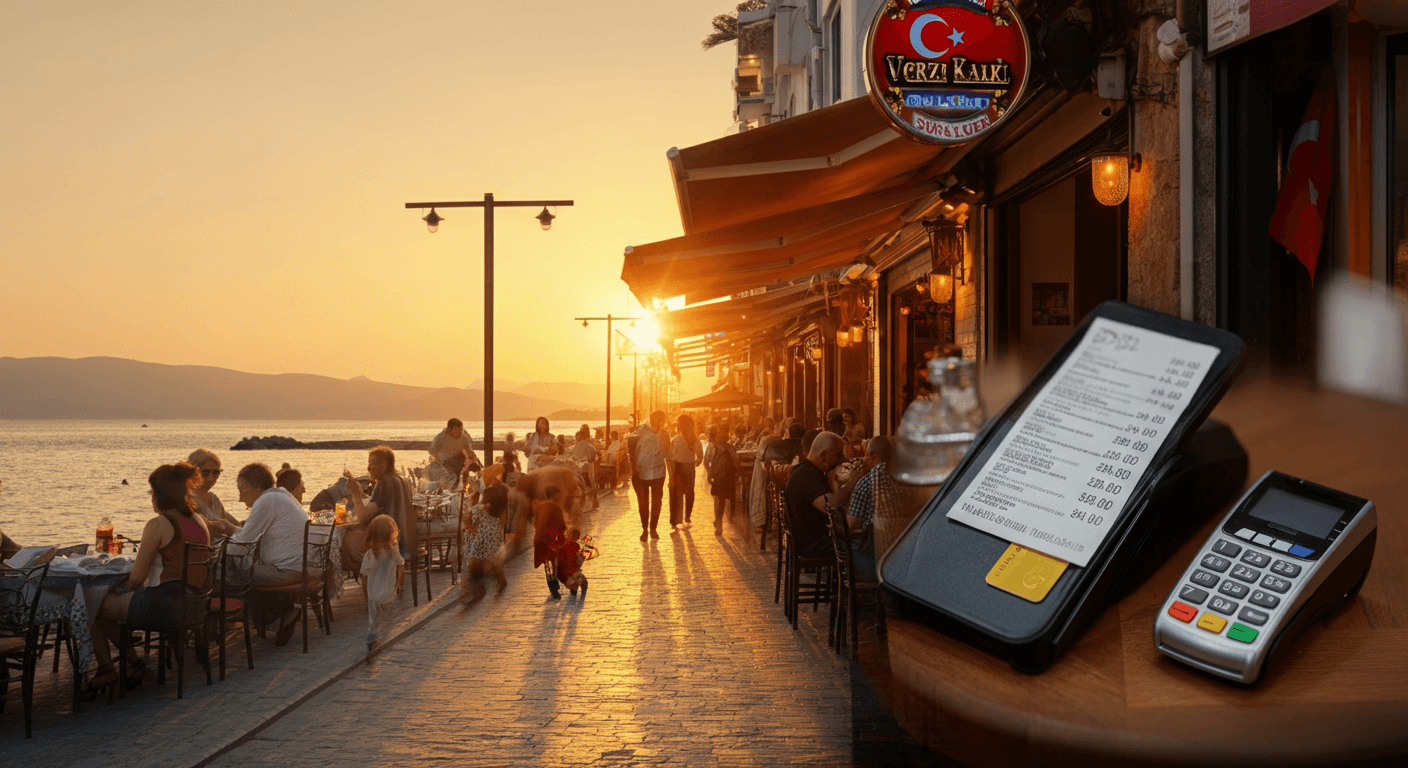
- Many Turkish resort areas add a service charge of 5–12% on restaurant and bar bills, especially along busy promenades and marinas.
- Extras at all-inclusive resorts often include premium imported drinks, à la carte restaurants, and some activities – budget £10–£30 per person per day if you like upgrades.
- Sunbeds, parasols and beach clubs on central beaches in places like Gümbet, Lara and Ölüdeniz lagoon often charge 150–600 TL per day depending on location and season.
- Airport transfers, resort taxis and dolmuş are usually good value, but late-night taxis from areas like Bar Street in Marmaris can be noticeably more expensive.
- Cash vs card: Card is widely accepted, but some smaller shops and beach kiosks in side streets may prefer cash and give prices in euros; always ask for the total in Turkish lira.
- Excursions (boat trips from Bodrum harbour, jeep safaris near Fethiye, water parks around Antalya) often have onboard or on-site add-ons not included in the advertised price.
- Exchange rates and ATM fees can add up; many travellers lose money using dynamic currency conversion. Always choose to pay in local currency (TRY).
Hidden costs in Turkish resorts typically appear in places like beach clubs, all-inclusive upgrades, service charges on marina-front restaurants, and small extras on excursions, taxis and currency exchange. With a bit of planning and a few local habits, you can usually keep these surprises under control and avoid turning a good-value holiday into an unexpectedly expensive one.
Introduction: Why Hidden Costs Catch UK Travellers Out
Turkey is often seen as a good-value holiday destination for UK visitors, but resort areas from Antalya to Bodrum have become more sophisticated, and so have the ways extra costs appear. The issue is rarely outright trickery; it is more often about different customs, currencies and pricing structures than you may be used to in the UK.
This guide focuses on practical details – specific resort areas, typical price ranges and Turkish terms you will see on menus and receipts – so you can plan a realistic budget and feel in control when you arrive.
1. All-Inclusive & Resort Concepts: What Is Not Really Included
Accommodation in Turkish coastal areas often uses terms like all-inclusive, ultra all-inclusive or half-board. The name can be misleading if you assume it covers everything.
1.1 Typical extras at all-inclusive resorts
Across popular areas such as Lara Beach (Antalya), Konyaaltı, Gümbet (Bodrum), İçmeler (near Marmaris) and Calis Beach (Fethiye), UK visitors often pay extra for:
- Imported spirits and premium drinks – local beer, wine and basic spirits are usually included, but premium whisky, branded gin and some cocktails can carry a 30–60% mark-up over local drinks.
- Freshly squeezed juices and special coffees – especially at pool bars or beachfront snack bars; expect 80–200 TL per drink in resort zones.
- À la carte restaurants – even at ultra all-inclusive bases along Lara Beach and Kundu Road, reservations may require a per person cover charge or a minimum spend.
- Room service – typically charged separately, sometimes with a service tray fee.
- Spa and Turkish bath – basic use of indoor pools might be free, but hammam rituals, massages and treatments usually come with hotel-level prices.
Simple rule: Ask at check-in for a printed or digital list of what is included and what is extra in your board basis – and keep a photo of it on your phone.
1.2 Time limits and mini-bar surprises
In resorts around Side, Belek and Kemer, “all-inclusive” drinks are often only available between set times, for example:
- Main restaurant drinks: during meal times only.
- Lobby bar: 10:00–23:00 included; later is chargeable.
- Beach bar: beer and soft drinks free, cocktails extra.
Mini-bars in rooms along coastal strips like Atatürk Bulvarı in Alanya may offer:
- One-time free soft drinks on arrival, but replenishment is chargeable.
- Priced snacks and chocolate bars; the price list is sometimes in the room folder, not on the mini-bar itself.
Many large resort complexes east of Antalya on the coastal road between Lara and Belek use wristband colours to show your package level. If you are staying with family or friends on different packages, check whose drinks and meals are included where, to avoid awkward surprises at bar tills.
2. Eating & Drinking in Resort Areas: Menus, Service Charges and Cover Fees
Food is often excellent value away from the main strips, but in prime locations some extra line items appear on the bill.
2.1 Service charges on restaurant bills
In areas with heavy tourist traffic, such as:
- Bodrum – around Neyzen Tevfik Caddesi and the marina promenade.
- Marmaris – along Uzunyalı Beach Road and Barlar Sokağı (Bar Street).
You may see:
- Service charge / servis bedeli – typically 5–12%.
- Cover charge / kuver – a per person charge for bread, dips and table set-up.
Traditional Turkish bread such as pide or bazlama often arrives without you ordering it. In many family-run places on back streets like Sahil Caddesi in Fethiye this is complimentary, but in busy resort fronts it can be part of the kuver.
UK-friendly tip: Before you sit down, ask: “Kuver var mı? Servis dahil mi?” (“Is there a cover charge? Is service included?”) and check the menu for a note at the bottom.
2.2 Menus in multiple currencies
Along the seafront promenades in places like Didim Altınkum and Alanya Cleopatra Beach, menus sometimes show separate prices in TRY, EUR and GBP. The non-lira price is not always updated as frequently as the lira price.
- Ask staff which currency is the base price.
- If you pay by card, request the bill and payment in Turkish lira and let your bank handle the conversion.
2.3 Drinks costs in bars and clubs
In nightlife zones – especially Bodrum Barlar Sokağı, Kuşadası Bar Street near İnönü Bulvarı and around the Marmaris Marina – prices can rise sharply after midnight:
- Local beer: often 120–220 TL.
- Standard mixed drink: commonly 200–350 TL.
- Shisha (nargile): from 400 TL upward, plus possible service charge.
Some venues add a table fee for front-row seaside or stage-side seating after a certain time; this is usually mentioned near the entrance in Turkish.
When you ask for the bill (“hesap lütfen”), take 20 seconds to scan it line by line. Check for duplicated items, automatic tips, or per-person cover charges. If something looks unfamiliar, politely ask, “Bu nedir?” (“What is this?”). Staff are usually happy to explain and correct mistakes.
3. Beach Costs: Sunbeds, Parasols & Beach Clubs
Many UK travellers expect hotel-provided sunbeds to be free everywhere, which is often not the case once you step onto public or managed beaches.
3.1 Sunbeds and parasols on public beaches
On well-known beaches such as:
- Konyaaltı Beach in Antalya – especially near Akdeniz Bulvarı.
- Gümbet Beach near Bodrum – along Adnan Menderes Caddesi.
- Kleopatra Beach in Alanya – near Damlataş Caddesi.
You will typically find:
- Sunbed + parasol sets at 150–350 TL per person per day on regular stretches.
- Higher prices for front-row positions at central sections.
- Some stretches where beds are free if you order food and drinks from the associated café.
In more exclusive coves around Yalıkavak or Türkbükü on the Bodrum peninsula, or at Ölüdeniz lagoon, beach clubs may charge a daily entrance fee plus higher minimum spends for platform or pier seating.
3.2 Beach club minimum spends
On sections of the coast with jetty platforms and music – like Bitez Sahil Yolu or the more upscale sections of Çeşme’s Ilıca Beach – you may see:
- Entrance fee covering towel and sunbed.
- Minimum spend per person (e.g., equivalent of £15–£30 in Turkish lira).
- Separate towel rental fee if you do not bring your own.
Simple rule: Before sitting down, ask the attendant: “Şezlong ve şemsiye ne kadar? Kişi başı minimum harcama var mı?” (“How much for sunbed and parasol? Is there a minimum spend per person?”).
4. Transport: Taxis, Dolmuş & Airport Transfers
Getting around Turkish resort areas is usually straightforward, but the way prices are calculated can puzzle first-time visitors.
4.1 Taxis in resort areas
In cities and big resort towns there is normally a yellow taxi rank on main streets like:
- Atatürk Caddesi in Marmaris
- Cumhuriyet Caddesi in Bodrum
- Gazi Bulvarı in Antalya
Hidden costs to be aware of:
- Night tariffs – higher rates late at night, especially leaving bar districts.
- Flat rates between resort and airport – these can be convenient but not always the cheapest option.
- Waiting time – stuck in traffic on Atatürk Bulvarı in Antalya or approaching Bodrum marina, the meter ticks up even when stationary.
UK-friendly tip: Ask “Tahmini ne kadar tutar?” (“Approximately how much will it cost?”) before you get in, and ensure the meter is switched on.
4.2 Dolmuş: cheap but know the route
The dolmuş (shared minibus) system is usually very economical and widely used by locals. Useful examples:
- Bodrum – Gümbet – Bitez dolmuşes run from the main station near Cevat Şakir Caddesi and are often cheaper than taxis for short hops.
- Antalya dolmuşes from Meydan and Migros area go to Konyaaltı Beach, Lara districts and shopping centres along Aspendos Bulvarı.
- Fethiye – Ölüdeniz dolmuşes depart from the central minibus station near Atatürk Caddesi.
Extra costs are minor but include:
- Luggage – very large suitcases may incur a small additional charge on some routes.
- Late-night frequency – fewer dolmuşes after around midnight; you may need a taxi instead.
4.3 Airport transfers
Common routes for UK holidaymakers include:
- Dalaman Airport to Marmaris or Fethiye/Ölüdeniz
- Antalya Airport to Lara, Belek, Side or Kemer
- Bodrum-Milas Airport to Bodrum town, Gümbet or Turgutreis
Hidden costs to watch:
- Extra fees for late-night arrival (after a certain hour).
- Separate charge for child seats, if requested.
- Tolls on some routes (usually modest, but can be added on top of the quoted fare).
Many UK travellers use pre-booked Antalya airport transfers to lock in a price in advance and avoid last-minute add-ons.
On some routes, official airport shuttle buses (often labelled “Havaş” or municipality buses) run between the airport and city centres. From there you can connect to a dolmuş to your resort area, which is usually cheaper than a door-to-door taxi, though less convenient if you have multiple bags or young children.
5. Excursions & Activities: Boat Trips, Safaris & Water Parks
Excursions are a highlight of many Turkish holidays, especially around Fethiye, Marmaris and Antalya. However, the advertised price may only cover the basics.
5.1 Boat trips from coastal harbours
From harbours such as:
- Bodrum Liman (near Neyzen Tevfik Caddesi)
- Marmaris harbour by Atatürk Heykeli
- Fethiye harbour near İskele Meydanı
Popular daily boat trips often have:
- Included: basic lunch (grilled chicken or fish, salad, bread) and some soft drinks.
- Extras: alcoholic drinks, ice creams, snorkel hire, and photos taken by onboard photographers.
- National park or island fees: sometimes added for routes through special bays.
On some gulet cruises from Göcek and the 12 Islands around Fethiye, the first tea and cake break may be included, but afternoon snacks, soft drinks and coffees are often chargeable.
5.2 Jeep safaris & adventure tours
Jeep safaris around Saklıkent Gorge near Fethiye, canyon tours from Manavgat near Side, or off-road days near Alanya Castle usually highlight a low base price. Common add-ons:
- Entry fees to gorges, waterfalls or viewpoints.
- Protective gear like water shoes or goggles (you can often bring your own).
- Photo and video packages created by the tour team.
5.3 Water parks and entertainment centres
In resort belts around Lara, Belek, and the outer areas of Kuşadası, water parks and family entertainment centres may charge separately for:
- Lockers and safe boxes.
- Sunbed cushions and parasols beyond a basic area.
- Fast-track or queue-jump passes for popular slides.
Simple rule: When booking through a local agency on streets like Çarşı Caddesi in Marmaris or Atatürk Bulvarı in Side, ask directly: “Fiyata neler dahil? Ekstra ne ödeyeceğim?” (“What is included in the price? What will I pay extra?”).
6. Money, Cards & Exchange: Where Hidden Costs Hide in Plain Sight
Currency handling is one of the biggest sources of unexpected cost for UK travellers in Turkish resort zones.
6.1 Dynamic currency conversion (DCC)
When paying by card in shops, bars or restaurants around areas like Liman Caddesi in Kemer or the shopping streets of Alanya, the card terminal might ask whether you want to pay in GBP or TRY.
- Choosing GBP usually means the terminal sets the exchange rate, which is often worse than your bank’s.
- Choosing TRY lets your card provider handle conversion, typically at a better rate.
UK-friendly tip: When prompted, always select payment in local currency (TRY) and decline conversion to GBP on the machine.
6.2 ATMs in resort areas
On resort promenades – for example along Uzunyalı in Marmaris, Güllük Caddesi in Bodrum or near the clock tower in Kuşadası – you will see many ATMs, sometimes from lesser-known brands.
Potential extras:
- High withdrawal fees – some charge a fixed fee plus a percentage.
- Bad exchange rate if withdrawing directly in GBP or EUR.
- On-screen prompts encouraging conversion; usually decline these and choose to be charged in TRY.
Where possible, use ATMs belonging to major Turkish banks (often located on main boulevards like Atatürk Caddesi or Cumhuriyet Bulvarı), and check with your UK bank about international fees before you travel.
6.3 Paying in euros or pounds
In many touristy pockets such as Hisarönü (near Fethiye), parts of Gümbet, or the Lara Beach strip, some shops and bars may quote prices directly in euros or pounds.
- This can feel convenient but the rate used may not be favourable.
- If there is a menu in lira, compare the two prices.
Simple rule: Ask politely, “Lira fiyatı nedir?” (“What is the price in lira?”) and consider paying in Turkish lira where possible.
7. Everyday Extras: From Air Conditioning to Room Safes
In many modern resort complexes, extras like air conditioning, Wi‑Fi and room safes are included. However, especially in simpler apartment-style places and smaller pensions on back streets, you may encounter separate charges.
7.1 Air conditioning & room safes
In older-style buildings in areas like the back streets behind Marmaris beach road, residential lanes of Gümbet, or traditional houses in Antalya Kaleiçi, there can be:
- A daily or weekly fee for using the in-room air conditioning unit.
- A rental charge for a safe box at reception or in the wardrobe.
7.2 Wi‑Fi and streaming
Public Wi‑Fi in resort promenades – such as Konyaaltı Beach park area – is often free but can be slow. In accommodation, basic Wi‑Fi is often free in the lobby but:
- There may be a charge for higher-speed access suitable for streaming.
- Some places sell Wi‑Fi access codes per device rather than per room.
7.3 Laundry & late check-out
For longer stays in areas like Side, Alanya or Didim, laundry costs and late check-out can become noticeable:
- Per-item laundry pricing or per-bag charges.
- Late check-out fees that can be equivalent to half a night’s stay, especially in high season.
If you know you will need late check-out or frequent laundry, mention it early in your stay. In quieter periods outside July–August, some places in resort belts are open to reducing or bundling these fees when asked politely.
8. Health, Safety & Insurance-Related Costs
Medical care in major resort regions is generally of good quality, but costs for foreign visitors without appropriate cover can be high compared to the UK.
8.1 Doctor visits and clinics
In areas with many UK visitors – such as Fethiye, Marmaris and Antalya – there are private clinics along main roads like Atatürk Caddesi or near marina districts. They may:
- Offer free initial consultation but charge for tests and medication.
- Arrange direct billing with insurers in some cases, but not all.
Simple rule: Take out comprehensive travel insurance before you leave the UK and check that it covers the specific activities you plan (boat trips, water sports, quad bikes, etc.).
8.2 Pharmacies and extra costs
Pharmacies (eczane) are easy to find – often on or just off main streets like Atatürk Bulvarı or Cumhuriyet Caddesi. Medicines are usually cheaper than in the UK, but:
- Some branded items can still be pricey.
- Sunburn, insect bite and stomach remedies may add up over a long stay.
8.3 Visas and entry costs
Visa and entry requirements can change, and some nationalities need an e‑Visa or pay a fee on arrival. UK travellers should check official UK and Turkish government websites ahead of travel rather than relying on outdated information.
9. How to Budget Smartly for a Turkish Resort Holiday
Once you understand where the main extras typically appear, it is easier to build a realistic budget.
9.1 Daily spending ranges (excluding accommodation and flights)
For popular resort areas such as Antalya region, Bodrum peninsula, Marmaris and İçmeler, Fethiye and Ölüdeniz, a rough guide per adult might be:
- Frugal (sticking mostly to included meals, few paid extras): £10–£20 per day.
- Moderate (some drinks out, a couple of excursions per week): £25–£40 per day.
- Comfortable (regular bar visits, beach clubs, activities): £40–£70+ per day.
These are broad ranges; exact costs depend on season, specific resort and personal habits.
9.2 Simple strategies to reduce hidden costs
- Buy water and snacks from supermarkets on side streets like Çarşı Caddesi rather than only from beachfront kiosks.
- Use dolmuş instead of taxis when travelling between nearby resort areas.
- Choose one or two bigger excursions and skip overlapping ones.
- Have some cash in lira for small purchases and to avoid unfavourable euro/GBP pricing in busy strips.
For more cost-saving ideas tailored to families, see our guide to family holiday costs in Turkey.
10. Quick Checklist Before You Travel
- Confirm what your board basis includes in writing.
- Ask your bank about international card and ATM fees.
- Print or save copies of your travel insurance and emergency contact numbers.
- Make a rough daily budget and add 10–20% buffer for unexpected extras.
- Learn a few key phrases: “Dahil mi?” (Is it included?), “Ekstra mı?” (Is it extra?).
With these in mind, Turkish resort areas can still offer very good value for UK travellers, especially if you stay aware of how and where extra costs typically appear.
FAQ
Do I need to carry a lot of cash in Turkish resorts?
Card payments are widely accepted in major resort areas like Antalya, Bodrum, Marmaris and Fethiye, especially on main streets and promenades. However, it is sensible to carry some Turkish lira in cash for dolmuş fares, smaller cafés on side streets, beach kiosks and markets. Many travellers use a combination of a low-fee travel card and a modest amount of local cash.
Are sunbeds on Turkish beaches usually free for hotel guests?
Sunbeds on hotel grounds or private beachfront areas attached directly to your accommodation are often included, but once you step onto public sections of beaches like Konyaaltı, Gümbet or Cleopatra, sunbeds and parasols are typically chargeable. Always ask the attendant about the price and any minimum spend before sitting down.
How much should I budget for hidden extras at an all-inclusive resort?
This depends on how much you use extras such as premium drinks, à la carte restaurants and spa facilities. Many UK visitors find that allowing around £10–£30 per person per day for extras gives enough flexibility for occasional treats without constant worry. If you mostly stick to included food and local drinks, you may spend significantly less.
Is it cheaper to pay in pounds or Turkish lira in shops and restaurants?
It is usually better value to pay in Turkish lira. If you are paying by card and the machine offers to charge you in pounds, select lira instead so your bank or card provider sets the exchange rate. If prices are shown in multiple currencies, compare the lira price and, if necessary, ask which currency is the base price.
Do taxis in Turkey charge extra at night?
In many resort areas, taxi fares can be higher at night, particularly after midnight and when leaving busy nightlife districts. It is a good idea to ask the driver for a rough estimate before starting your journey and to make sure the meter is used. For short local trips during the day, a dolmuş is often cheaper.
Are there hidden charges on Turkish boat trips?
Boat trips usually advertise an attractive base price that includes the cruise and a simple lunch. However, drinks, snacks, ice creams, some watersports equipment and professional photos are often charged separately. On routes that enter protected bays or islands, small entry fees may be added. Ask clearly what is included before booking.
Can I avoid ATM and exchange rate surprises in Turkish resorts?
You can reduce surprises by using ATMs from major banks, declining on-screen currency conversion offers, and choosing to be charged in Turkish lira. A UK-issued card with low or no foreign transaction fees is helpful. Avoid withdrawing in pounds or euros from Turkish ATMs, as the exchange rate is often less favourable.
Selin Aktaş
Editör"Ege köylerine ve butik otellere olan tutkusuyla tanınan Selin, 10 yılı aşkın süredir Türkiye'nin gizli kalmış rotalarını keşfediyor."
Guides About
Istanbul Public Transport Guide: Istanbulkart, Metro, Tram & Ferry Explained
İstanbul'da ulaşım karmaşasına son verin! İstanbulkart, metro, tramvay, otobüs ve feribot gibi toplu taşıma ağlarını kolayca anlayın.
Best Istanbul Photo Route: 1-Day Viral Shots (Golden Hour & Crowd Strategy)
İstanbul'un en viral fotoğraf noktalarını keşfedin! Boğaz, Galata ve Tarihi Yarımada'da 1 günde, ışık saatleri ve kalabalık stratejileriyle mükemmel kareler yakalayın.
Istanbul Budget Planner: Economical, Balanced & Comfortable Spending Modes Guide
İstanbul gezinizi bütçenize uygun planlayın! Ekonomik, dengeli veya rahat modlarla harcama mantığını keşfederek şehri doyasıya yaşayın.
Istanbul with Kids Guide: Baby & Toddler Checklists | Hot Weather & Rainy Day Plan
İstanbul'da çocukla gezmek artık çok kolay! Bebek/çocuk kontrol listeleri ve öğle sıcağı/yağmur için özel İstanbul gezi planları bu rehberde.
Istanbul Walkable Neighborhoods: 2-3 Hour Walking Routes & Map Guide
İstanbul'un en güzel semtlerini yürüyerek keşfedin! Tarihi yarımada ve Boğaz çevresindeki 2-3 saatlik mini rotalarla şehri deneyimleyin.

Istanbul Mosque Guide for Tourists: Dress Code, Photography & Prayer Times
İstanbul camilerini ziyaret edecek turistler için giyim, saat ve fotoğraf kuralları rehberi. Cami ziyaretinizden önce bilmeniz gereken tüm detayları basitçe öğrenin.
Istanbul Travel Tips: Avoid Scams & Surprises (Taxis, Restaurants, Tours)
İstanbul'da taksi, menü ve tur sürprizleri yaşamadan güvenle gezmek için basit kuralları keşfedin. Dolandırılmadan keyifli bir İstanbul deneyimi için ipuçları burada.
Istanbul Evening Guide: Safe & Fun Activities & Plans for Families, Couples & Solo Travelers
İstanbul'da akşam ne yapılır? Aile, çift veya tek kişi için Boğaz turu, tarihi mekanlar ve güvenli eğlence seçenekleriyle dolu rehberimizi keşfedin.
Istanbul Rainy Day Itinerary: Indoor Museums, Bazaars & Cafes
İstanbul'da yağmurlu havalarda sıkılmayın! Müzeler, tarihi çarşılar ve şirin kafelerle dolu kapalı mekan rotalarıyla keyifli bir gün geçirin.
Istanbul Sunset Spots: Crowd-Free Hours & Best Sunset Walk Routes
İstanbul'da kalabalıktan uzak gün batımı noktaları ve Boğaz'da eşsiz sunset walk rotalarıyla şehrin büyüsüne kapılın.
Istanbul 1-Day Itinerary: Europe to Asia Route (Hour-by-Hour & Walking Guide)
İstanbul'da bir günde Avrupa'dan Anadolu'ya geçiş rotasını keşfedin! Saat saat planlanmış bu eşsiz gezi rehberiyle iki kıtayı yürüme seviyenize göre deneyimleyin.

Sabiha Gökçen (SAW) to Istanbul Transfer: Easiest Options Guide
Sabiha Gökçen (SAW) havalimanından İstanbul şehir merkezine en kolay ulaşım (metro, Havabüs, taksi) seçeneklerini ve saatinize göre en mantıklı yolu keşfedin.
Istanbul Airport (IST) Transfer Guide: Taxi, Metro, or Private for Late Night Arrivals
İstanbul Havalimanı (IST) gece varışı için taksi, metro veya özel transfer mi? İstanbul'a en hızlı ve konforlu ulaşım seçeneğini keşfedin.

Istanbul Public Transport Guide: Metro, Tram and Ferry Logic
İstanbul'da ulaşımı çözün! Turistler için İstanbulkart nasıl alınır, T1 Tramvay, M2 Metro ve vapur kullanımı, taksi tuzaklarından korunma rehberi.

First Time in Istanbul: 3–5–7 Days Ready Itinerary
İstanbul'u yorulmadan ve kaybolmadan gezmek isteyenler için saat saat planlanmış, en verimli 3 günlük, 5 günlük ve 7 günlük hazır turistik gezi rotası.

Where to Stay in Istanbul? Area & Base Selection Guide
İstanbul'da ilk kez nerede kalınır? Sultanahmet, Karaköy, Taksim, Beşiktaş ve Kadıköy bölgelerinin detaylı, artı-eksi analizli, ulaşım odaklı konaklama rehberi.
Best Instagram and Photo Spots in Fethiye Route
Ultimate Fethiye Instagram and photography SEO guide list. Find the best spots: Butterfly Valley viewpoint cliff, Babadag glass terrace, and Ghost Town.
Fethiye Budget Planner: Travel Costs and Saving Tips
Ultimate SEO Fethiye holiday budget planner. Is Fethiye expensive? Guide to food prices, transport, boat trips, and saving tips for smart travelers.

Fethiye with Kids: Family Holiday Travel Guide
Ultimate family SEO travel guide to Fethiye with kids and toddlers. Best shallow beaches, stroller-friendly hotels, and safe family boat trips listed.
Best Time to Visit Fethiye: Month by Month Weather Guide
When is the best time to go to Fethiye? Detailed SEO weather guide month by month. Summer peaks, autumn sea temperatures and spring trekking tips.
Fethiye Best Beaches and Bays Guide
Comprehensive SEO guide to Fethiye's best beaches. Compare Blue Lagoon, Belcekiz pebbles, Calis beach wind, and hidden Kidrak/Kabak bays.
Lycian Way Fethiye Routes Guide
Ultimate Guide to starting the Lycian Way from Fethiye (Ovacik, Faralya, Kayakoy). Daily hiking routes, trails, maps, and offline tips with full SEO tables.
Tlos Ancient City & Yakapark Day Trip Guide
Ultimate Fethiye day trip SEO guide: Morning at Tlos Ancient City and Lycian rock tombs, afternoon lunch at Yakapark waterfalls, and Saklikent alternatives.
Saklikent Gorge Guide: The Icy Cold Canyon
Ultimate SEO guided Fethiye Saklikent Gorge and Canyon travel guide. Tips for hiking the icy river, mud baths, and comparing Gizlikent Waterfall.
Best 5 Sunset Spots in Fethiye
Where to watch the best sunset in Fethiye? Detailed SEO guide for Calis beach, Babadag 1700m, and Sovalye island sunsets with tables and tips.
Fethiye Boat Trip Choice: 12 Islands vs Oludeniz
Ultimate comparison between the 12 Islands Boat Trip and the Oludeniz Butterfly Valley boat tour. Detailed SEO travel guide with tables and tips.
Butterfly Valley Guide
Ultimate SEO guided Fethiye Butterfly Valley travel guide. How to get there by boat or hike, best camping spots, and waterfall trekking tips.
How to Plan a Day in Oludeniz: Hour-by-Hour Guide
An hour-by-hour itinerary for visiting Oludeniz, Kumburnu Blue Lagoon, Belcekiz beach, and the Babadag cable car. Essential tips for your holiday.
Car-Free Fethiye Holiday Guide
Discover how to enjoy a completely car-free holiday in Fethiye. Full transportation guide including water taxis, local dolmus, and walking trails.
Fethiye First-Timers Itinerary: 3-5-7 Days
An optimized and flexible 3, 5, or 7-day itinerary for your first visit to Fethiye. Unmissable spots like Oludeniz, Saklikent Gorge and Babadag.
Where to Stay in Fethiye? Area & Base Selection Guide
Where to stay in Fethiye, Turkey? An extensive area-by-area guide choosing between Calis Beach, Oludeniz, Hisaronu, Ovacik and the Town Center.
Did you find this guide helpful?
Check out our other guides to discover more hidden gems in .
Explore All Guides