Food & Water in Turkey: How to Eat Confidently (UK-Friendly Hygiene Tips)
Clear UK-focused guide to food and water safety in Turkey. Bottled vs tap, street food, kids, salads, ice, prices and local hygiene tips for popular resorts.
Hızlı Özet
- • best places to visit
- •Local restaurant and cafe recommendations
- •Accommodation options and price ranges
- •Transportation info and tips
Table of Contents
Food & Water in Turkey: How to Eat Confidently (UK-Friendly Hygiene Tips)
- Water: Tap water in big cities is treated, but most visitors use bottled water for drinking and often tap water for teeth-brushing – confirm locally.
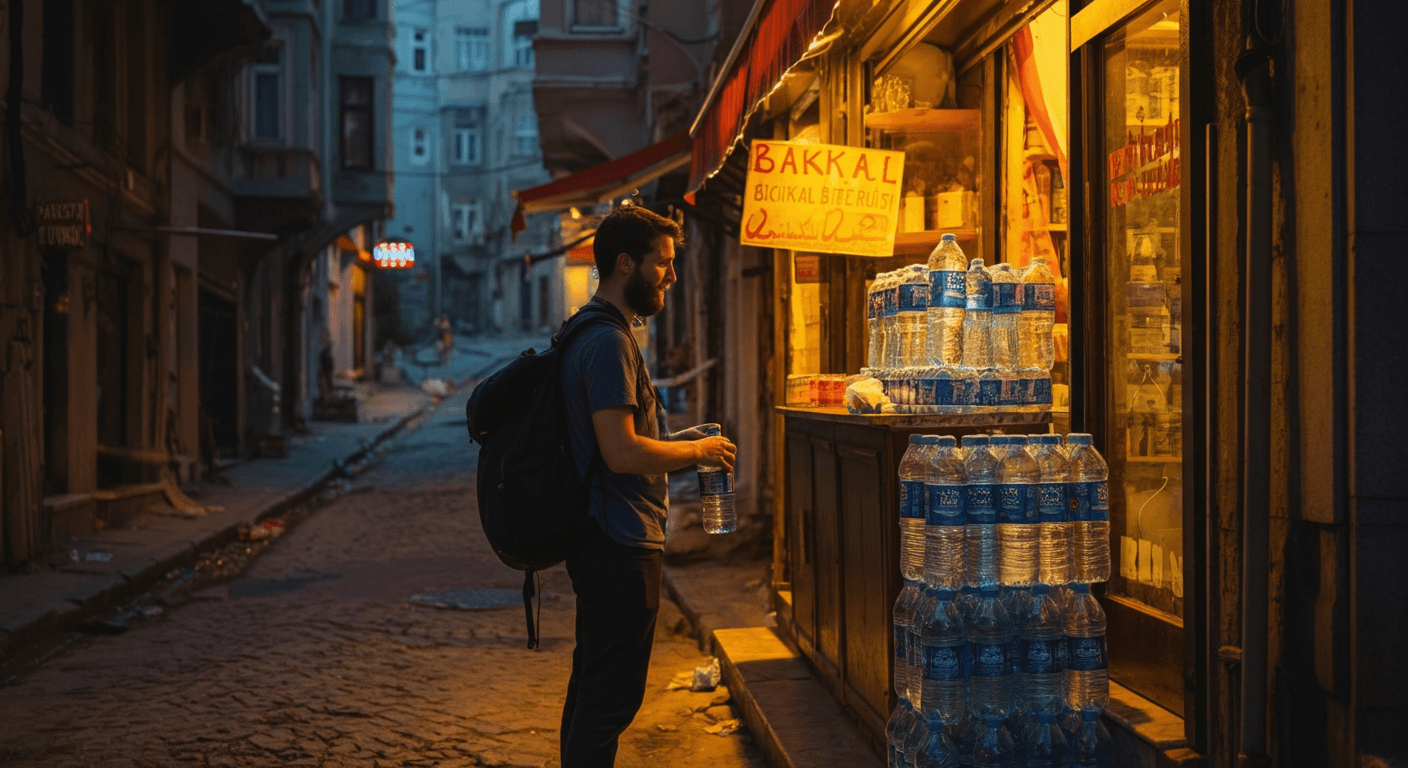
- Bottled water: Cheap and everywhere on central streets like Istiklal Caddesi (Istanbul), Konyaaltı Caddesi (Antalya) and Cevat Şakir Caddesi (Bodrum).
- Street food: Many UK travellers eat it confidently by choosing busy stalls, high turnover and food cooked in front of them in areas like Karaköy, Kadıköy and Bostanlı sahil.
- Salad & ice: Commonly fine in established restaurants in districts such as Sultanahmet, Kaleiçi and Bodrum Marina, but be selective at very basic roadside places.
- Local staples: Fresh somun ekmek, pide, simit, lentil soup and grilled meats are usually gentle, everyday options.
- Upset stomach: Often due to heat, richer food or different spices. Pack oral rehydration salts and basic medicine from the UK.
- Kids & allergies: Stick to bottled water, grilled meats, rice and plain soup early on; learn key phrases for nuts, gluten and dairy in Turkish.
- Simple rule: Eat where locals queue and food is hot and freshly cooked; drink bottled or filtered water until you know local norms.
For UK visitors, eating and drinking in Turkey is usually straightforward if you rely on bottled or filtered water for drinking, choose busy eateries on main streets and seafront promenades, prioritise freshly cooked dishes, and are a little cautious with raw salads, ice and buffets in very basic places.
Water in Turkey: Tap, Bottled and Filtered
Can You Drink Tap Water?
Tap water is treated and chlorinated in major cities, but mineral content and taste differ from the UK.
- Istanbul: Many locals in Beyoğlu and Beşiktaş use tap water for tea and cooking but drink bottled.
- Antalya city: Around Konyaaltı Caddesi and Güllük Caddesi, tap is used for washing and cooking; visitors usually stick to bottled.
- Resort belts: In Lara, Side, Belek, Ölüdeniz and Hisarönü, most travellers are advised to drink bottled.
Simple rule: Tap for brushing teeth is usually fine unless told otherwise; drink bottled or clearly filtered water.
Where to Buy Bottled Water & Typical Prices
Bottled water (su) is sold in:
- Bakkal corner shops: On backstreets near Kadıköy Çarşısı, Gürsu Mahallesi (Konyaaltı), and around Kuşadası sahil.
- Supermarkets: On main roads like Atatürk Bulvarı (Ankara), Adnan Menderes Bulvarı (Kuşadası) and near Alsancak in İzmir.
- Beach kiosks: Along Konyaaltı Sahil Yolu, Çalış Beach front, Marmaris Uzunyalı and Alanya promenade.
Guide prices (check locally):
- 0.5L small bottle: usually very cheap, similar to or below UK budget brands.
- 1.5–2L bottle: good value; many travellers buy 1–2 per day.
- 19L damacana: for long stays, ordered to apartments in districts like Levent or Karşıyaka.
Filtered Water and Dispensers
Modern flats and offices in areas such as Maslak, Levent, Bayraklı and newer Antalya suburbs often have built-in filters. In many resort blocks you’ll see:
- Chilled dispensers in reception or near lifts
- Coolers in gym/spa areas
UK-friendly tip: If a dispenser is clearly labelled drinking water, looks clean and is frequently used, it’s typically fine; if it looks neglected, choose sealed bottles.
Choosing Safe Places to Eat
Restaurants, Lokantas and Cafes
Turkey’s everyday food culture favours fresh cooking and high turnover, especially in urban and coastal areas.
- Busy is good: Follow workers at lunchtime into lokanta canteens off Buyukdere Caddesi (Levent) or Necatibey Caddesi (Ankara) – dishes are cooked in the morning and sold out by mid-afternoon.
- Visible kitchen: On Istiklal Caddesi, Karşıyaka Çarşı and Atatürk Caddesi in Kuşadası, grills are often open to view. Watch how raw meat and cooked food are handled.
- Cold displays: Meze fridges and salad bars should be behind glass and clearly running.
- Tourist-friendly menus: Areas like Sultanahmet, Kaleiçi (Antalya) and Bodrum Marina are used to UK guests and typically keep to good hygiene standards.
In business districts such as Levent and Gayrettepe, canteens signed “esnaf lokantası” offer trays of beans, stews and rice to queues of office workers from 12:00–14:00. High turnover and simple dishes make them a reliable option.
Street Food: Confident Choices
Street food is a highlight in many parts of Turkey:
- Karaköy & Galata Bridge: Fresh grilled fish sandwiches (balık ekmek).
- Istiklal / Nevizade / Çiçek Pasajı: Late-night kebabs, kokoreç, and meat wraps.
- Kadıköy & Bostanlı sahil: Simit, stuffed mussels (midye dolma), corn and gözleme.
- Gümbet & Marmaris Barlar Sokağı: Quick kebabs and wraps for post-night-out food.
Simple rule: Choose stalls with a queue, food cooked hot in front of you, and clear separation of raw and cooked areas.
What to Be More Selective With
- Stuffed mussels: Popular by ferry piers like Kadıköy İskelesi and along seafronts. Many travellers enjoy them; if cautious, use fixed, busy stalls rather than roaming vendors.
- Mayonnaise and creamy salads: In high heat on seafronts such as Side, Alanya or Didim, avoid anything creamy left out of the fridge.
- Offal dishes: Kokoreç and liver (ciğer) on streets like Yasa Caddesi (Kadıköy) are strongly flavoured; try a small portion first if you’re unsure.
Local Foods That Are Usually Gentle
Bread and Bakery Favourites
Bakeries (fırın) are on almost every neighbourhood street, from behind Şişli Mosque to the lanes above Konyaaltı sahil.
- Somun ekmek: Plain loaf, ideal with cheese and olives.
- Pide: Flatbread with toppings; often lighter than pizza.
- Simit: Sesame bread rings sold around Karşıyaka İskelesi, Kadıköy and ferry piers in Eminönü.
From busy bakeries with fast turnover, these are typically safe and filling.
Soups, Grills and Simple Plates
- Mercimek çorbası (lentil soup): A gentle staple in lokantas from Konya to Fethiye.
- Grilled chicken/fish: Common along seaside roads like Atatürk Caddesi (Kuşadası), Marmaris Uzunyalı and Çetin Emeç Bulvarı (Didim).
- Rice (pilav) and bulgur: Good if you’re feeling delicate.
Dairy, Cheese and Yoghurt
- Beyaz peynir: Feta-style cheese served at Turkish breakfast.
- Yoğurt & ayran: Found in kebab houses near Ulus (Ankara), Bağlar (Eskişehir) and coast-side grills.
UK-friendly tip: Take dairy only from clearly chilled fridges with closed doors or cold display counters with visible condensation.
Salads, Fruit, Ice and Buffets
Salads and Raw Vegetables
In established restaurants in Sultanahmet, Kaleiçi, Bodrum Marina and similar districts, many visitors eat salads without issues. At basic roadside grills on the D400 between Antalya and Alanya, some travellers prefer cooked sides only.
Phrase: “Salata yok, sadece patates” – no salad, only chips.
Fruit from Local Markets
Open markets (pazar) like Fethiye Salı Pazarı, Yalıkavak Friday market and Kadıköy Salı Pazarı are excellent for fruit:
- Buy whole fruit (apples, bananas, oranges, grapes).
- Wash with bottled water in your room.
- Prefer peelable options (oranges, mandarins) if you’re cautious.
Ice in Drinks
- Busy bars on Istiklal Caddesi, Alsancak Kıbrıs Şehitleri Caddesi and Çeşme marina usually use treated water ice.
- Small kiosks in rural areas: ask for no ice if unsure – “Buzsuz lütfen”.
Buffet-Style Meals
Common in resort zones like Lara, Belek and Side:
- Eat near the start of service rather than at closing.
- Pick hot dishes that are clearly steaming.
- Choose cold items from bowls on ice or in chilled cabinets.
On seafront strips like Ortaköy sahil and Alanya Atatürk Caddesi, focus on boiled eggs, olives, tomatoes, cucumbers, honey and fresh bread – these move quickly with the morning rush.
Managing Sensitive Stomachs, Kids and Diet Needs
If You Have a Sensitive Stomach
- Start with lentil soup, grilled chicken, boiled potatoes and rice.
- Delay very spicy Adana or Urfa kebap, especially at late-night grills near Bağdat Caddesi or Karşıyaka Çarşı.
- Use UK-bought anti-diarrhoeal tablets and oral rehydration salts if needed.
Travelling with Children
- Favour promenade restaurants along Çalış Beach, Kuşadası sahil and Marmaris Uzunyalı where you can see the kitchen.
- Ask for less spice: “Baharat az olsun”.
- Pack a few familiar UK snacks for boat trips from Fethiye marina or jeep tours near Saklıkent.
Vegetarian, Vegan and Allergies
Vegetarian and light vegan eating is manageable, especially in larger towns.
- Vegetarian: Look for zeytinyağlı vegetable dishes, menemen (eggs & tomato), bean stews and cheese pastries.
- Vegan: Lentil soup, chickpea stews, grilled veg and olive-oil beans (zeytinyağlı fasulye).
- Gluten-aware: Choose rice, grilled meat/fish and salads (where you’re comfortable), skipping bread and wheat-based dishes.
Useful phrases:
- “Et yemiyorum” – I don’t eat meat.
- “Sütte / peynirde alerjim var” – I’m allergic to milk/cheese.
- “Fındık ve ceviz alerjim var” – I’m allergic to hazelnuts and walnuts.
Drinks, Alcohol and Hydration
Alcohol
Alcohol is widely available in coastal and city nightlife areas, especially on Barlar Sokağı in Bodrum and Marmaris, and around Kıbrıs Şehitleri Caddesi (İzmir).
- Heat on the Antalya and Muğla coasts can intensify alcohol’s effect – drink water alongside.
- Avoid very strong spirits on an empty stomach; eat meze or bread with rakı.
Coffee, Tea and Non-Alcoholic Drinks
- Tea (çay): Served on ferries between Eminönü and Üsküdar, and in cafes everywhere.
- Turkish coffee: Strong and small; best after food. Ask for “az şekerli” (little sugar) if you prefer it less sweet.
- Ayran & fresh juice: Good for rehydration; choose busy juice bars on main streets.
Hydration in Heat
- Carry a refillable bottle and top up with sealed water bought on streets like Halaskargazi Caddesi (Istanbul) and central boulevards in resort towns.
- On long coach trips (e.g., from Istanbul or Ankara otogar), buy extra water at highway service areas.
Common Problems and What to Do
Mild Upset Stomach
- Switch to rice, grilled chicken, boiled potatoes and bananas.
- Use oral rehydration salts in bottled water.
- Avoid alcohol and heavy desserts for 24 hours.
When to Get Medical Help
If you have ongoing vomiting, high fever or severe cramps, contact a doctor. Coastal hubs like Antalya Konyaaltı, Alanya, Bodrum and Kuşadası have clinics used to tourists.
Simple rule: If it feels worse than a normal 24–48 hour bug at home, use your travel insurance helpline and see a professional.
Food Stops on Dolmuş and Bus Routes
Typical Routes and Stops
- Antalya–Kemer dolmuş: Runs via Dumlupınar Bulvarı, often pausing near roadside cafes for tea and snacks.
- Bodrum–Turgutreis minibuses: Follow the coastal road with bakeries and gözleme stalls around Gümbet and Bitez.
- Fethiye–Ölüdeniz dolmuş: Climbs past Ovacık and Hisarönü; many travellers grab simit and water at Fethiye otogar beforehand.
At major highway service areas on routes like the D650 and D400:
- Choose self-service restaurants busy with coach passengers.
- Prioritise grilled items, soups and sealed drinks.
- Use soap and hand gel after facilities.
Planning Ahead and Practical Resources
Before travelling, you may want to:
- Check health guidance from your GP or an official travel clinic.
- Review our Turkey travel health advice page.
- Read regional guides such as Antalya holiday guide and Bodrum holiday guide for area-specific tips.
- Save Turkish allergy phrases and key words (nuts, milk, gluten) on your phone.
- Hand sanitiser
- Oral rehydration salts
- Basic anti-diarrhoeal tablets from the UK
- Reusable water bottle
- List of allergy phrases in Turkish (saved offline)
FAQ
Is tap water safe to drink in Istanbul and Antalya?
Tap water in Istanbul and Antalya is treated, and locals often use it for cooking and tea. Many UK visitors still prefer bottled water for direct drinking to avoid any reaction to different minerals. Using tap water for brushing teeth is common; confirm with your accommodation on arrival.
Can I eat street food in Turkey without getting ill?
Many UK travellers enjoy street food with no issues by picking stalls that are busy, cook food fresh and separate raw from cooked items, especially around Istiklal Caddesi, Karaköy, Kadıköy and Konyaaltı sahil. Avoid creamy salads and lukewarm dishes if you’re unsure.
Is salad safe in Turkish restaurants?
In established restaurants in main tourist districts, salads are generally well washed and widely eaten by visitors. In more basic roadside venues, some travellers prefer cooked sides only, particularly in the first couple of days.
What should I pack from the UK for stomach and hydration issues?
Most travellers find oral rehydration salts, light anti-diarrhoeal medicine, hand sanitiser and a reusable water bottle useful. Families often bring a few familiar snacks for long journeys and boat trips, plus appropriate travel insurance.

Melis Yıldız
Editör"Modern konfor ve estetik detaylara önem veren Melis, lüks oteller ve tasarım butik konaklamalar üzerine uzmanlaşmıştır."
Guides About
Istanbul Public Transport Guide: Istanbulkart, Metro, Tram & Ferry Explained
İstanbul'da ulaşım karmaşasına son verin! İstanbulkart, metro, tramvay, otobüs ve feribot gibi toplu taşıma ağlarını kolayca anlayın.
Best Istanbul Photo Route: 1-Day Viral Shots (Golden Hour & Crowd Strategy)
İstanbul'un en viral fotoğraf noktalarını keşfedin! Boğaz, Galata ve Tarihi Yarımada'da 1 günde, ışık saatleri ve kalabalık stratejileriyle mükemmel kareler yakalayın.
Istanbul Budget Planner: Economical, Balanced & Comfortable Spending Modes Guide
İstanbul gezinizi bütçenize uygun planlayın! Ekonomik, dengeli veya rahat modlarla harcama mantığını keşfederek şehri doyasıya yaşayın.
Istanbul with Kids Guide: Baby & Toddler Checklists | Hot Weather & Rainy Day Plan
İstanbul'da çocukla gezmek artık çok kolay! Bebek/çocuk kontrol listeleri ve öğle sıcağı/yağmur için özel İstanbul gezi planları bu rehberde.
Istanbul Walkable Neighborhoods: 2-3 Hour Walking Routes & Map Guide
İstanbul'un en güzel semtlerini yürüyerek keşfedin! Tarihi yarımada ve Boğaz çevresindeki 2-3 saatlik mini rotalarla şehri deneyimleyin.

Istanbul Mosque Guide for Tourists: Dress Code, Photography & Prayer Times
İstanbul camilerini ziyaret edecek turistler için giyim, saat ve fotoğraf kuralları rehberi. Cami ziyaretinizden önce bilmeniz gereken tüm detayları basitçe öğrenin.
Istanbul Travel Tips: Avoid Scams & Surprises (Taxis, Restaurants, Tours)
İstanbul'da taksi, menü ve tur sürprizleri yaşamadan güvenle gezmek için basit kuralları keşfedin. Dolandırılmadan keyifli bir İstanbul deneyimi için ipuçları burada.
Istanbul Evening Guide: Safe & Fun Activities & Plans for Families, Couples & Solo Travelers
İstanbul'da akşam ne yapılır? Aile, çift veya tek kişi için Boğaz turu, tarihi mekanlar ve güvenli eğlence seçenekleriyle dolu rehberimizi keşfedin.
Istanbul Rainy Day Itinerary: Indoor Museums, Bazaars & Cafes
İstanbul'da yağmurlu havalarda sıkılmayın! Müzeler, tarihi çarşılar ve şirin kafelerle dolu kapalı mekan rotalarıyla keyifli bir gün geçirin.
Istanbul Sunset Spots: Crowd-Free Hours & Best Sunset Walk Routes
İstanbul'da kalabalıktan uzak gün batımı noktaları ve Boğaz'da eşsiz sunset walk rotalarıyla şehrin büyüsüne kapılın.
Istanbul 1-Day Itinerary: Europe to Asia Route (Hour-by-Hour & Walking Guide)
İstanbul'da bir günde Avrupa'dan Anadolu'ya geçiş rotasını keşfedin! Saat saat planlanmış bu eşsiz gezi rehberiyle iki kıtayı yürüme seviyenize göre deneyimleyin.

Sabiha Gökçen (SAW) to Istanbul Transfer: Easiest Options Guide
Sabiha Gökçen (SAW) havalimanından İstanbul şehir merkezine en kolay ulaşım (metro, Havabüs, taksi) seçeneklerini ve saatinize göre en mantıklı yolu keşfedin.
Istanbul Airport (IST) Transfer Guide: Taxi, Metro, or Private for Late Night Arrivals
İstanbul Havalimanı (IST) gece varışı için taksi, metro veya özel transfer mi? İstanbul'a en hızlı ve konforlu ulaşım seçeneğini keşfedin.

Istanbul Public Transport Guide: Metro, Tram and Ferry Logic
İstanbul'da ulaşımı çözün! Turistler için İstanbulkart nasıl alınır, T1 Tramvay, M2 Metro ve vapur kullanımı, taksi tuzaklarından korunma rehberi.

First Time in Istanbul: 3–5–7 Days Ready Itinerary
İstanbul'u yorulmadan ve kaybolmadan gezmek isteyenler için saat saat planlanmış, en verimli 3 günlük, 5 günlük ve 7 günlük hazır turistik gezi rotası.

Where to Stay in Istanbul? Area & Base Selection Guide
İstanbul'da ilk kez nerede kalınır? Sultanahmet, Karaköy, Taksim, Beşiktaş ve Kadıköy bölgelerinin detaylı, artı-eksi analizli, ulaşım odaklı konaklama rehberi.
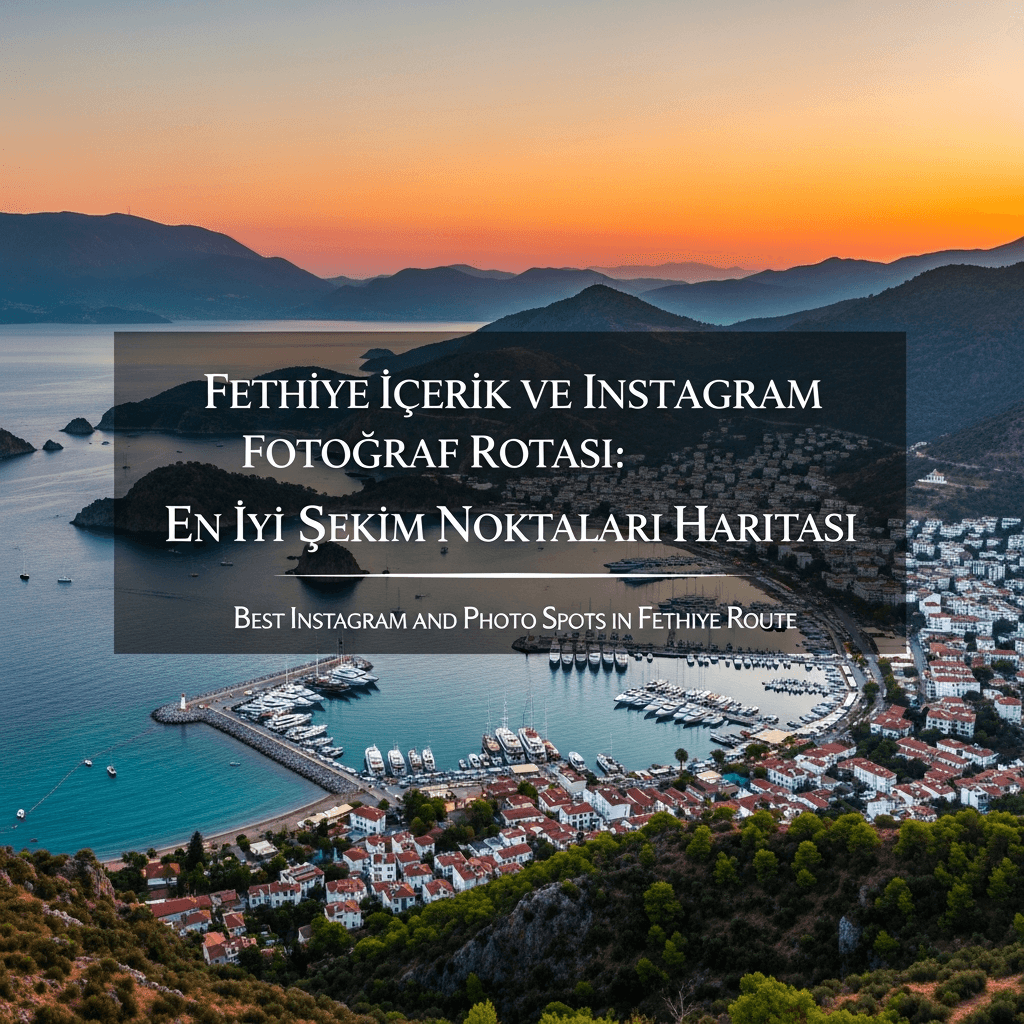
Best Instagram and Photo Spots in Fethiye Route
Ultimate Fethiye Instagram and photography SEO guide list. Find the best spots: Butterfly Valley viewpoint cliff, Babadag glass terrace, and Ghost Town.
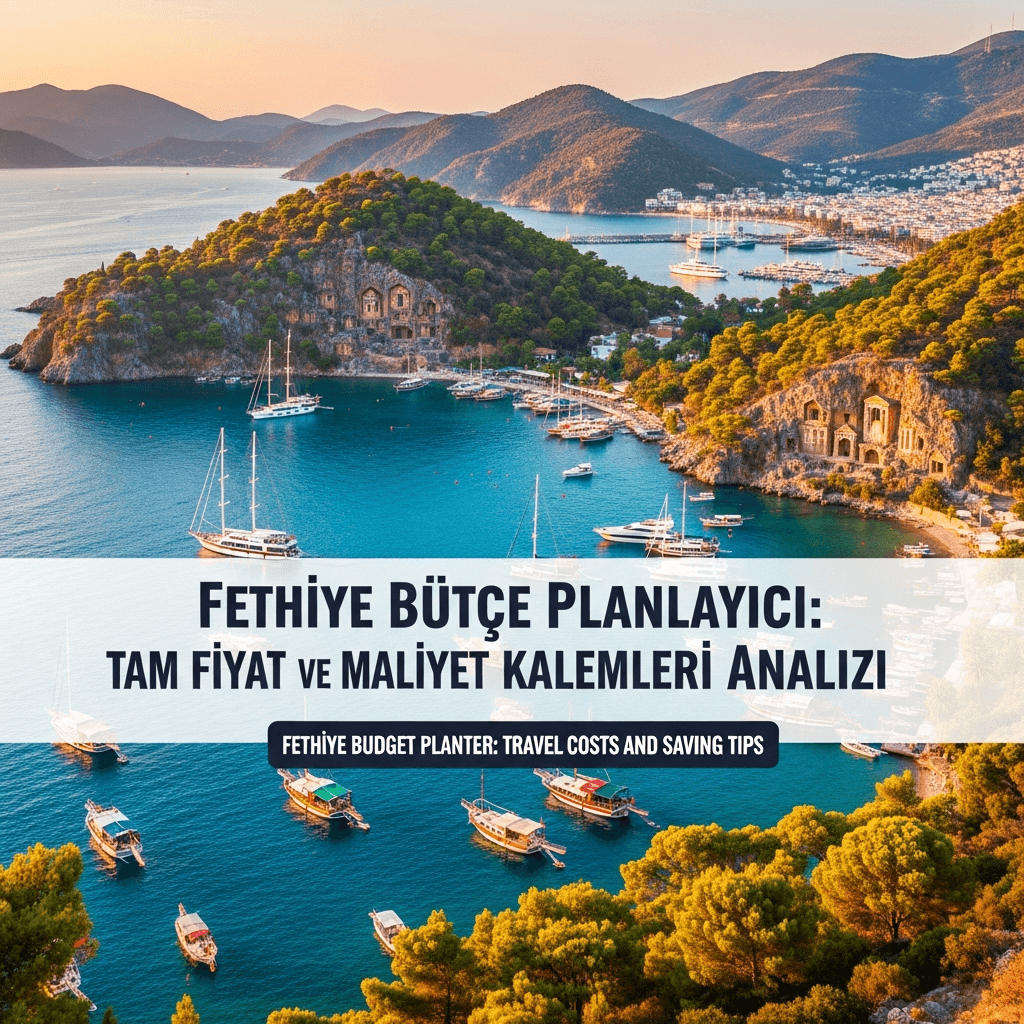
Fethiye Budget Planner: Travel Costs and Saving Tips
Ultimate SEO Fethiye holiday budget planner. Is Fethiye expensive? Guide to food prices, transport, boat trips, and saving tips for smart travelers.
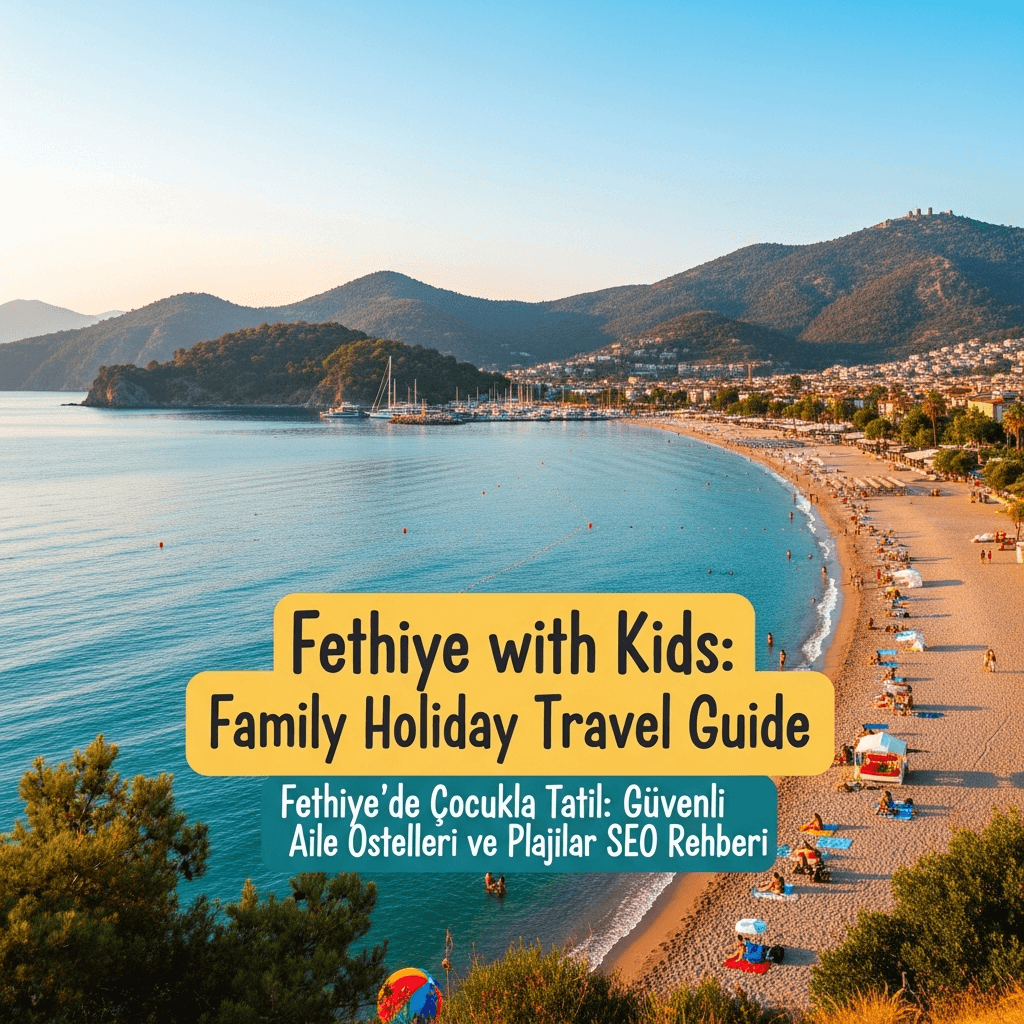
Fethiye with Kids: Family Holiday Travel Guide
Ultimate family SEO travel guide to Fethiye with kids and toddlers. Best shallow beaches, stroller-friendly hotels, and safe family boat trips listed.
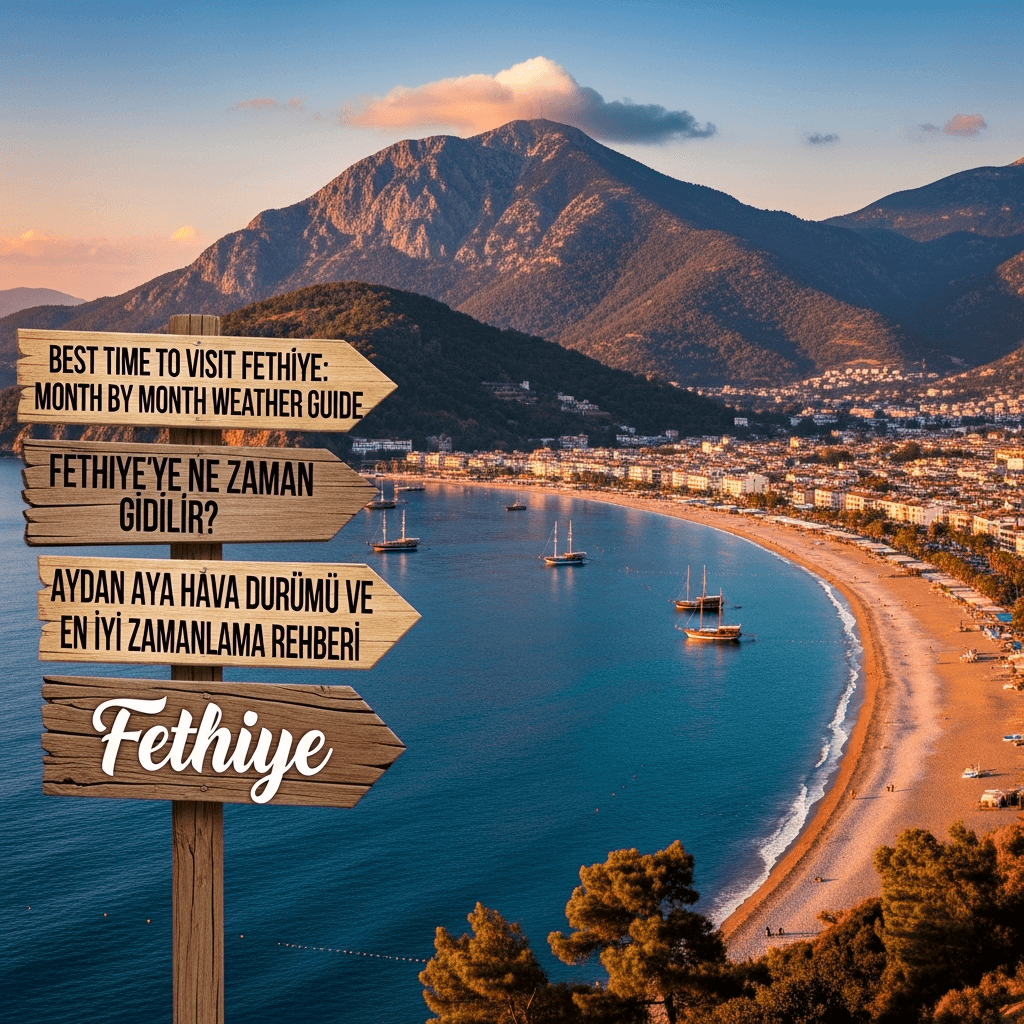
Best Time to Visit Fethiye: Month by Month Weather Guide
When is the best time to go to Fethiye? Detailed SEO weather guide month by month. Summer peaks, autumn sea temperatures and spring trekking tips.
Fethiye Best Beaches and Bays Guide
Comprehensive SEO guide to Fethiye's best beaches. Compare Blue Lagoon, Belcekiz pebbles, Calis beach wind, and hidden Kidrak/Kabak bays.
Lycian Way Fethiye Routes Guide
Ultimate Guide to starting the Lycian Way from Fethiye (Ovacik, Faralya, Kayakoy). Daily hiking routes, trails, maps, and offline tips with full SEO tables.
Tlos Ancient City & Yakapark Day Trip Guide
Ultimate Fethiye day trip SEO guide: Morning at Tlos Ancient City and Lycian rock tombs, afternoon lunch at Yakapark waterfalls, and Saklikent alternatives.
Saklikent Gorge Guide: The Icy Cold Canyon
Ultimate SEO guided Fethiye Saklikent Gorge and Canyon travel guide. Tips for hiking the icy river, mud baths, and comparing Gizlikent Waterfall.
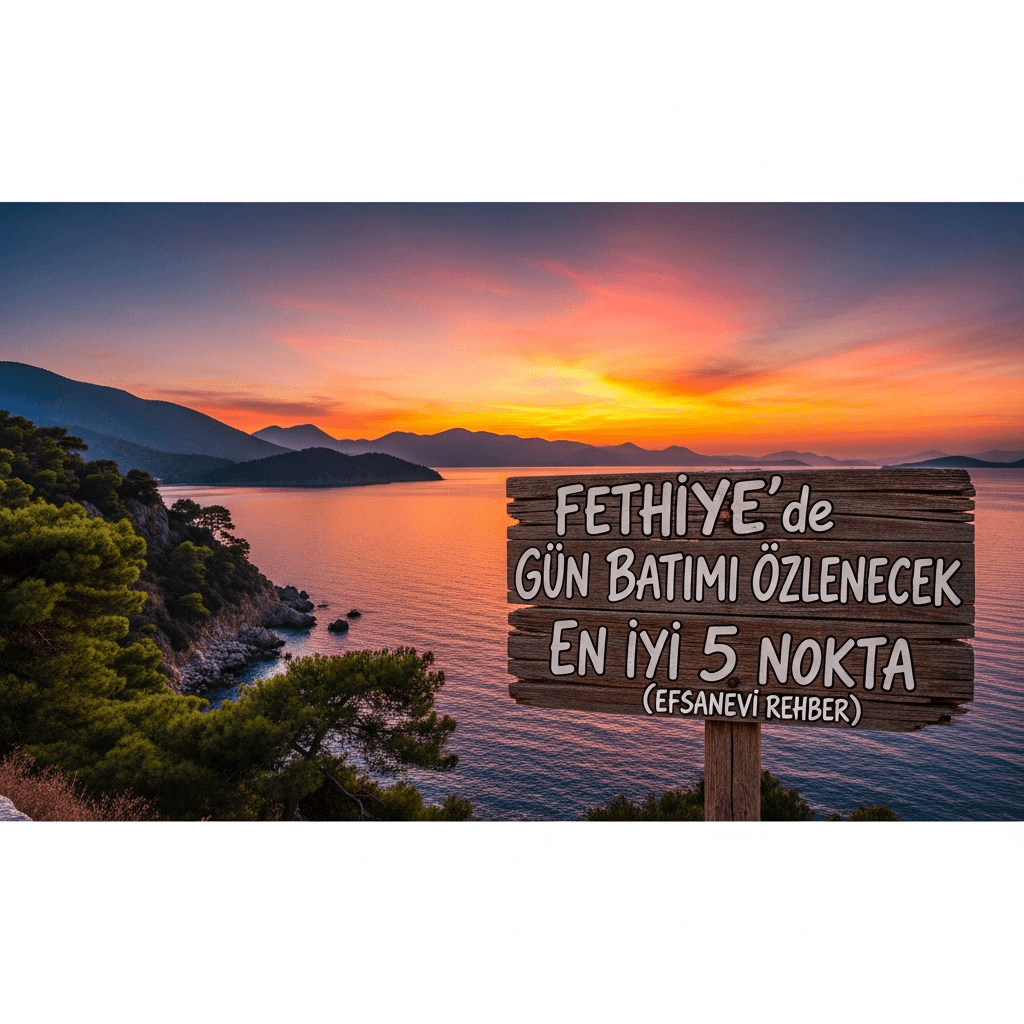
Best 5 Sunset Spots in Fethiye
Where to watch the best sunset in Fethiye? Detailed SEO guide for Calis beach, Babadag 1700m, and Sovalye island sunsets with tables and tips.
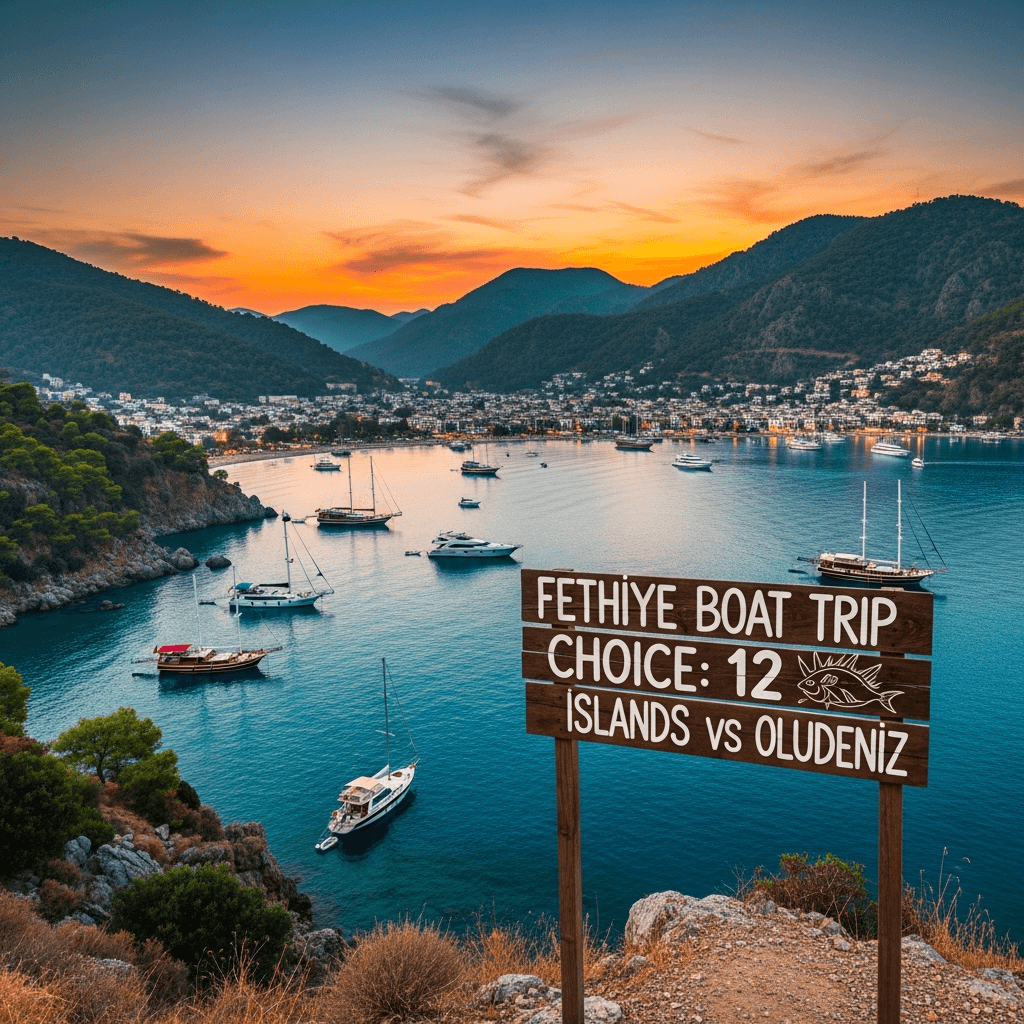
Fethiye Boat Trip Choice: 12 Islands vs Oludeniz
Ultimate comparison between the 12 Islands Boat Trip and the Oludeniz Butterfly Valley boat tour. Detailed SEO travel guide with tables and tips.
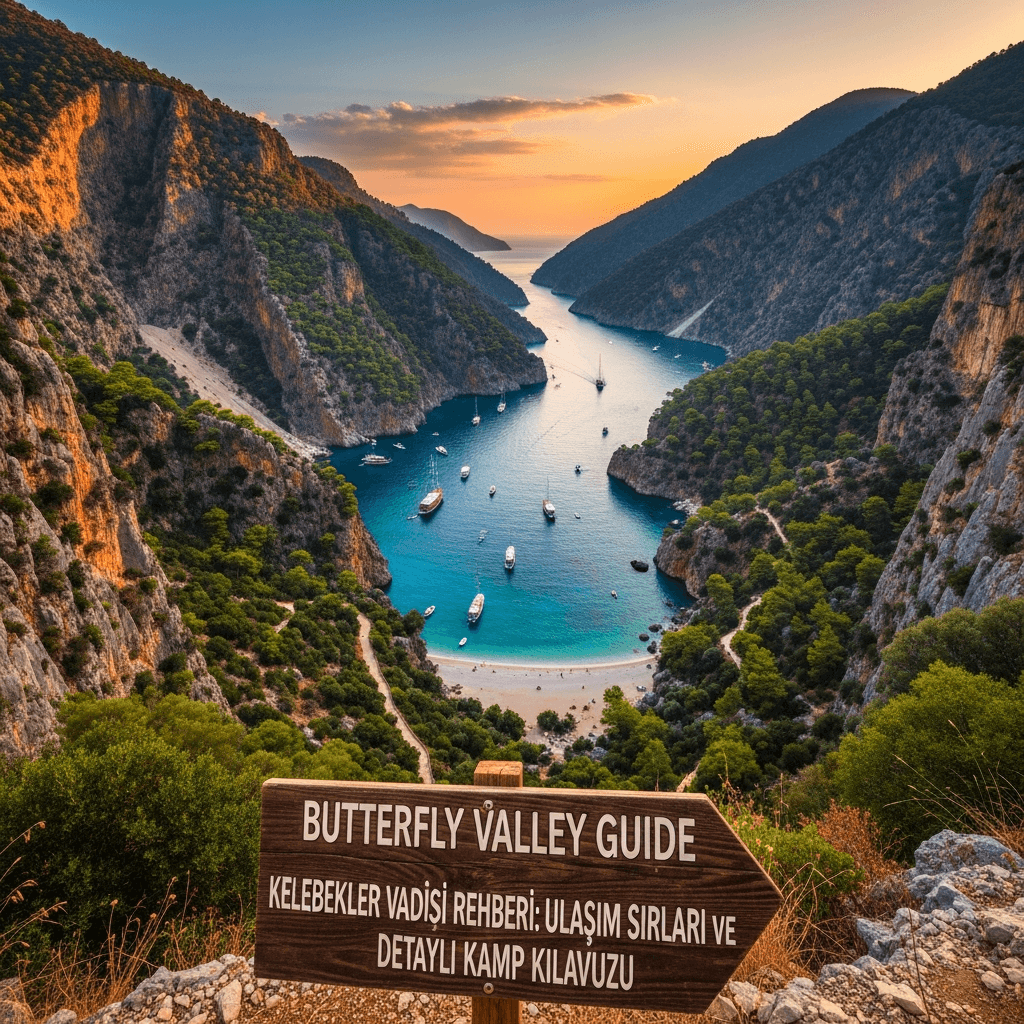
Butterfly Valley Guide
Ultimate SEO guided Fethiye Butterfly Valley travel guide. How to get there by boat or hike, best camping spots, and waterfall trekking tips.
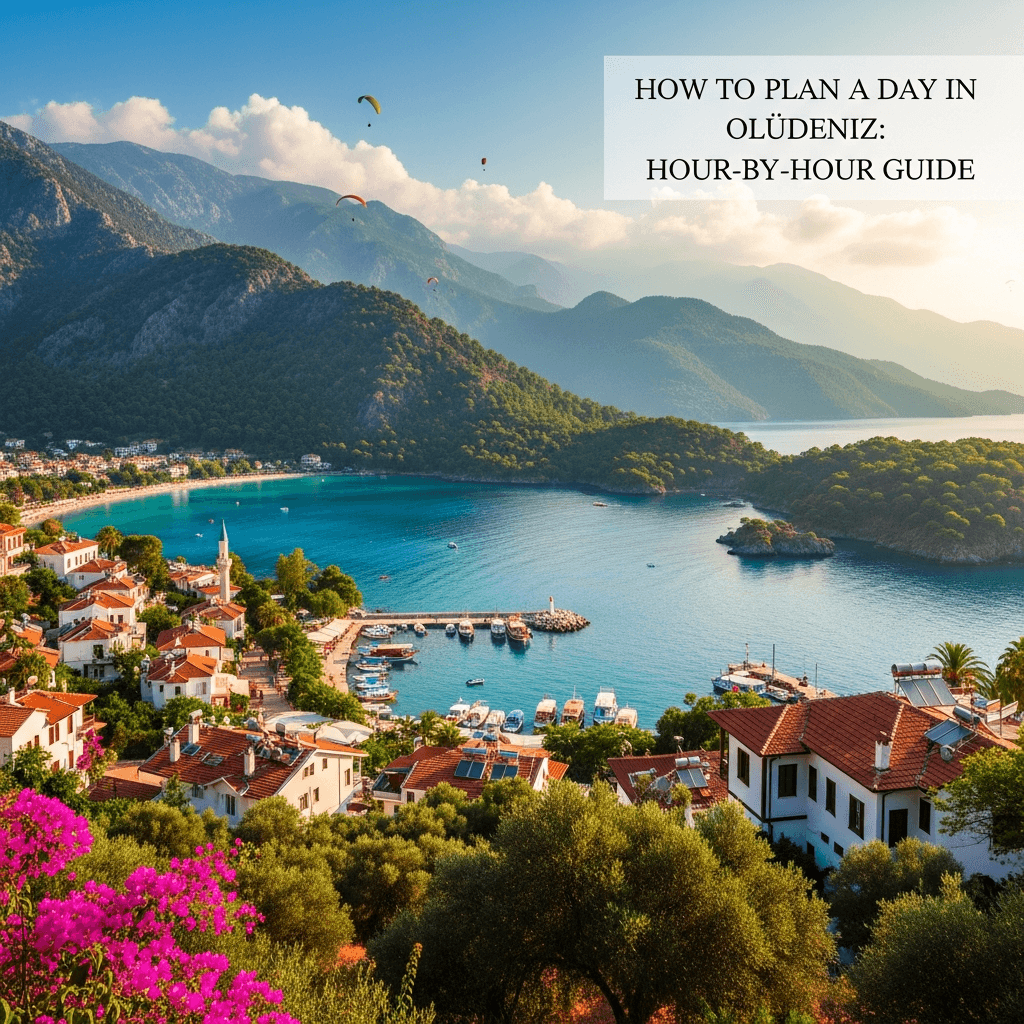
How to Plan a Day in Oludeniz: Hour-by-Hour Guide
An hour-by-hour itinerary for visiting Oludeniz, Kumburnu Blue Lagoon, Belcekiz beach, and the Babadag cable car. Essential tips for your holiday.
Car-Free Fethiye Holiday Guide
Discover how to enjoy a completely car-free holiday in Fethiye. Full transportation guide including water taxis, local dolmus, and walking trails.
Fethiye First-Timers Itinerary: 3-5-7 Days
An optimized and flexible 3, 5, or 7-day itinerary for your first visit to Fethiye. Unmissable spots like Oludeniz, Saklikent Gorge and Babadag.
Where to Stay in Fethiye? Area & Base Selection Guide
Where to stay in Fethiye, Turkey? An extensive area-by-area guide choosing between Calis Beach, Oludeniz, Hisaronu, Ovacik and the Town Center.
Did you find this guide helpful?
Check out our other guides to discover more hidden gems in .
Explore All Guides