Food & Water in Turkey: How to Eat Confidently (UK-Friendly Hygiene Tips)
Practical UK-focused guide to food and drinking water in Turkey: street food, tap water, ice, salads, meze, and hygiene tips to avoid tummy troubles.
Hızlı Özet
- • best places to visit
- •Local restaurant and cafe recommendations
- •Accommodation options and price ranges
- •Transportation info and tips
Table of Contents
Food & Water in Turkey: How to Eat Confidently (UK-Friendly Hygiene Tips)
- Tap water in most Turkish cities is treated but many travellers prefer bottled or filtered water for drinking; use tap water for teeth brushing if you have a normal stomach.
- Stick to busy places to eat – whether on Istanbul’s Istiklal Caddesi, Kadiköy’s Çarşı area, Bodrum’s Neyzen Tevfik Caddesi or Antalya’s Kaleiçi streets – high turnover usually means fresher food.
- Street food (simit, balik ekmek, dürüm, gözleme) is widely enjoyed; watch how food is handled, how it’s stored and whether it is cooked to order.
- Ice in drinks in major resorts and city centres is typically made from treated water, but if you have a sensitive stomach you can ask for drinks “no ice”.
- Salads and meze are common and usually washed; choose places where vegetables look crisp and are kept cool, especially in hot areas like Fethiye, Marmaris and Side.
- Avoid “buffet food fatigue”: in large all‑inclusive style resorts, pick freshly cooked items and avoid food that looks like it has been sitting out.
- Dairy (kaymak, yoghurt, dondurma) and bread (pide, simit, lavaş) are generally safe; be more cautious with unlabelled cheeses in very hot open markets.
- Carry a small hand sanitiser, rehydration salts and basic medication; Turkish pharmacies (eczane) in areas like Kuşadası’s Atatürk Bulvarı or Alanya’s Atatürk Caddesi are very used to UK visitors.
- For special diets (gluten‑free, vegan, halal, nut allergy), learn a few key phrases and show them in writing to restaurant staff.
If you eat freshly cooked dishes, choose busy and clean‑looking places, favour bottled or filtered water for drinking, and use a bit of common‑sense around buffets and street food, you can typically enjoy Turkey’s food and drink with confidence and very low risk of stomach issues.
Introduction: Enjoy the food, minimise the worry
Turkey is one of the most rewarding food destinations from the UK – from meze spreads in Izmir’s Kordonboyu area to grilled fish along the Galata Bridge in Istanbul or pide houses on Konyaaltı Caddesi in Antalya. Many UK travellers worry about “holiday stomach” or water quality, but with a few practical, UK‑friendly hygiene habits you can usually eat very widely without problems.
This guide focuses on concrete details: how safe tap water is, what to do with salads and ice, how to judge street food on specific streets and markets, and how to handle special diets. It is written for independent travellers as well as package‑holiday visitors to coastal resorts.
1. Drinking water in Turkey: tap, bottled and filtered
1.1 Can you drink the tap water?
Urban tap water in Turkey is generally treated and chlorinated, especially in:
- Istanbul (European and Asian side – areas like Beşiktaş, Kadiköy, Şişli, Fatih)
- Izmir (Alsancak, Karşıyaka, Konak)
- Antalya (Muratpaşa, Konyaaltı, Lara)
- Ankara city districts
Many locals do drink it, but a lot of Turkish households still prefer bottled or filtered water for taste. UK visitors with normal stomachs often use tap water for teeth brushing and kettle boiling, but choose bottled water to drink.
Simple rule: in big cities and well‑developed resorts, tap water is usually fine for brushing teeth and making tea or coffee; for straight drinking, most UK travellers stick to bottled or filtered water.
1.2 Bottled water – what to expect
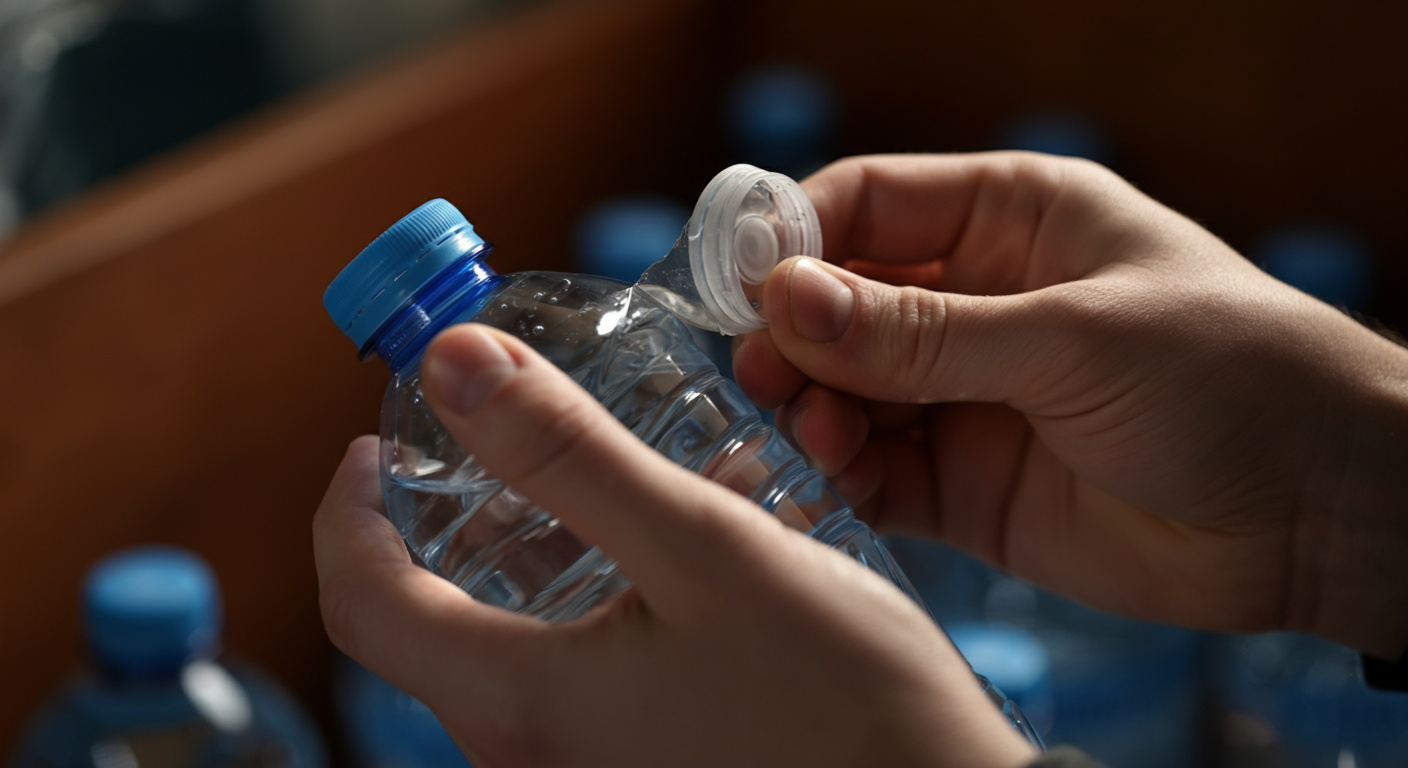
Bottled water is widely available at corner shops (bakkal), supermarkets and kiosks along seafronts such as:
- Bodrum’s Atatürk Caddesi and the marina promenade
- Fethiye’s Çalış Beach walkway
- Marmaris Uzunyalı (Long Beach) seafront path
- Kuşadası seafront along Atatürk Bulvarı
Typical prices (subject to change):
- Small 0.5L bottle: usually the equivalent of £0.10–£0.30
- 1.5L–2L bottle: usually around £0.20–£0.60 from supermarkets (often more in tourist kiosks)
UK‑friendly tip: buy larger bottles from supermarkets like those on Antalya’s Yener Ulusoy Bulvarı or in Bodrum’s Konacık area, then refill a smaller bottle for day trips.
1.3 Filtered and dispenser water
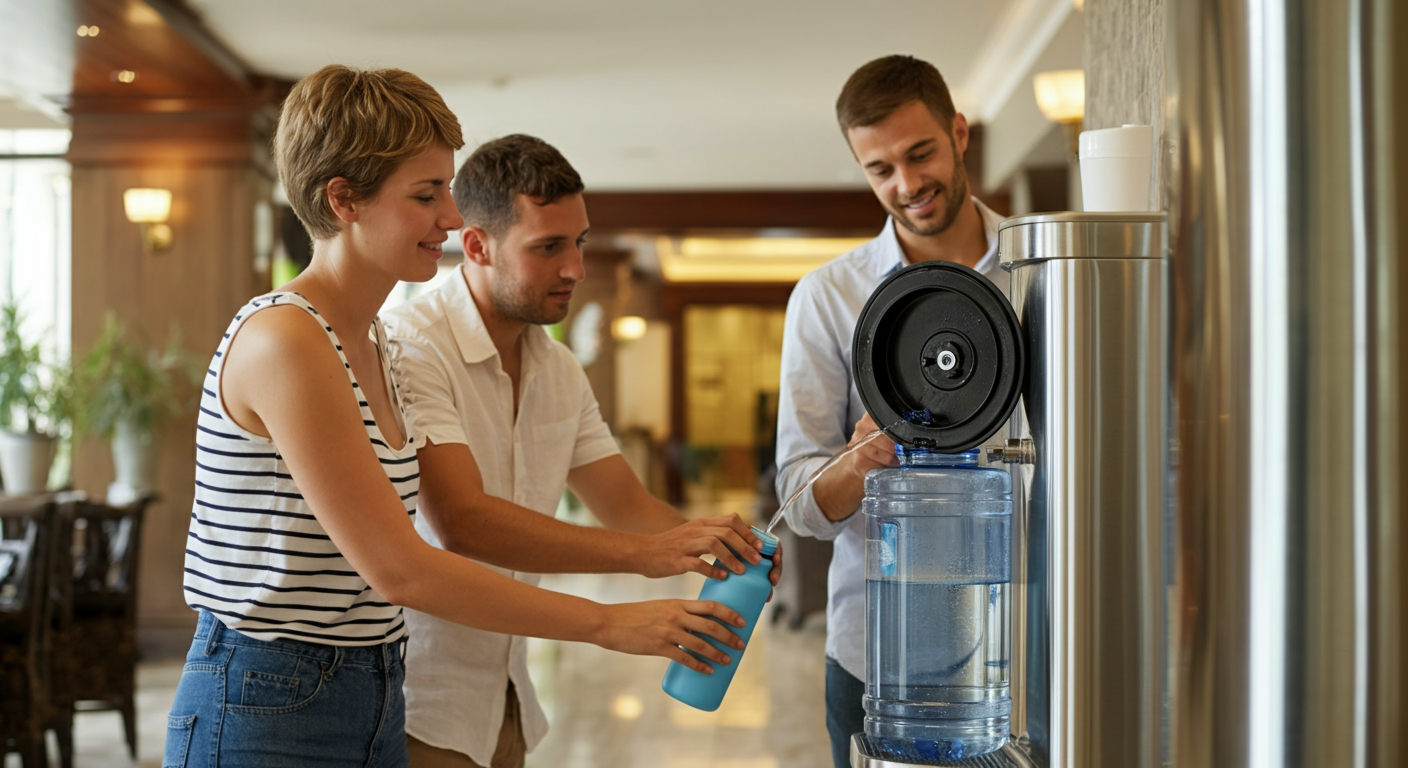
Many flats and some smaller guesthouses use under‑sink filters or big blue dispensers. If you see a water dispenser in a lobby or breakfast room in areas like Güllük Caddesi in Antalya or around Istanbul’s Karaköy tram stop, it is typically safe to drink from, but if in doubt just ask: “Bu su içilir mi?” (“Is this water drinkable?”).
1.4 Public fountains and village wells
Across Turkey you will notice decorative fountains (çeşme) in places like:
- Hill villages above Fethiye, such as Kayaköy
- Small streets in Bodrum’s old town near Cumhuriyet Caddesi
- Rural areas driving towards Pamukkale and inland Aegean villages
Locals sometimes fill bottles here, but water quality can vary. As a visitor, it is generally safer to avoid drinking from these unless a local you trust confirms it is safe and your stomach is very robust.
In many apartment blocks in Ankara and Istanbul, residents order 19L water drums even though the tap is technically treated. If you see that your host uses bottled water for drinking, copy them.
2. Ice, hot drinks and soft drinks
2.1 Is ice safe in Turkey?
In major resorts and city‑centre bars and cafés – for example around Istanbul’s Istiklal Caddesi, Alanya harbour, Antalya’s Kaleiçi, Bodrum Barlar Sokağı and Marmaris Marina – ice is typically made from treated or bottled water and stored correctly. Most UK visitors use it without issues.
If you have a very sensitive stomach or are travelling with young children, you can simply say “Buzsuz, lütfen” (without ice please).
2.2 Tea, coffee and çay culture
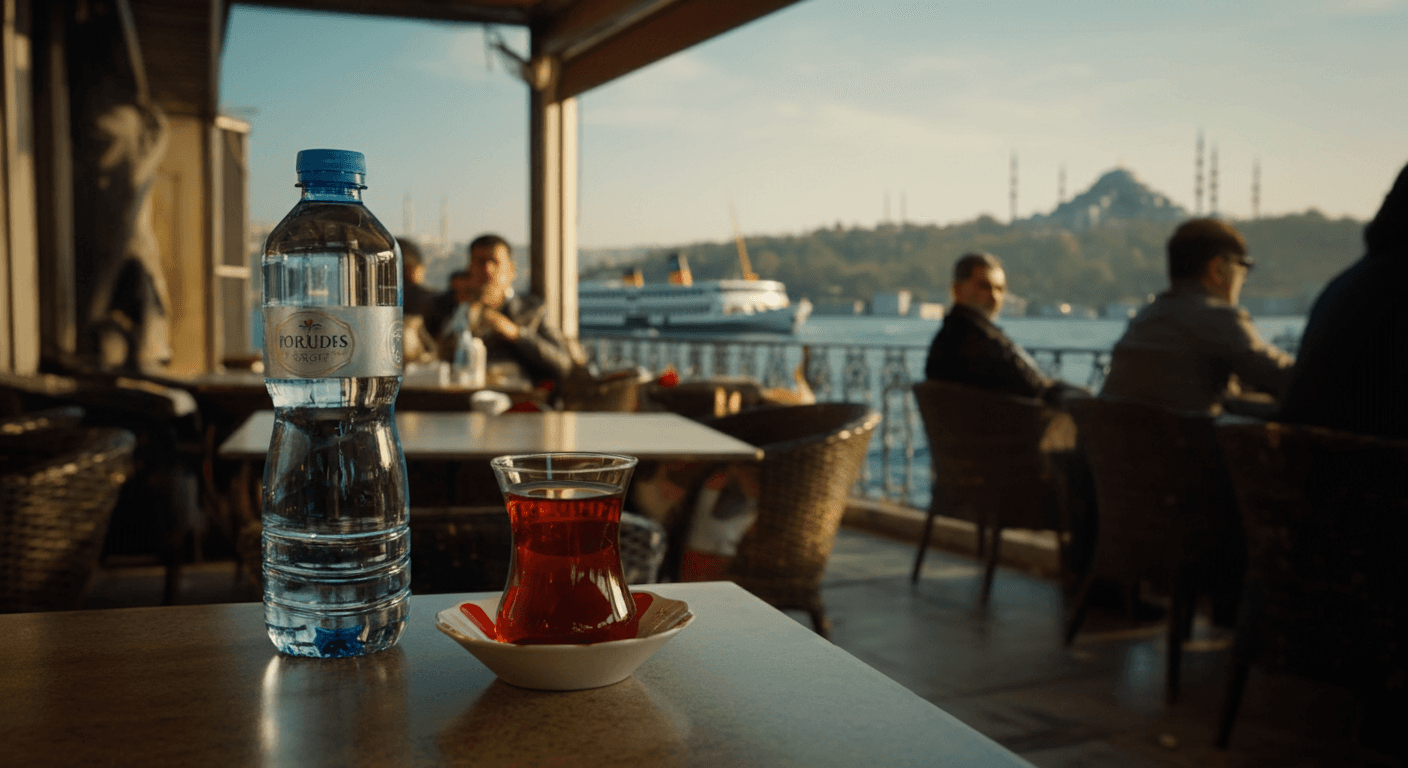
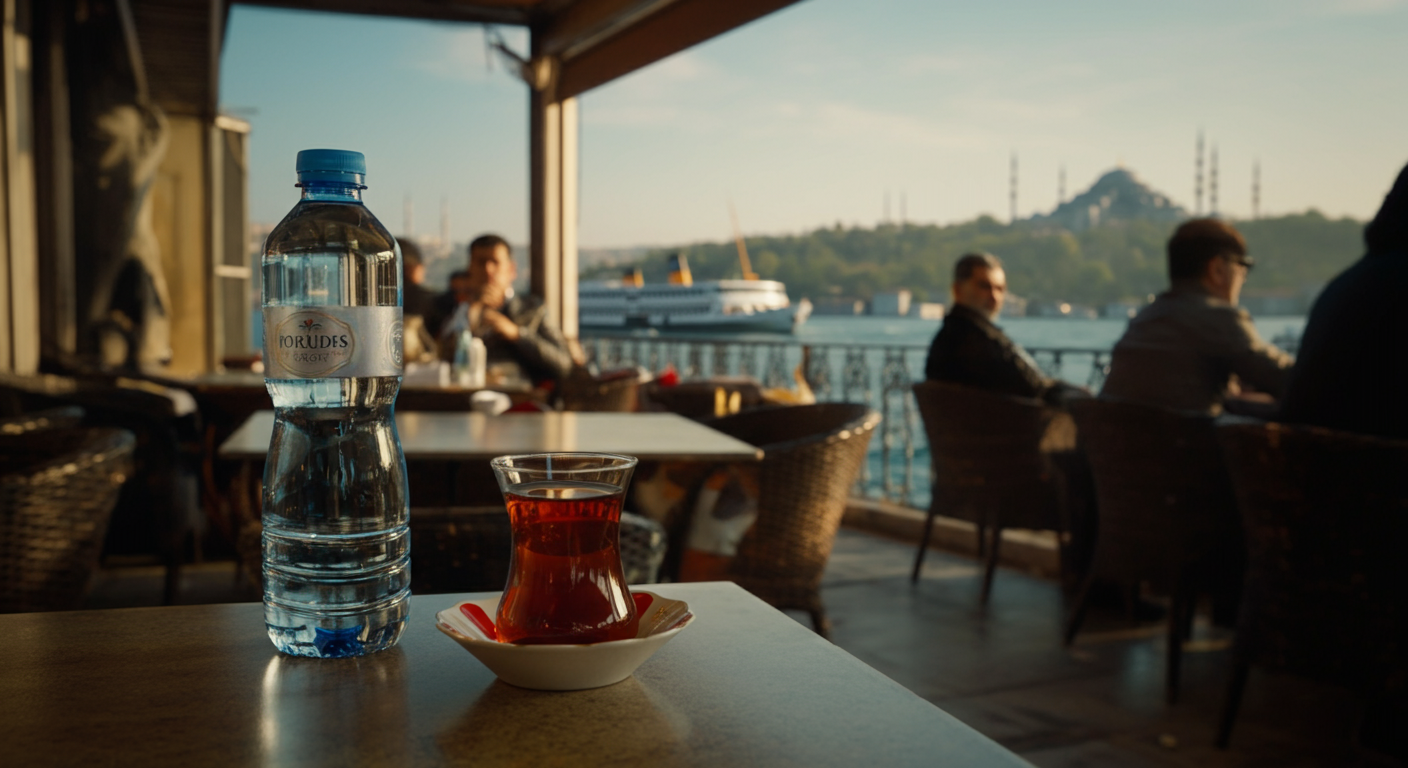
Hot drinks are very low risk because the water is boiled. You will see small tulip glasses of black tea (çay) everywhere, especially:
- On ferries between Karaköy and Kadiköy in Istanbul
- At tea gardens on the seafront in Rize and Trabzon on the Black Sea coast
- In Antalya’s Karaalioğlu Park overlooking the cliffs
Turkish coffee (Türk kahvesi) is also boiled in a small pot (cezve). Hygienically it is usually very safe; the only “hazard” is the strong caffeine.
2.3 Soft drinks and juices
Sealed cans and bottles of fizzy drinks, ayran cartons (salted yoghurt drink) and fruit juices are typically safe. Where you need to think is freshly squeezed juice sold from street carts, especially in high heat on streets such as:
- Sultanahmet tram route in Istanbul
- Side town centre around Liman Caddesi
- Along the harbour paths in Fethiye and Kaş
Choose stalls where:
- Fruit is not piled in full sun all day
- The juicer looks reasonably clean, with visible rinsing
- Cups are stored upside down or wrapped, not exposed to dust
3. Street food and markets: how to pick safely
3.1 Reading the street food scene
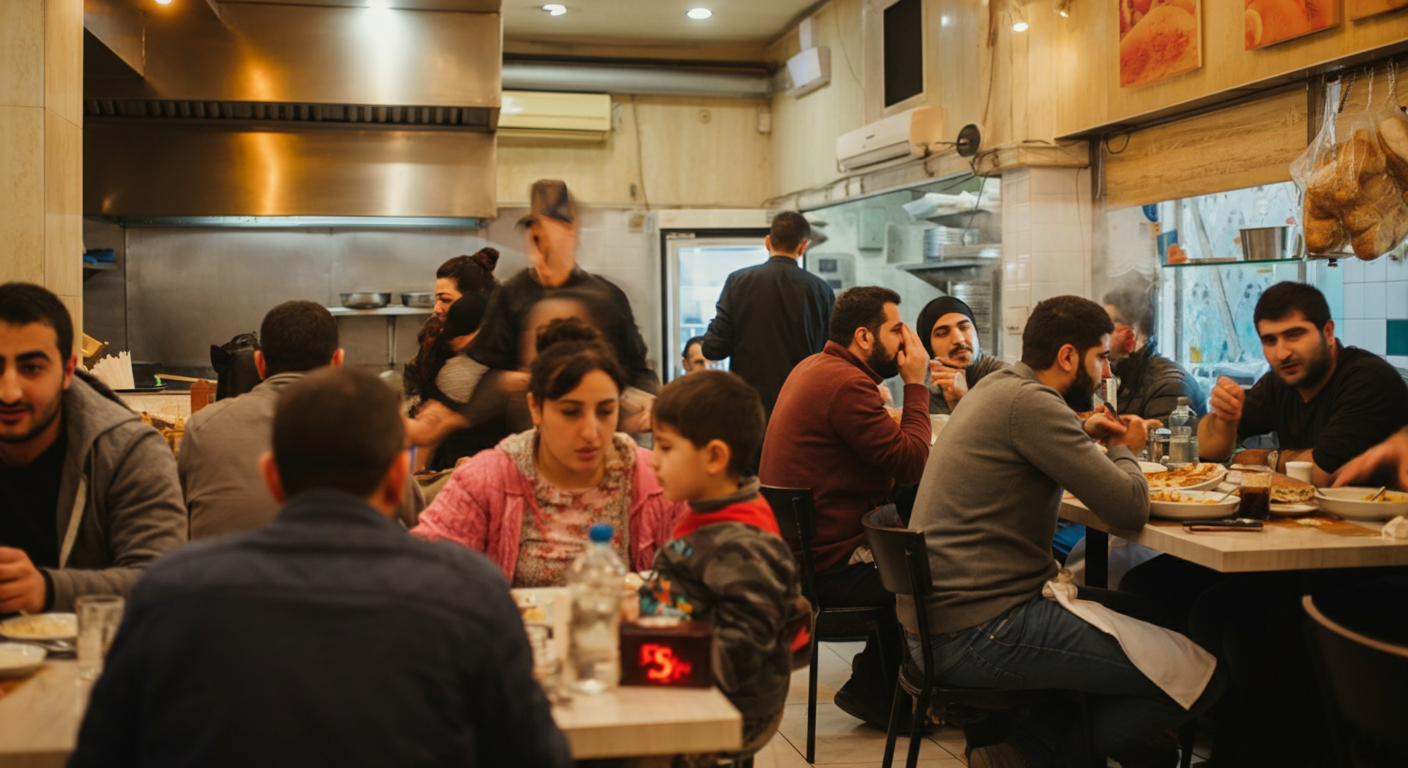
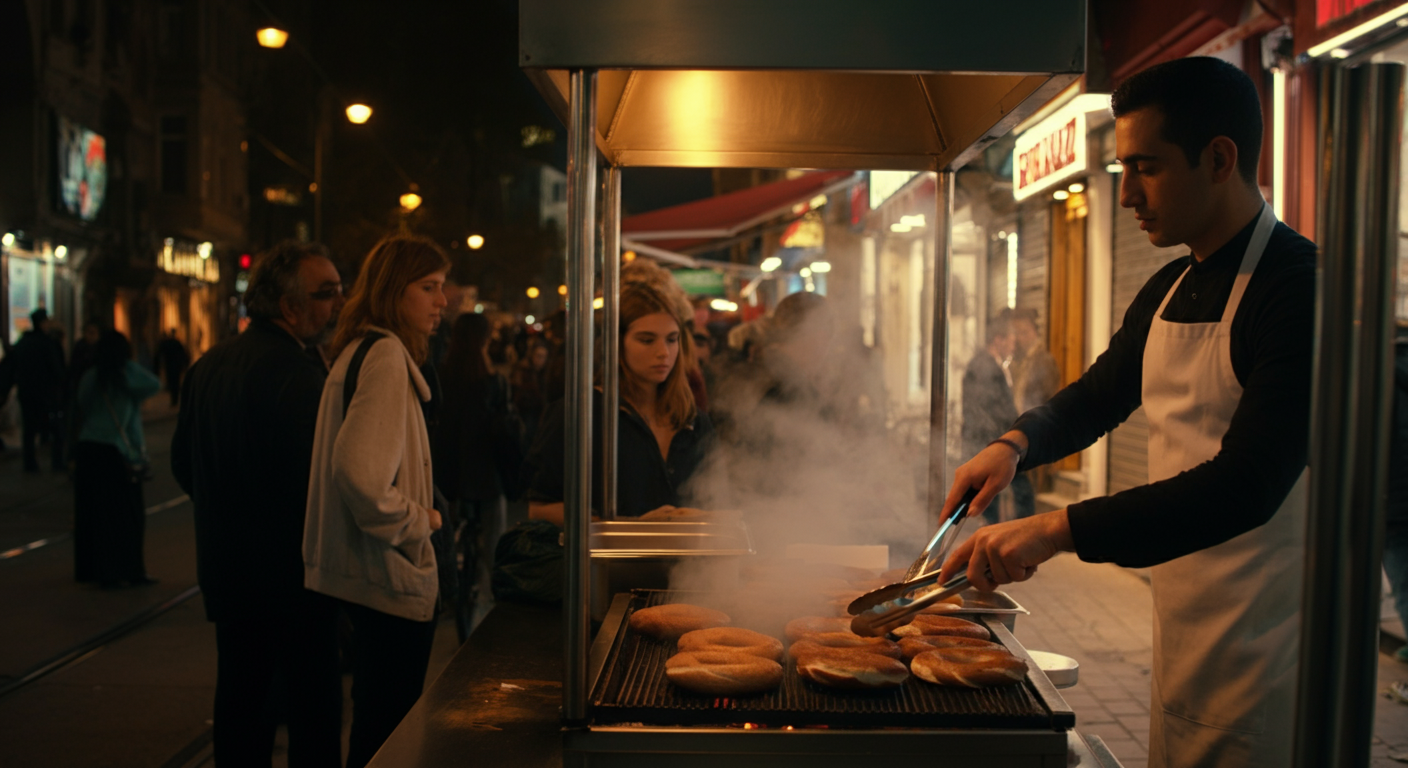
Street food is central to Turkish daily life, and locals eat it constantly. In Istanbul you will see:
- Simit (sesame bread rings) along the Bosphorus in Beşiktaş İskele Meydanı
- Balık ekmek (fish sandwiches) near Karaköy and Eminönü ferry piers
- Dürüm stands on side streets off Istiklal Caddesi
On the Aegean and Mediterranean coasts you’ll find gözleme stalls around Ölüdeniz beachfront, Çalış Beach promenade and Çeşme’s Ilıca main strip.
Simple rule: if locals are queueing, the grill is hot and food is being cooked in front of you, it is usually a solid choice.
3.2 Practical hygiene checks
When deciding whether to eat at a stall or small lokanta (local eatery), quickly check:
- Turnover: Are dishes being freshly made or reheated repeatedly? Busy corner pide shops on Atatürk Caddesi in Fethiye usually turn food over quickly.
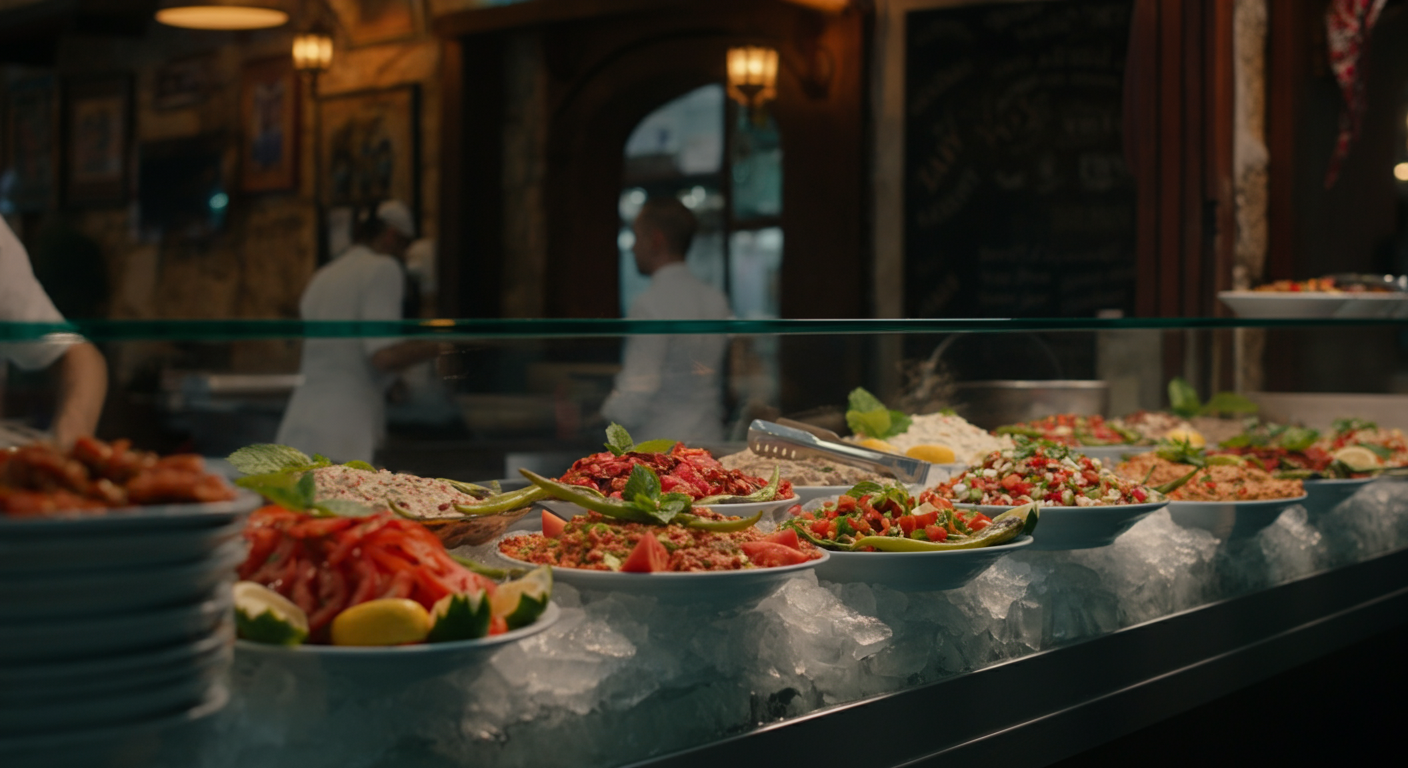
- Temperature: Are hot dishes steaming? Are cold meze plates kept in a chilled display behind a glass counter?
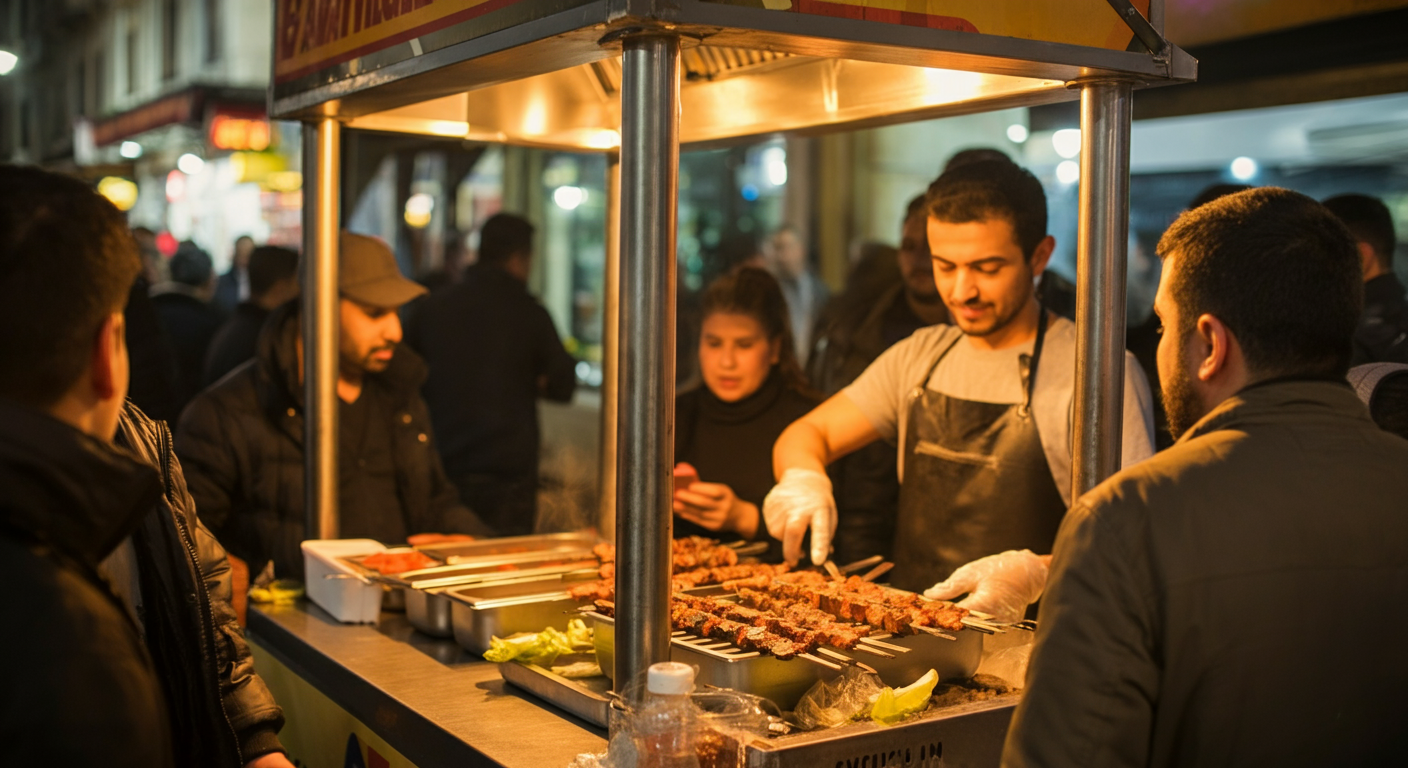
- Handling: Does the person cooking use tongs or gloves? Do they handle money and raw meat without washing hands in between?
- Surroundings: Is rubbish cleared away or piled up next to the stall? Is there a constant flow of customers from nearby offices or shops?
If you can hear food sizzling and smell fresh grilling, it is usually being cooked to order. Lukewarm food sitting silently in metal trays on a side street off Tarlabaşı Caddesi is one to skip.
3.3 Specific items UK travellers often enjoy safely
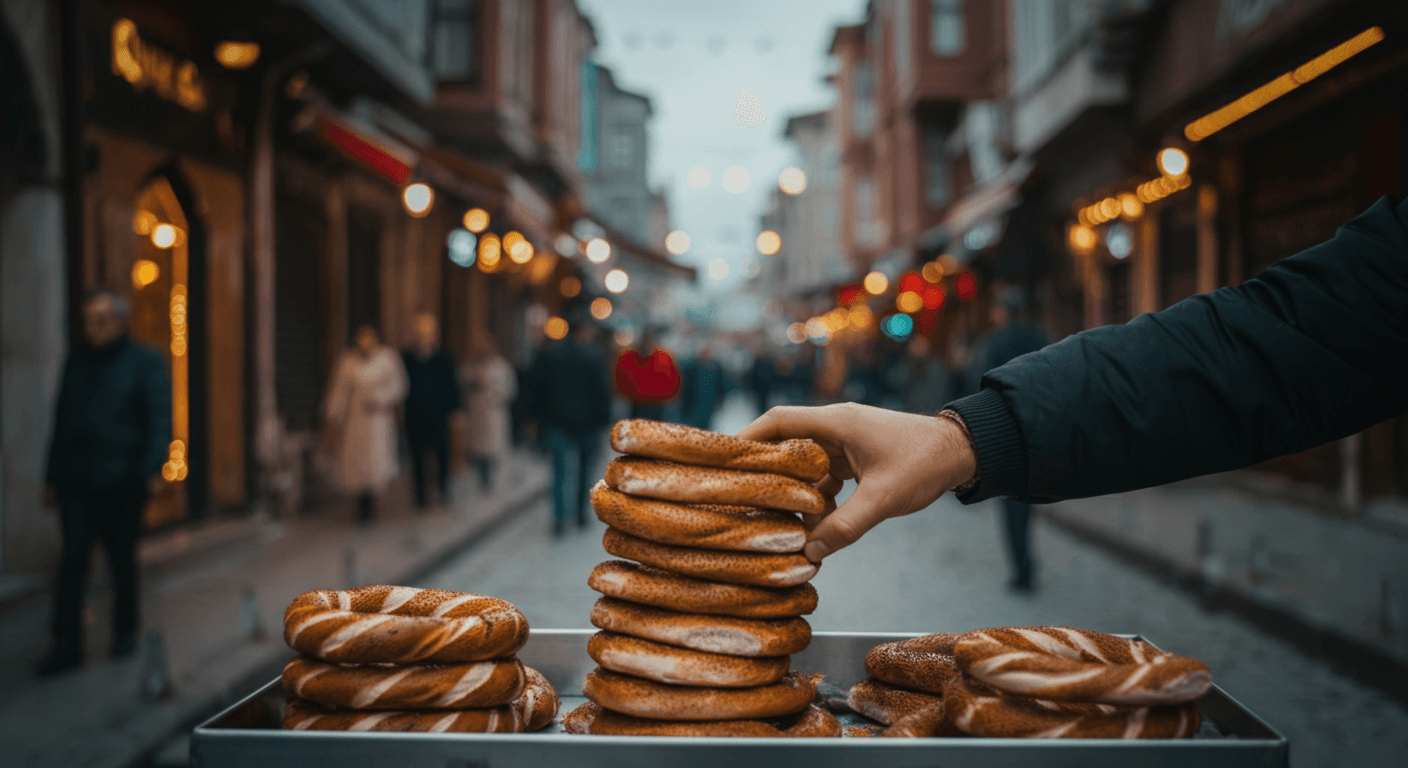
- Simit: A sesame‑covered bread ring, sold from red carts across Istanbul and around Konak Meydanı in Izmir. High turnover, low risk.
- Gözleme: Thin flatbread rolled and cooked on a griddle, often with cheese or spinach, commonly sold in places like Kayaköy valley and around Saklıkent Gorge road. Watch that fillings are kept cool and cooked right through.
- Dürüm kebap: Grilled meat in flatbread. On busy streets such as Istiklal Caddesi or Antalya’s Işıklar Caddesi, stalls often have rapid turnover. Choose skewers cooked in front of you.
- Kumpir: Stuffed baked potatoes in areas like Ortaköy Square in Istanbul. Go easier on mayonnaise‑heavy toppings in very hot weather.
3.4 Open‑air markets (pazar)
Weekly markets are a highlight and a very local experience:
- Fethiye Tuesday Market near Fethiye Stadium
- Bodrum Friday Market close to Turgutreis Caddesi
- Antalya’s Lara Saturday Market off Güzeloba Mahallesi streets
- Alanya market days around 25 Metrelik Yol and nearby streets
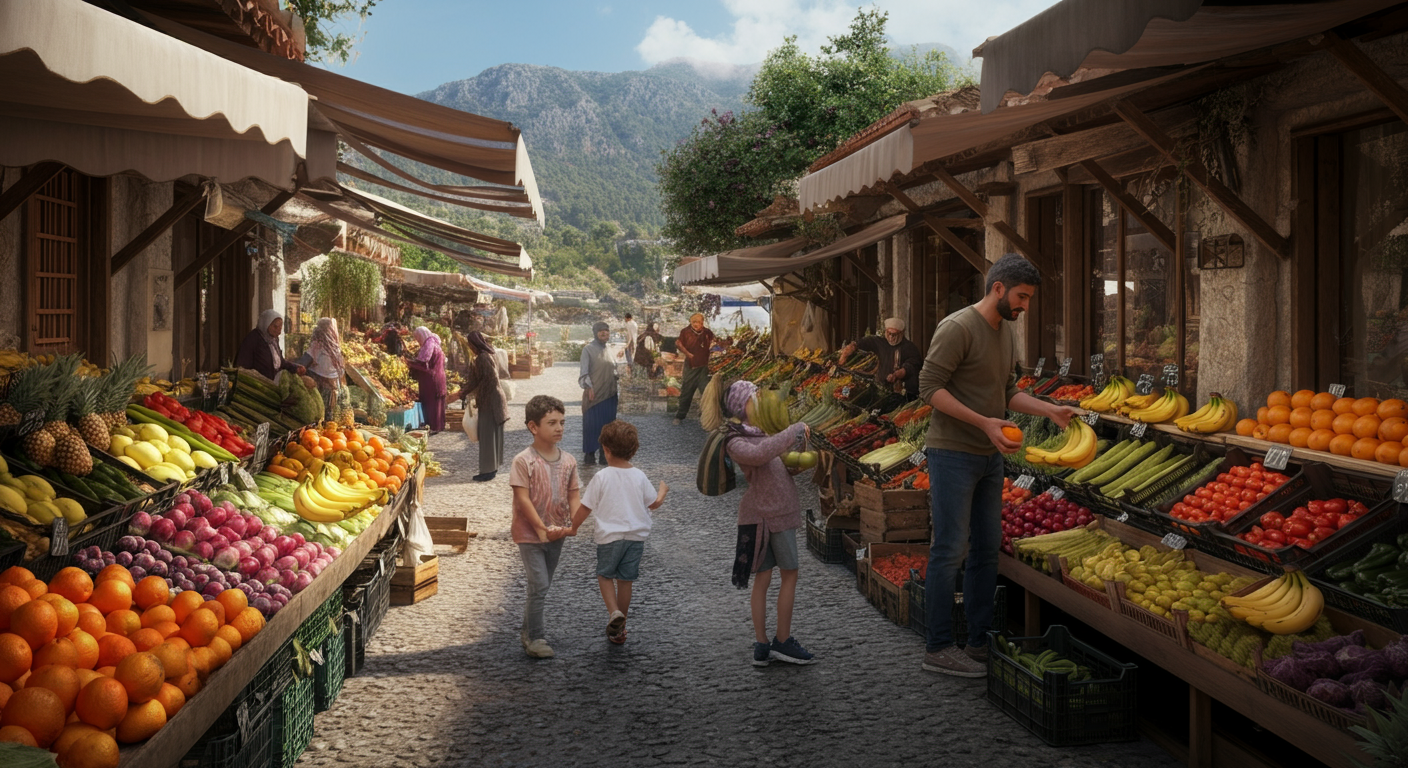
Fresh fruit you peel yourself – oranges, bananas, melons – is usually safe. If you buy berries, grapes or tomatoes to eat raw straight away, rinse with bottled water at your accommodation if possible.
4. Restaurants, meze and buffet dining
4.1 Choosing where to sit down
In resort areas and cities, menus are often in English and staff are used to UK visitors. Pay attention to:
- General cleanliness of tables and toilets (ask for “WC” and check quickly)
- How busy it is at typical Turkish meal times (around 13:00–14:00 for lunch, 20:00–21:30 for dinner)
- How cold dishes are stored – in chilled glass counters in meyhane‑style places along Izmir Kordon, Kadiköy’s Yasa Caddesi or Antalya Kaleiçi lanes
4.2 Meze and salads
Meze (small plates) and salads are standard. Common dishes include:
- Cacık: Yoghurt with cucumber, garlic and mint
- Şakşuka: Fried aubergine with tomato sauce
- Haydari: Thick garlicky yoghurt dip
- Çoban salata: Tomato, cucumber, onion, parsley salad
These are usually washed in mains water in restaurant kitchens.
Simple rule: if salads and meze are kept behind glass, look glossy and cool, and the restaurant is busy, most UK travellers eat them without problems. If you are extra cautious, go heavier on cooked meze (grilled peppers, hot mushrooms, fried courgettes) instead of raw salads, especially inland in peak summer heat.
4.3 Buffet dining in large resort complexes
Many coastal areas – Lara Beach near Antalya, Belek, Side, Kemer, Marmaris Siteler district and some parts of Kuşadası – have large holiday complexes with buffet dining. The main hygiene watch‑points are:
- Food that has clearly been out a long time (dry edges on rice, congealed sauces)
- Shared serving spoons left inside trays for hours
- Cold dishes not sitting on ice or in chilled cabinets
- Guests handling bread and fruit with fingers
UK‑friendly tip: Walk the full buffet first, then decide. Go for items cooked fresh at live stations (grill corners, pasta stations, gözleme stands). Choose fruit you can peel (oranges, bananas) and freshly sliced melons kept cold.
4.4 Typical costs for a meal
Prices vary with exchange rates and location, but as a rough idea (check up‑to‑date costs before travel):
- Simple street food (simit, basic dürüm, lahmacun): often £1–£4
- Casual local restaurant set meal (starter, main, soft drink): often £6–£15 in non‑prime areas
- Seafront fish dinner with meze in areas like Kaş harbour or Kuşadası marina: often £15–£35+ depending on fish and drinks
5. Special foods: bread, dairy, fish and sweets
5.1 Bread and baked goods
Turkey’s bread is a highlight and usually very safe:
- Pide: Boat‑shaped flatbread with toppings, from small bakeries on side streets of Konyaaltı and Bodrum’s Yeniköy area.
- Lavaş: Thin flatbread served hot and puffed‑up in many grill restaurants across Dalyan and Datça.
- Simit: Mentioned earlier, sold everywhere from Taksim Square to Izmir’s Karşıyaka ferry station.
Bakeries (fırın) start early; if you see trays being pulled fresh from stone ovens on side streets like Istanbul’s Kurtuluş Caddesi or Antalya’s Şarampol Caddesi, that is ideal.
5.2 Dairy and cheese
Common dairy products include:
- Yoghurt: Served with mains, soups and meze, usually pasteurised and widely eaten.
- Kaymak: Clotted cream often eaten with honey at breakfast, especially in Black Sea or Central Anatolian style eateries.
- Beyaz peynir and kaşar: White salty cheese and yellow melting cheese served at breakfast buffets country‑wide.
At open village markets in hot inland areas (for example, on the drive from Denizli to Pamukkale or on smaller roads around Muğla province), cheeses may sit out on stalls for several hours. If you have a delicate stomach, buy pre‑packed dairy from supermarket fridges instead.
5.3 Fish and seafood
Coastal towns such as:
- Antalya (Konyaaltı seafront, Lara Beach road)
- Bodrum (marina promenade, along Neyzen Tevfik Caddesi)
- Kaş (harbourfront on Süleyman Sandal Sokak)
- Ayvalık (Cunda Island waterfront)
are known for grilled fish. To minimise risk:
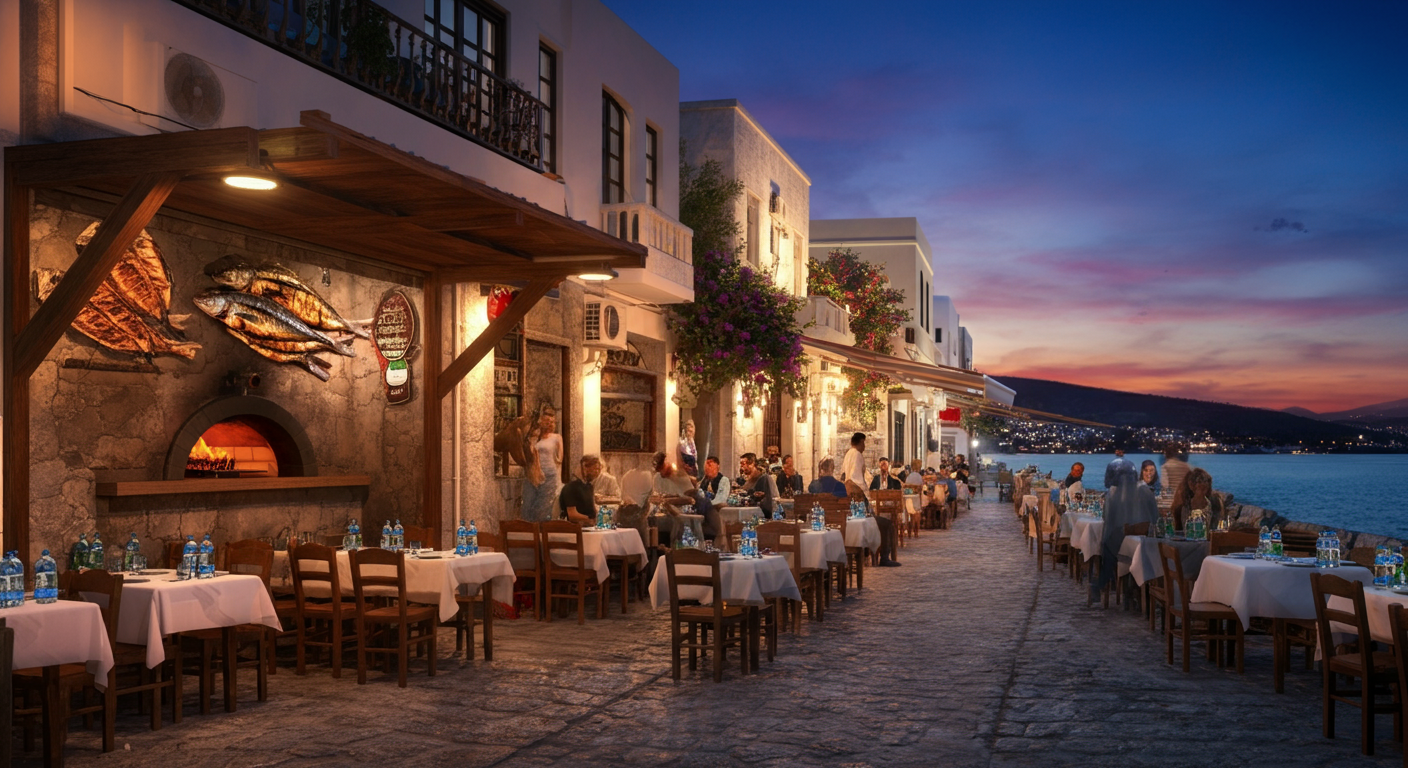
- Choose busy fish restaurants where you can see fresh fish in chilled displays.
- Avoid fish that smells strongly “fishy” or looks dull and dry.
- In tiny inland towns with very slow turnover, consider sticking to grilled meat or vegetarian dishes instead.
5.4 Sweets and ice cream
Baklava shops line streets near Istanbul’s Sirkeci, Gaziantep‑style dessert shops appear in Izmir’s Gazi Bulvarı and ice‑cream stands (dondurma) appear in every resort from Ölüdeniz seafront to Alanya’s Atatürk Caddesi. Sweets are usually low risk; your main concern is sugar and portion size.
For ice cream, choose places where tubs are covered or stored deep in a freezer cabinet rather than open trays exposed to the pavement.
6. Avoiding tummy troubles – practical hygiene habits
6.1 Simple daily habits
- Wash or sanitise hands before eating; carry a small sanitiser, especially when using public transport like Istanbul’s tram T1 line between Bağcılar and Kabataş or the Antalya–Lara minibus route.
- Stay well hydrated; in coastal heat (Side, Alanya, Marmaris) drink water regularly, not just fizzy drinks or alcohol.
- Be modest with alcohol on the first few days so your body adjusts to heat and new foods.
6.2 What to pack from the UK
Useful small items include:
- Oral rehydration salts
- Anti‑diarrhoea tablets (as per NHS or GP advice)
- Antacids if you have reflux or are not used to spices
- A small thermometer for children
Pharmacies (eczane) are easy to spot – red “E” signs – along main streets such as:
- Antalya’s Işıklar Caddesi
- Alanya’s Atatürk Caddesi
- Bodrum’s Cevat Şakir Caddesi
- Fethiye’s İnönü Bulvarı
Many pharmacists in busy resorts are used to UK visitors and often speak at least basic English.
6.3 When to seek local medical help
If you experience any of the following, contact a doctor or clinic:
- Persistent diarrhoea lasting more than 48 hours
- High fever or blood in stool
- Signs of dehydration (very dark urine, dizziness, inability to keep fluids down)
Most resort areas such as Lara, Belek, Marmaris, Bodrum, Kuşadası and Side have private clinics used to international tourists. Your travel insurance or rep can usually direct you; keep policy numbers handy.
7. Special diets and allergies in Turkey
7.1 Vegetarian and vegan travellers
Turkey is generally friendly for vegetarians due to many vegetable dishes. Vegan options exist but sometimes include yoghurt or butter by default.
Useful phrases:
- “Et yemiyorum” – I don’t eat meat.
- “Süt ürünleri yemiyorum” – I don’t eat dairy products.
- “Ben veganım” – I am vegan (you may still need to explain).
In neighbourhoods like Istanbul Kadiköy’s Yeldeğirmeni and Moda districts, or along Izmir’s Alsancak Kıbrıs Şehitleri Caddesi, plant‑forward options are more common.
7.2 Gluten‑free considerations
Traditional Turkish food is heavily wheat‑based (bread, börek, bulgur). However, many grilled dishes and vegetable casseroles are naturally gluten‑free if you avoid bread and bulgur.
Phrases to show staff:
- “Gluten yemiyorum.” – I do not eat gluten.
- “Bu yemekte un veya ekmek var mı?” – Does this dish contain flour or bread?
In modern city districts like Istanbul’s Nişantaşı or Ankara’s Çankaya, gluten‑conscious menus are becoming more visible, but always double‑check sauces and soups.
7.3 Nut and other serious allergies
Many Turkish desserts (baklava, kadayıf, helva) use pistachios, walnuts or hazelnuts. Cross‑contamination is common, especially in dessert shops around Istanbul’s Fatih and Eminönü districts.
If you have a serious allergy, prepare a clear, printed card in Turkish. For example:
- “Fındık, fıstık, ceviz ve tüm kuruyemişlere karşı çok ciddi alerjim var. Lütfen yemeğimde ve mutfakta hiç olmamasına dikkat edin.” – I have a very serious allergy to hazelnuts, pistachios, walnuts and all nuts. Please ensure there are none in my food or in the kitchen.
Show this card to staff in restaurants, kebab houses and dessert shops, especially in busy areas like Istiklal Caddesi, Kemeraltı Bazaar in Izmir and Kaleiçi in Antalya.
8. Regional notes: Istanbul, Antalya coast, Bodrum & Aegean
8.1 Istanbul
Typical safe patterns:
- Use bottled water for drinking; tap water is usually fine for teeth brushing in central districts.
- Street food is widely eaten along Istiklal Caddesi, Karaköy waterfront, Kadiköy Çarşı and Beşiktaş Çarşı; focus on busy stalls with constant grilling.
- In the Spice Bazaar (Mısır Çarşısı) and around Sultanahmet tram stops, be conservative with uncovered sweets and spices if you have allergies or a sensitive stomach.
Public transport (tram, metrobus, ferries) gets crowded; this is where hand sanitiser earns its place.
8.2 Antalya & Mediterranean resorts
Areas like Lara Beach, Konyaaltı, Kemer, Belek, Side and Alanya are used to holidaymakers from the UK, Germany and Russia.
- Hydration is crucial in peak season (July–August); temperatures along D‑400 coastal road can be very high.
- Buffet dining is common in large accommodation complexes; prioritise freshly cooked grill and show‑cooking stations.
- In Antalya’s old town (Kaleiçi, around Hesapçı Sokak and Hıdırlık Sokak), small family‑run restaurants offer freshly cooked regional dishes; turnover in the evening is usually strong.
Dolmuş (shared minibuses) run between areas such as Antalya city centre and Konyaaltı, Lara and surrounding suburbs. Keep a small sanitiser for after handling cash on these routes.
8.3 Bodrum Peninsula and Aegean coast
The Bodrum Peninsula, Kuşadası, Didim, Çeşme and Fethiye all mix international tourism with local life.
- In Bodrum, seafront promenades along Neyzen Tevfik Caddesi and Dr. Alim Bey Caddesi are lined with eateries – look for places with locals as well as tourists.
- Fethiye harbour area and Paspatur old town have many meze and fish places; fish sold each morning at Fethiye Fish Market is quickly cooked in nearby restaurants.
- Kuşadası cruise‑ship days can be busy; in the streets behind the port, such as Barbaros Caddesi, aim for spots with visible food preparation rather than pre‑plated tourist menus.
On journeys inland from coastal resorts – for example, Fethiye to Saklıkent Gorge, Antalya to Termessos, or Kuşadası to Ephesus – roadside lokantas on the D‑roads often serve simple, freshly cooked stews and grilled meats. Many travellers find these easier on the stomach than heavy resort buffets.
9. Quick planning checklist for UK travellers
- Plan to use bottled or filtered water for drinking; tap water generally fine for brushing teeth in main cities and resorts.
- Carry travel‑sized sanitiser, rehydration salts and basic stomach medication.
- Prioritise freshly cooked dishes, busy venues and chilled displays for salads and meze.
- Be a bit more cautious with buffets, uncovered desserts and long‑sitting food in extreme heat.
- Prepare allergy or diet cards in Turkish if you have strict requirements.
- Know where the nearest pharmacy (eczane) is to your accommodation; ask reception or check maps around main streets like Atatürk Caddesi or İsmet İnönü Bulvarı in your resort.
For broader planning around areas and concepts, explore: Antalya region holiday guide, Bodrum vs Marmaris: where to stay, and first‑time Turkey travel checklist.
FAQ
Is it safe to drink tap water in Turkey for UK visitors?
In most major cities and resorts the tap water is treated, and many people use it for brushing teeth and making tea. However, a lot of locals still prefer bottled or filtered water for drinking because of taste and possible minor stomach upset. Many UK travellers follow the same approach: tap for teeth and kettle, bottled for direct drinking.
Can I eat salads and fresh vegetables in Turkey?
Yes, many travellers happily eat salads and raw vegetables across Turkey. Pick places where salads are kept cool behind glass, look freshly prepared and the restaurant is busy, especially in hotter areas like Antalya, Side, Fethiye and Bodrum. If you are cautious, favour cooked vegetables and meze on your first day or two.
Is Turkish street food safe?
Street food is widely eaten by locals on streets such as Istiklal Caddesi in Istanbul and along Antalya’s Konyaaltı promenade. Choose stalls with high turnover, visible hand‑washing or utensil use, and food cooked to order. Avoid items that sit lukewarm for long periods or are handled with bare hands after money.
What should I do if I get diarrhoea in Turkey?
Most mild cases settle within 24–48 hours. Focus on oral rehydration salts, clear fluids and light foods like plain rice, bananas and yoghurt. If symptoms are severe (high fever, blood in stool, signs of dehydration) or last more than 48 hours, seek medical help at a local clinic or hospital and contact your travel insurer.
Can vegetarians and vegans eat easily in Turkey?
Vegetarians usually manage well due to the variety of vegetable stews, lentil dishes, meze and breakfasts. Vegans need to be a bit more specific because yoghurt and butter appear frequently. Learn and show basic Turkish phrases and ask staff in person, especially outside big city districts where plant‑based diets are less common.
Is ice safe in drinks in Turkish resorts?
In established bars and restaurants in big resorts and cities, ice is typically made from treated water and handled in a food‑safe way. Most UK visitors use it without issues. If you have a very sensitive stomach, you can simply ask for your drink without ice (“Buzsuz, lütfen”).
Do I need water purification tablets for Turkey?
In normal tourist itineraries – Istanbul, Cappadocia, Antalya coast, Bodrum, Fethiye, Kuşadası – most travellers do not use purification tablets, relying on bottled and filtered water instead. If you plan very remote trekking or camping, you may consider tablets or a filter, but for typical holidays they are not commonly used.

Melis Yıldız
Editör"Modern konfor ve estetik detaylara önem veren Melis, lüks oteller ve tasarım butik konaklamalar üzerine uzmanlaşmıştır."
Guides About
Istanbul Public Transport Guide: Istanbulkart, Metro, Tram & Ferry Explained
İstanbul'da ulaşım karmaşasına son verin! İstanbulkart, metro, tramvay, otobüs ve feribot gibi toplu taşıma ağlarını kolayca anlayın.
Best Istanbul Photo Route: 1-Day Viral Shots (Golden Hour & Crowd Strategy)
İstanbul'un en viral fotoğraf noktalarını keşfedin! Boğaz, Galata ve Tarihi Yarımada'da 1 günde, ışık saatleri ve kalabalık stratejileriyle mükemmel kareler yakalayın.
Istanbul Budget Planner: Economical, Balanced & Comfortable Spending Modes Guide
İstanbul gezinizi bütçenize uygun planlayın! Ekonomik, dengeli veya rahat modlarla harcama mantığını keşfederek şehri doyasıya yaşayın.
Istanbul with Kids Guide: Baby & Toddler Checklists | Hot Weather & Rainy Day Plan
İstanbul'da çocukla gezmek artık çok kolay! Bebek/çocuk kontrol listeleri ve öğle sıcağı/yağmur için özel İstanbul gezi planları bu rehberde.
Istanbul Walkable Neighborhoods: 2-3 Hour Walking Routes & Map Guide
İstanbul'un en güzel semtlerini yürüyerek keşfedin! Tarihi yarımada ve Boğaz çevresindeki 2-3 saatlik mini rotalarla şehri deneyimleyin.

Istanbul Mosque Guide for Tourists: Dress Code, Photography & Prayer Times
İstanbul camilerini ziyaret edecek turistler için giyim, saat ve fotoğraf kuralları rehberi. Cami ziyaretinizden önce bilmeniz gereken tüm detayları basitçe öğrenin.
Istanbul Travel Tips: Avoid Scams & Surprises (Taxis, Restaurants, Tours)
İstanbul'da taksi, menü ve tur sürprizleri yaşamadan güvenle gezmek için basit kuralları keşfedin. Dolandırılmadan keyifli bir İstanbul deneyimi için ipuçları burada.
Istanbul Evening Guide: Safe & Fun Activities & Plans for Families, Couples & Solo Travelers
İstanbul'da akşam ne yapılır? Aile, çift veya tek kişi için Boğaz turu, tarihi mekanlar ve güvenli eğlence seçenekleriyle dolu rehberimizi keşfedin.
Istanbul Rainy Day Itinerary: Indoor Museums, Bazaars & Cafes
İstanbul'da yağmurlu havalarda sıkılmayın! Müzeler, tarihi çarşılar ve şirin kafelerle dolu kapalı mekan rotalarıyla keyifli bir gün geçirin.
Istanbul Sunset Spots: Crowd-Free Hours & Best Sunset Walk Routes
İstanbul'da kalabalıktan uzak gün batımı noktaları ve Boğaz'da eşsiz sunset walk rotalarıyla şehrin büyüsüne kapılın.
Istanbul 1-Day Itinerary: Europe to Asia Route (Hour-by-Hour & Walking Guide)
İstanbul'da bir günde Avrupa'dan Anadolu'ya geçiş rotasını keşfedin! Saat saat planlanmış bu eşsiz gezi rehberiyle iki kıtayı yürüme seviyenize göre deneyimleyin.

Sabiha Gökçen (SAW) to Istanbul Transfer: Easiest Options Guide
Sabiha Gökçen (SAW) havalimanından İstanbul şehir merkezine en kolay ulaşım (metro, Havabüs, taksi) seçeneklerini ve saatinize göre en mantıklı yolu keşfedin.
Istanbul Airport (IST) Transfer Guide: Taxi, Metro, or Private for Late Night Arrivals
İstanbul Havalimanı (IST) gece varışı için taksi, metro veya özel transfer mi? İstanbul'a en hızlı ve konforlu ulaşım seçeneğini keşfedin.

Istanbul Public Transport Guide: Metro, Tram and Ferry Logic
İstanbul'da ulaşımı çözün! Turistler için İstanbulkart nasıl alınır, T1 Tramvay, M2 Metro ve vapur kullanımı, taksi tuzaklarından korunma rehberi.

First Time in Istanbul: 3–5–7 Days Ready Itinerary
İstanbul'u yorulmadan ve kaybolmadan gezmek isteyenler için saat saat planlanmış, en verimli 3 günlük, 5 günlük ve 7 günlük hazır turistik gezi rotası.

Where to Stay in Istanbul? Area & Base Selection Guide
İstanbul'da ilk kez nerede kalınır? Sultanahmet, Karaköy, Taksim, Beşiktaş ve Kadıköy bölgelerinin detaylı, artı-eksi analizli, ulaşım odaklı konaklama rehberi.
Best Instagram and Photo Spots in Fethiye Route
Ultimate Fethiye Instagram and photography SEO guide list. Find the best spots: Butterfly Valley viewpoint cliff, Babadag glass terrace, and Ghost Town.
Fethiye Budget Planner: Travel Costs and Saving Tips
Ultimate SEO Fethiye holiday budget planner. Is Fethiye expensive? Guide to food prices, transport, boat trips, and saving tips for smart travelers.
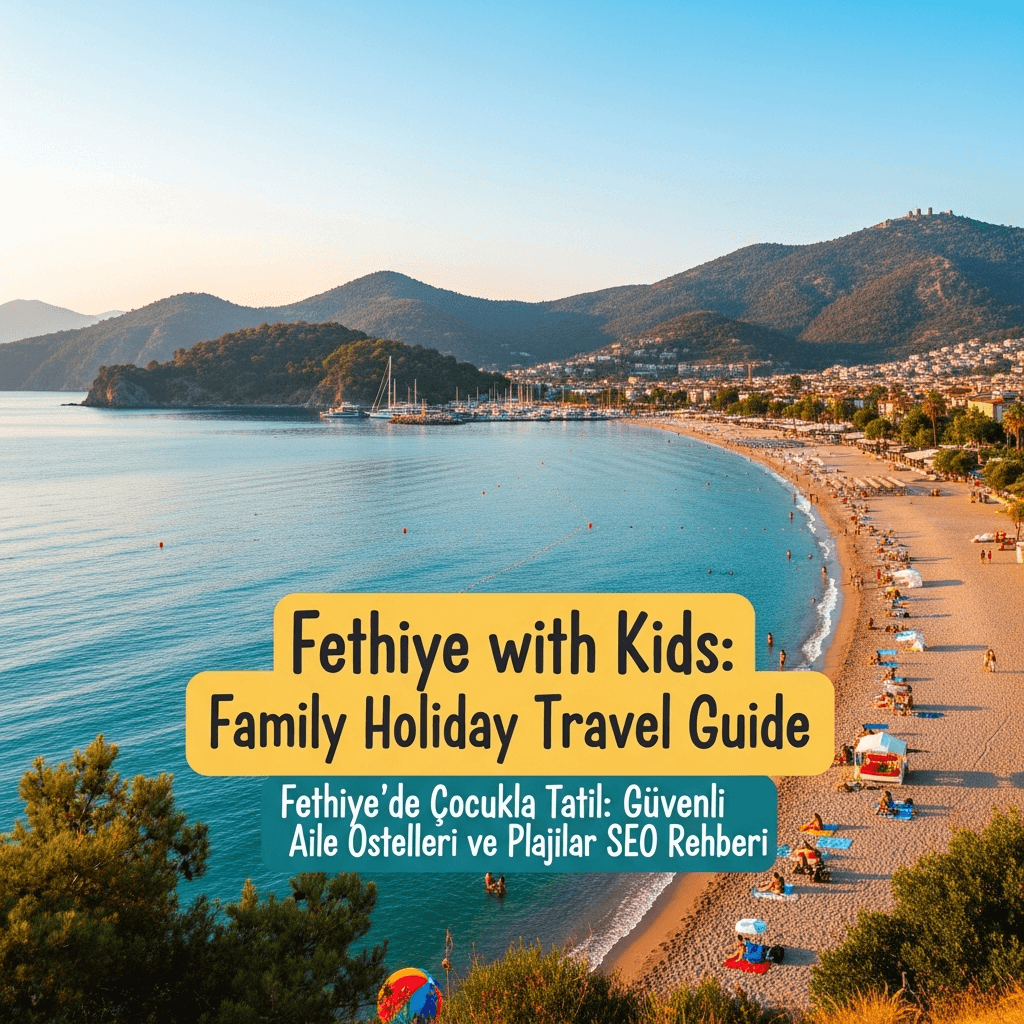
Fethiye with Kids: Family Holiday Travel Guide
Ultimate family SEO travel guide to Fethiye with kids and toddlers. Best shallow beaches, stroller-friendly hotels, and safe family boat trips listed.
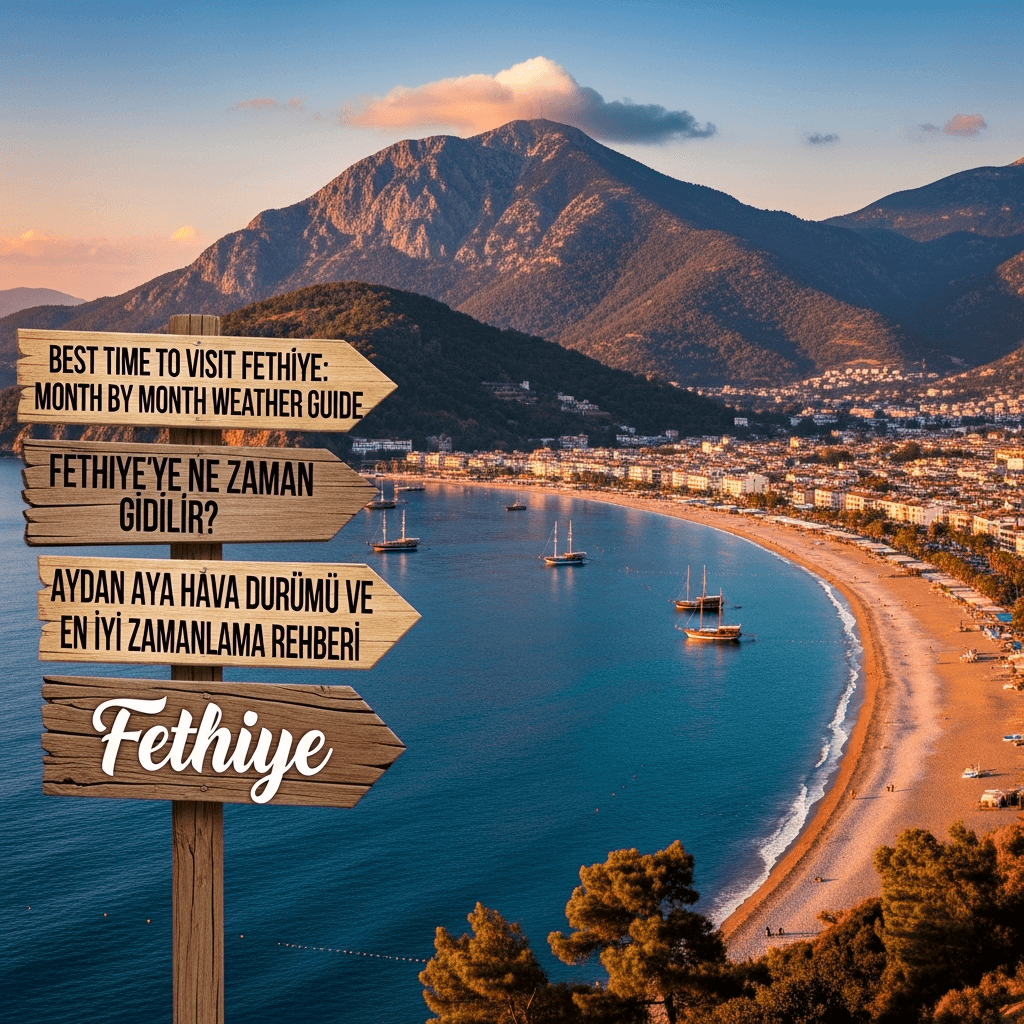
Best Time to Visit Fethiye: Month by Month Weather Guide
When is the best time to go to Fethiye? Detailed SEO weather guide month by month. Summer peaks, autumn sea temperatures and spring trekking tips.
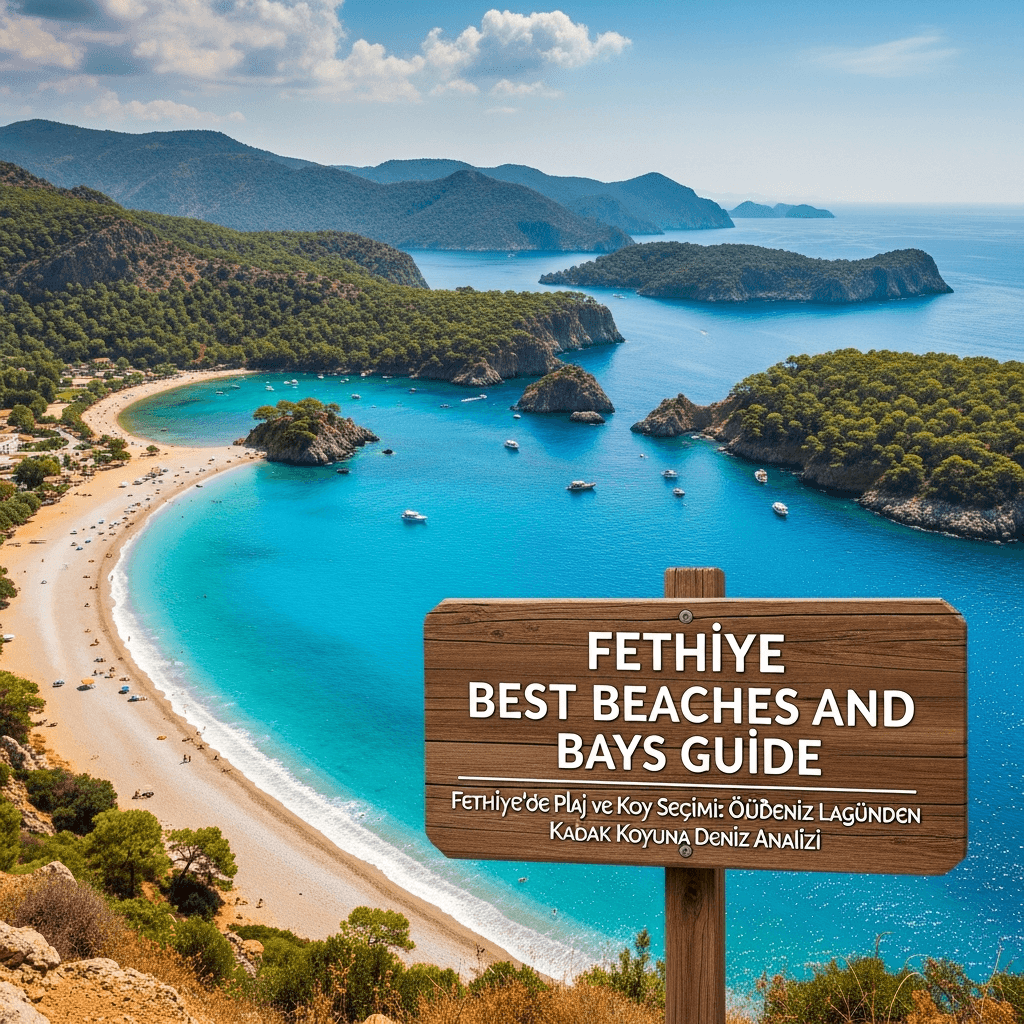
Fethiye Best Beaches and Bays Guide
Comprehensive SEO guide to Fethiye's best beaches. Compare Blue Lagoon, Belcekiz pebbles, Calis beach wind, and hidden Kidrak/Kabak bays.
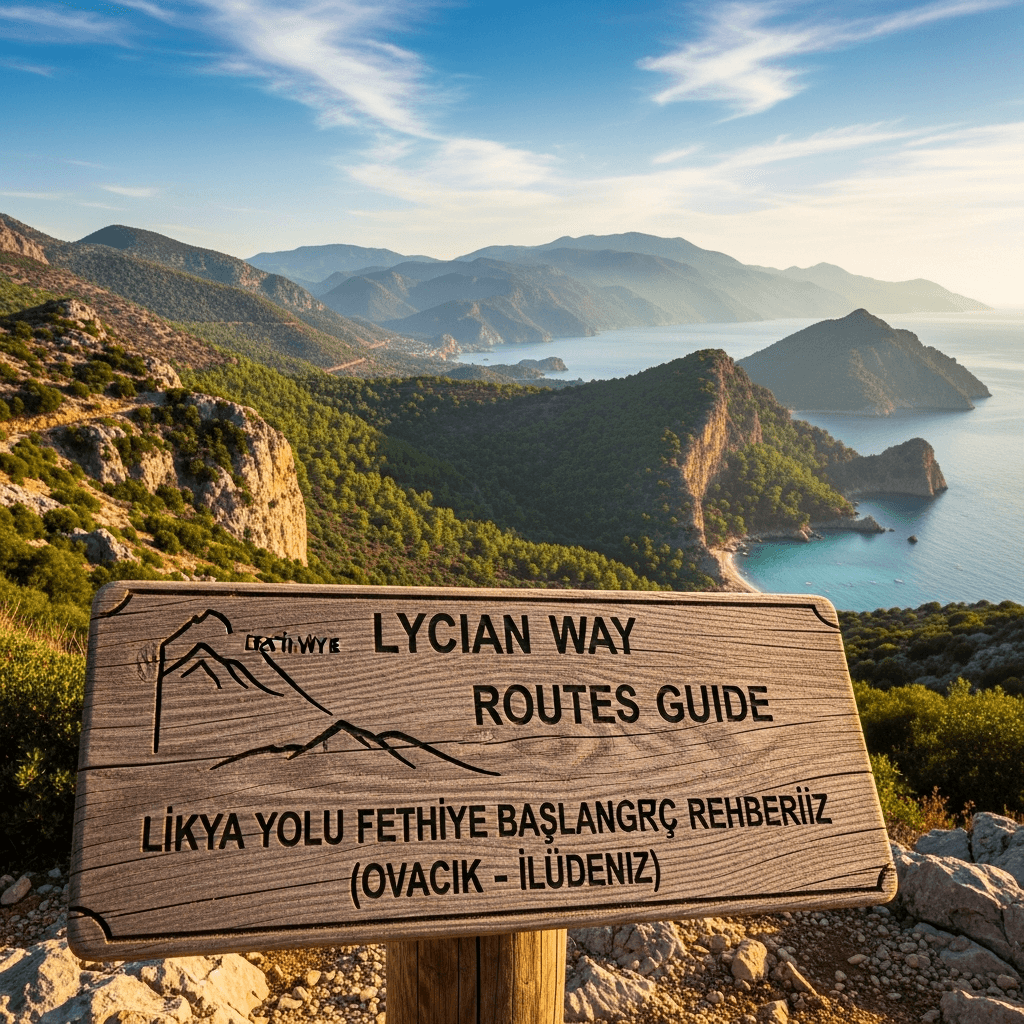
Lycian Way Fethiye Routes Guide
Ultimate Guide to starting the Lycian Way from Fethiye (Ovacik, Faralya, Kayakoy). Daily hiking routes, trails, maps, and offline tips with full SEO tables.
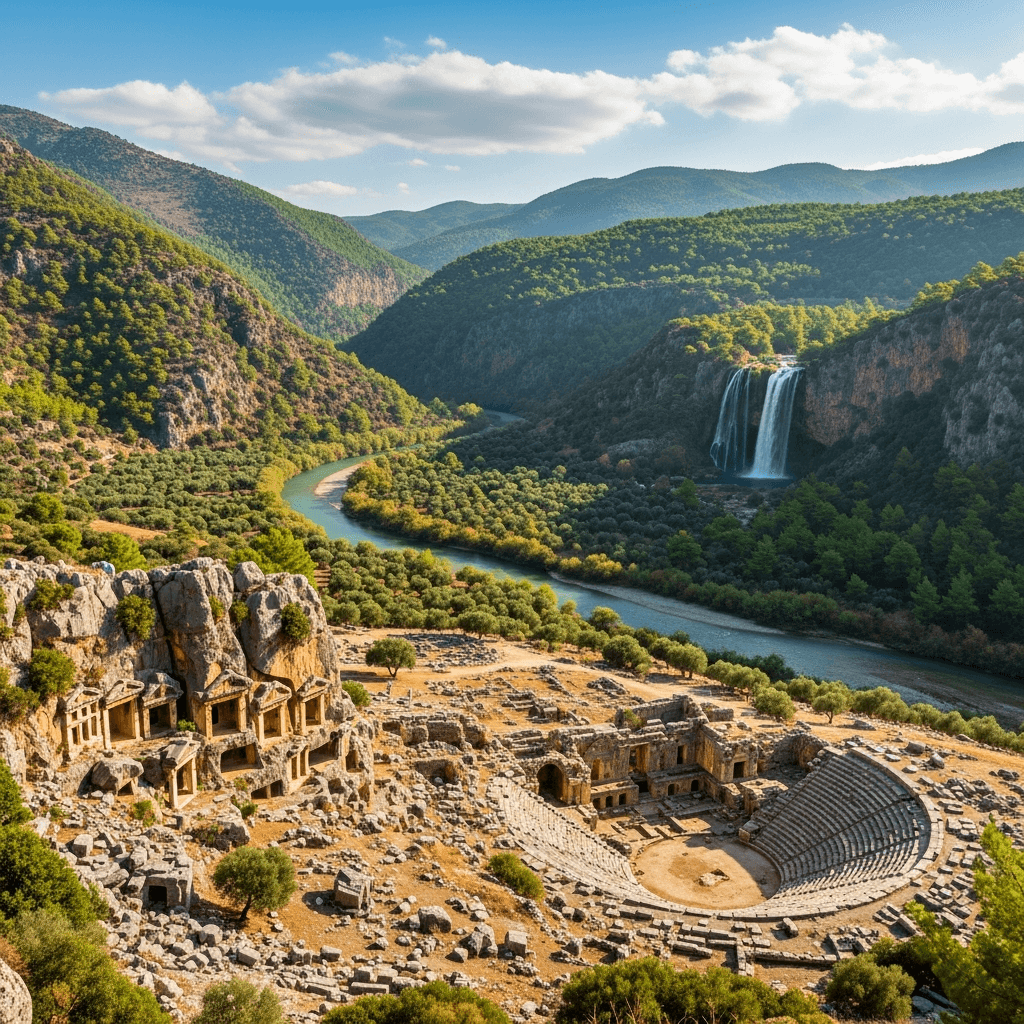
Tlos Ancient City & Yakapark Day Trip Guide
Ultimate Fethiye day trip SEO guide: Morning at Tlos Ancient City and Lycian rock tombs, afternoon lunch at Yakapark waterfalls, and Saklikent alternatives.
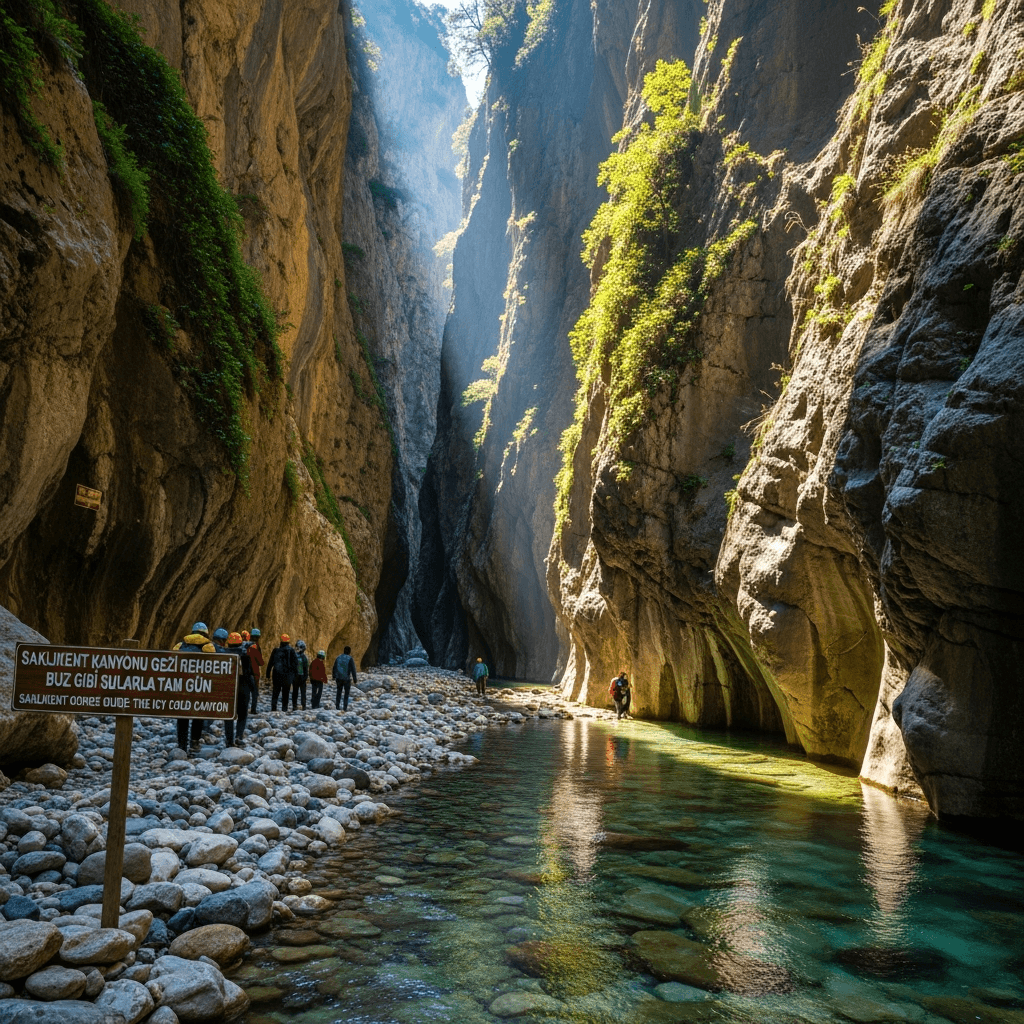
Saklikent Gorge Guide: The Icy Cold Canyon
Ultimate SEO guided Fethiye Saklikent Gorge and Canyon travel guide. Tips for hiking the icy river, mud baths, and comparing Gizlikent Waterfall.
Best 5 Sunset Spots in Fethiye
Where to watch the best sunset in Fethiye? Detailed SEO guide for Calis beach, Babadag 1700m, and Sovalye island sunsets with tables and tips.
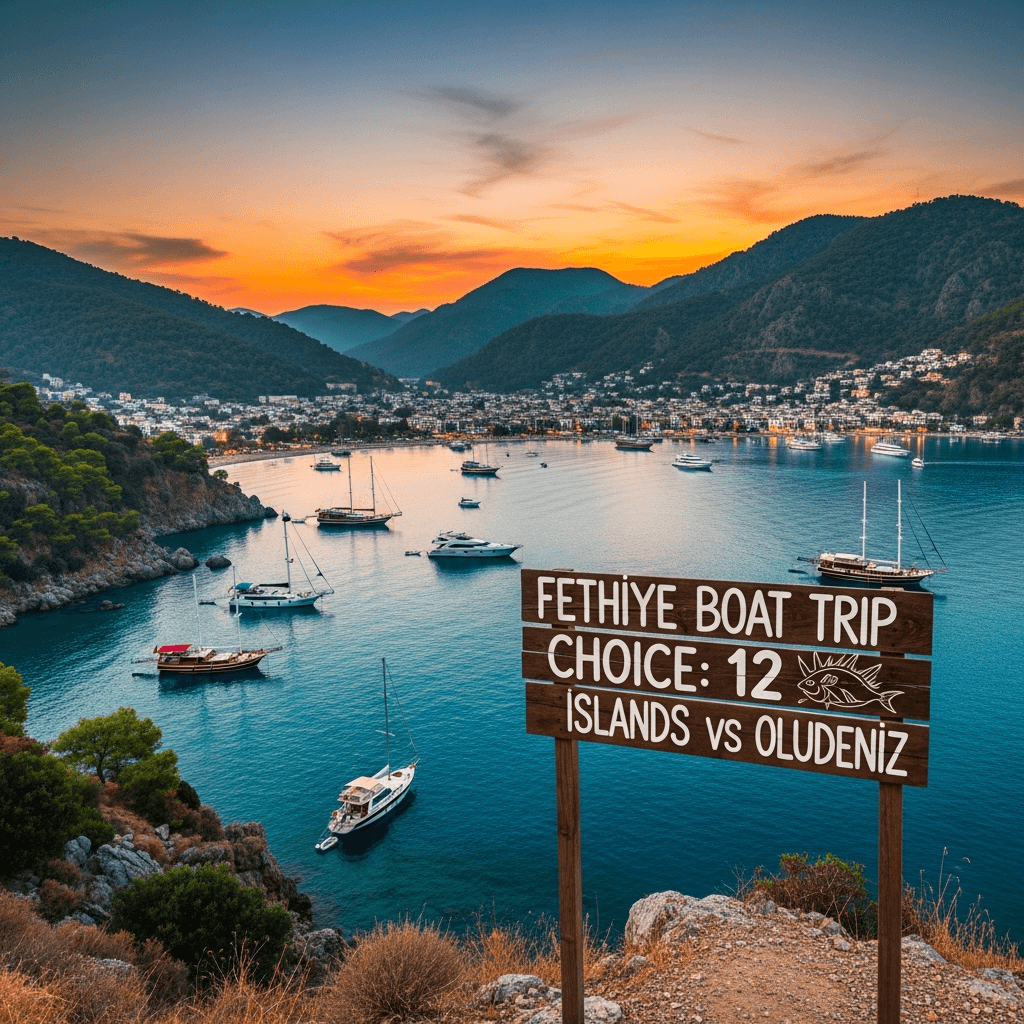
Fethiye Boat Trip Choice: 12 Islands vs Oludeniz
Ultimate comparison between the 12 Islands Boat Trip and the Oludeniz Butterfly Valley boat tour. Detailed SEO travel guide with tables and tips.
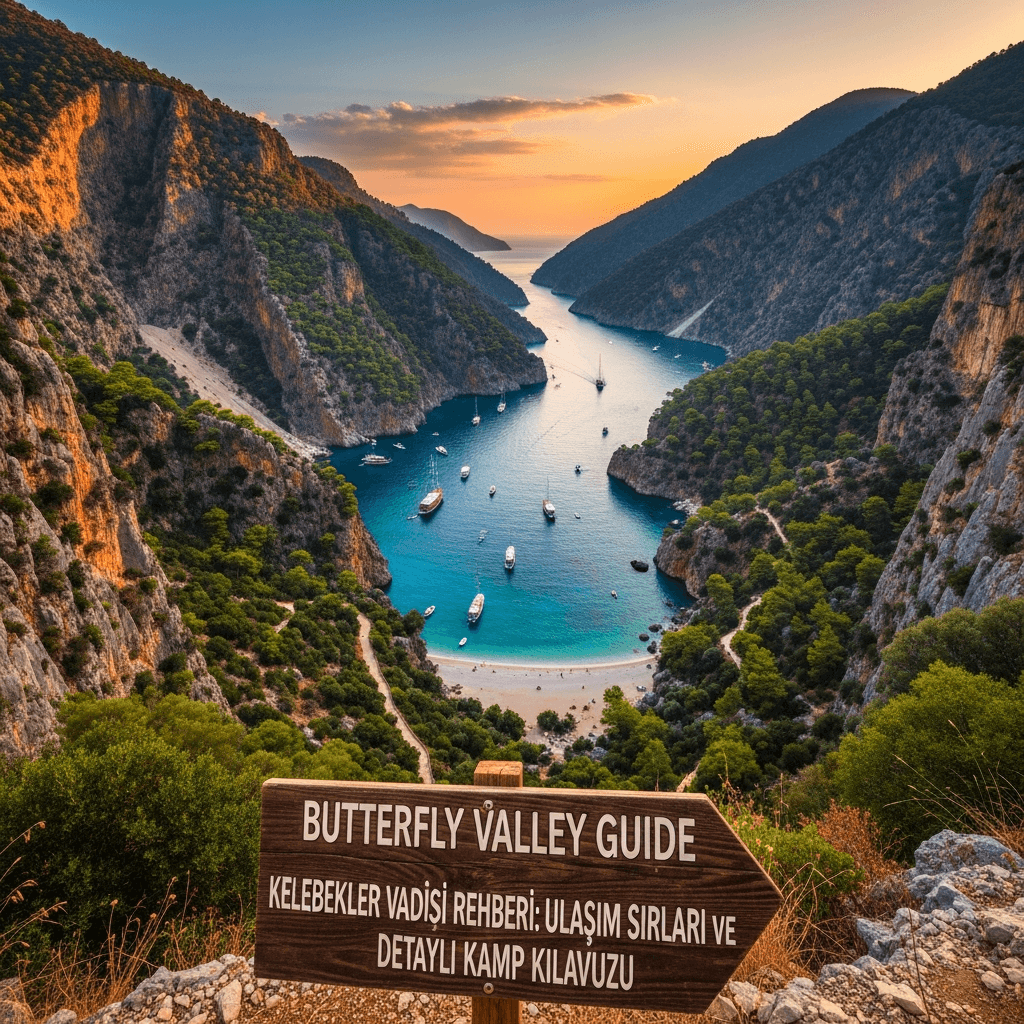
Butterfly Valley Guide
Ultimate SEO guided Fethiye Butterfly Valley travel guide. How to get there by boat or hike, best camping spots, and waterfall trekking tips.
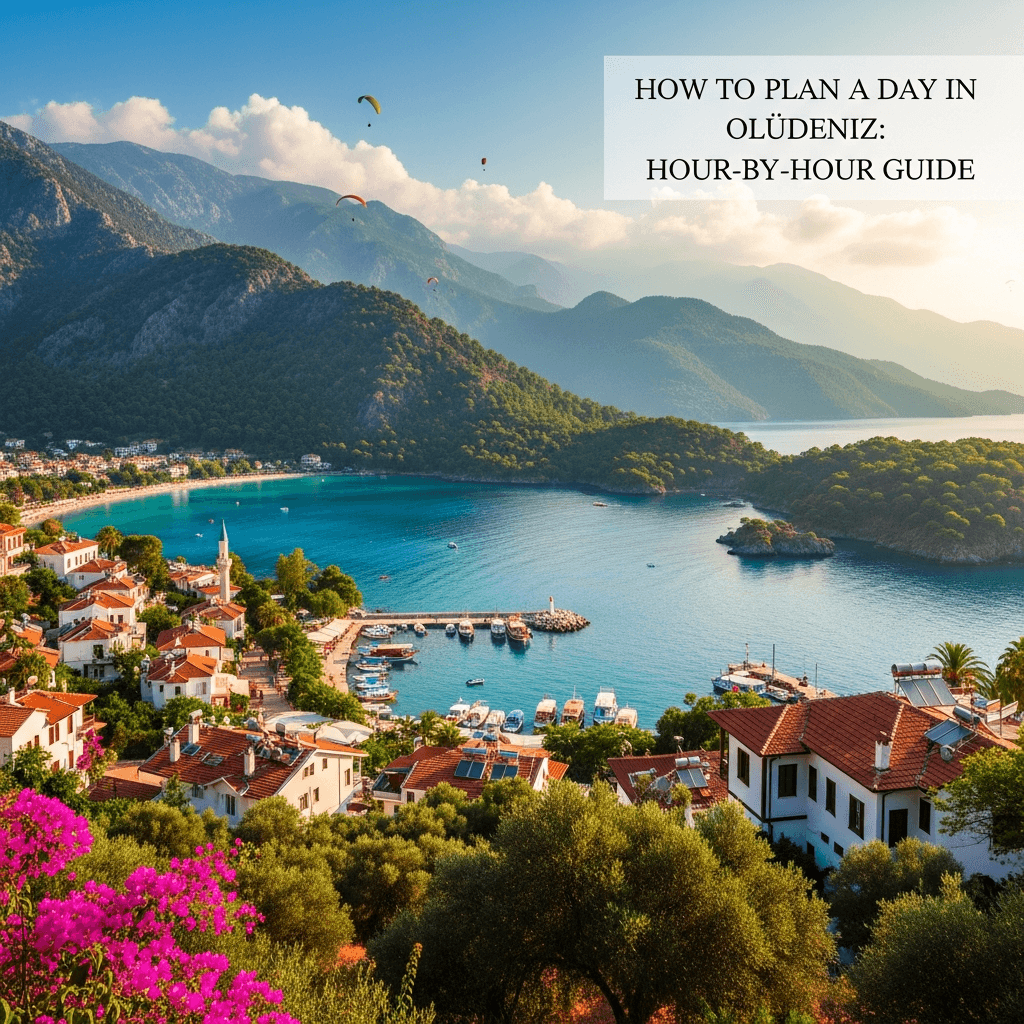
How to Plan a Day in Oludeniz: Hour-by-Hour Guide
An hour-by-hour itinerary for visiting Oludeniz, Kumburnu Blue Lagoon, Belcekiz beach, and the Babadag cable car. Essential tips for your holiday.
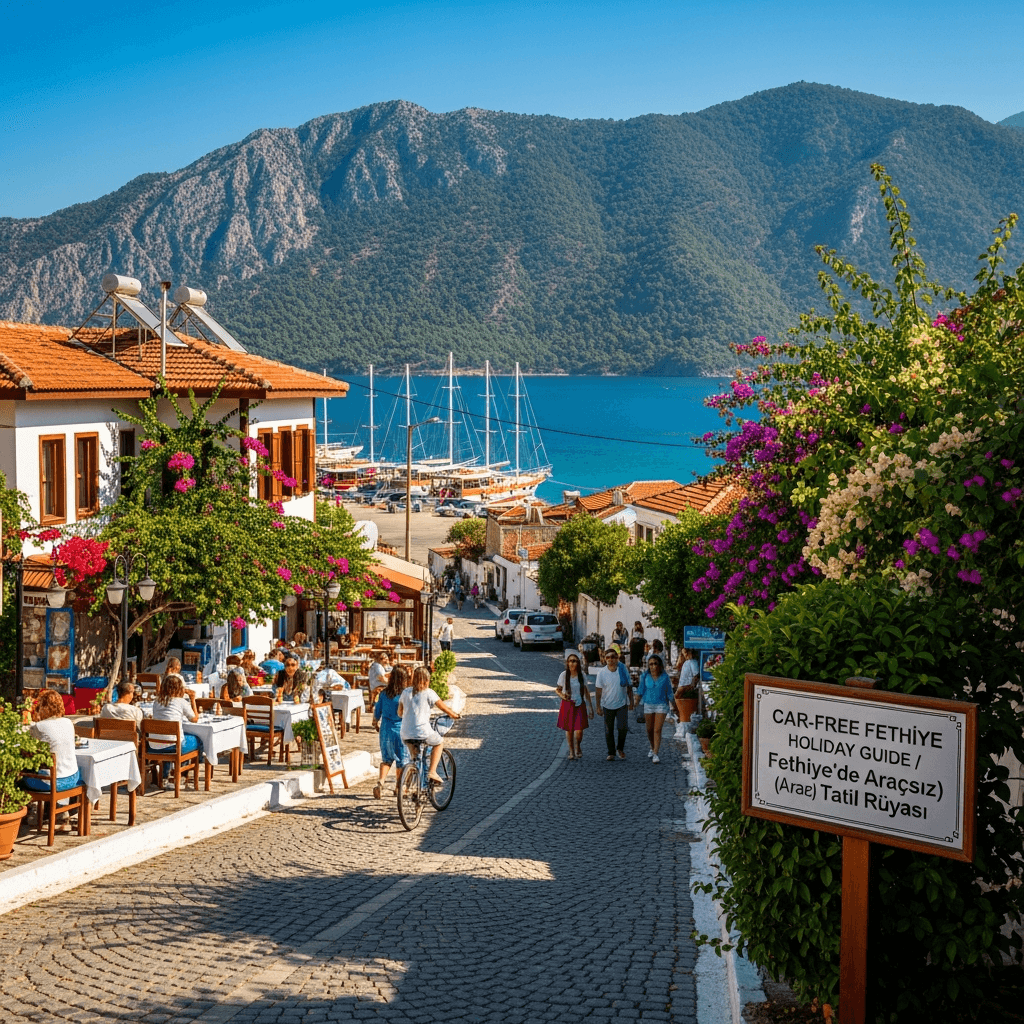
Car-Free Fethiye Holiday Guide
Discover how to enjoy a completely car-free holiday in Fethiye. Full transportation guide including water taxis, local dolmus, and walking trails.
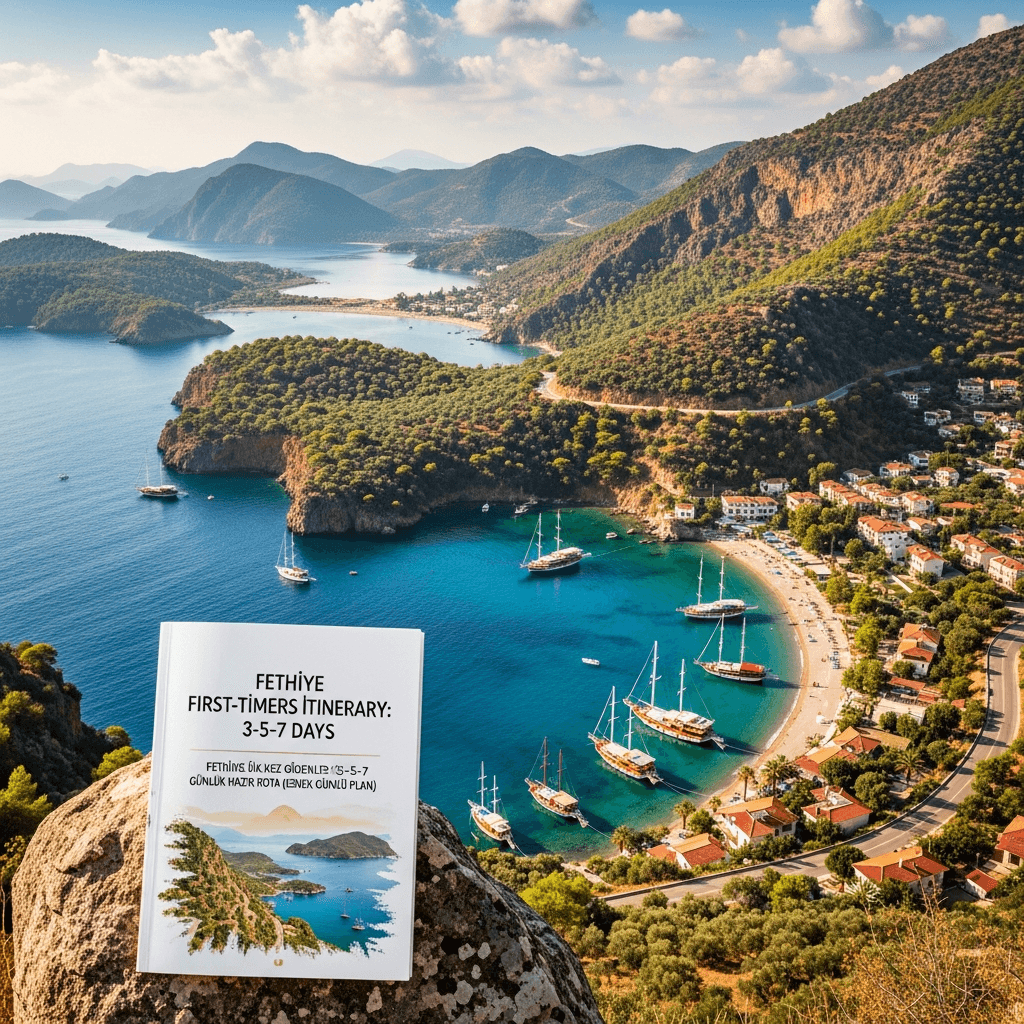
Fethiye First-Timers Itinerary: 3-5-7 Days
An optimized and flexible 3, 5, or 7-day itinerary for your first visit to Fethiye. Unmissable spots like Oludeniz, Saklikent Gorge and Babadag.
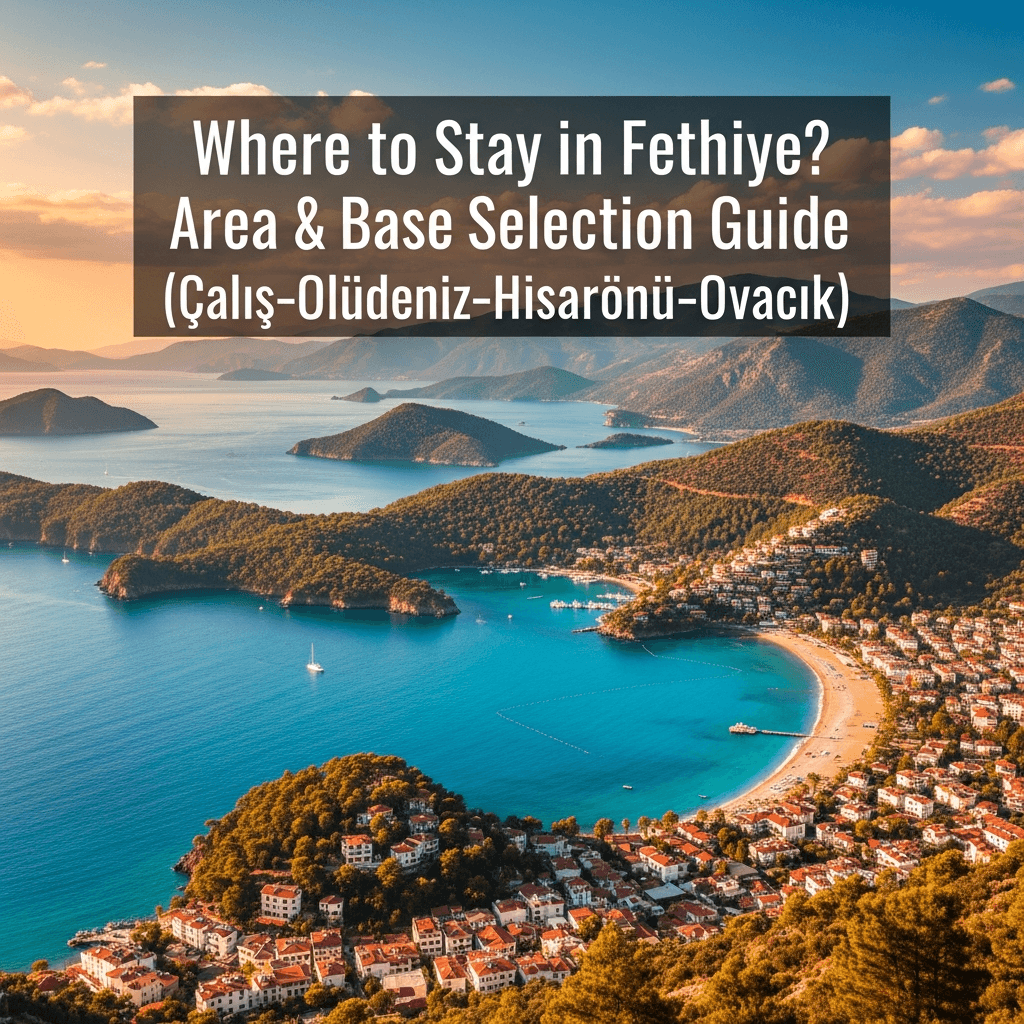
Where to Stay in Fethiye? Area & Base Selection Guide
Where to stay in Fethiye, Turkey? An extensive area-by-area guide choosing between Calis Beach, Oludeniz, Hisaronu, Ovacik and the Town Center.
Did you find this guide helpful?
Check out our other guides to discover more hidden gems in .
Explore All Guides