Emergency Numbers & Getting Help in Turkey: Guide for UK Travellers
Clear guide for UK travellers on emergency numbers, medical help, police, roadside assistance and consular support in Turkey. What to save before you fly.
Hızlı Özet
- • best places to visit
- •Local restaurant and cafe recommendations
- •Accommodation options and price ranges
- •Transportation info and tips
Table of Contents
Emergency Numbers & Getting Help in Turkey: Guide for UK Travellers
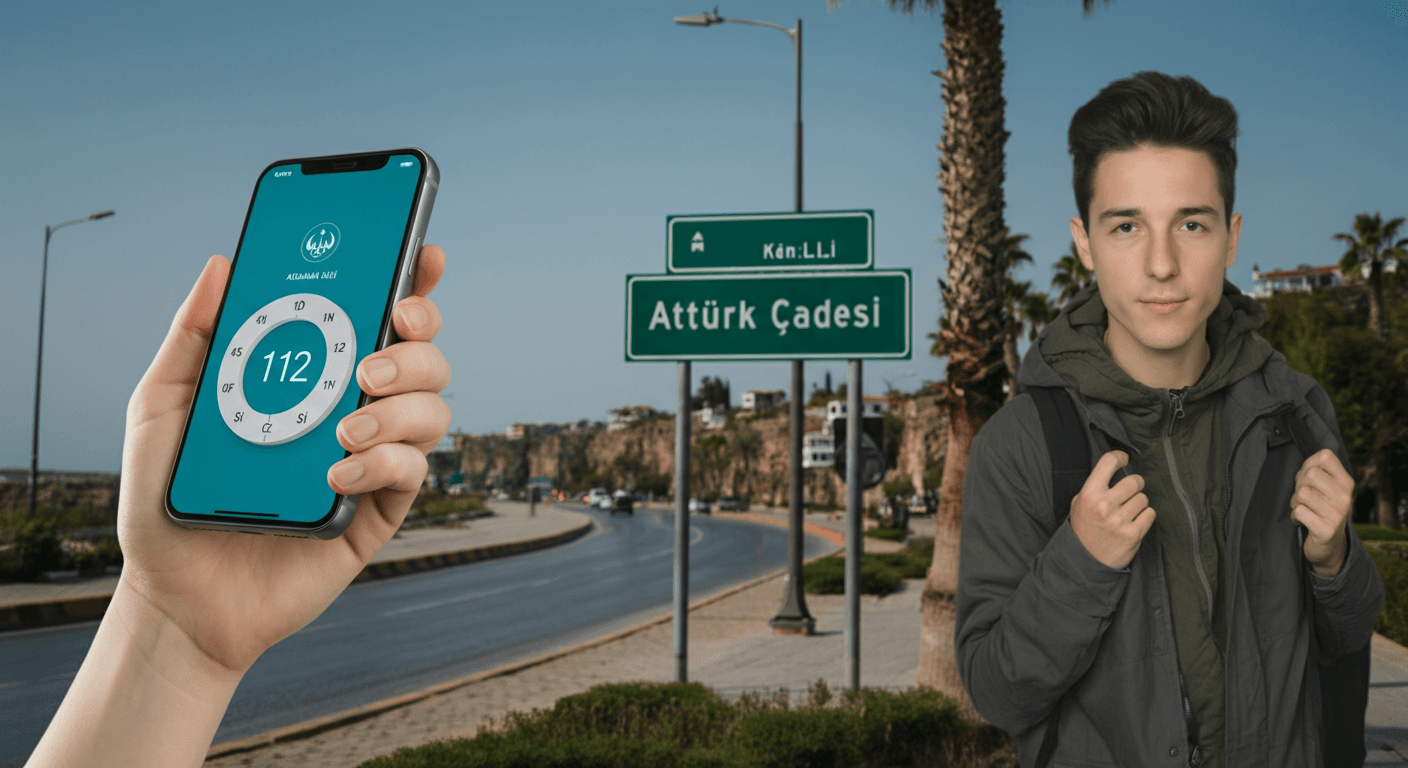
- Save 112 on your phone – it is the unified emergency number in Turkey (ambulance, police, fire, coastguard).
- In most cities you can ask for an English-speaking operator when you call 112, but be ready to give simple information slowly.
- Know your exact location: street names like Atatürk Caddesi in Antalya or Barlar Sokağı in Bodrum help emergency services find you quickly.
- For medical issues that are not life‑threatening, many travellers use private clinics and hospitals and pay via travel insurance – call your insurer’s emergency line first.
- On Turkish motorways such as the D400 coastal road or around Otoyol O-7 near Istanbul Airport, use the orange SOS phones where available or call 112 for roadside help after an accident.
- Always keep copies of your passport, insurance policy, EHIC/GHIC (if applicable for identity) and your insurer’s 24/7 helpline both on your phone and on paper.
- For serious incidents (arrest, lost passport, major accident), contact the British Embassy in Ankara or the British Consulates in Istanbul, Izmir or Antalya.
- Download offline maps for areas like Sultanahmet in Istanbul, Kaleiçi in Antalya and Gümbet & Bodrum town centre so you can read out nearby street names even without data.
If you are travelling from the UK to Turkey, the main emergency number you must remember is 112 for ambulance, police, fire and other urgent help. Save 112, your travel insurer’s emergency number and the contact details of the nearest British consular office before you fly, and always be ready to give a clear location using local street names and landmarks.
Introduction: Why UK Travellers Need a Turkey‑Specific Emergency Plan
Emergencies in Turkey work differently from the UK, even though some parts will feel familiar. Turkey now uses a unified 112 system in most provinces, but language, insurance procedures and local geography can still cause confusion, especially in busy areas like Taksim Square in Istanbul or around Lara Beach in Antalya. Having the right numbers saved and a simple plan can make a stressful situation far easier to manage.
This guide focuses on practical, UK‑friendly steps: who to call, what to say, how to get help in destinations such as Istanbul, Antalya, Bodrum, Fethiye, Marmaris and Cappadocia, and how to involve the British consular network when you need extra support.
Core Emergency Numbers in Turkey
112 – The Main Number You Must Know
Simple rule: If in doubt, call 112. It covers:
- Medical emergencies and ambulances
- Police incidents (crime, assaults, thefts in progress, serious disputes)
- Fire and rescue
- Coastal emergencies in many areas
When you call 112, you are typically routed to a central call centre. In many tourist areas – for example near Sultanahmet Meydanı, Istiklal Caddesi, Konyaaltı Beach in Antalya, Bodrum Marina or along the Fethiye Çalış Beach promenade – operators are often used to dealing with foreign visitors.
What to Say When You Call 112
Keep your message short and clear:
- State the type of emergency: “Medical emergency”, “Need police”, “Fire”.
- Say “English?” or “Ing-il-ish” slowly. If they say no, keep it very simple.
- Give your location in this order: city, district, street, nearby landmark.
Examples you can adapt:
- “Medical emergency. Tourist. Istanbul, Fatih, near Divan Yolu Caddesi, close to Sultanahmet tram stop.”
- “Need police. Antalya, Kaleiçi, on Hesapçı Sokak, near Hadrian’s Gate.”
- “Accident. Bodrum, Gümbet, on Adnan Menderes Caddesi, near the main bar street.”
Old Separate Numbers (In Case You See Them)
Some older signs and guides still show separate numbers:
- Police: 155
- Gendarmerie (rural police): 156
- Fire: 110
- Forest fire: 177
- Coastguard: 158
These may still work in some regions, but 112 is typically the simplest option, especially for visitors.
Medical Help: From Ambulances to Clinics
When to Call an Ambulance
Use 112 for:
- Serious chest pain, breathing difficulties, suspected stroke
- Serious injuries, road traffic accidents, falls from height
- Severe allergic reactions, anaphylaxis, major asthma attacks
- Loss of consciousness or confusion
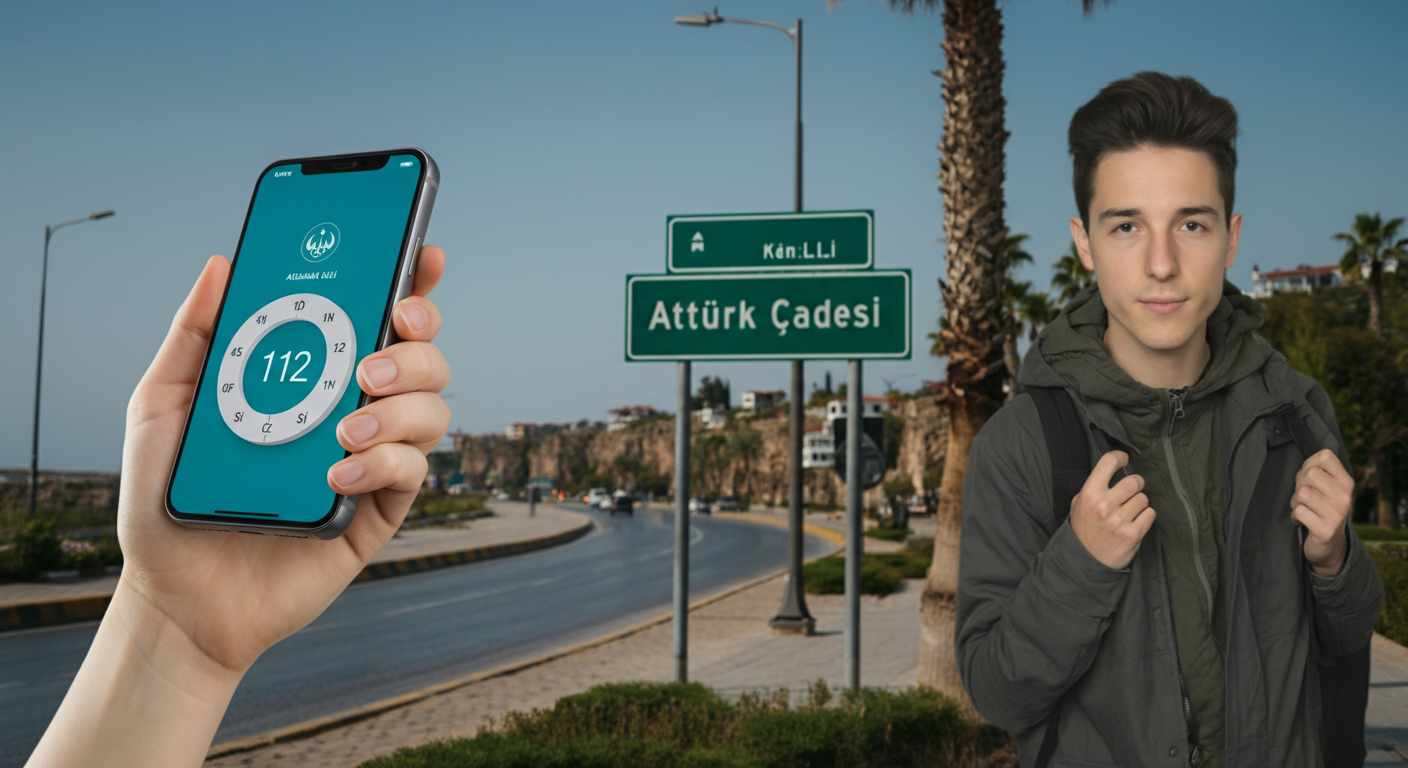
In built‑up areas like central Istanbul (Şişli, Beşiktaş, Kadıköy) and around Antalya city, ambulances are usually reasonably quick, but response times can vary with traffic, particularly along busy roads such as E5 (D100) in Istanbul or Aspendos Bulvarı in Antalya.
Non‑Emergency Medical Care
For minor issues – stomach upsets, mild infections, small injuries – many travellers use:
- Private clinics and hospitals (often with English‑speaking staff in tourist centres).
- Local pharmacies (eczane) for basic advice and over‑the‑counter medicines.
In resort areas like Lara and Konyaaltı in Antalya, Bitez and Ortakent near Bodrum, and Hisarönü above Ölüdeniz, there are usually pharmacies along main streets such as Atatürk Caddesi, Çarşı Caddesi or near central squares where the dolmuş (minibus) routes terminate.
Using Travel Insurance
Simple rule: For anything that might need hospital care, call your travel insurer’s 24/7 helpline as soon as you can.
Insurers often:
- Recommend a specific clinic or hospital in the area.
- Guarantee payment to the hospital so you pay less (or nothing) on the day.
- Arrange medical repatriation if appropriate.
Many insurers publish lists of partner facilities in areas such as Antalya city, Alanya, Bodrum, Marmaris, Fethiye and Kuşadası. Check your insurer’s app or website, or ask the helpline for the closest option to your accommodation.
Police, Theft and Personal Safety Issues
Calling the Police
For urgent police help – violent crime, attacks, serious threats, burglaries in progress – call 112.
Examples of when to call immediately:
- Robbery or attempted robbery in busy areas such as Istiklal Caddesi or around Taksim Square.
- Physical assault in nightlife districts such as Barlar Sokağı in Bodrum, Uzunyalı beachfront in Marmaris, or the bar streets around Atatürk Caddesi in Alanya.
- Serious disputes involving threats or weapons.
Reporting Theft, Scams or Lost Items
For non‑urgent issues (pickpocketing, lost bag, stolen phone), many travellers go directly to a local police station (polis merkezi) to get a report for insurance.
Common locations where visitors might need reports include:
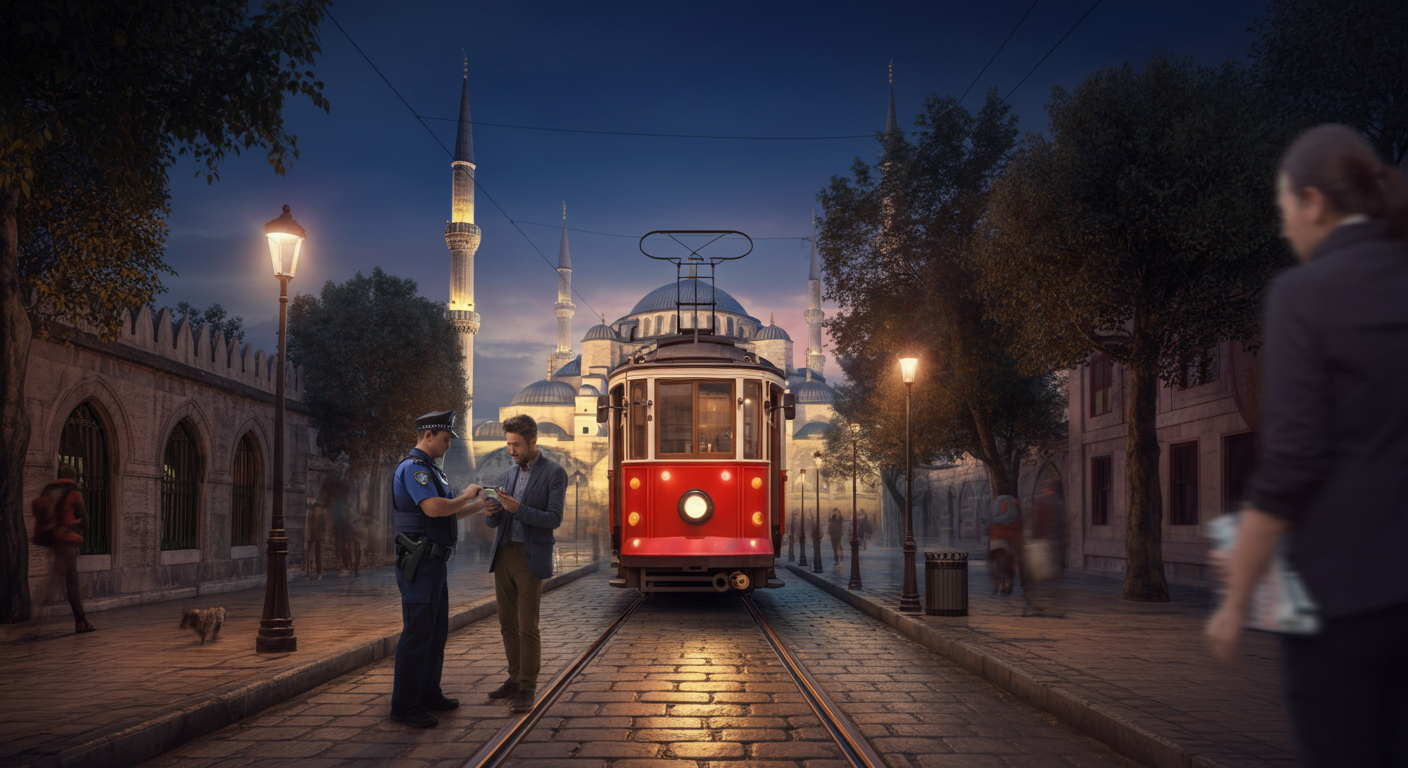
- Near the tram line between Sultanahmet and Eminönü in Istanbul.
- The old town streets of Kaleiçi in Antalya, around Mermerli Sokak and Hesapçı Sokak.
- Busy promenades like Çalış Beach in Fethiye or the marina area in Kuşadası along Güvercinada Caddesi.
Ask your accommodation or a local business to write down the address of the nearest police station, which may be on a central road such as Atatürk Bulvarı or Cumhuriyet Caddesi. Bring your passport copy and any evidence (photos of the bag, serial numbers, proof of purchase).
Roadside Help, Driving Incidents and Accidents
After a Road Accident
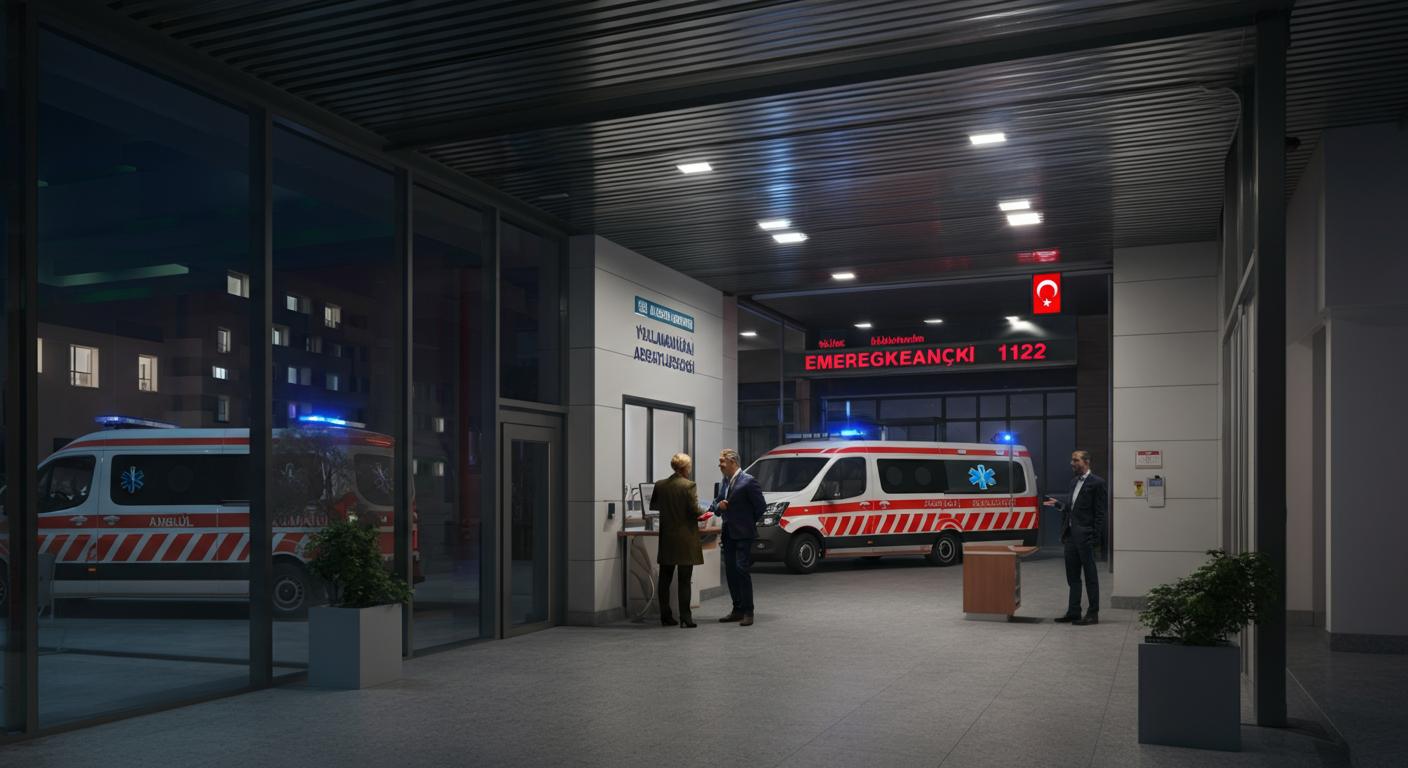
If there are injuries or major damage, call 112 first. Give the road number and nearest junction, for example:
- “Accident on D400 between Antalya and Kemer, near Beldibi turn‑off.”
- “On D330 between Fethiye and Göcek, near İnlice petrol station.”
- “Near O-7 motorway exit for Istanbul Airport.”
For minor bumps with no injuries, Turkish drivers often wait for the traffic police (trafik polisi) to attend, especially on major roads or in city centres.
Rental Car Issues
Simple rule: For breakdowns, punctures, or non‑injury incidents, call your rental company’s emergency line first. They usually provide this number on a key tag or contract.
Be ready to describe your location using:
- The nearest town or junction on roads like D400 (Mediterranean coast), D330 (Marmaris–Fethiye), or D300 (Aegean coast).
- Visible kilometre markers by the roadside.
- Nearby petrol stations or rest areas (dinlenme tesisleri).
Coastal & Outdoor Emergencies
Beach and Sea Incidents
For emergencies in the water along coasts like:
- Konyaaltı and Lara beaches in Antalya
- Gümbet and Bodrum town beach
- Ölüdeniz lagoon and Belcekız Beach near Fethiye
- Marmaris Uzunyalı and İçmeler beaches
call 112 and describe your precise section of the beach – near which jetty, water sports centre, or beach café. Lifeguards (cankurtaran) may be present on main city beaches and can raise the alarm quickly.
Hiking, Paragliding and Rural Areas
Popular walking and adventure areas include:
- The Lycian Way around Faralya, Kabak, and the trails above Ölüdeniz.
- The valleys around Göreme, Uçhisar and Ürgüp in Cappadocia.
- Forest roads above Marmaris and around Datça Peninsula.
For accidents such as falls or heat‑related illness in these areas, call 112 and describe the trailhead or nearest village, for example “Lycian Way, starting from Ovacık above Ölüdeniz, near sign for Kirme Köyü”.
UK‑friendly tip: Before starting a hike, note down the name on the nearest village mosque (e.g. Kabak Camii, Faralya Camii) or bus stop on roads like Fethiye–Kaş D400. These are often used as reference points by local responders.
Language Barriers & How to Be Understood
Key Emergency Phrases
Even basic Turkish words can speed up a response. Useful phrases:
- Ambulans – ambulance
- Polis – police
- Yangın – fire
- Yaralı var – someone is injured
- İngilizce biliyor musunuz? – Do you speak English?
On busy streets such as İstiklal Caddesi, Atatürk Caddesi in many towns, or waterfront promenades like Fethiye Kordon and Bodrum İskele Meydanı, you can usually find someone who speaks some English to help you call 112.
Using Maps and Screenshots
Before you travel, download offline maps for areas you plan to visit:
- Istanbul: around Sultanahmet, Galata, Beşiktaş and Kadıköy.
- Antalya: Kaleiçi, Lara, Konyaaltı, and the D400 corridor towards Side and Alanya.
- Bodrum Peninsula: Gümbet, Bitez, Yalıkavak, Turgutreis.
In an emergency, you can:
- Read the street name and nearest junction to the operator.
- Show the map to a local and ask them to explain your location in Turkish.
British Consular Help in Turkey
When to Contact British Consular Services
British consular staff can assist with:
- Lost or stolen passports (emergency travel documents).
- Serious illness, hospitalisation, or death of a UK national.
- Arrest, detention, or involvement in serious crime cases.
- Contacting family in the UK in severe emergencies.
They cannot pay your medical bills or act as your lawyer, but they can usually provide lists of local lawyers, interpreters and medical providers in cities such as Ankara, Istanbul, Izmir and Antalya.
Key Locations of British Consular Offices
Check the most up‑to‑date addresses and phone numbers on the official UK government website before you travel, but British presence is typically in:
- Ankara – Embassy, primary point for political and consular matters.
- Istanbul – Consulate‑General serving the wider Marmara and northern Aegean region.
- Izmir – Consular presence for Aegean coastal areas, including Kuşadası, Çeşme, and Bodrum Peninsula.
- Antalya – Consular presence serving Mediterranean resorts like Alanya, Side, Kaş, Kemer.
UK‑friendly tip: Save the general Foreign, Commonwealth & Development Office (FCDO) number in your phone and bookmark the travel advice page for Turkey: UK Government Turkey travel advice overview.
Public Transport, Dolmuş Routes & Getting Help on the Move
On Trams, Metros and Buses
In cities like Istanbul, Ankara, Izmir and Antalya, public transport is heavily used and fairly well‑staffed in central areas:
- Istanbul: Metro and tram stops such as Sultanahmet, Eminönü, Şişhane, Levent.
- Antalya: Tram and bus hubs near Muratpaşa and Kalekapısı on Güllük Caddesi.
- Izmir: Around Konak Meydanı and the Alsancak waterfront on Kıbrıs Şehitleri Caddesi.
If something happens:
- Go directly to security, the ticket office, or station staff.
- Point to the emergency symbol or write “112” on your phone to show the need for urgent help.
Dolmuş (Shared Minibuses) in Tourist Regions
Dolmuş services connect many resorts and villages, for example:
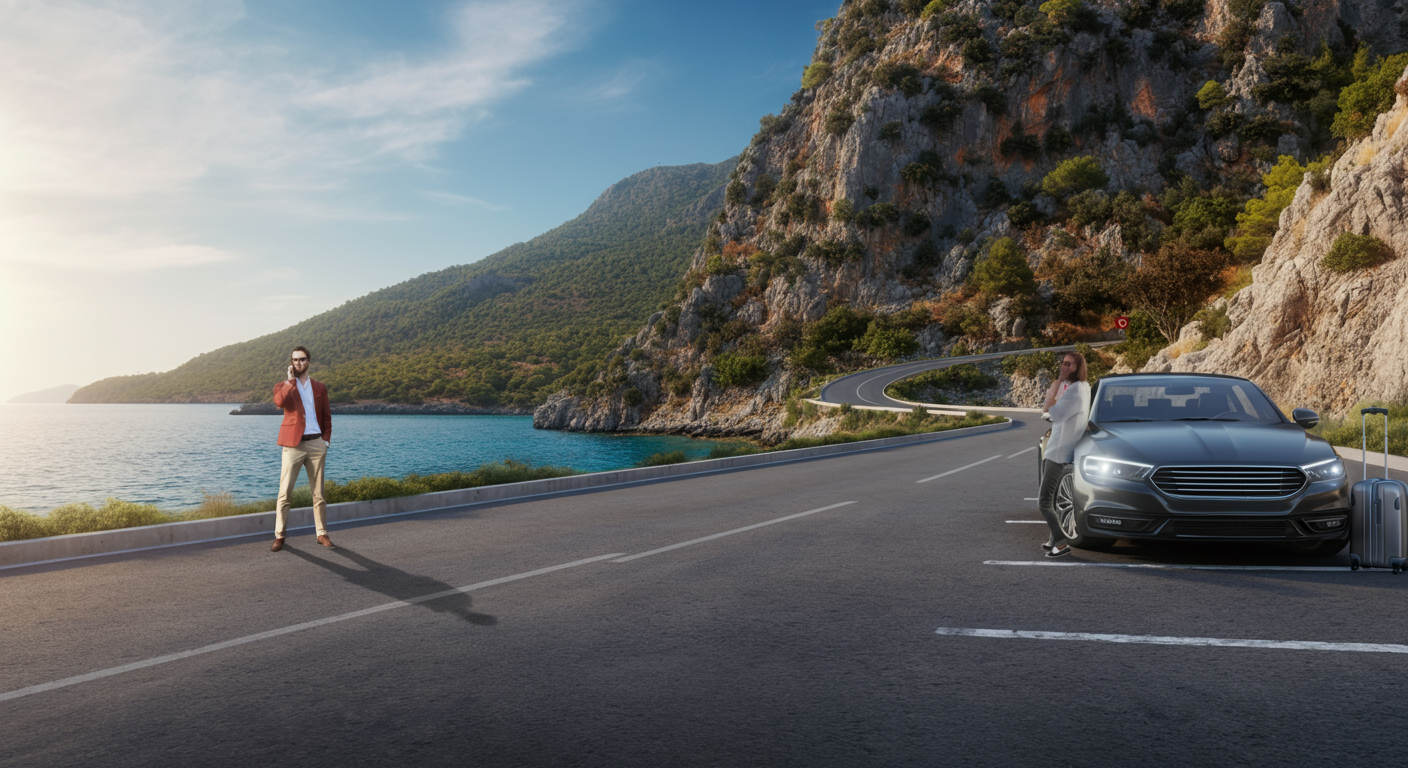
- Bodrum: Routes from Bodrum Otogar to Gümbet, Bitez, Yalıkavak and Turgutreis, often via roads like Atatürk Bulvarı and İnönü Caddesi.
- Antalya: Minibuses from Antalya Otogar towards Kemer, Belek, Side and Alanya along the D400.
- Fethiye: Dolmuş routes from Fethiye centre near Mustafa Kemal Bulvarı to Ölüdeniz, Hisarönü, Kayaköy and Çalış.
If there is a medical issue on a dolmuş:
- Say “Durun lütfen” (please stop) to the driver.
- Ask another passenger “112, lütfen” showing your phone.
- Use local references like “on the D400 near Kalkan” or “between Fethiye and Ölüdeniz near the Ovacık turning”.
Money, Documents & Practicalities During an Emergency
Keeping Essential Documents Accessible
Many UK travellers find it useful to keep:
- A photocopy of the photo page of their passport in their day bag.
- Digital copies of passport, insurance policy and flight details in cloud storage.
- A paper card with their accommodation’s name, address and main street (for example, “near Atatürk Caddesi in Kuşadası”, “behind Barlar Sokağı in Bodrum”).
Paying for Treatment
Costs vary widely between state and private facilities. For any larger expense:
- Expect to either pay upfront by card/cash or have your insurer guarantee payment.
- Keep all receipts and medical reports for your claim.
- Ask for documents that state the clinic’s name, the doctor’s name, diagnosis and treatment – these are often issued in both Turkish and basic English, especially in tourist regions.
If you are unsure about likely costs, it is safer to say “check official sources” or ask your insurer directly, as fees can change and depend heavily on the region and type of facility.
Local Context: Food, Hydration & Avoidable Emergencies
Staying Well in the Heat
In summer, areas like Antalya, Side, Bodrum, Marmaris and Fethiye can be very hot, especially along seafront promenades such as Antalya Konyaaltı Sahil and Marmaris Uzunyalı Caddesi. To reduce the risk of heat‑related emergencies:
- Carry water and drink regularly; you can often buy large bottles from corner shops (büfe) on streets like Atatürk Caddesi or Cumhuriyet Caddesi in almost every town.
- Use shade and take breaks in cafés; outdoor seating is common along main squares and harbours.
- Wear a hat and use high‑factor suncream, particularly on boat trips departing from marinas like Bodrum Limanı, Fethiye Ece Marina or Antalya Kaleiçi marina.
Local Food & Tummy Troubles
Turkey’s food is a highlight of most trips. Common items include:
- Simit – sesame‑crusted bread rings sold from red carts in areas like Sultanahmet Meydanı or along Kadıköy Rıhtım Caddesi.
- Pide – boat‑shaped flatbread with toppings, often found on side streets off Atatürk Bulvarı in many towns.
- Lavaş (or lavas) – soft, thin bread served with grills in coastal resorts and city restaurants.
To reduce the chance of stomach upsets that might send you to a clinic:
- Start gently with cooked foods if you have a sensitive stomach.
- Use bottled water for drinking and brushing teeth if unsure about the local supply.
- If you do become unwell, a pharmacy (eczane) on central streets such as Güllük Caddesi in Antalya or Çarşı Caddesi in Bodrum can usually advise on basic remedies.
Pre‑Departure Checklist: What to Save Before You Fly
Numbers and Details to Store in Your Phone
Before you leave the UK, add these contacts:
- 112 – labelled clearly as “Emergency – Turkey (112)”.
- Your travel insurer’s 24/7 medical emergency line.
- The FCDO 24/7 number and link to the Turkey travel advice page: Turkey safety & emergency preparation checklist.
- Contact details and map pin of your first accommodation.
- Phone numbers of any travelling companions, labelled by name.
Simple Written Card to Carry
Carry a small physical card in your wallet with:
- Your full name and UK emergency contact.
- Any critical medical conditions/allergies (e.g. “Penicillin allergy”, “Type 1 diabetes”).
- Accommodation address with local street, e.g. “near Atatürk Caddesi, Marmaris” or “behind Barlar Sokağı, Bodrum”.
- The words: “In emergency please call 112”.
Insider Scenarios: How It Works in Real Life
Scenario 1: Sprained Ankle in Kaleiçi, Antalya
You slip on the cobbles of Hesapçı Sokak near the old harbour steps in Kaleiçi. It is painful but not life‑threatening.
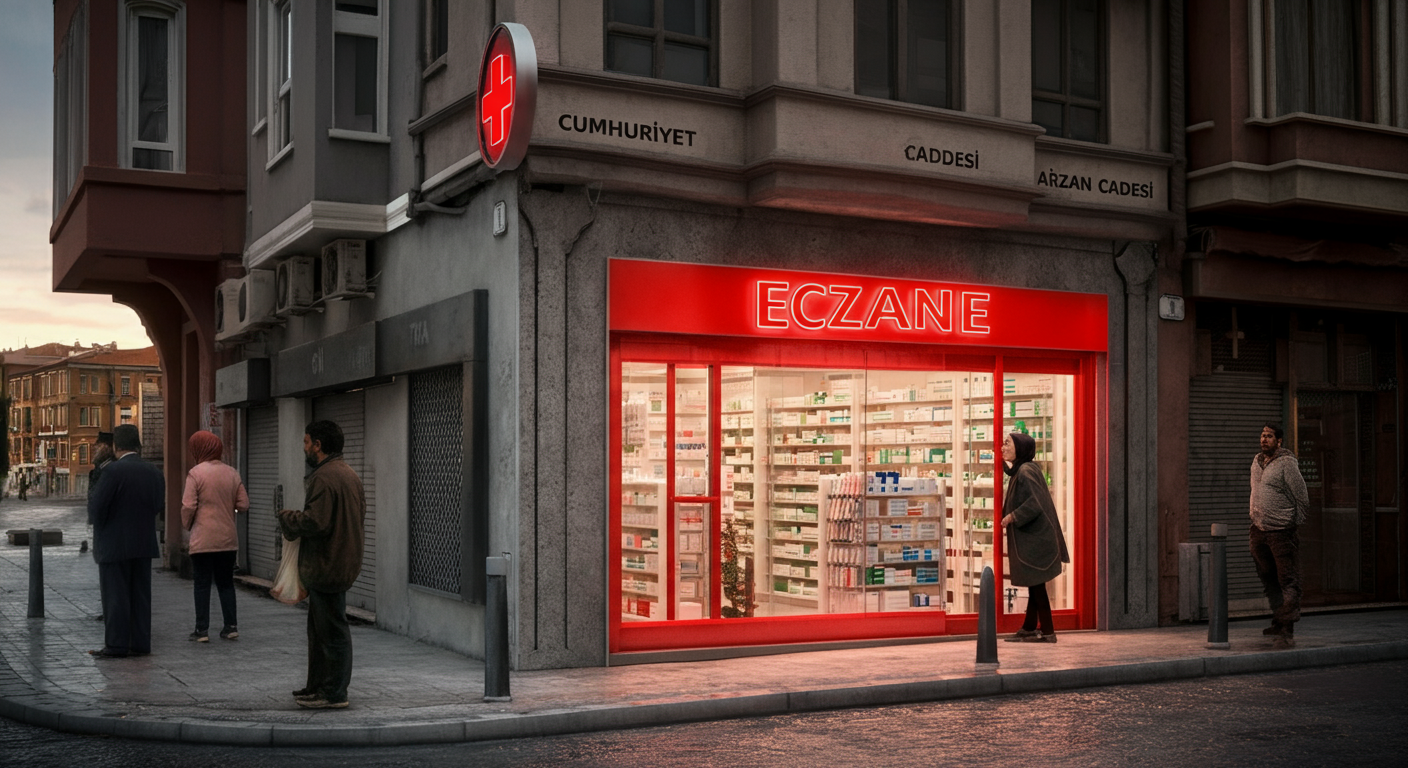
- Ask a nearby shop or café on Hesapçı Sokak or Mermerli Sokak to call a taxi or suggest the nearest clinic.
- Call your insurer’s emergency line from the café and ask which clinic in central Antalya they recommend.
- Use the clinic name and address on Atatürk Caddesi or Güllük Caddesi to direct the taxi driver.
Scenario 2: Heat Exhaustion on the D400 Near Fethiye
You feel faint at a roadside viewpoint between Fethiye and Kaş on the D400.
- Move into shade immediately and drink water.
- If symptoms are severe (confusion, vomiting, collapse), call 112.
- Say: “Medical emergency, tourist, on D400 between Fethiye and Kaş, near [nearest signed village]” – for example “near Kalkan” or “near turn‑off to Patara”.
Scenario 3: Lost Passport in Istanbul’s Sultanahmet
You realise your passport is missing after visiting Sultanahmet Meydanı and walking along Divan Yolu Caddesi.
- Use your passport copy and photos to identify the details.
- Go to a nearby police station – your accommodation or a shop along Divan Yolu can direct you.
- File a report and then contact the appropriate British consular office for emergency travel document advice.
For more preparation ideas on local areas, see: Best areas to base yourself in Antalya for easy access to services and Guide to Bodrum districts & transport connections.
FAQ
What is the main emergency number in Turkey for UK travellers?
The main emergency number is 112. It covers ambulance, police, and fire. You can call 112 from any phone, including mobiles without credit, and you can usually ask for an English‑speaking operator, especially in tourist areas.
Can I speak English when I call 112 in Turkey?
In many tourist‑heavy regions such as Istanbul, Antalya, Bodrum, Marmaris and Fethiye, 112 call centres often have staff who can handle basic English. However, this is not guaranteed everywhere, so keep your explanation simple and be ready to use place names and landmarks.
Should I go to a state or private hospital in Turkey?
Many visitors from the UK use private clinics or hospitals in resort areas because they often have more English‑speaking staff and direct links with travel insurers. That said, state hospitals can also provide good care. Check with your insurer, who can recommend a facility and may arrange to pay the hospital directly.
What should I do if I lose my passport in Turkey?
First, report the loss at a local police station to obtain a report. Then contact the relevant British consular office to arrange an emergency travel document. You will usually need passport photos, a police report, proof of your travel plans and a fee – check official UK government guidance for current requirements.
How do I get help if there is an emergency at sea or on a boat trip?
On organised boat trips from ports like Bodrum, Fethiye, Marmaris or Antalya’s Kaleiçi marina, alert the crew immediately – they will normally call the relevant authorities. If you are ashore and see an incident, call 112 and clearly describe the marina or beach section (for example, “Bodrum Limanı”, “Ölüdeniz Belcekız Beach near paragliding landing zone”).
What if I need medication or basic medical advice but it is not an emergency?
Go to a local pharmacy (eczane). These are easy to find on central streets such as Atatürk Caddesi, Cumhuriyet Caddesi or near main squares and markets. Pharmacists often provide basic advice and can recommend when you should see a doctor or visit a clinic.
Do UK travellers need to pay for ambulances in Turkey?
Arrangements can vary between regions and between state and private services, and they can change over time. Some travellers report charges for certain services. Because of this variation, it is safest to assume there may be a cost and to have travel insurance that covers medical transport. For up‑to‑date information about entitlements and recommended cover, check official UK government travel advice and your policy documents.
Selin Aktaş
Editör"Ege köylerine ve butik otellere olan tutkusuyla tanınan Selin, 10 yılı aşkın süredir Türkiye'nin gizli kalmış rotalarını keşfediyor."
Guides About
Istanbul Public Transport Guide: Istanbulkart, Metro, Tram & Ferry Explained
İstanbul'da ulaşım karmaşasına son verin! İstanbulkart, metro, tramvay, otobüs ve feribot gibi toplu taşıma ağlarını kolayca anlayın.
Best Istanbul Photo Route: 1-Day Viral Shots (Golden Hour & Crowd Strategy)
İstanbul'un en viral fotoğraf noktalarını keşfedin! Boğaz, Galata ve Tarihi Yarımada'da 1 günde, ışık saatleri ve kalabalık stratejileriyle mükemmel kareler yakalayın.
Istanbul Budget Planner: Economical, Balanced & Comfortable Spending Modes Guide
İstanbul gezinizi bütçenize uygun planlayın! Ekonomik, dengeli veya rahat modlarla harcama mantığını keşfederek şehri doyasıya yaşayın.
Istanbul with Kids Guide: Baby & Toddler Checklists | Hot Weather & Rainy Day Plan
İstanbul'da çocukla gezmek artık çok kolay! Bebek/çocuk kontrol listeleri ve öğle sıcağı/yağmur için özel İstanbul gezi planları bu rehberde.
Istanbul Walkable Neighborhoods: 2-3 Hour Walking Routes & Map Guide
İstanbul'un en güzel semtlerini yürüyerek keşfedin! Tarihi yarımada ve Boğaz çevresindeki 2-3 saatlik mini rotalarla şehri deneyimleyin.

Istanbul Mosque Guide for Tourists: Dress Code, Photography & Prayer Times
İstanbul camilerini ziyaret edecek turistler için giyim, saat ve fotoğraf kuralları rehberi. Cami ziyaretinizden önce bilmeniz gereken tüm detayları basitçe öğrenin.
Istanbul Travel Tips: Avoid Scams & Surprises (Taxis, Restaurants, Tours)
İstanbul'da taksi, menü ve tur sürprizleri yaşamadan güvenle gezmek için basit kuralları keşfedin. Dolandırılmadan keyifli bir İstanbul deneyimi için ipuçları burada.
Istanbul Evening Guide: Safe & Fun Activities & Plans for Families, Couples & Solo Travelers
İstanbul'da akşam ne yapılır? Aile, çift veya tek kişi için Boğaz turu, tarihi mekanlar ve güvenli eğlence seçenekleriyle dolu rehberimizi keşfedin.
Istanbul Rainy Day Itinerary: Indoor Museums, Bazaars & Cafes
İstanbul'da yağmurlu havalarda sıkılmayın! Müzeler, tarihi çarşılar ve şirin kafelerle dolu kapalı mekan rotalarıyla keyifli bir gün geçirin.
Istanbul Sunset Spots: Crowd-Free Hours & Best Sunset Walk Routes
İstanbul'da kalabalıktan uzak gün batımı noktaları ve Boğaz'da eşsiz sunset walk rotalarıyla şehrin büyüsüne kapılın.
Istanbul 1-Day Itinerary: Europe to Asia Route (Hour-by-Hour & Walking Guide)
İstanbul'da bir günde Avrupa'dan Anadolu'ya geçiş rotasını keşfedin! Saat saat planlanmış bu eşsiz gezi rehberiyle iki kıtayı yürüme seviyenize göre deneyimleyin.

Sabiha Gökçen (SAW) to Istanbul Transfer: Easiest Options Guide
Sabiha Gökçen (SAW) havalimanından İstanbul şehir merkezine en kolay ulaşım (metro, Havabüs, taksi) seçeneklerini ve saatinize göre en mantıklı yolu keşfedin.
Istanbul Airport (IST) Transfer Guide: Taxi, Metro, or Private for Late Night Arrivals
İstanbul Havalimanı (IST) gece varışı için taksi, metro veya özel transfer mi? İstanbul'a en hızlı ve konforlu ulaşım seçeneğini keşfedin.

Istanbul Public Transport Guide: Metro, Tram and Ferry Logic
İstanbul'da ulaşımı çözün! Turistler için İstanbulkart nasıl alınır, T1 Tramvay, M2 Metro ve vapur kullanımı, taksi tuzaklarından korunma rehberi.

First Time in Istanbul: 3–5–7 Days Ready Itinerary
İstanbul'u yorulmadan ve kaybolmadan gezmek isteyenler için saat saat planlanmış, en verimli 3 günlük, 5 günlük ve 7 günlük hazır turistik gezi rotası.

Where to Stay in Istanbul? Area & Base Selection Guide
İstanbul'da ilk kez nerede kalınır? Sultanahmet, Karaköy, Taksim, Beşiktaş ve Kadıköy bölgelerinin detaylı, artı-eksi analizli, ulaşım odaklı konaklama rehberi.
Best Instagram and Photo Spots in Fethiye Route
Ultimate Fethiye Instagram and photography SEO guide list. Find the best spots: Butterfly Valley viewpoint cliff, Babadag glass terrace, and Ghost Town.
Fethiye Budget Planner: Travel Costs and Saving Tips
Ultimate SEO Fethiye holiday budget planner. Is Fethiye expensive? Guide to food prices, transport, boat trips, and saving tips for smart travelers.
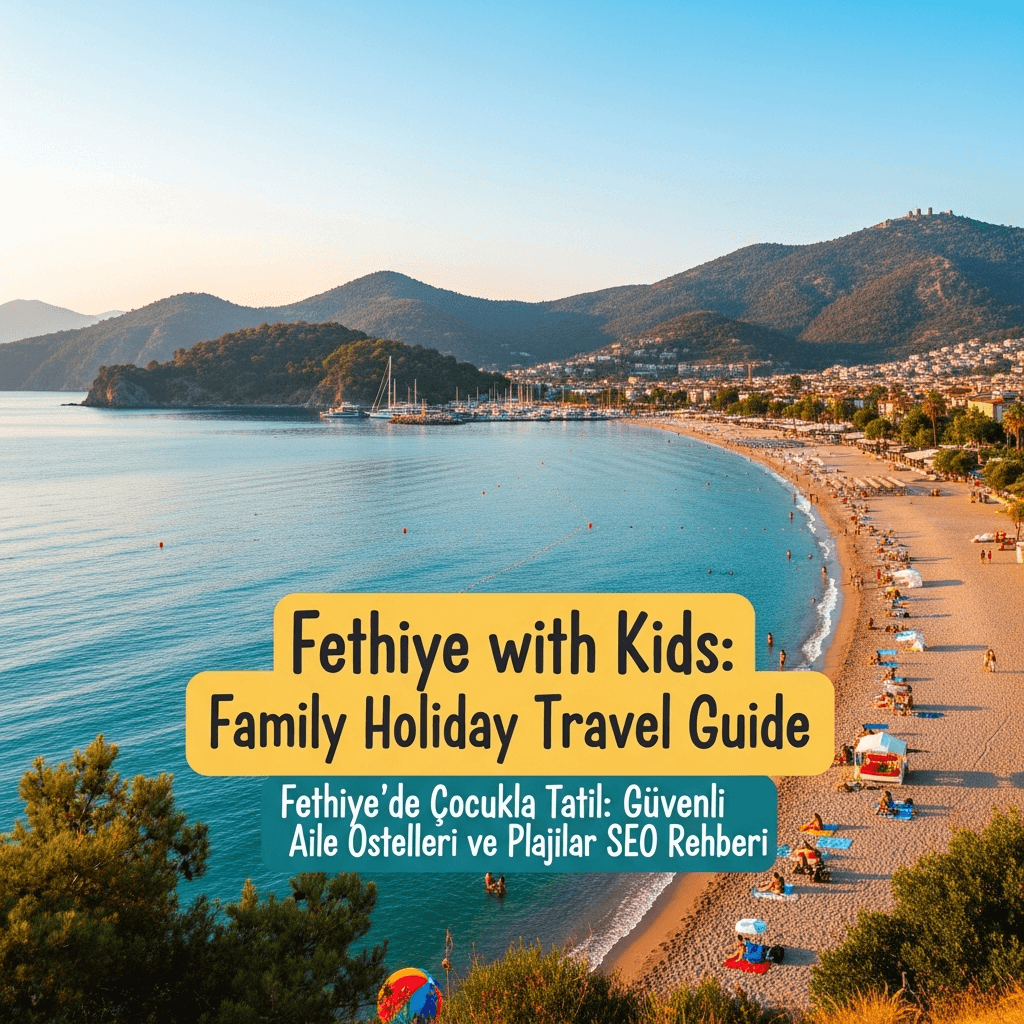
Fethiye with Kids: Family Holiday Travel Guide
Ultimate family SEO travel guide to Fethiye with kids and toddlers. Best shallow beaches, stroller-friendly hotels, and safe family boat trips listed.
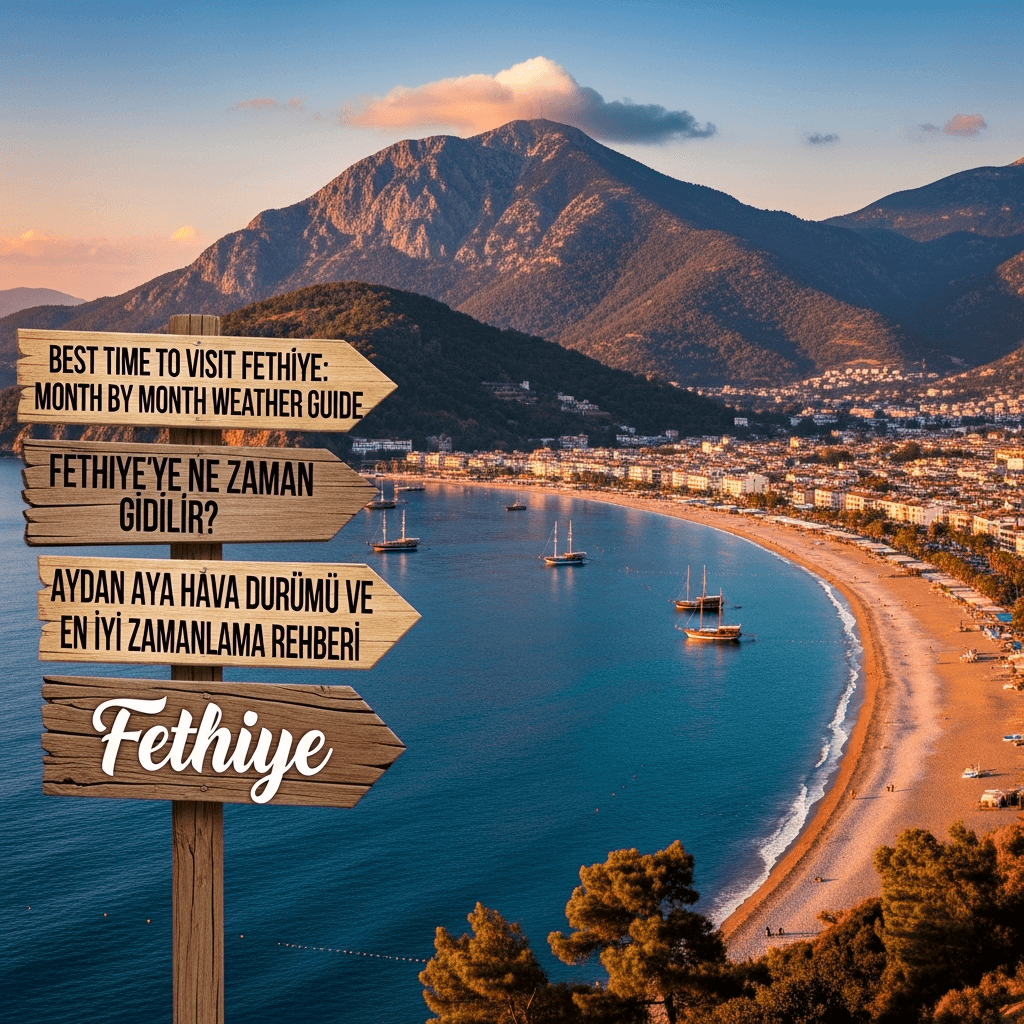
Best Time to Visit Fethiye: Month by Month Weather Guide
When is the best time to go to Fethiye? Detailed SEO weather guide month by month. Summer peaks, autumn sea temperatures and spring trekking tips.
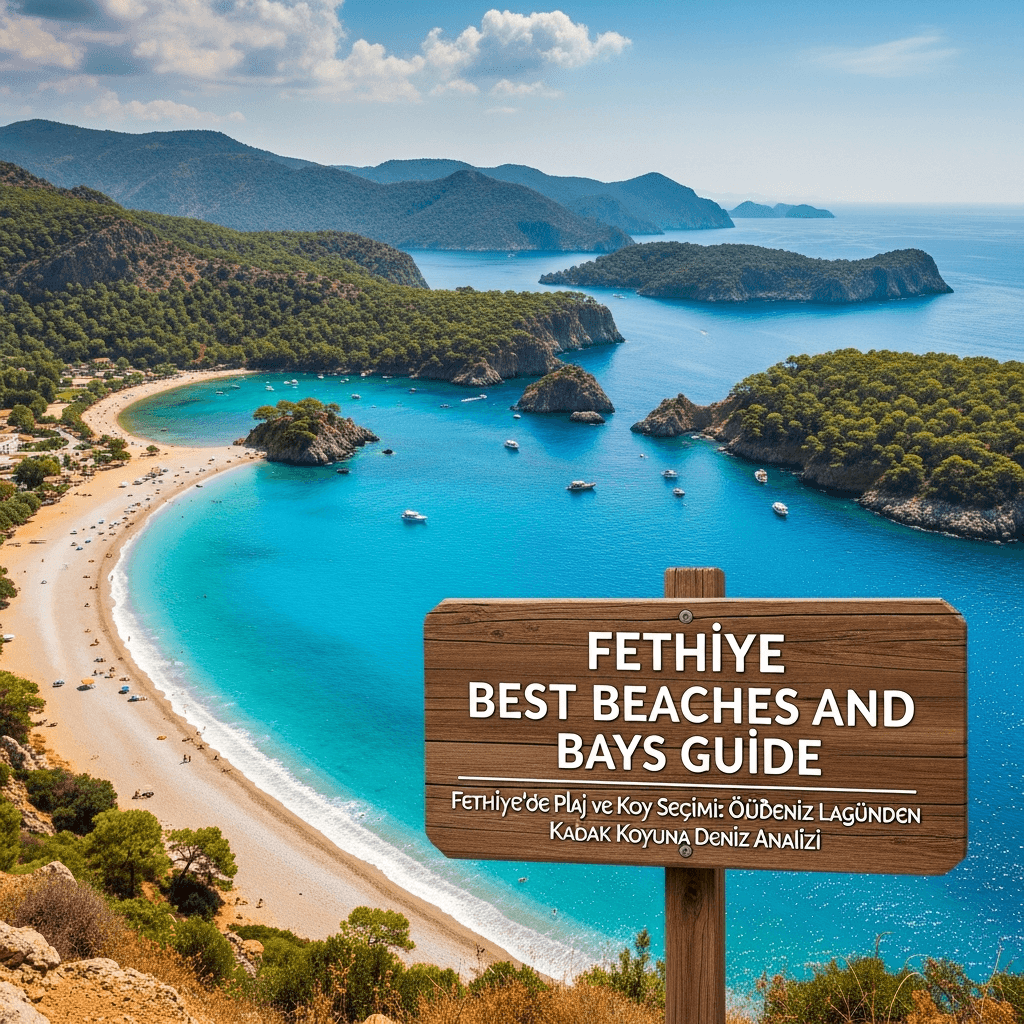
Fethiye Best Beaches and Bays Guide
Comprehensive SEO guide to Fethiye's best beaches. Compare Blue Lagoon, Belcekiz pebbles, Calis beach wind, and hidden Kidrak/Kabak bays.
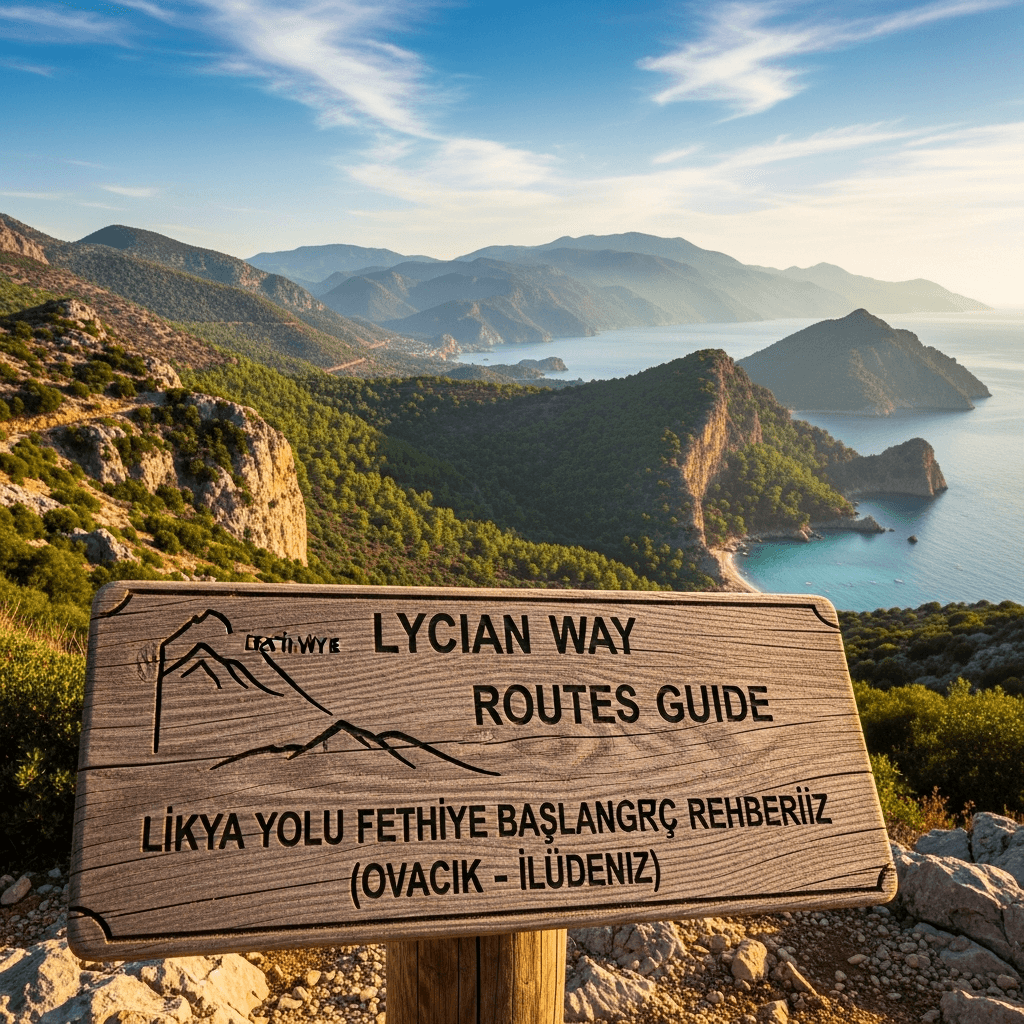
Lycian Way Fethiye Routes Guide
Ultimate Guide to starting the Lycian Way from Fethiye (Ovacik, Faralya, Kayakoy). Daily hiking routes, trails, maps, and offline tips with full SEO tables.
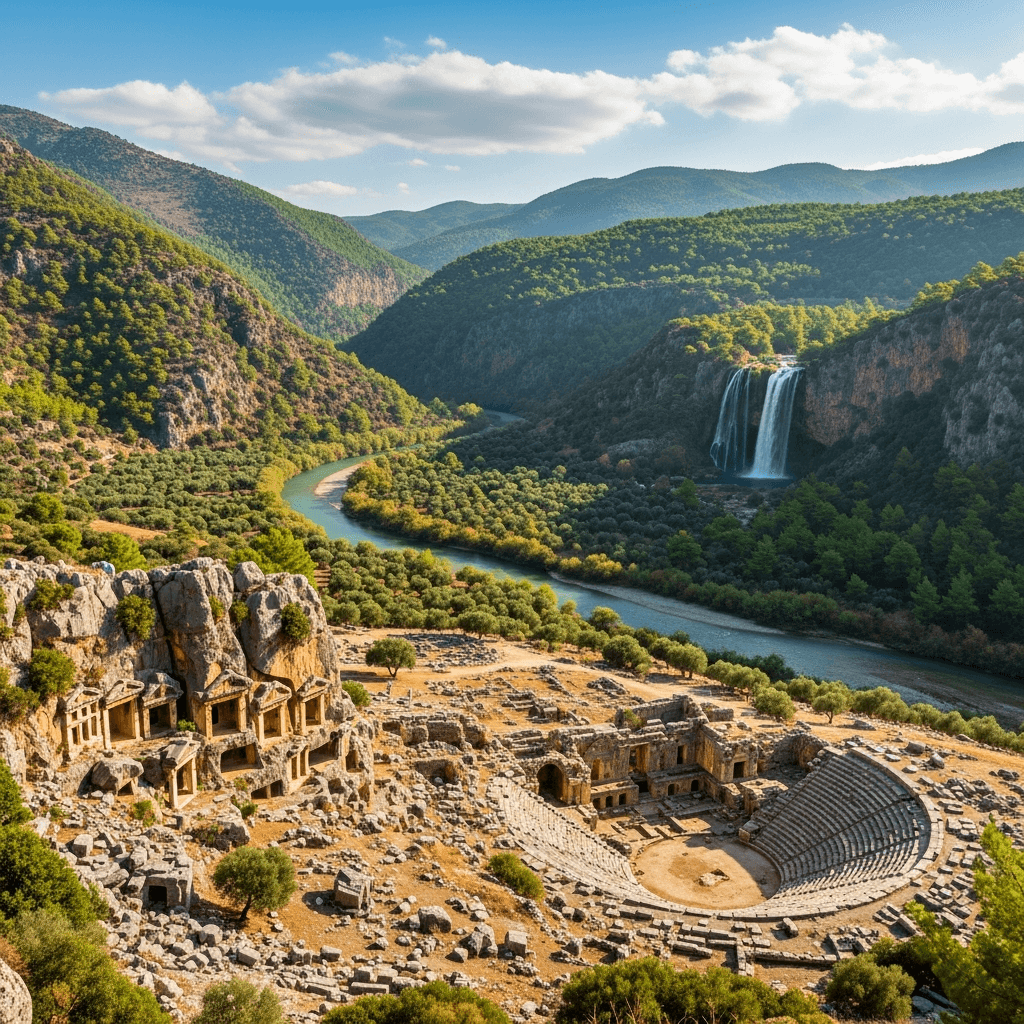
Tlos Ancient City & Yakapark Day Trip Guide
Ultimate Fethiye day trip SEO guide: Morning at Tlos Ancient City and Lycian rock tombs, afternoon lunch at Yakapark waterfalls, and Saklikent alternatives.
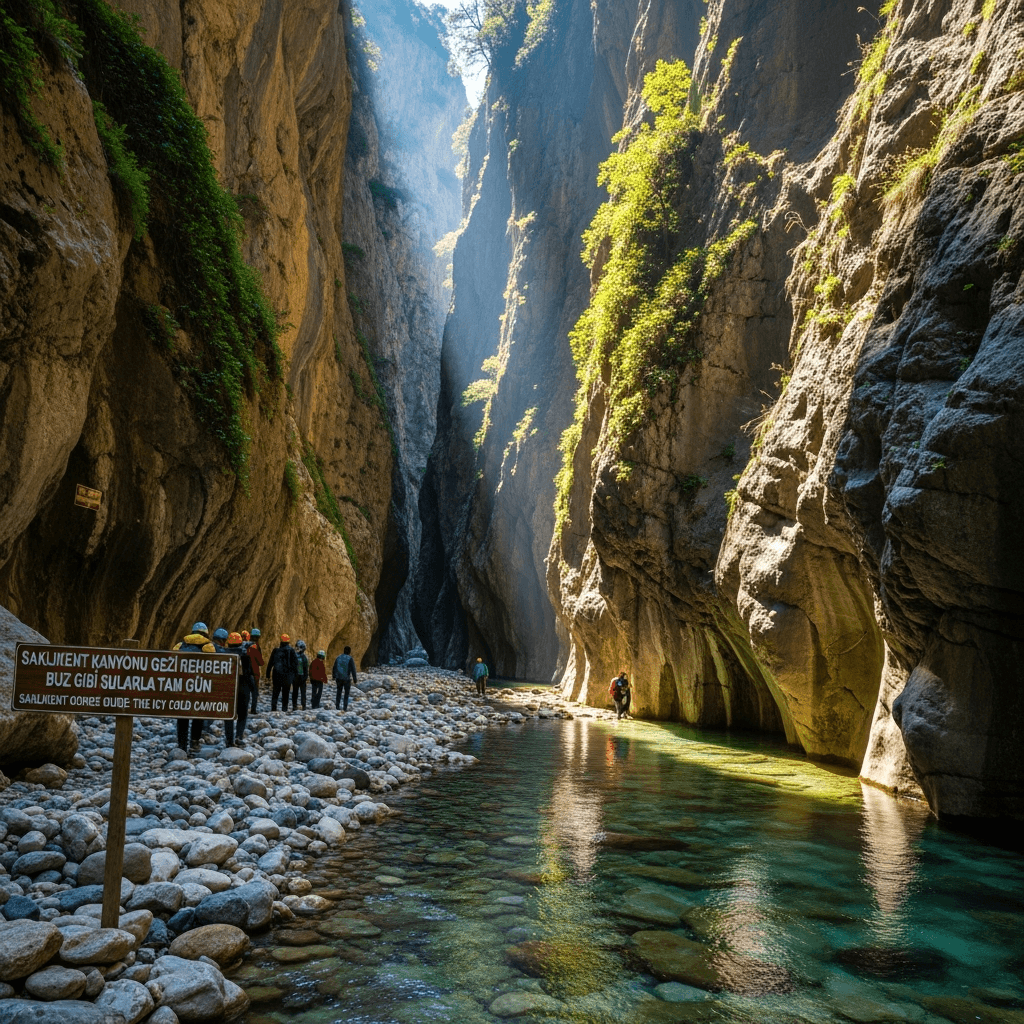
Saklikent Gorge Guide: The Icy Cold Canyon
Ultimate SEO guided Fethiye Saklikent Gorge and Canyon travel guide. Tips for hiking the icy river, mud baths, and comparing Gizlikent Waterfall.
Best 5 Sunset Spots in Fethiye
Where to watch the best sunset in Fethiye? Detailed SEO guide for Calis beach, Babadag 1700m, and Sovalye island sunsets with tables and tips.
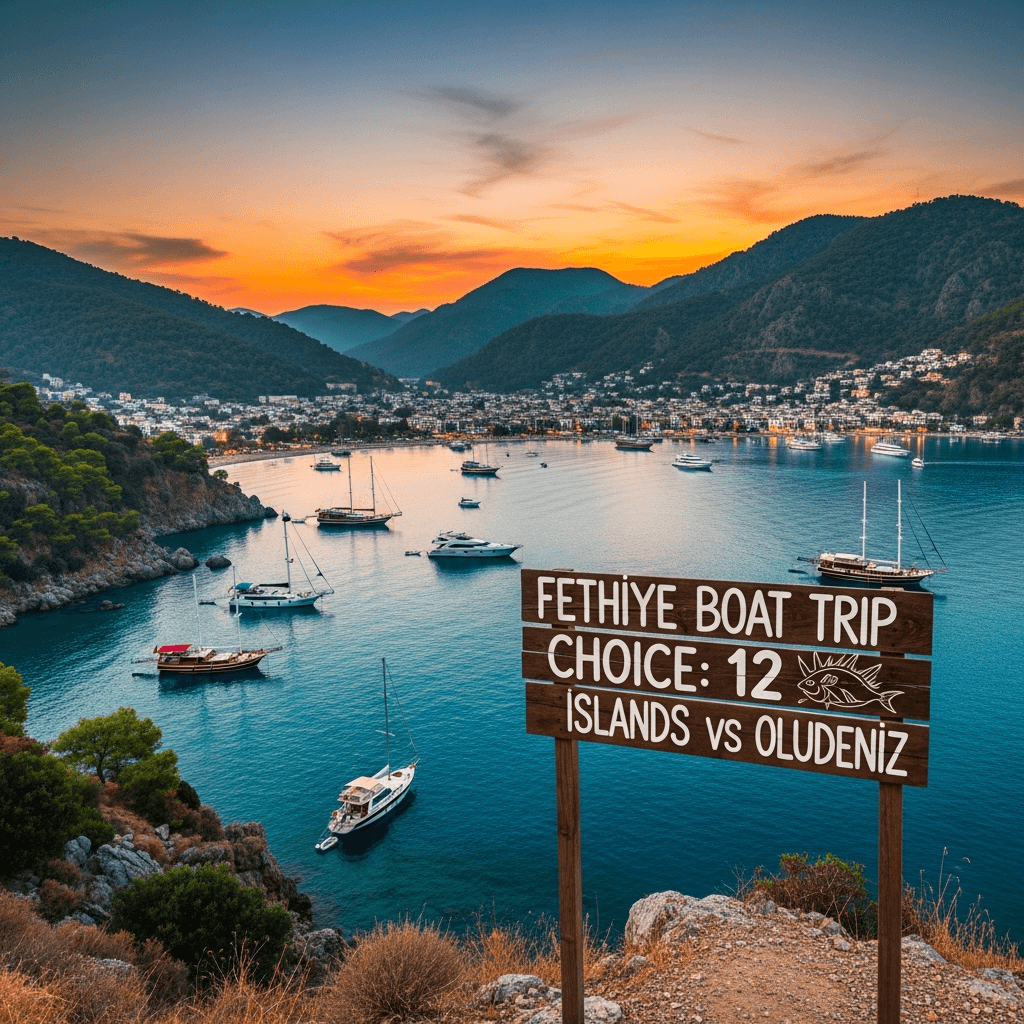
Fethiye Boat Trip Choice: 12 Islands vs Oludeniz
Ultimate comparison between the 12 Islands Boat Trip and the Oludeniz Butterfly Valley boat tour. Detailed SEO travel guide with tables and tips.
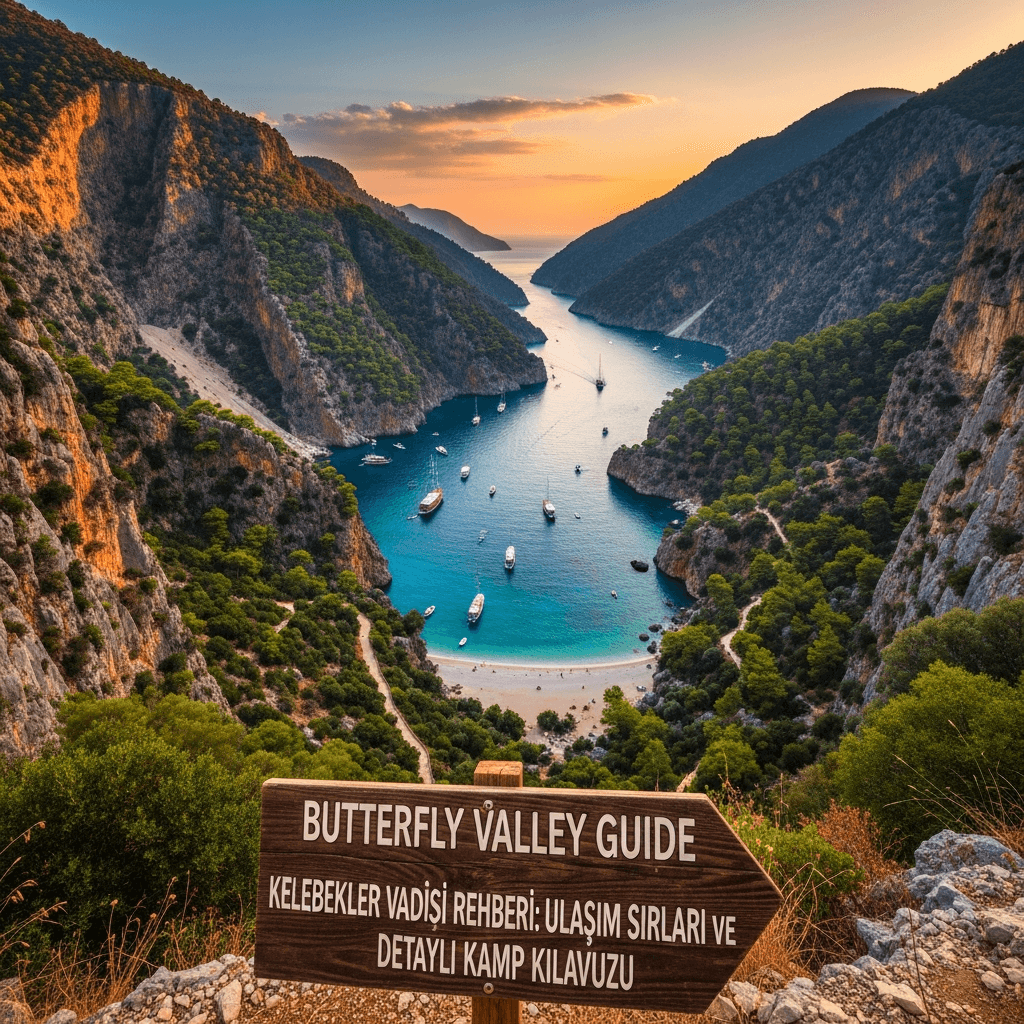
Butterfly Valley Guide
Ultimate SEO guided Fethiye Butterfly Valley travel guide. How to get there by boat or hike, best camping spots, and waterfall trekking tips.
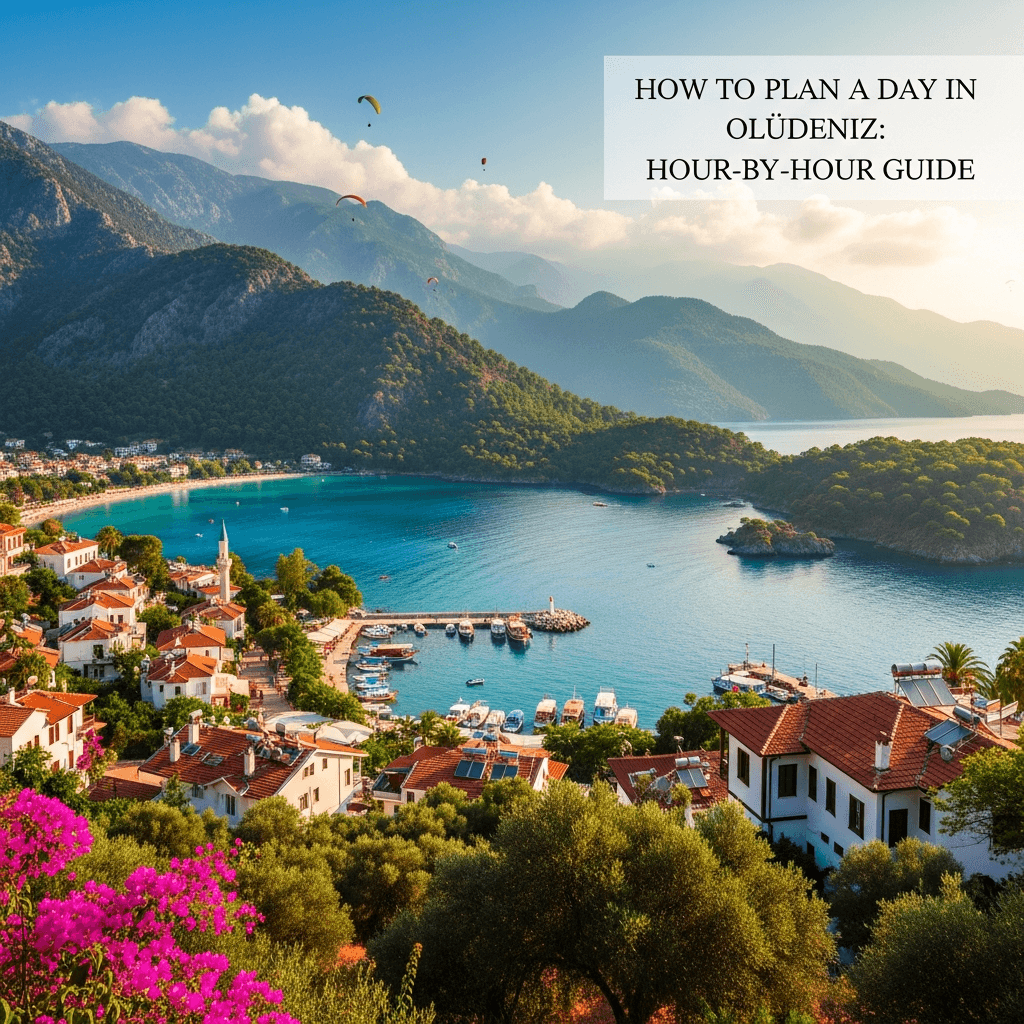
How to Plan a Day in Oludeniz: Hour-by-Hour Guide
An hour-by-hour itinerary for visiting Oludeniz, Kumburnu Blue Lagoon, Belcekiz beach, and the Babadag cable car. Essential tips for your holiday.
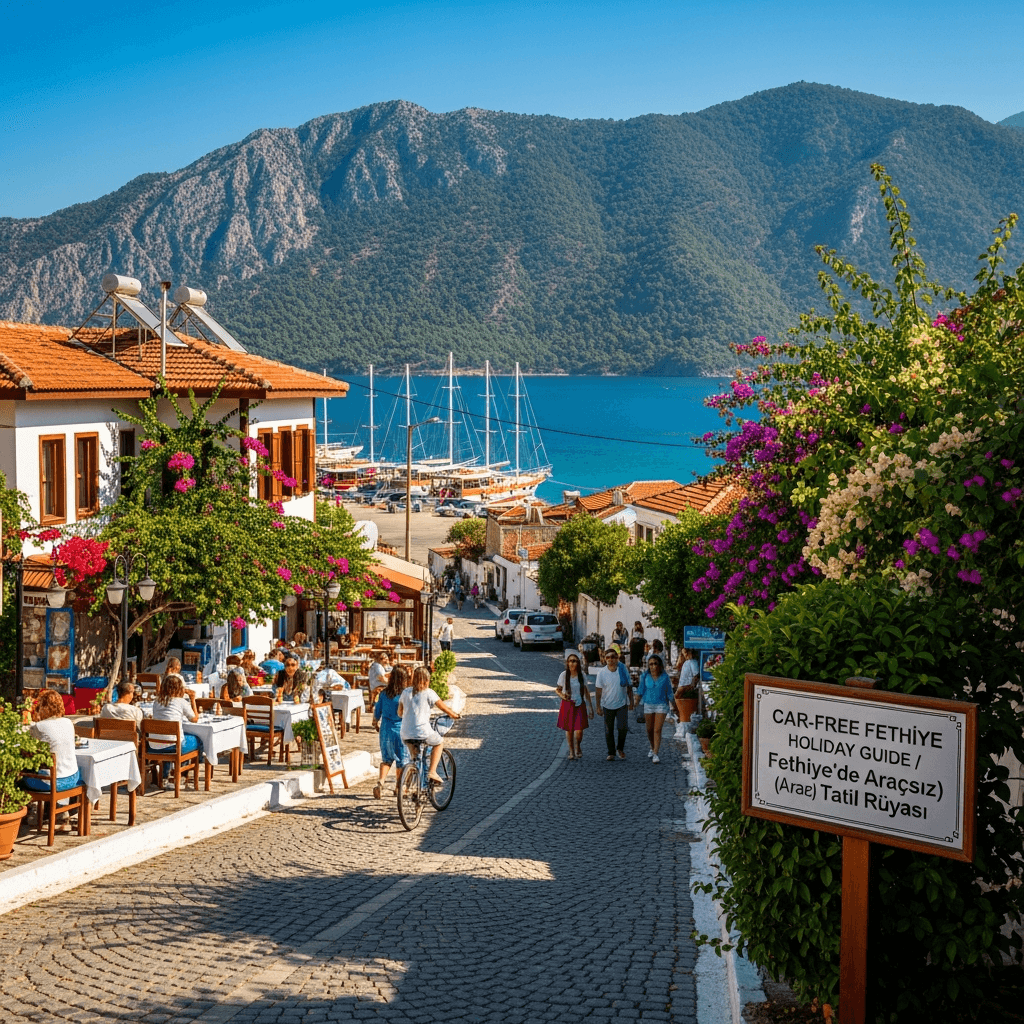
Car-Free Fethiye Holiday Guide
Discover how to enjoy a completely car-free holiday in Fethiye. Full transportation guide including water taxis, local dolmus, and walking trails.
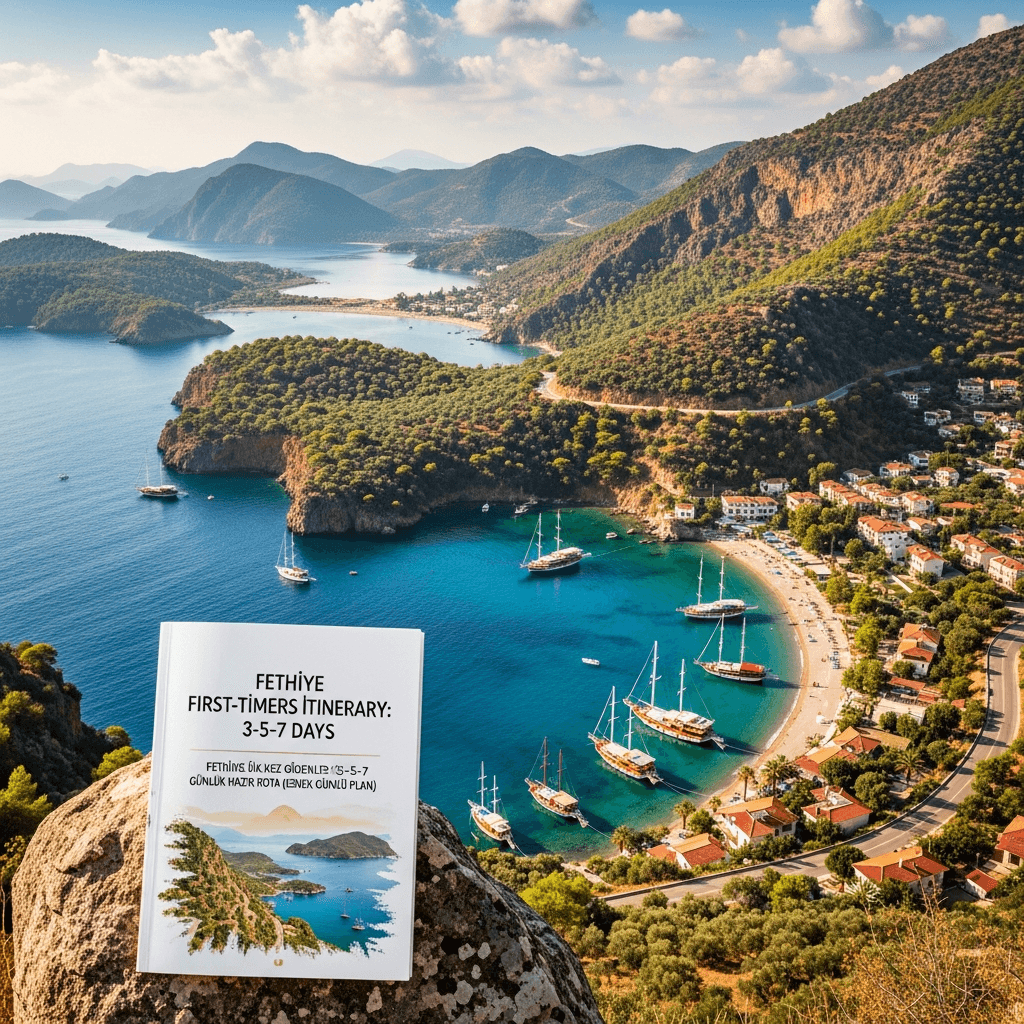
Fethiye First-Timers Itinerary: 3-5-7 Days
An optimized and flexible 3, 5, or 7-day itinerary for your first visit to Fethiye. Unmissable spots like Oludeniz, Saklikent Gorge and Babadag.
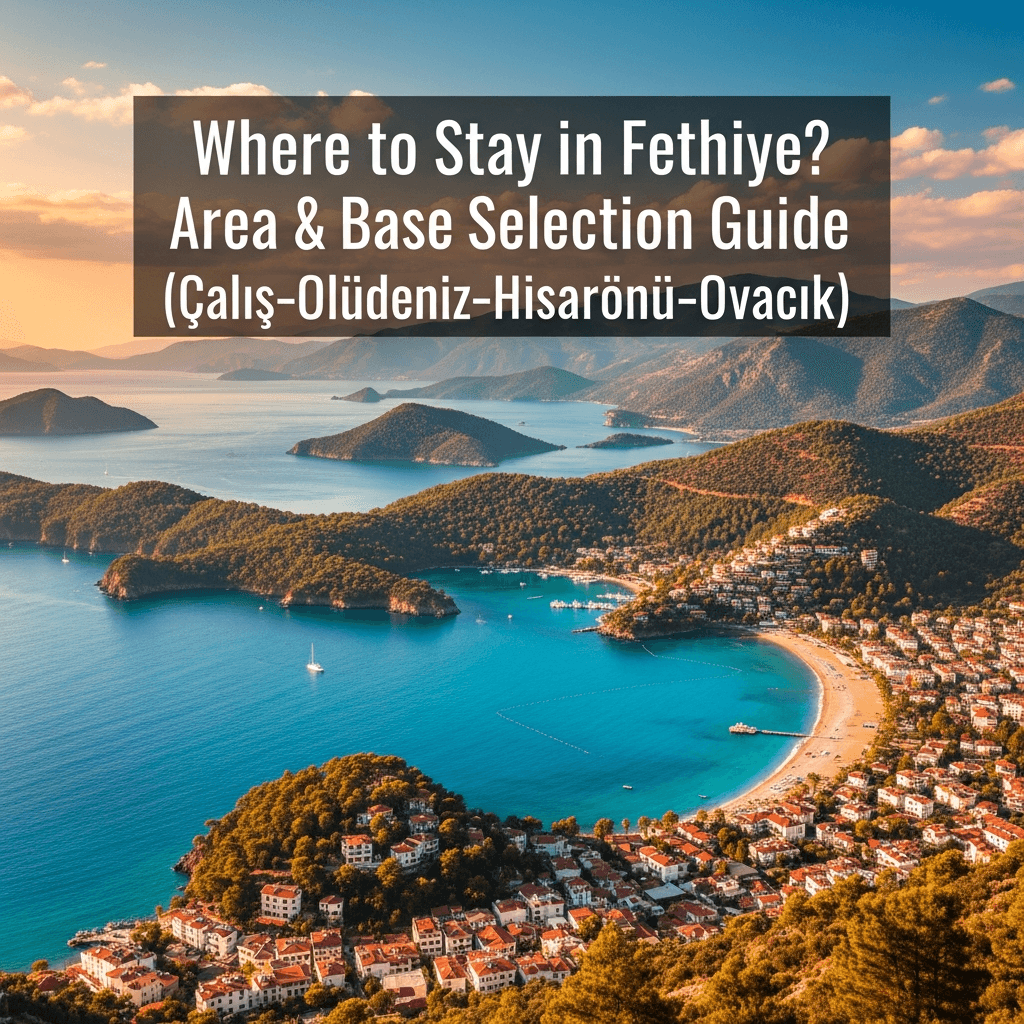
Where to Stay in Fethiye? Area & Base Selection Guide
Where to stay in Fethiye, Turkey? An extensive area-by-area guide choosing between Calis Beach, Oludeniz, Hisaronu, Ovacik and the Town Center.
Did you find this guide helpful?
Check out our other guides to discover more hidden gems in .
Explore All Guides