Bargaining in Turkey: Where It’s Normal and How to Do It Politely
Clear UK-focused guide to bargaining in Turkey: where haggling is normal, where it isn’t, simple tactics, polite Turkish phrases, and real city-by-city examples.
Hızlı Özet
- • best places to visit
- •Local restaurant and cafe recommendations
- •Accommodation options and price ranges
- •Transportation info and tips
Table of Contents
Bargaining in Turkey: Where It’s Normal and How to Do It Politely
- Bargaining is normal in bazaars, souvenir streets, carpet, leather and some jewellery shops, and some tour kiosks – not in supermarkets, public transport or pharmacies.
- Classic haggling zones include Grand Bazaar off Divan Yolu Caddesi in Istanbul, Kemeraltı Çarşısı in İzmir, Antalya’s old town lanes around Kaleiçi, and Bodrum’s Cumhuriyet Caddesi.
- Simple rule: ask the price, offer about 30–40% lower, then meet roughly in the middle if you genuinely want the item.
- Never haggle for fixed services: city buses (for example LC07 Antalya–Lara), metros, museum tickets or pharmacy items.
- Taxis on the meter are not negotiated; for agreed-price routes (for example Dalaman Airport–Fethiye) confirm the fare and currency before getting in.
- Use basic Turkish phrases and stay friendly: smiling, saying “Merhaba” and “Teşekkürler” usually leads to a smoother bargain.
- For big purchases (carpets, gold), compare a few streets or shops and ask for a written receipt with address details.
- UK-friendly tip: if you feel pushed, say “Düşüneceğim” (I’ll think about it) and calmly walk away.
Bargaining in Turkey is part of everyday shopping in markets and tourist streets, especially for souvenirs, carpets, leather and some excursions. You usually do not haggle where there are barcodes, official tickets or meters. Start below the first price, move gradually, and stop when the agreed price still feels fair to you.
Where Bargaining in Turkey Is Normal
Bazaars and Weekly Markets
Traditional markets are the most obvious places to haggle. You will see this clearly in:
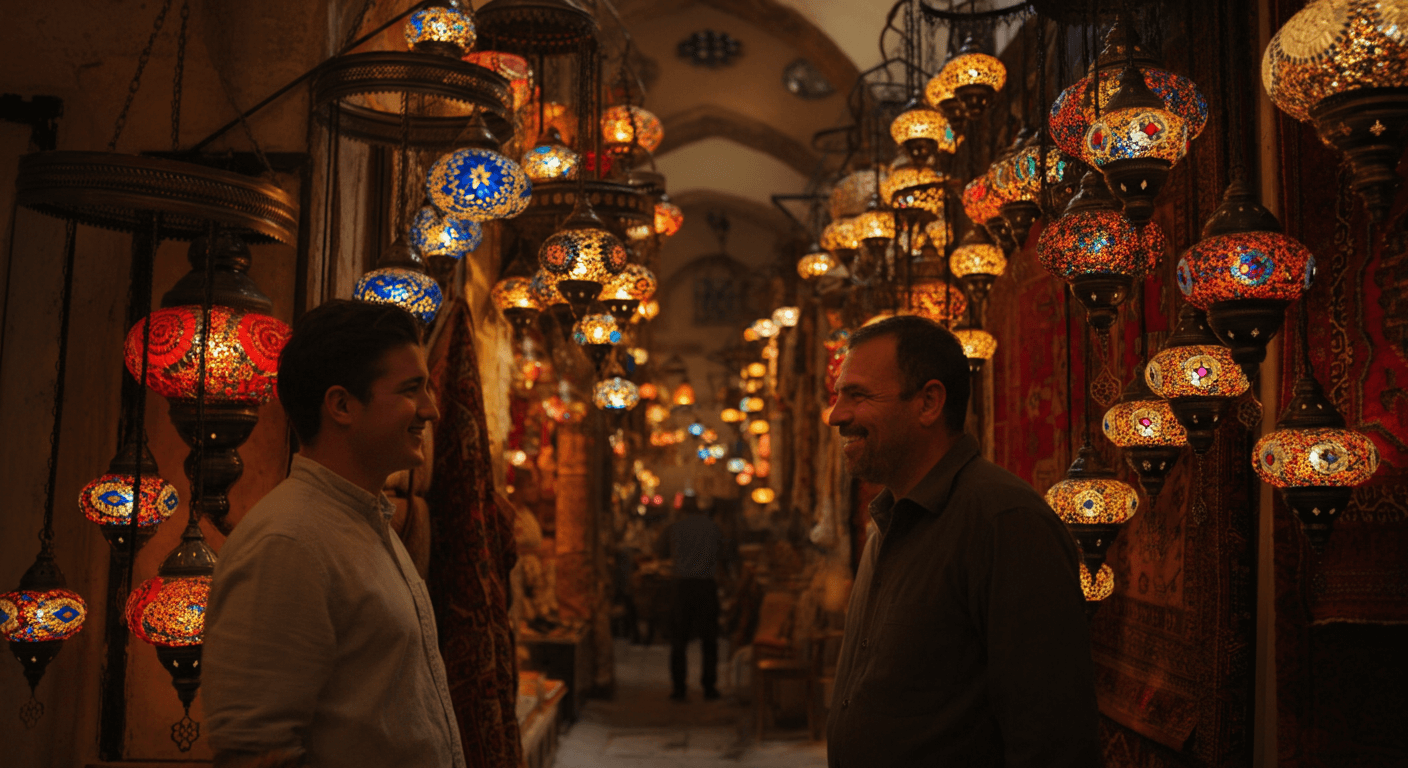
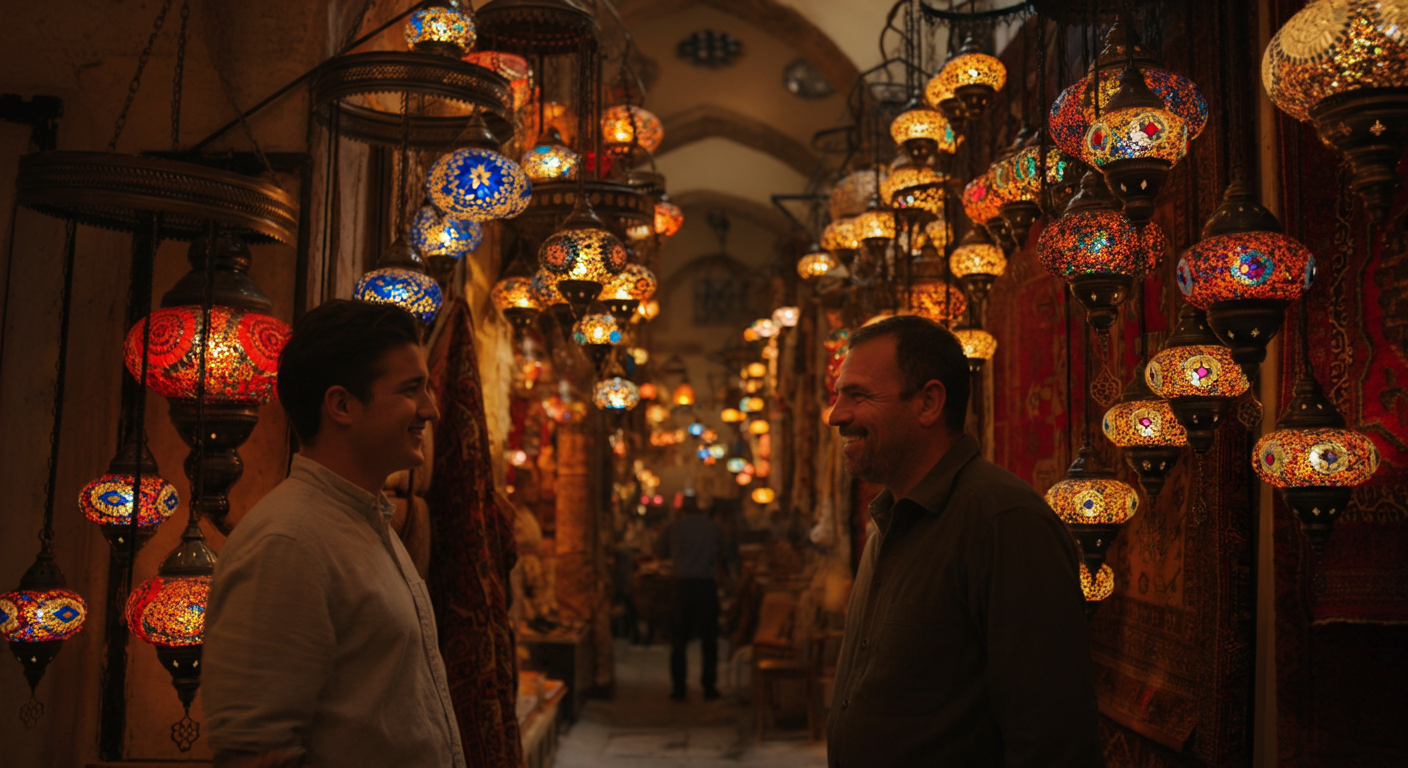
- Grand Bazaar (Kapalıçarşı), Istanbul: maze of lanes like Kalpakçılar Caddesi between Beyazıt Meydanı and Divan Yolu Caddesi. Haggling is expected for carpets, lamps, ceramics and leather.
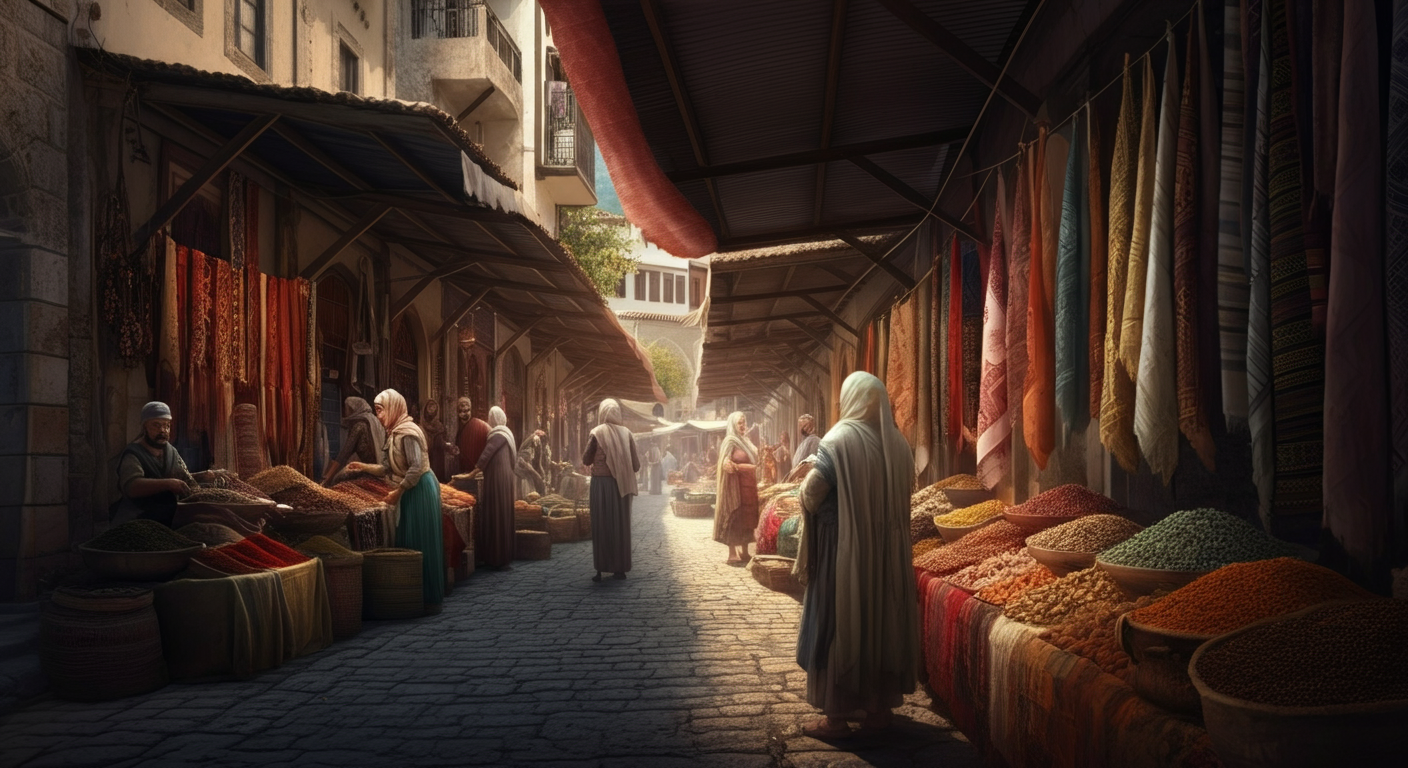
- Spice Bazaar (Mısır Çarşısı), Istanbul: near Eminönü tram stop on Ragıp Gümüşpala Caddesi; you can negotiate for gift boxes of Turkish delight and mixed spices.
- Kemeraltı Çarşısı, İzmir: stretching inland from Konak Meydanı through lanes such as Havra Sokağı. Clothes, bags and textiles are generally priced with bargaining in mind.
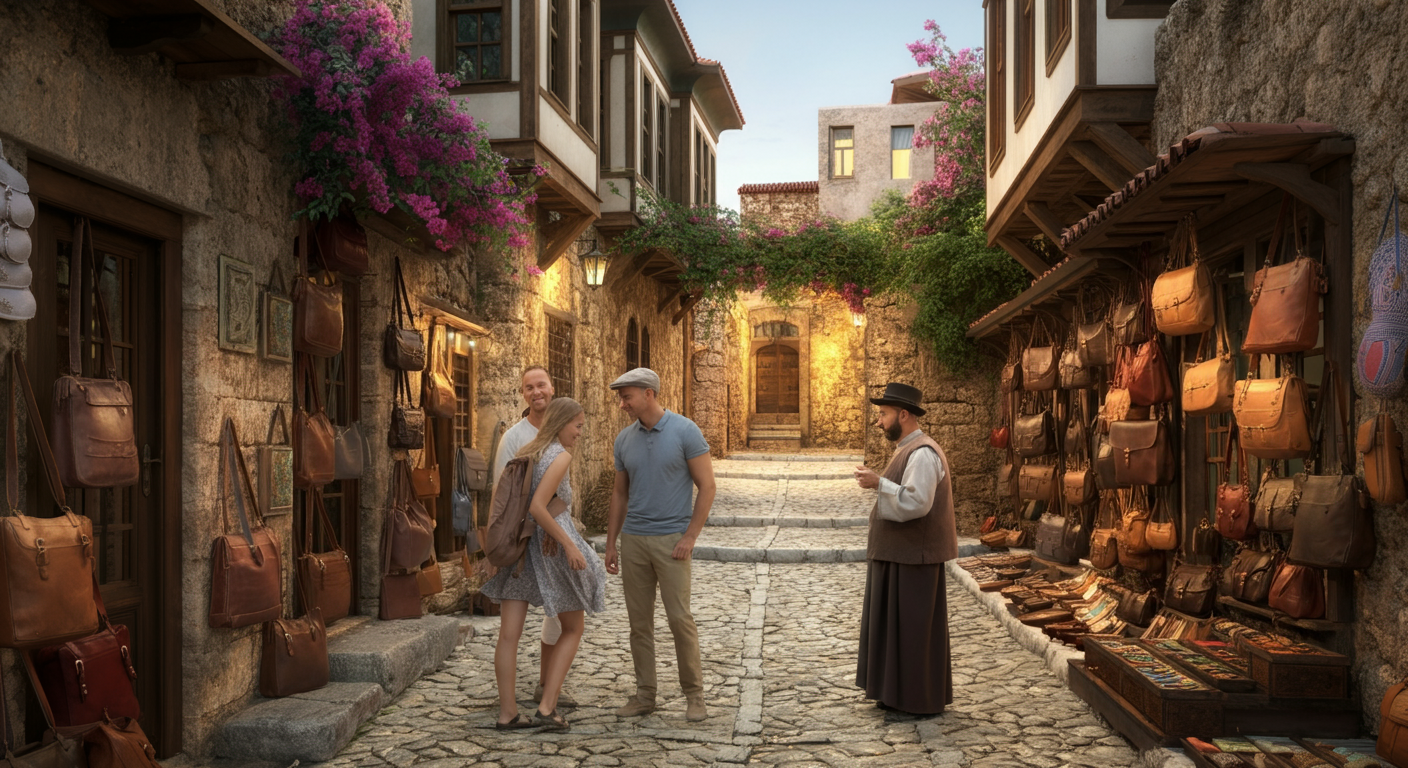
- Antalya Kaleiçi bazaar streets: narrow alleys off Atatürk Caddesi, especially around Konduracı Sokak, lined with souvenirs and leather goods.
- Bodrum bazaar: stalls around Çarşı Mahallesi Cumhuriyet Caddesi and the harbour where T‑shirts, hats and beachwear are quoted high then negotiated down.
- Weekly pazars: for example, the Tuesday Fethiye market by Mustafa Kemal Bulvarı or the Saturday Bodrum Konacık market. Souvenirs, clothes and household goods can be bargained; fruit and veg are often more fixed but small discounts for bulk are sometimes possible.
Local insight: in tourist market streets like Çarşı Caddesi in Kuşadası, neighbouring stalls often sell identical stock. Check two or three prices before making your first offer.
Carpet, Leather and Jewellery Shops
For higher-value items, bargaining can be detailed and slow. Common areas include:
- Carpet sellers in Istanbul’s Sultanahmet streets (for example Kabasakal Caddesi) and Cappadocia’s Göreme centre.
- Leather outlets along Lara Caddesi near Antalya’s Lara district and on the main road towards Kundu.
- Jewellery shops on Bodrum’s Neyzen Tevfik Caddesi, Antalya’s İsmetpaşa Caddesi and side streets off Istanbul’s Istiklal Caddesi.
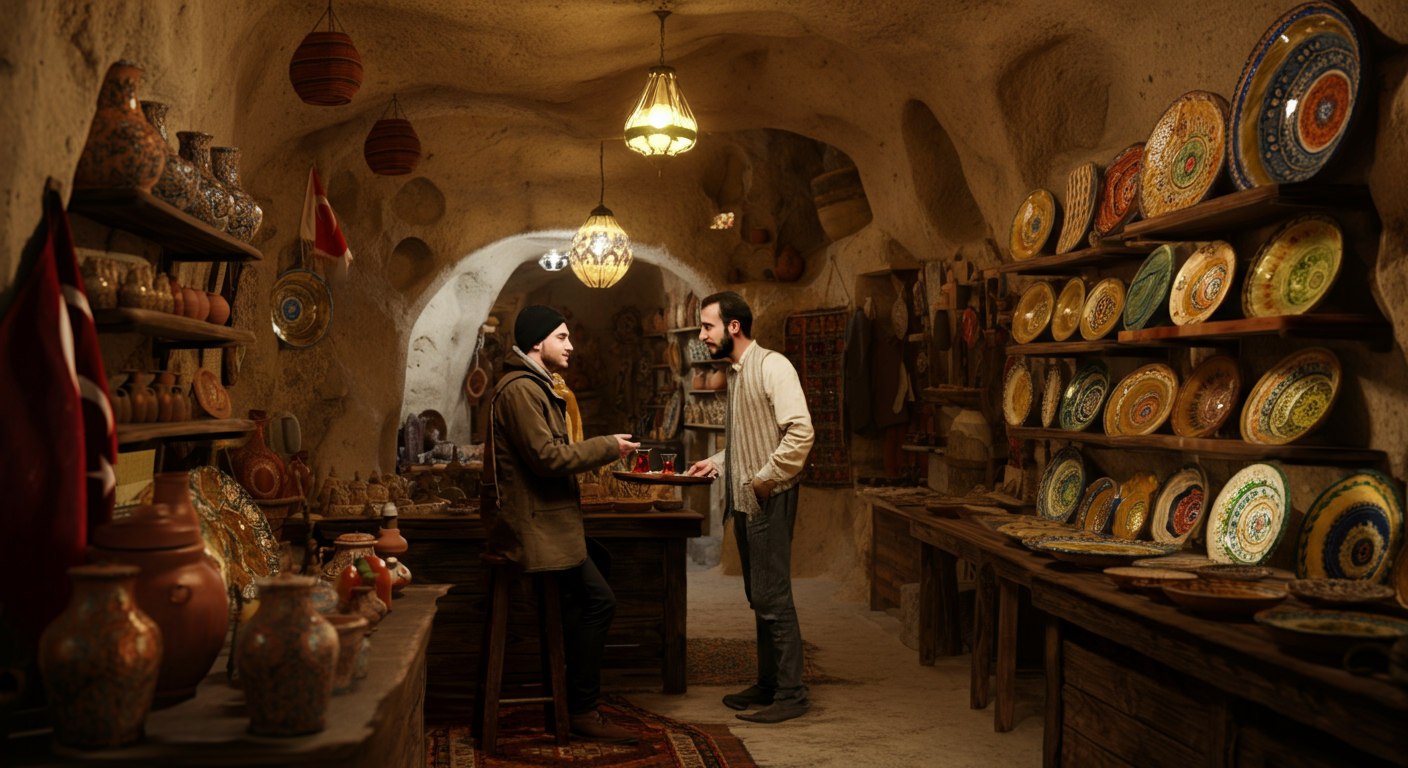
Shopkeepers often offer tea (çay) and take time to explain designs. Prices usually open high, expecting a counter-offer and several rounds of negotiation, especially for hand-knotted carpets and gold pieces.
Around Sultanahmet’s Kabasakal Caddesi or Göreme’s main square, being offered tea is normal hospitality. You are not obliged to buy. If you prefer to leave, a simple “Çok teşekkürler, sonra bakacağım” (Thank you, I’ll look later) is enough.
Souvenir Streets in Holiday Resorts
In coastal towns, long shopping streets are built around bargaining:
- Bodrum centre: souvenir strips near the castle and along Atatürk Caddesi and Neyzen Tevfik Caddesi; prices for clothes and trinkets usually drop after a little chat.
- Marmaris: streets off the Uzunyalı beach road and around the old harbour lined with stalls selling bags and replicas where haggling is common.
- Antalya Lara: rows of shops on Güzeloba Mahallesi Lara Caddesi selling towels, bags and beach items with flexible prices.
- Alanya: dense souvenir area along and just behind Atatürk Bulvarı between the harbour and Cleopatra Beach.
Sellers on these streets are used to UK visitors and often quote in pounds, euros and lira. Always confirm which currency you are agreeing.
Some Excursions and Tours
Independent kiosks sometimes negotiate, particularly for groups or multiple bookings:
- Boat trip stands along the Çalış Beach promenade near Fethiye.
- Tour sellers on the Kuşadası harbour front.
- Excursion desks near entrances to sights such as Düden Waterfalls off Lara Caddesi in Antalya.
Simple rule: agree clearly what is included (lunch, transfers, entry fees) at the same time as the price and keep the leaflet or WhatsApp message as a record.
Where Bargaining Is Not Appropriate
Supermarkets, Modern Bakeries and Shopping Centres
If you see barcodes, shelves and tills, prices are fixed. This includes:
- Large supermarkets on the D‑400 road around Antalya or the Muğla–Bodrum highway.
- Indoor shopping malls between Antalya centre and Konyaaltı.
- Contemporary bakeries and patisseries with labelled prices for simit, pide and standard ekmek loaves.
Trying to haggle for your basic groceries will normally just cause confusion.
Public Transport and Taxis on the Meter
You do not bargain for:
- City buses and trams – for example Istanbul’s T1 tram along Divan Yolu Caddesi, Antalya buses KL08 (Airport–Konyaaltı) and LC07 (centre–Lara).
- Dolmuş minibuses such as Fethiye–Ölüdeniz from near İnönü Bulvarı or Bodrum–Gümbet from Bodrum Otogar.
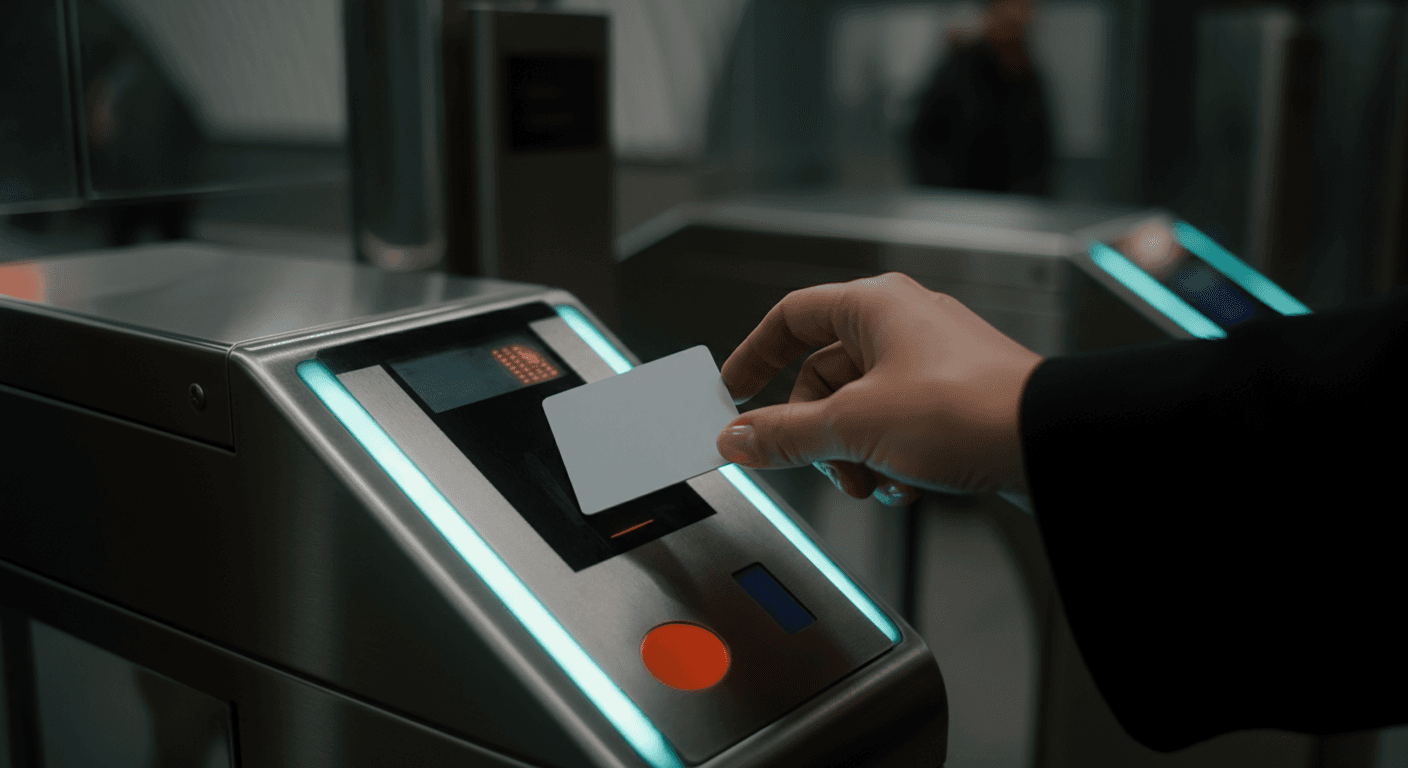
- Metro and suburban rail lines, which use travel cards and posted fares.
Taxis using a meter – for example between Antalya Kaleiçi and Konyaaltı Beach via Adnan Menderes Bulvarı – are also non-negotiable. For long or intercity routes without a meter (such as Dalaman Airport–Fethiye), agree a fixed fare and currency before starting.
Pharmacies, Medical Services and Official Tickets
No bargaining for essentials or government‑linked prices:
- Pharmacies (eczane) on streets like Atatürk Caddesi in Alanya or İnönü Caddesi in Bodrum.
- Hospitals and clinics.
- Museum tickets – for example Topkapı Palace, Ephesus or the Göreme Open‑Air Museum; tariffs are set and displayed.
UK-friendly tip: if a laminated list or a digital display shows prices, assume they are fixed.
How Much to Haggle and Typical Price Ranges
Starting Offers and Likely Outcomes
Sellers in touristy areas usually leave room for negotiation. Many UK travellers use these rough starting points:
- Small souvenirs (magnets, simple T‑shirts, keyrings): offer about 30–40% below the first stated price, often settling 15–25% lower.
- Mid-range items (bags, casual clothes, lamps): open 35–45% lower, expect to land roughly 20–30% under the original quote.
- High-value pieces (carpets, leather jackets, gold jewellery): some start near 50% of the first price and move up cautiously.
Example on Bodrum’s Cumhuriyet Caddesi:
- Seller: “This beach bag, 600 TL.”
- You: “Nice, but a bit high. I can do 350 TL.”
- Seller: “No, but I can make 500 TL.”
- You: “My maximum is 400 TL.”
- Likely agreement: somewhere around 430–450 TL if both are happy.
Rough Money Expectations (Subject to Change)
Amounts shift with exchange rates and seasons, but as a very broad idea, many visitors report after haggling:
- Fridge magnets / small trinkets: often in the region of 30–80 TL each, depending on area and quality.
- Simple resort T‑shirts: typically within a modest tourist range once you negotiate, with lower prices on streets away from the seafront.
- Beach items (towels, inflatables) in places like Konyaaltı or Gümbet: better value if you buy more than one from the same stall.
- Carpets and kilims: from a few thousand lira upwards for hand‑made pieces, rising significantly for fine wool or silk. Always compare several shops and only spend what you are comfortable with.
Important: for expensive items, ask for a written receipt with the address (for example “Kaleiçi, Hesapçı Sokak, Antalya”) and pay by card if you prefer an extra record. For changing price levels and bank charges from the UK, check current official or bank advice before you travel.
Polite Turkish Phrases for Haggling
Core Politeness
- Merhaba – Hello.
- Lütfen – Please.
- Teşekkürler / Teşekkür ederim – Thank you.
- İyi günler – Have a good day.
- Afedersiniz – Excuse me / Sorry.
Directly About Price
- Ne kadar? – How much?
- İndirim var mı? – Is there a discount?
- Biraz daha uygun olur mu? – Could it be a bit cheaper?
- Çok pahalı – Too expensive.
- Bütçem ... lira – My budget is ... lira.
- Son fiyat ne? – What is your final price?
- Düşüneceğim – I’ll think about it.
- Bakıyorum sadece – I’m just looking.
UK-friendly tip: say “Çok pahalı” with a smile and light tone – it feels playful rather than insulting.
Bargaining Etiquette: Do’s and Don’ts
What Usually Works Well
- Greet first: a quick “Merhaba” on streets like Atatürk Caddesi in Bodrum can instantly soften the interaction.
- Show real interest only when ready: serious negotiation implies genuine intent to buy.
- Keep your voice calm: bargaining is more like chatting than arguing.
- Use cash tactically: having the exact amount of your final offer visible in lira notes can help close the deal.
- Walk away politely: if it is too high, say “Teşekkürler, almayacağım” (Thank you, I will not take it) and leave. If the seller calls you back, decide quickly.
What to Avoid
- Do not insult goods: focus on your budget rather than claiming something is worthless.
- Do not bargain for sport: in small shops on lanes like Alemdar Caddesi in Istanbul, heavy negotiation with no intention of buying feels disrespectful.
- Do not wave large amounts of cash after saying you cannot afford the price.
- Do not feel trapped: you can always end with a polite thank‑you and leave.
On lively streets like Istiklal Caddesi in Istanbul or Atatürk Bulvarı in Alanya, walking away is normal. If no better offer comes, simply continue your stroll and try another stall a few doors down.
Regional Snapshots: Istanbul, Antalya, Bodrum, Cappadocia
Istanbul
- Grand Bazaar: serious bargaining for carpets, lamps and leather in lanes such as Kalpakçılar Caddesi. Expect tea, chat and time.
- Spice Bazaar: modest haggling for packaged gifts; individually weighed nuts and spices with clear per‑kilo prices have less room.
- Istiklal side streets: in backstreets like Balyoz Sokak, very gentle negotiation may be possible for antiques and vintage items.
- Transport: T1 tram, ferries from Eminönü and metro lines use fixed fares paid with Istanbulkart – no bargaining.
Antalya Region
- Kaleiçi (Old Town): cobbled streets around Kılınçarslan Mahallesi, such as Hıdırlık Sokak and Hesapçı Sokak, where souvenirs and leather are often negotiated.
- Lara Beach: shop-lined Lara Caddesi offers flexible prices on textiles and beach gear.
- Konyaaltı seafront: stalls on Akdeniz Bulvarı may discount multi‑item purchases.
- Transport: buses LC07 and KL08 plus AntRay trams run on fixed published fares taken from your AntalyaKart.
Bodrum and the Aegean
- Bodrum town: bargaining is standard on Atatürk Caddesi, Neyzen Tevfik Caddesi and by the harbour for shirts, sunhats and bags.
- Gümbet & Bitez: beach road stalls offer negotiable prices for inflatables, goggles and sarongs.
- Kuşadası: bazaar area between Şehitler Caddesi and the harbour often starts high, expecting UK cruise visitors to haggle.
- Dolmuş: routes such as Bodrum–Gümbet and Kuşadası–Selçuk have fixed fares posted at stops or on signs.
Cappadocia
- Göreme: around the main square and Müze Caddesi you can gradually negotiate on pottery, onyx and carpets.
- Ürgüp: some flexibility for multiple bottles of local wine on İstiklal Caddesi.
- Avanos: pottery workshops by the Kızılırmak River bridge where prices for decorative, large pieces are often discussed.
- Balloon flights: agencies may vary in price; focus on licensed operators and clear inclusions more than small discounts.
In resort strips like Antalya Lara or Marmaris beachfront, ask “Lira fiyatı ne kadar?” (What’s the price in lira?) and compare with a mid‑market rate app. Paying in lira with smaller notes often makes closing a deal easier.
Quick Bargaining Script for UK Travellers
Use this simple pattern in places like Kemeraltı Çarşısı or Bodrum Çarşı:
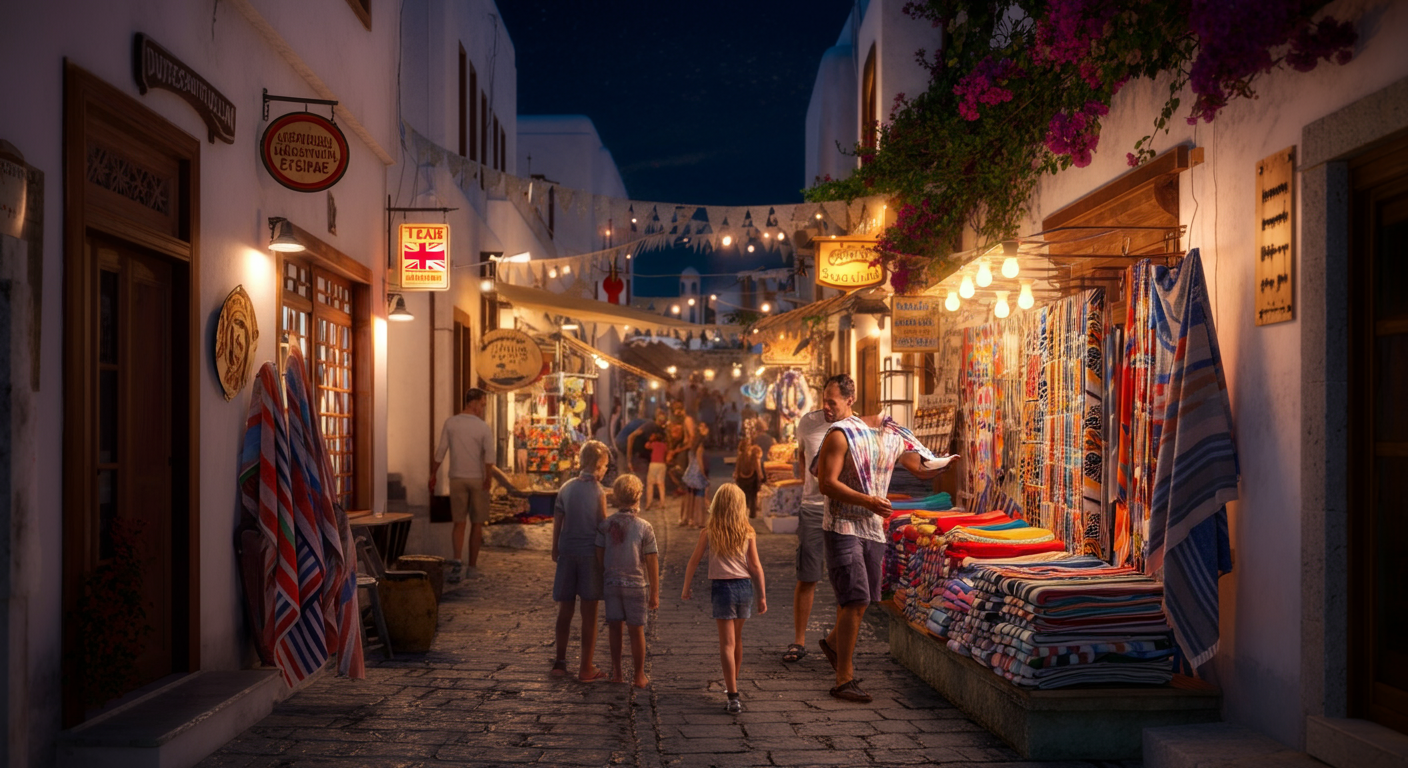
- Greet: “Merhaba.”
- Ask: “Ne kadar?” (How much?)
- React: “Biraz pahalı.” (A bit expensive.)
- Offer: state about 30–40% below the first price.
- Respond: move up slowly if you truly want it.
- Close: when satisfied, say “Tamam, teşekkürler” and pay.
- Decline: if not buying, “Teşekkürler, almayacağım” and walk away.
To plan where to base yourself near good markets, see best areas to stay in Antalya and Istanbul trip planning guide for UK travellers. For moving between bazaars and resorts efficiently, check getting around Turkey on public transport.
FAQ
Is it rude not to bargain in Turkey?
No. In many places – supermarkets, pharmacies, standard clothes shops – you are not expected to haggle at all. In bazaars and tourist streets, sellers typically expect some negotiation, but paying the first price politely is still acceptable if you are happy with it.
Can I haggle in restaurants?
Generally no. Restaurants, cafes and kebab houses with printed menus on streets like Atatürk Caddesi charge fixed prices. The only small flexibility you might see is when booking a package boat trip that includes lunch, negotiated at the excursion kiosk rather than at the table.
How do I know if I’m getting a fair deal?
Compare two or three stalls on the same street – for example in Grand Bazaar or along Atatürk Bulvarı in Alanya. If prices cluster in a similar range and you are comfortable with the final number, it is usually reasonable. For expensive carpets or jewellery, do not rush; take time and feel free to walk away.
Should I bargain for taxi fares?
Not when the meter is running. For non‑metered or long journeys, such as between an airport and a resort town, you can ask for a clear fixed fare before starting. Treat this as a one‑step agreement rather than a long haggle.
Is it better to use cash or card when bargaining?
For low and mid‑range items, cash in Turkish lira is often simplest and can make it easier to present a final offer. For higher‑value purchases, many travellers prefer cards for an extra record and to avoid carrying large amounts of cash.

Selin Aktaş
Editör"Ege köylerine ve butik otellere olan tutkusuyla tanınan Selin, 10 yılı aşkın süredir Türkiye'nin gizli kalmış rotalarını keşfediyor."
Guides About
Istanbul Public Transport Guide: Istanbulkart, Metro, Tram & Ferry Explained
İstanbul'da ulaşım karmaşasına son verin! İstanbulkart, metro, tramvay, otobüs ve feribot gibi toplu taşıma ağlarını kolayca anlayın.
Best Istanbul Photo Route: 1-Day Viral Shots (Golden Hour & Crowd Strategy)
İstanbul'un en viral fotoğraf noktalarını keşfedin! Boğaz, Galata ve Tarihi Yarımada'da 1 günde, ışık saatleri ve kalabalık stratejileriyle mükemmel kareler yakalayın.
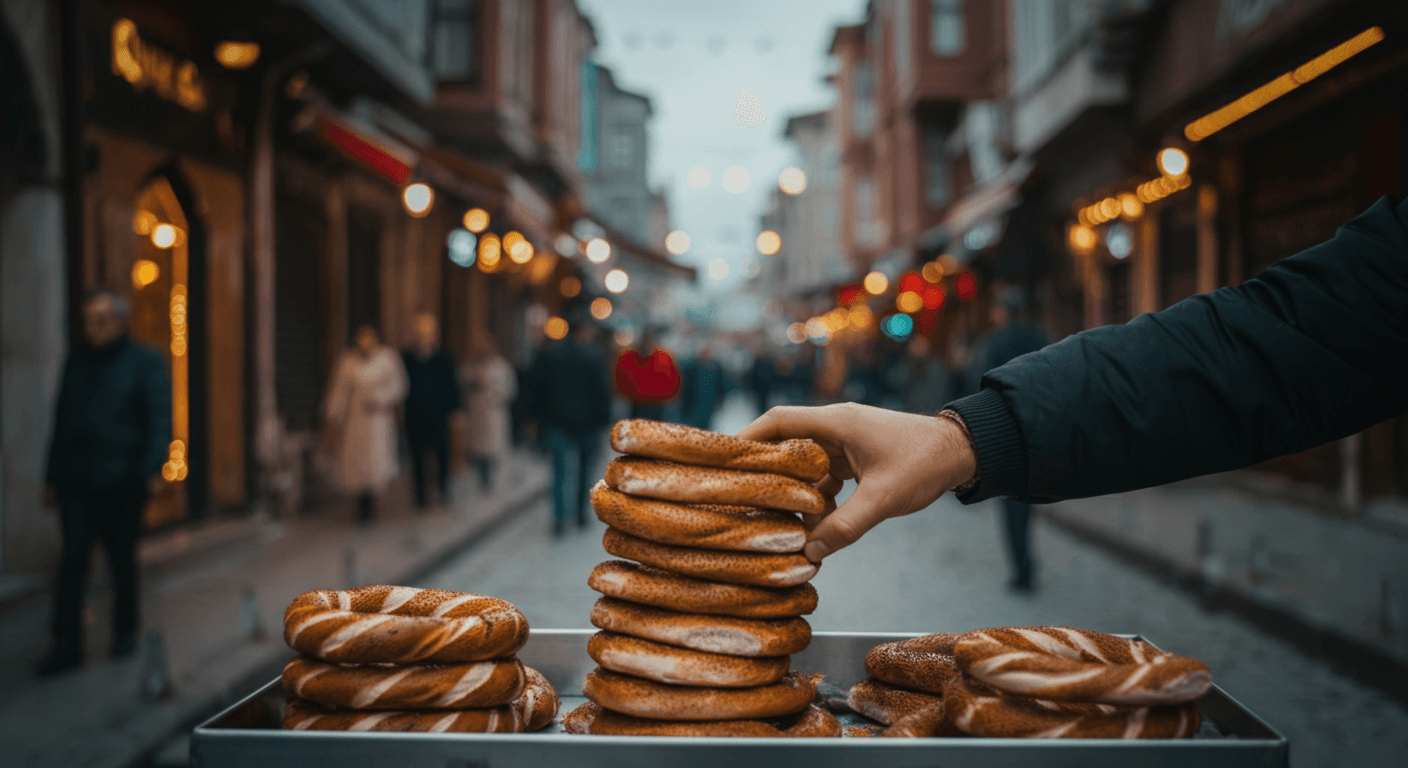
Istanbul Budget Planner: Economical, Balanced & Comfortable Spending Modes Guide
İstanbul gezinizi bütçenize uygun planlayın! Ekonomik, dengeli veya rahat modlarla harcama mantığını keşfederek şehri doyasıya yaşayın.
Istanbul with Kids Guide: Baby & Toddler Checklists | Hot Weather & Rainy Day Plan
İstanbul'da çocukla gezmek artık çok kolay! Bebek/çocuk kontrol listeleri ve öğle sıcağı/yağmur için özel İstanbul gezi planları bu rehberde.
Istanbul Walkable Neighborhoods: 2-3 Hour Walking Routes & Map Guide
İstanbul'un en güzel semtlerini yürüyerek keşfedin! Tarihi yarımada ve Boğaz çevresindeki 2-3 saatlik mini rotalarla şehri deneyimleyin.

Istanbul Mosque Guide for Tourists: Dress Code, Photography & Prayer Times
İstanbul camilerini ziyaret edecek turistler için giyim, saat ve fotoğraf kuralları rehberi. Cami ziyaretinizden önce bilmeniz gereken tüm detayları basitçe öğrenin.
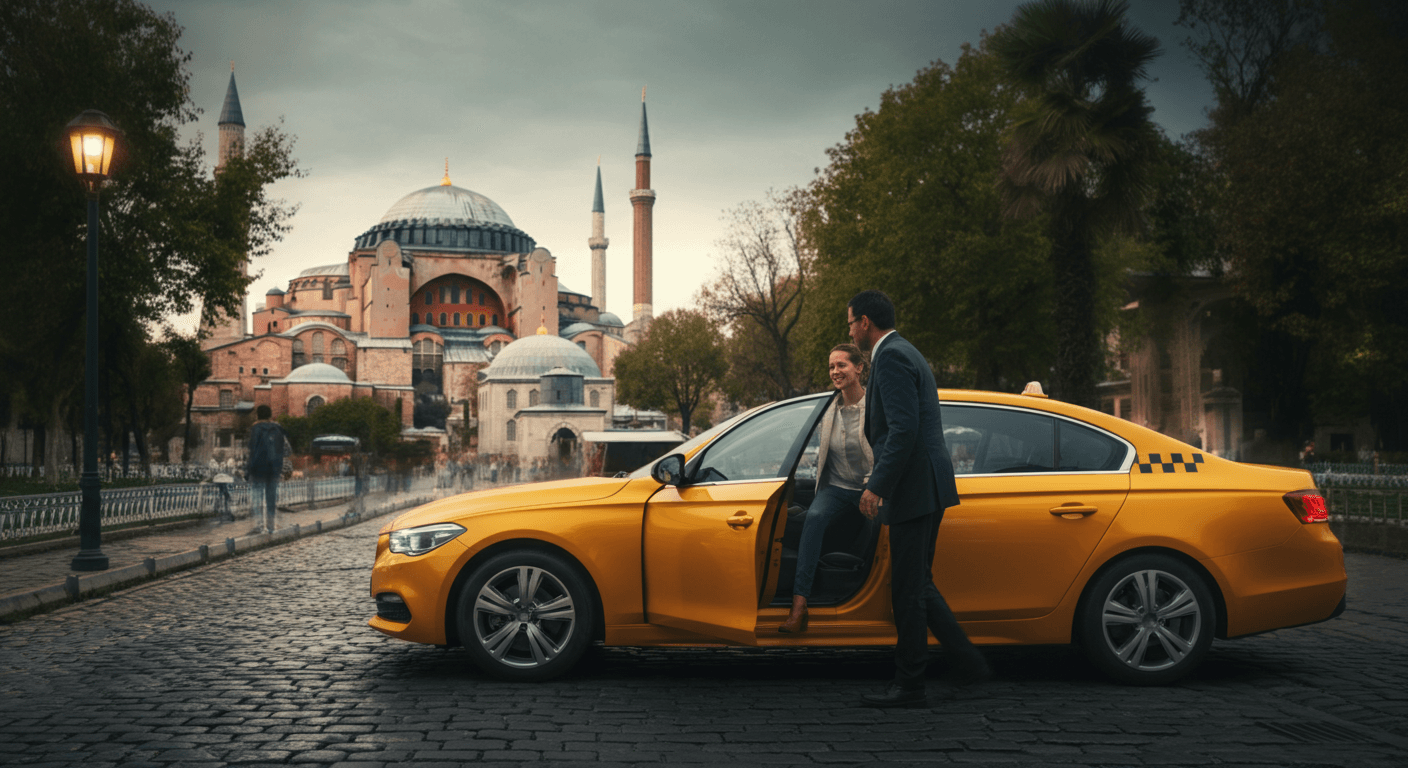
Istanbul Travel Tips: Avoid Scams & Surprises (Taxis, Restaurants, Tours)
İstanbul'da taksi, menü ve tur sürprizleri yaşamadan güvenle gezmek için basit kuralları keşfedin. Dolandırılmadan keyifli bir İstanbul deneyimi için ipuçları burada.
Istanbul Evening Guide: Safe & Fun Activities & Plans for Families, Couples & Solo Travelers
İstanbul'da akşam ne yapılır? Aile, çift veya tek kişi için Boğaz turu, tarihi mekanlar ve güvenli eğlence seçenekleriyle dolu rehberimizi keşfedin.
Istanbul Rainy Day Itinerary: Indoor Museums, Bazaars & Cafes
İstanbul'da yağmurlu havalarda sıkılmayın! Müzeler, tarihi çarşılar ve şirin kafelerle dolu kapalı mekan rotalarıyla keyifli bir gün geçirin.
Istanbul Sunset Spots: Crowd-Free Hours & Best Sunset Walk Routes
İstanbul'da kalabalıktan uzak gün batımı noktaları ve Boğaz'da eşsiz sunset walk rotalarıyla şehrin büyüsüne kapılın.
Istanbul 1-Day Itinerary: Europe to Asia Route (Hour-by-Hour & Walking Guide)
İstanbul'da bir günde Avrupa'dan Anadolu'ya geçiş rotasını keşfedin! Saat saat planlanmış bu eşsiz gezi rehberiyle iki kıtayı yürüme seviyenize göre deneyimleyin.

Sabiha Gökçen (SAW) to Istanbul Transfer: Easiest Options Guide
Sabiha Gökçen (SAW) havalimanından İstanbul şehir merkezine en kolay ulaşım (metro, Havabüs, taksi) seçeneklerini ve saatinize göre en mantıklı yolu keşfedin.

Istanbul Airport (IST) Transfer Guide: Taxi, Metro, or Private for Late Night Arrivals
İstanbul Havalimanı (IST) gece varışı için taksi, metro veya özel transfer mi? İstanbul'a en hızlı ve konforlu ulaşım seçeneğini keşfedin.

Istanbul Public Transport Guide: Metro, Tram and Ferry Logic
İstanbul'da ulaşımı çözün! Turistler için İstanbulkart nasıl alınır, T1 Tramvay, M2 Metro ve vapur kullanımı, taksi tuzaklarından korunma rehberi.

First Time in Istanbul: 3–5–7 Days Ready Itinerary
İstanbul'u yorulmadan ve kaybolmadan gezmek isteyenler için saat saat planlanmış, en verimli 3 günlük, 5 günlük ve 7 günlük hazır turistik gezi rotası.

Where to Stay in Istanbul? Area & Base Selection Guide
İstanbul'da ilk kez nerede kalınır? Sultanahmet, Karaköy, Taksim, Beşiktaş ve Kadıköy bölgelerinin detaylı, artı-eksi analizli, ulaşım odaklı konaklama rehberi.

Best Instagram and Photo Spots in Fethiye Route
Ultimate Fethiye Instagram and photography SEO guide list. Find the best spots: Butterfly Valley viewpoint cliff, Babadag glass terrace, and Ghost Town.
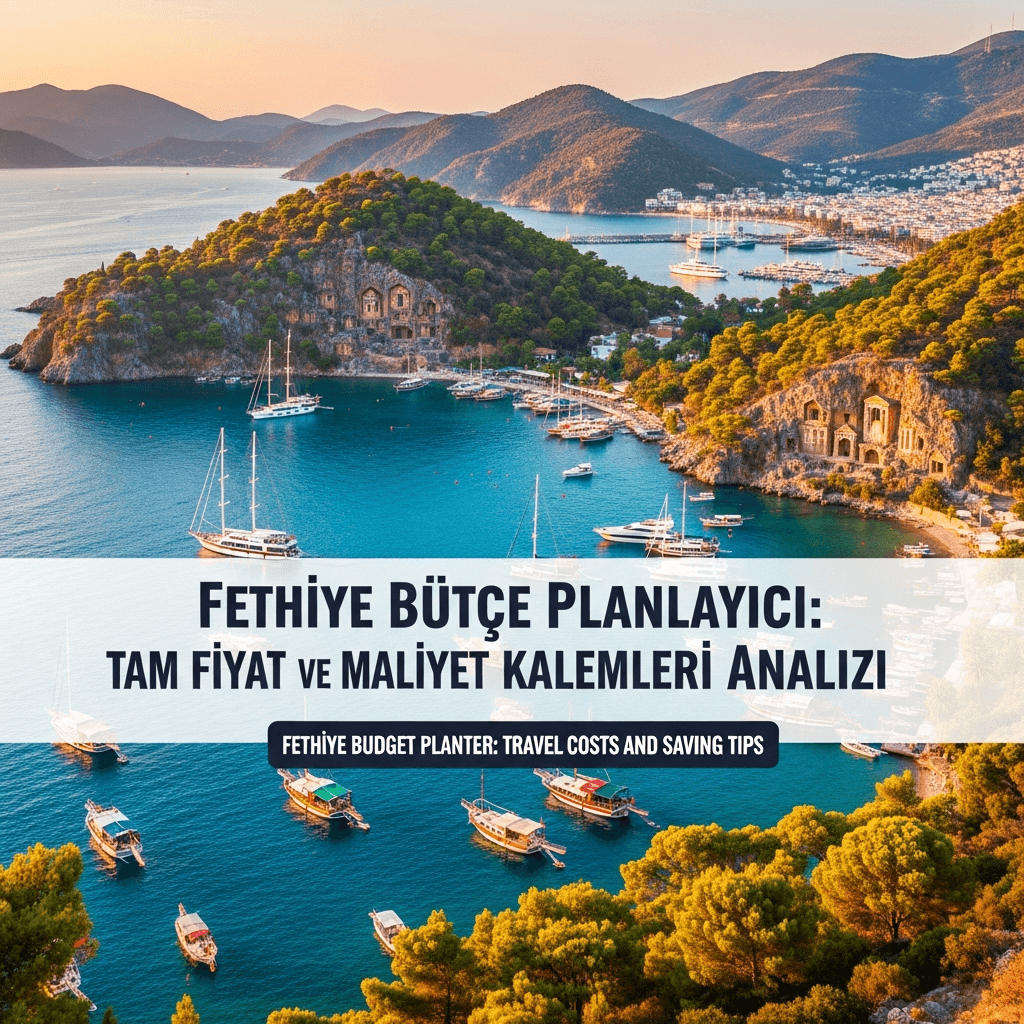
Fethiye Budget Planner: Travel Costs and Saving Tips
Ultimate SEO Fethiye holiday budget planner. Is Fethiye expensive? Guide to food prices, transport, boat trips, and saving tips for smart travelers.
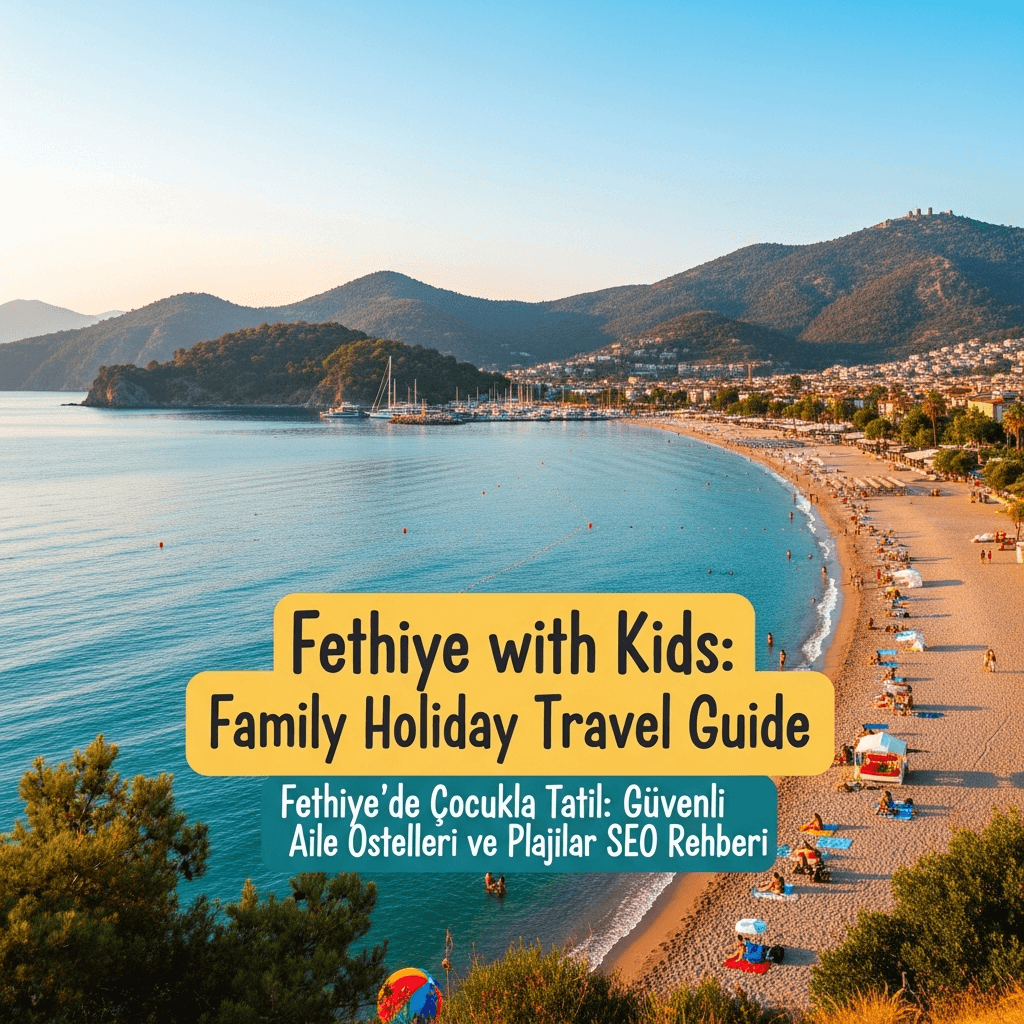
Fethiye with Kids: Family Holiday Travel Guide
Ultimate family SEO travel guide to Fethiye with kids and toddlers. Best shallow beaches, stroller-friendly hotels, and safe family boat trips listed.
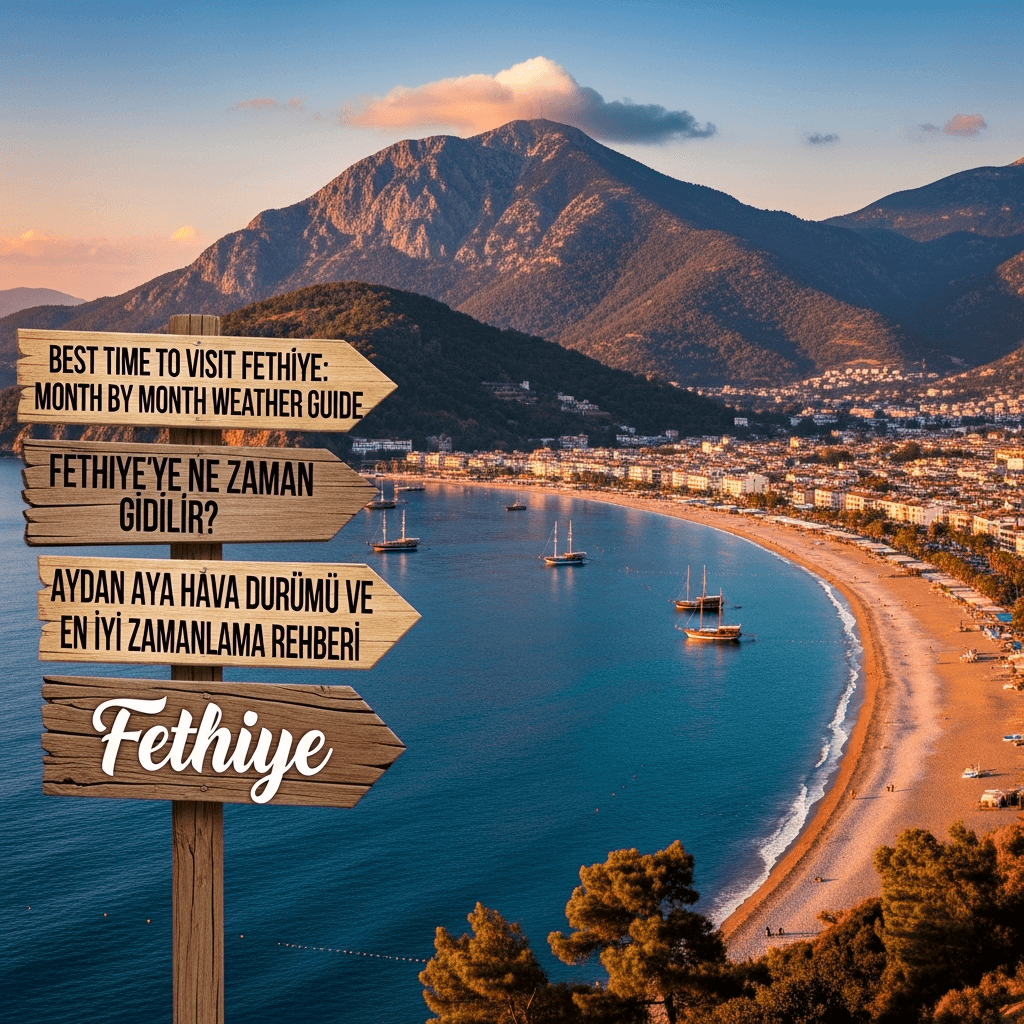
Best Time to Visit Fethiye: Month by Month Weather Guide
When is the best time to go to Fethiye? Detailed SEO weather guide month by month. Summer peaks, autumn sea temperatures and spring trekking tips.
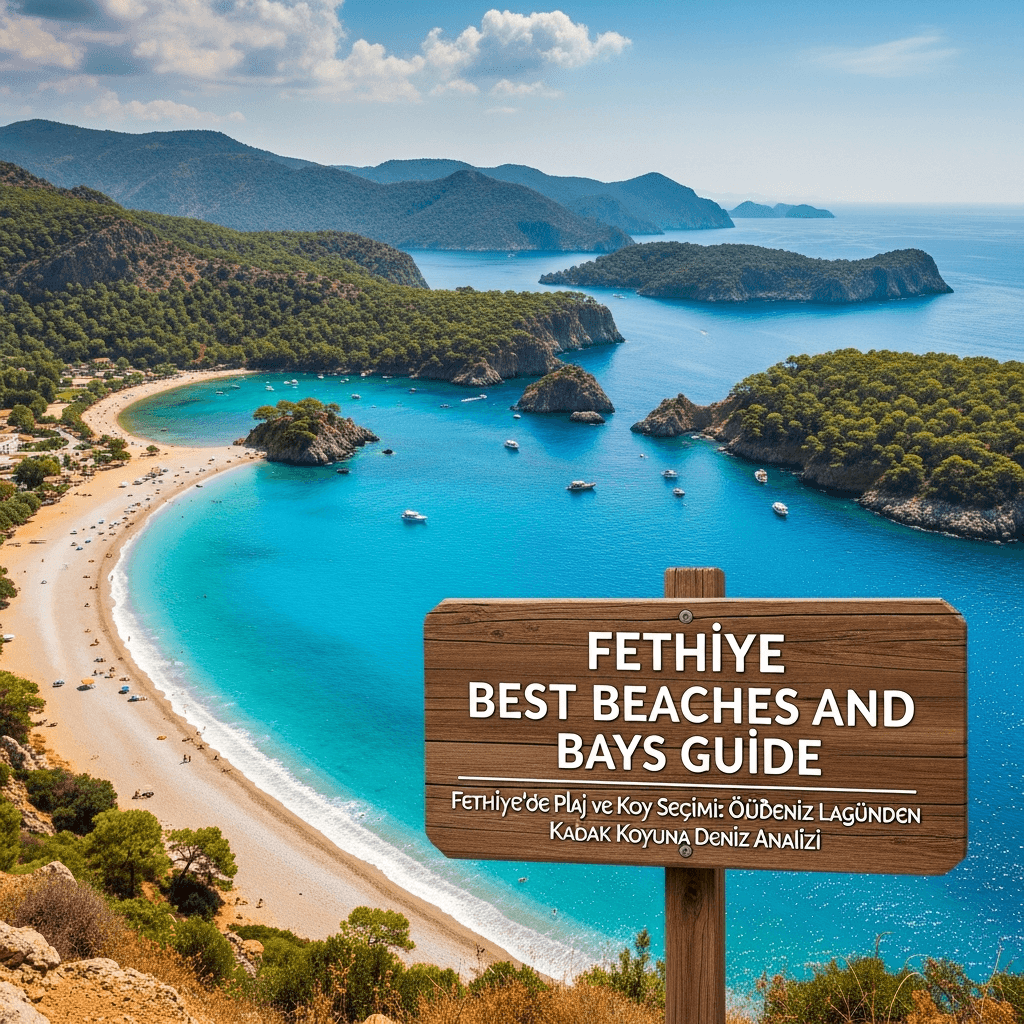
Fethiye Best Beaches and Bays Guide
Comprehensive SEO guide to Fethiye's best beaches. Compare Blue Lagoon, Belcekiz pebbles, Calis beach wind, and hidden Kidrak/Kabak bays.
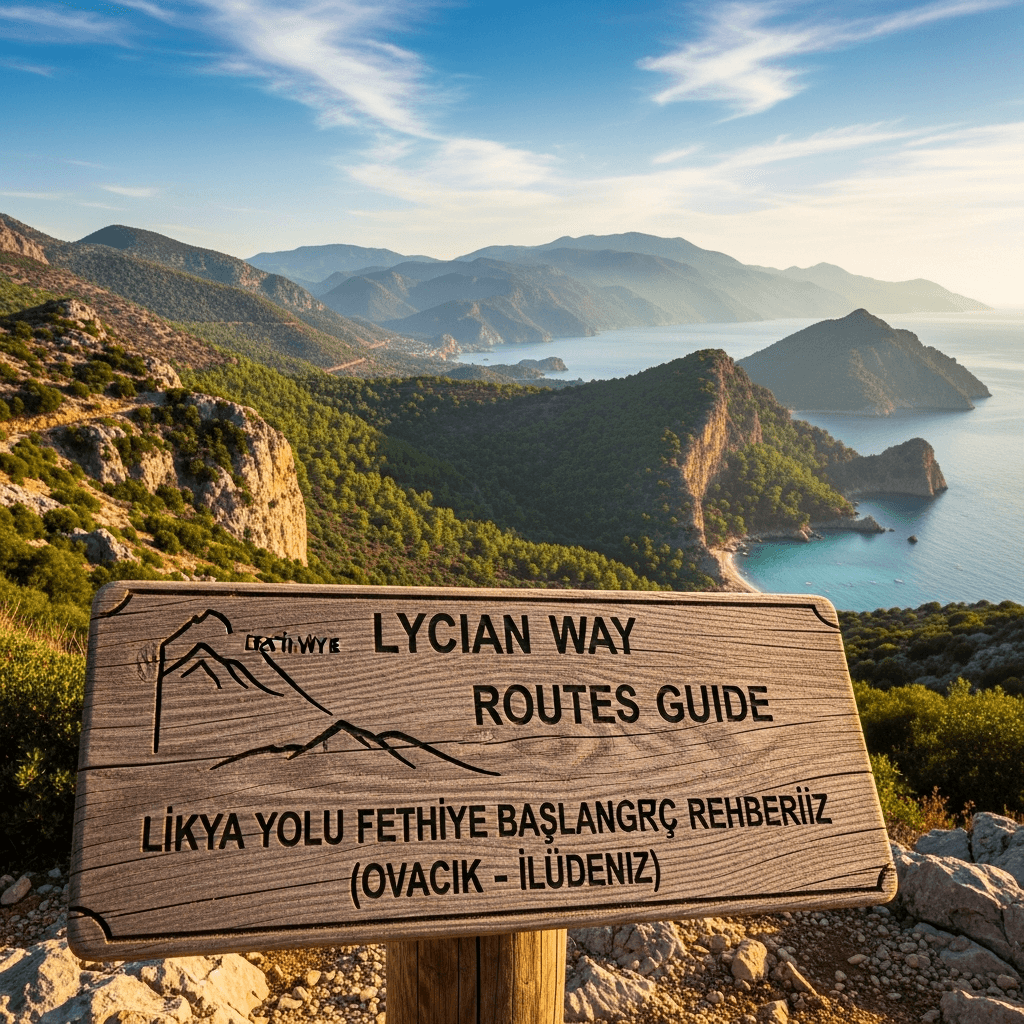
Lycian Way Fethiye Routes Guide
Ultimate Guide to starting the Lycian Way from Fethiye (Ovacik, Faralya, Kayakoy). Daily hiking routes, trails, maps, and offline tips with full SEO tables.
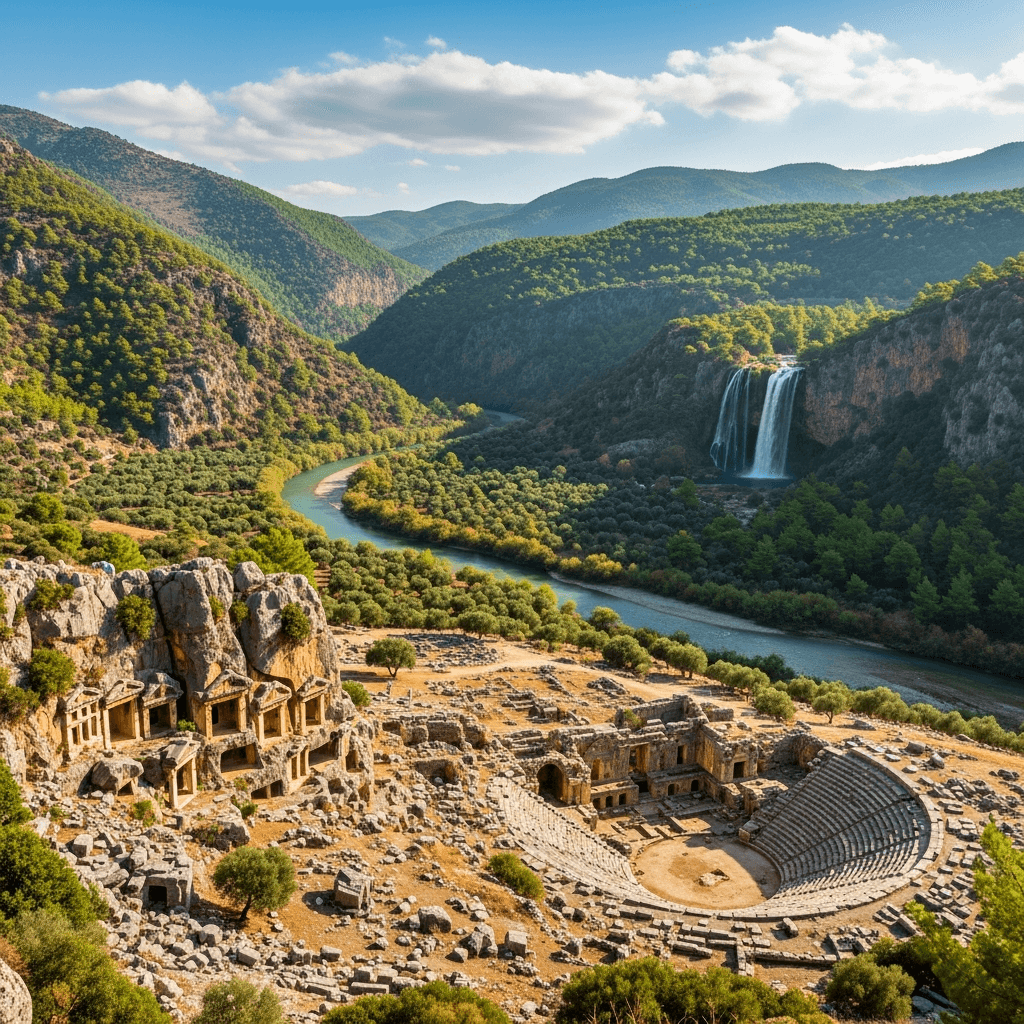
Tlos Ancient City & Yakapark Day Trip Guide
Ultimate Fethiye day trip SEO guide: Morning at Tlos Ancient City and Lycian rock tombs, afternoon lunch at Yakapark waterfalls, and Saklikent alternatives.
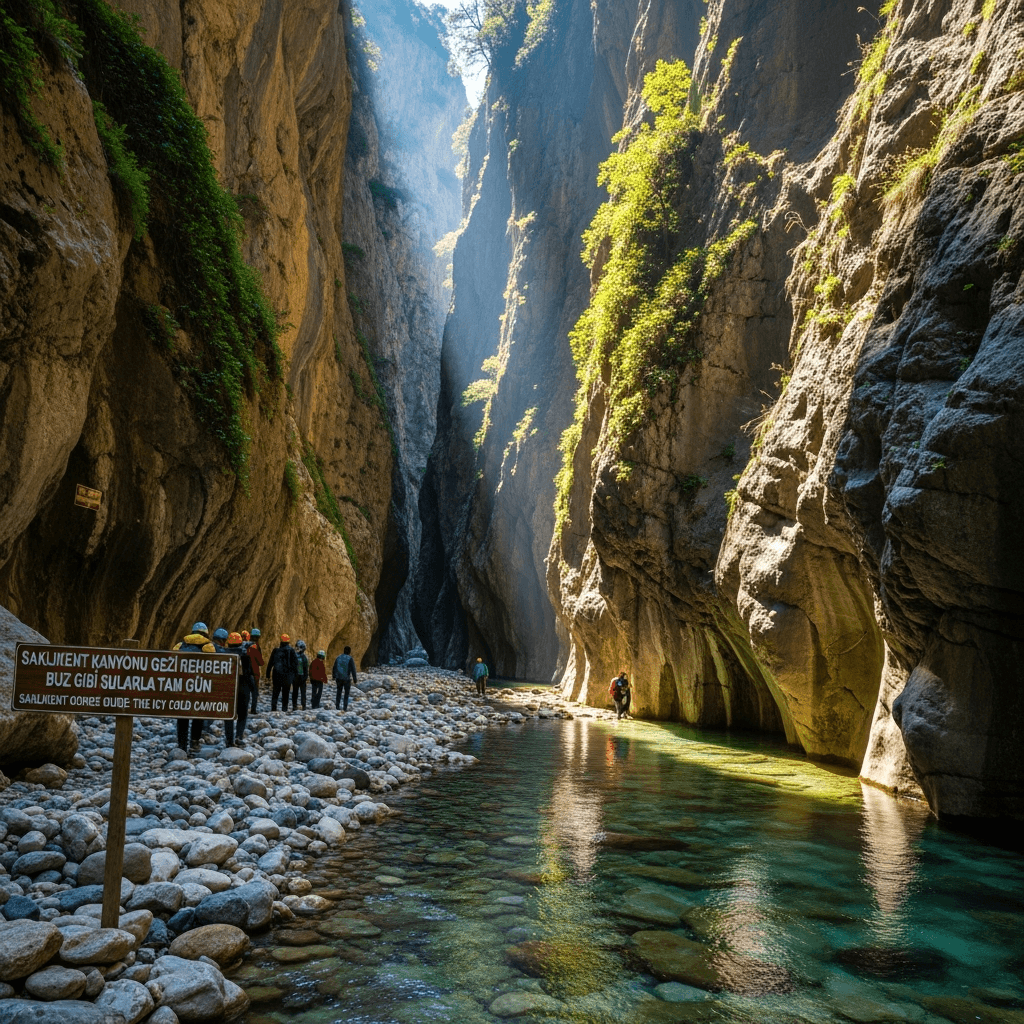
Saklikent Gorge Guide: The Icy Cold Canyon
Ultimate SEO guided Fethiye Saklikent Gorge and Canyon travel guide. Tips for hiking the icy river, mud baths, and comparing Gizlikent Waterfall.
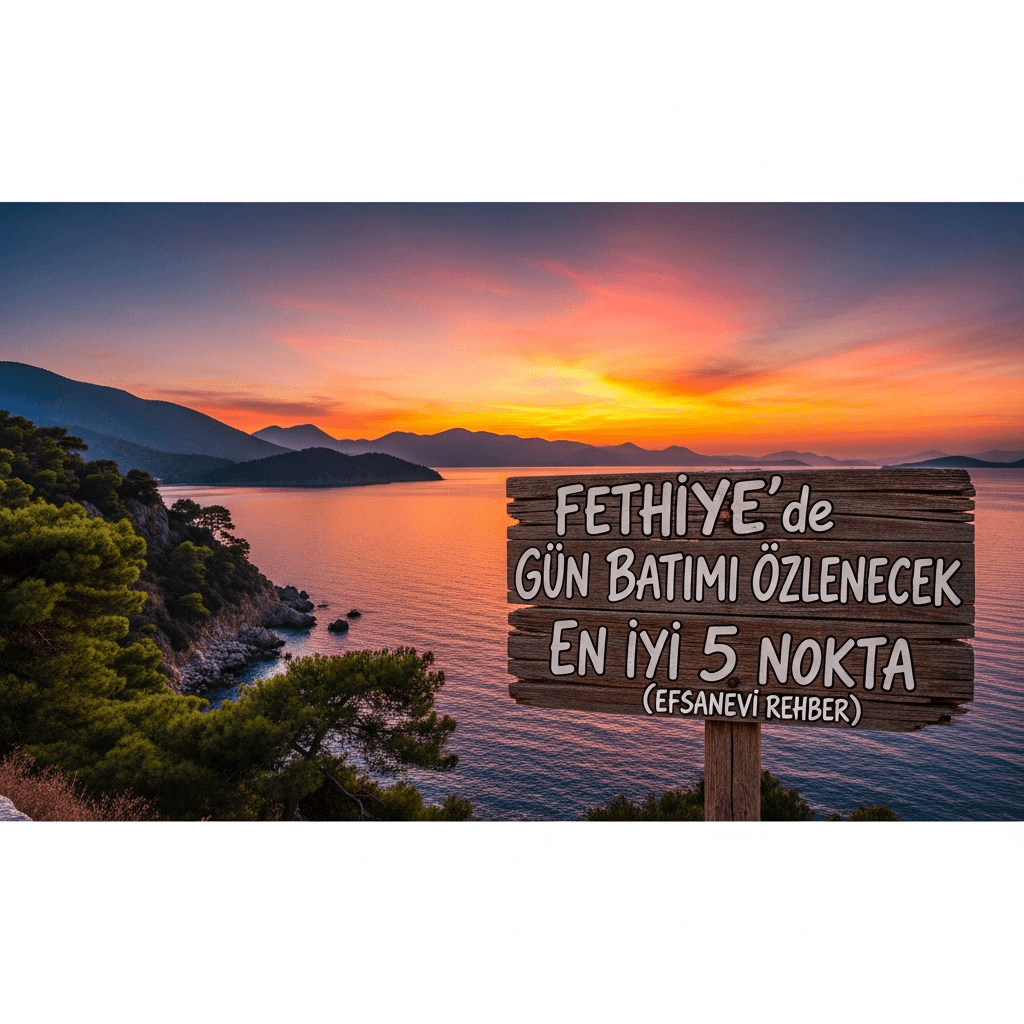
Best 5 Sunset Spots in Fethiye
Where to watch the best sunset in Fethiye? Detailed SEO guide for Calis beach, Babadag 1700m, and Sovalye island sunsets with tables and tips.
Fethiye Boat Trip Choice: 12 Islands vs Oludeniz
Ultimate comparison between the 12 Islands Boat Trip and the Oludeniz Butterfly Valley boat tour. Detailed SEO travel guide with tables and tips.
Butterfly Valley Guide
Ultimate SEO guided Fethiye Butterfly Valley travel guide. How to get there by boat or hike, best camping spots, and waterfall trekking tips.
How to Plan a Day in Oludeniz: Hour-by-Hour Guide
An hour-by-hour itinerary for visiting Oludeniz, Kumburnu Blue Lagoon, Belcekiz beach, and the Babadag cable car. Essential tips for your holiday.
Car-Free Fethiye Holiday Guide
Discover how to enjoy a completely car-free holiday in Fethiye. Full transportation guide including water taxis, local dolmus, and walking trails.
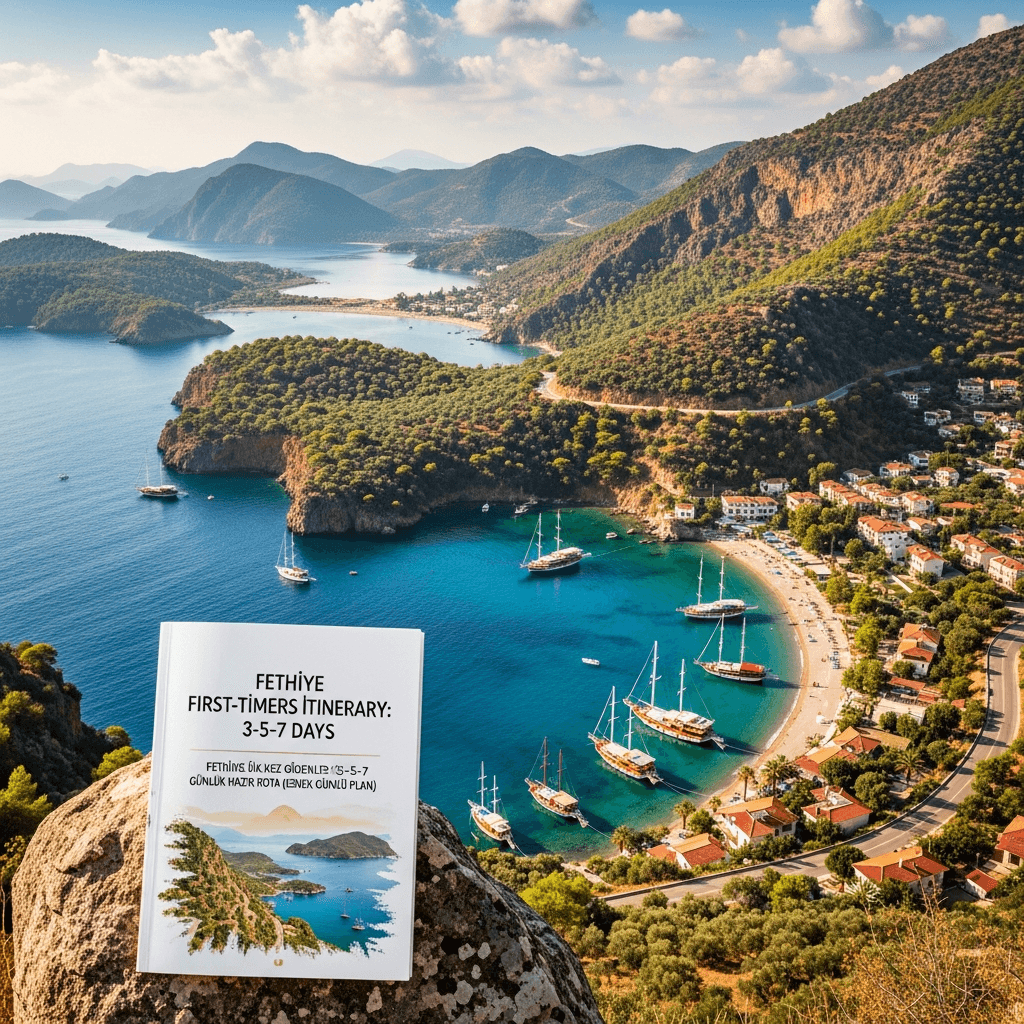
Fethiye First-Timers Itinerary: 3-5-7 Days
An optimized and flexible 3, 5, or 7-day itinerary for your first visit to Fethiye. Unmissable spots like Oludeniz, Saklikent Gorge and Babadag.
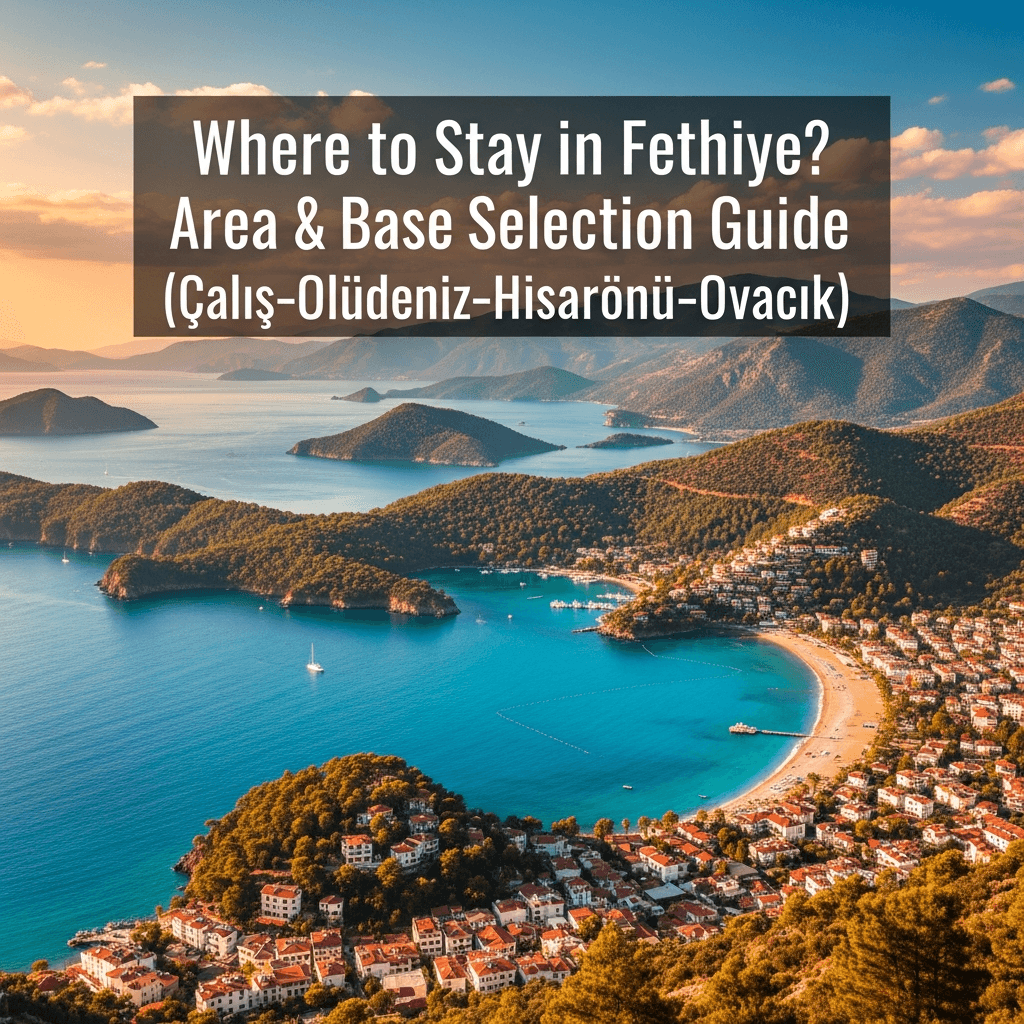
Where to Stay in Fethiye? Area & Base Selection Guide
Where to stay in Fethiye, Turkey? An extensive area-by-area guide choosing between Calis Beach, Oludeniz, Hisaronu, Ovacik and the Town Center.
Did you find this guide helpful?
Check out our other guides to discover more hidden gems in .
Explore All Guides