A La Carte Restaurants in All-Inclusive Resorts in Turkey: How It Really Works for UK Travellers
Clear UK-focused guide to à la carte restaurants in all-inclusive resorts in Turkey: booking, dress codes, costs, example prices and insider tips.
Hızlı Özet
- • best places to visit
- •Local restaurant and cafe recommendations
- •Accommodation options and price ranges
- •Transportation info and tips
Table of Contents
A La Carte Restaurants in All-Inclusive Resorts in Turkey: How It Works for UK Travellers
- In Turkey, most large all-inclusive resorts include a buffet as standard and offer separate à la carte restaurants for Turkish, seafood, Italian or steakhouse-style dining.
- Some à la carte venues are included in the all-inclusive concept (often 1–3 visits per week), others charge a cover fee or supplement – always check your resort’s concept sheet at check-in.
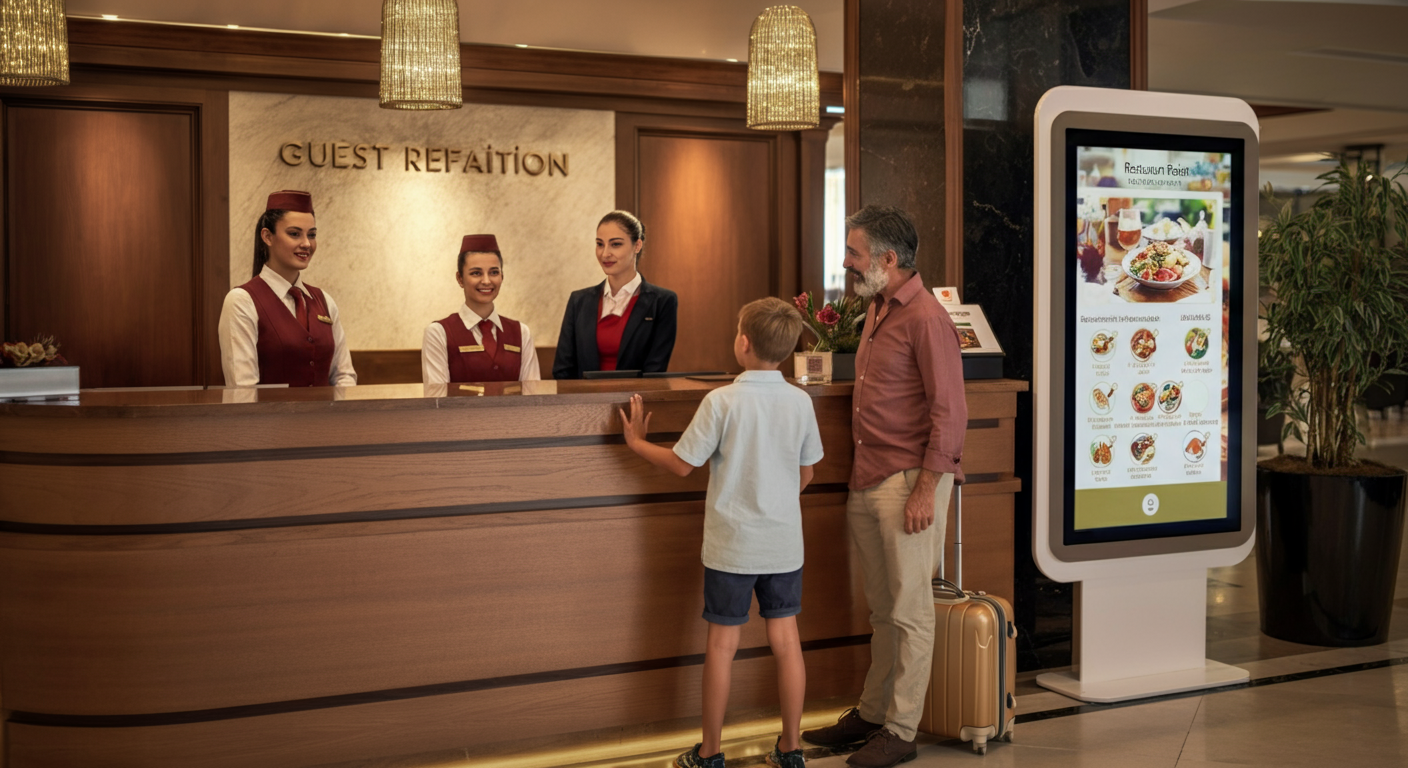
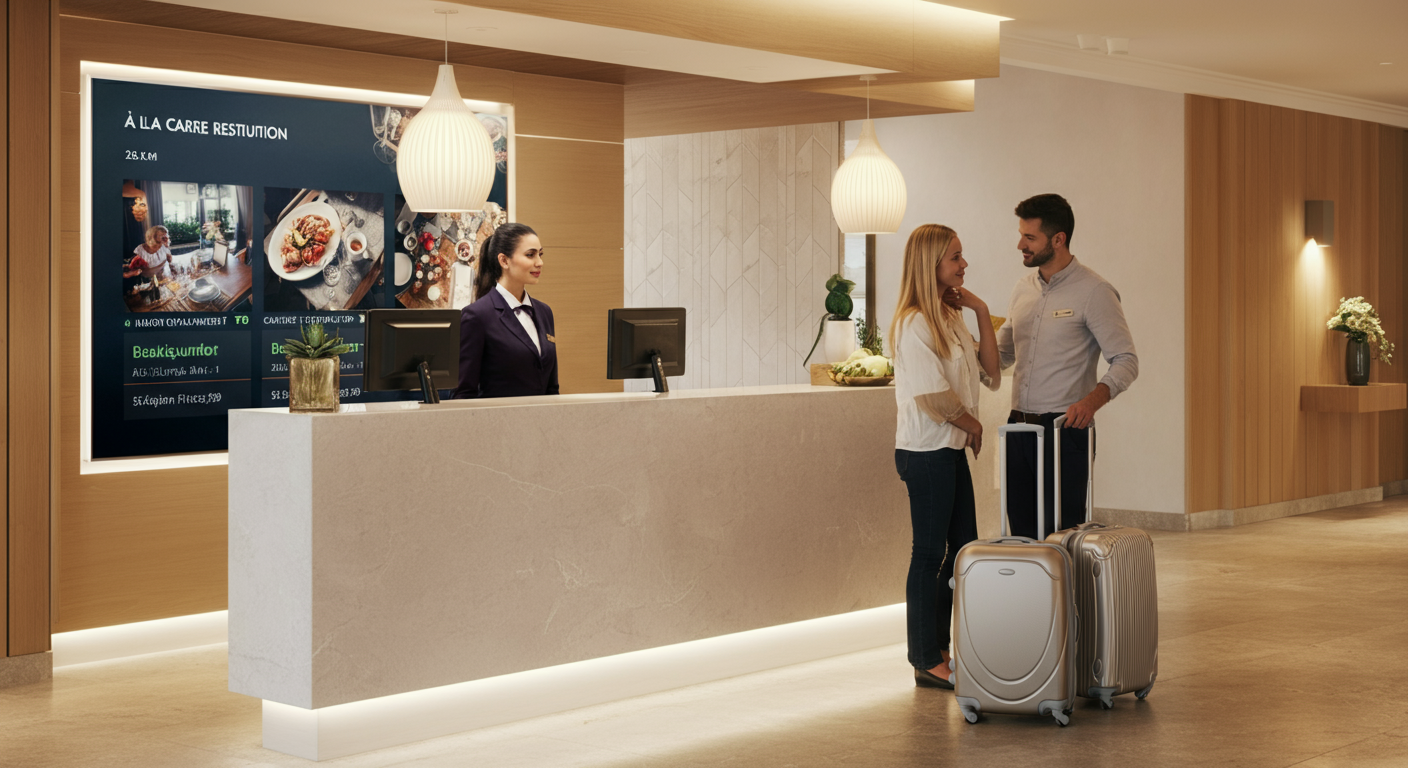
- Tables usually need advance reservations, often via a lobby desk, touch-screen kiosk, resort app or guest relations near reception.
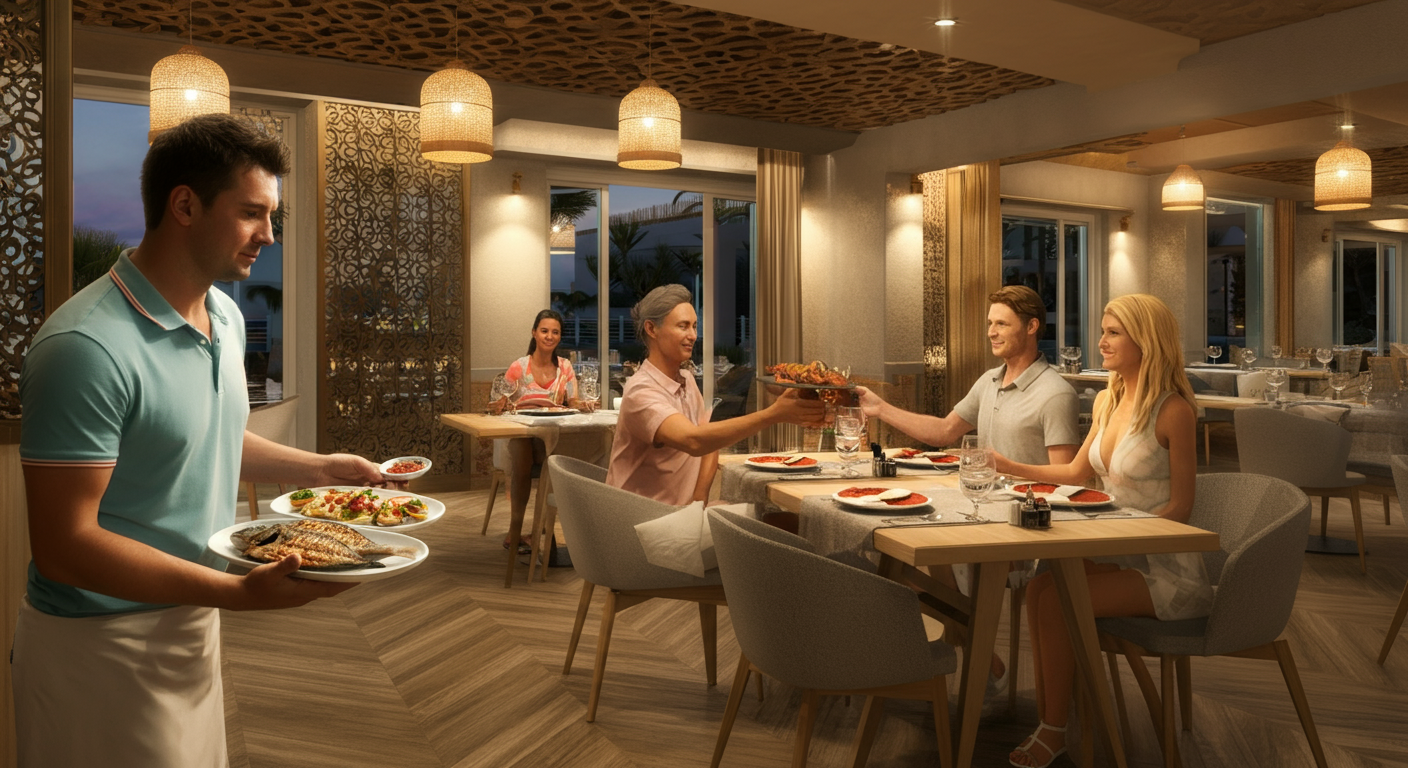
- Dress codes are typically “smart casual”: longer shorts or light trousers, covered swimwear, and closed shoes in the evening in coastal areas like Lara Beach, Side and Belek.
- Most drinks from the standard bar menu are included, but premium branded spirits, imported wines and special cocktails may carry a surcharge.
- Popular nights in peak season (late June–August) book out quickly, especially in Antalya beach resorts and Bodrum bays – book your preferred night soon after arrival.
- Local flavour: expect fresh Turkish bread such as pide or bazlama, meze starters, grilled sea bass, and regional desserts like baklava and külbastı-style grilled meats.
In Turkish all-inclusive resorts, à la carte restaurants are usually a more relaxed, restaurant-style alternative to the main buffet, sometimes included, sometimes with a small fee. You normally book in advance, follow a smart-casual dress code, and enjoy a set or limited menu where most food is included but some premium drinks or dishes may cost extra.
Introduction: Why À La Carte Matters in Turkish All-Inclusive Resorts
Many UK travellers choose all-inclusive in Turkey for simplicity, but quickly realise the main buffet can feel repetitive, especially on a 10–14 night holiday. This is where à la carte restaurants become important. They offer:
- Table service instead of queueing at buffets.
- Set menus focused on regional or themed cuisine.
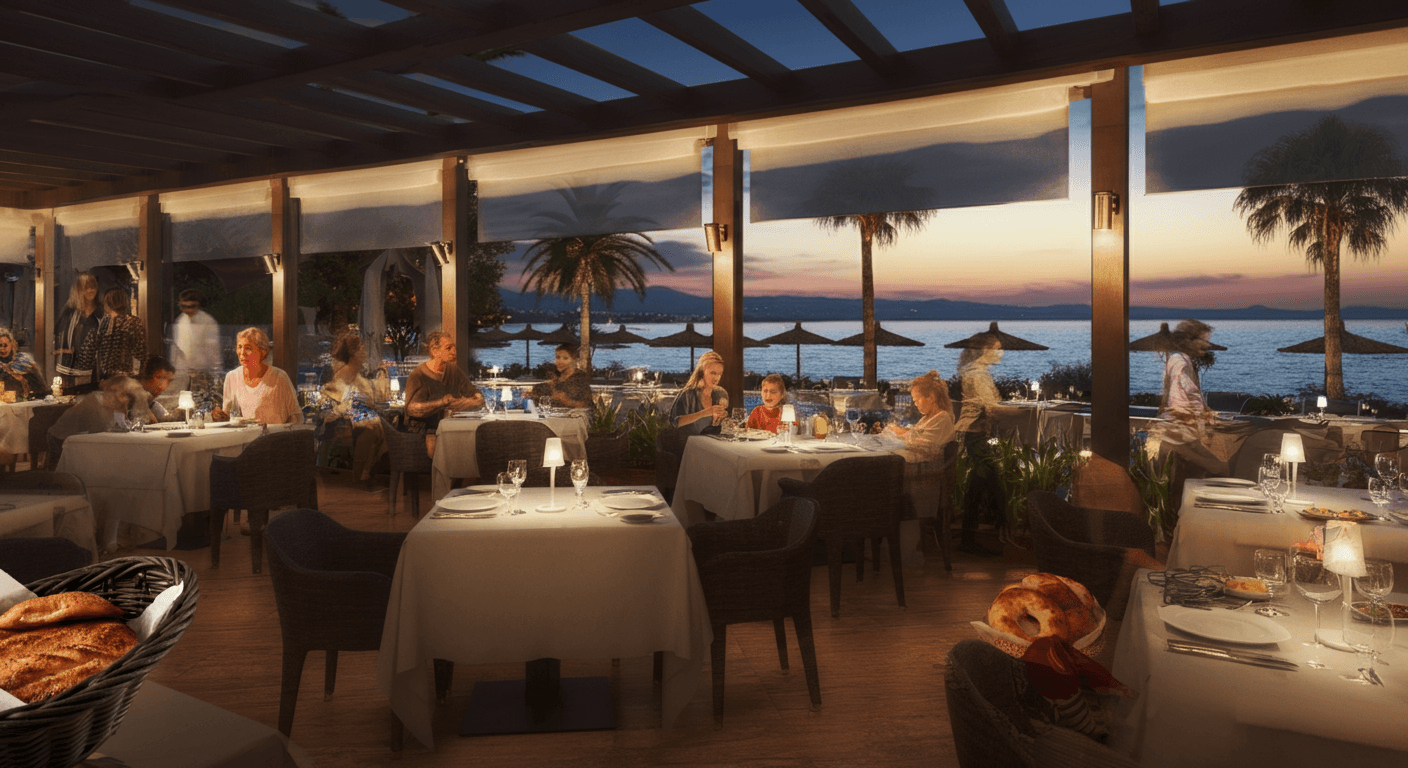
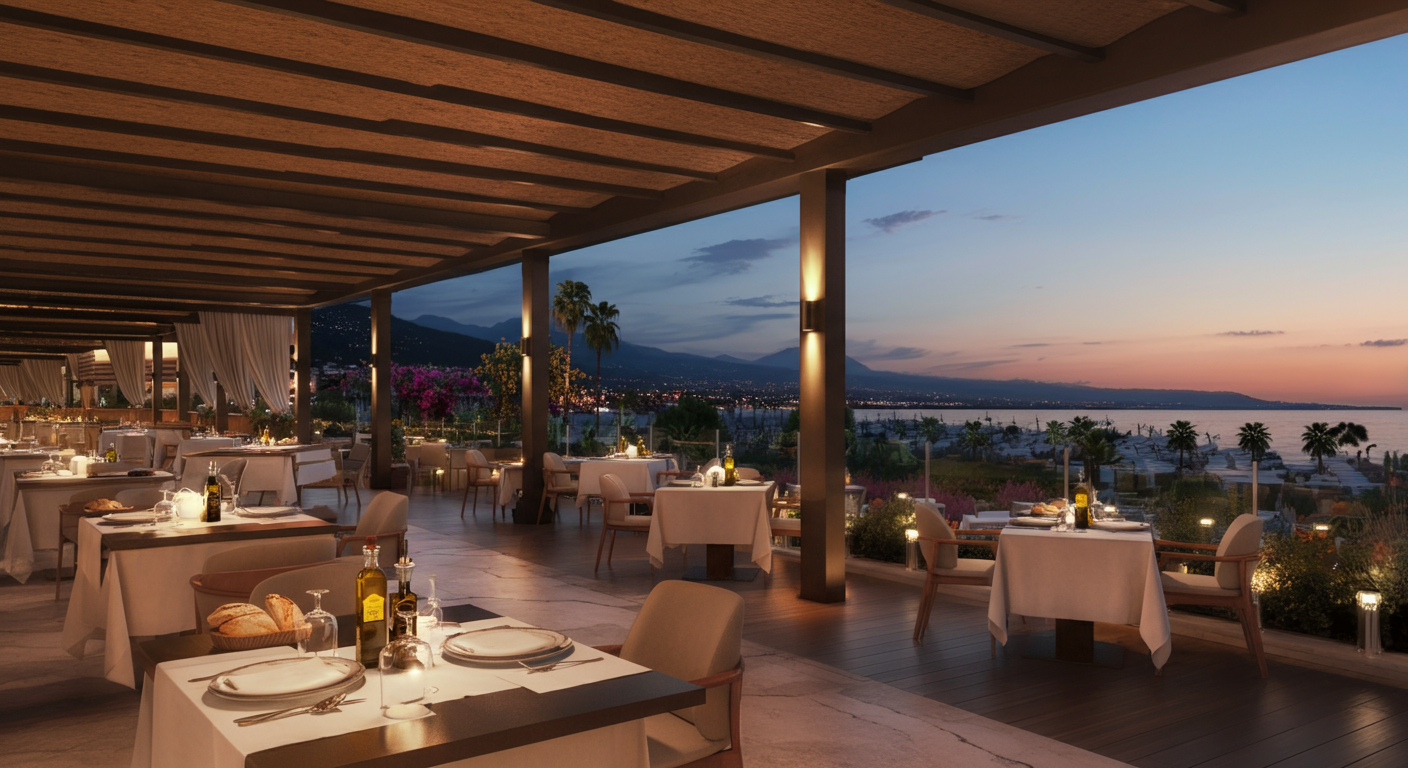
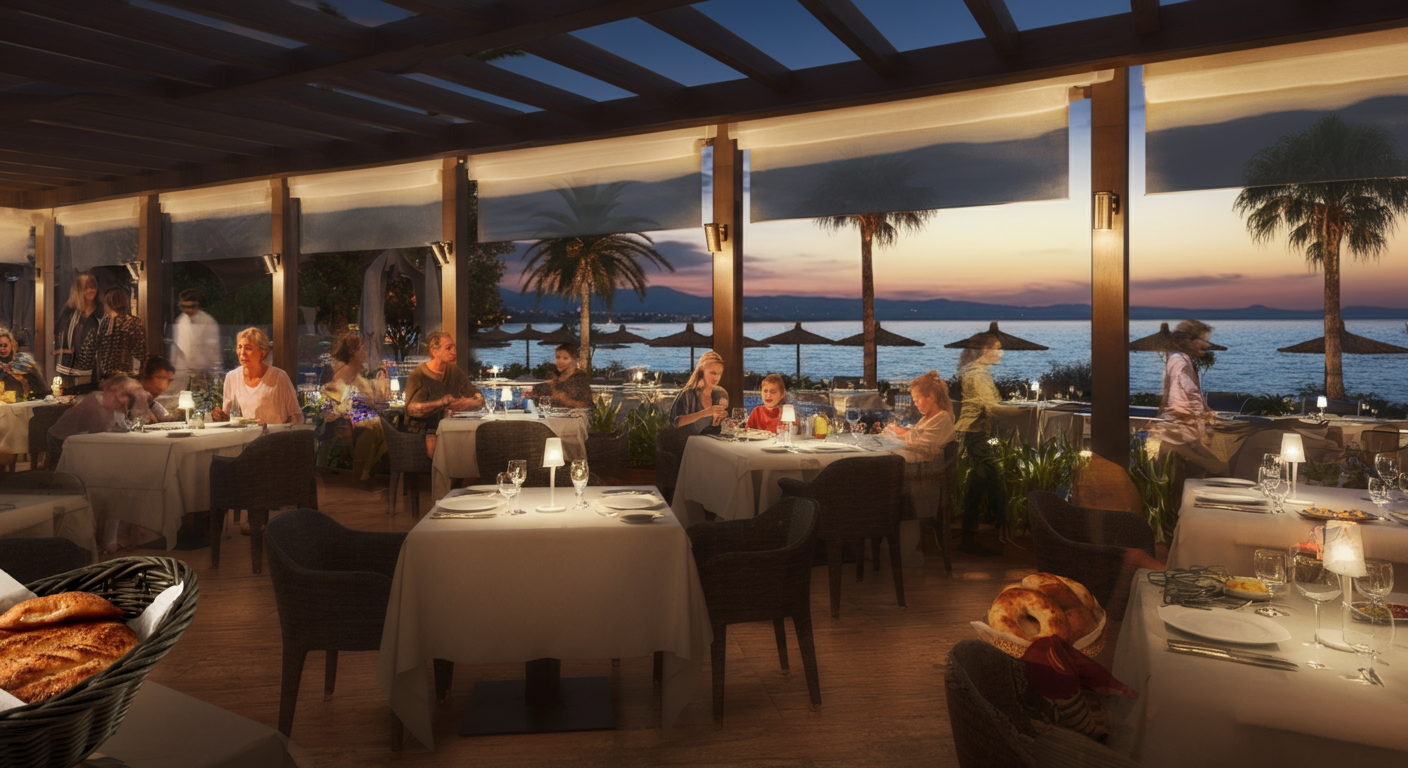
- A quieter atmosphere, often with sea views or garden terraces.
Turkish coastal regions like Antalya (Lara Beach, Kundu, Belek, Side), the Bodrum Peninsula (Gümbet, Bitez, Türkbükü), and the Dalaman area (Fethiye, Ölüdeniz, Sarigerme) have a strong culture of resort à la carte dining. Understanding how it works helps you make the most of what you have already paid for in your package. For broader resort planning you may later want to read a complete guide to all-inclusive resorts in Turkey.
How À La Carte Restaurants Fit into the All-Inclusive Concept
Typical Structure in Turkish Resorts
Most larger Turkish all-inclusive properties follow a similar pattern:
- Main buffet restaurant: Open for breakfast, lunch and dinner; always included.
- Snack outlets: Pool snack corners, gözleme stands and simit carts, especially in Antalya and Side promenades.
- À la carte restaurants: 2–6 venues offering Turkish, fish, Italian, grill, or sometimes Far Eastern menus.
In areas like Lara Beach and Belek, resorts often list their à la cartes on a printed “concept map” in your room. You will usually find a separate leaflet describing each venue’s opening days, cuisine type and booking method.
Included vs Extra-Fee À La Cartes
The key question for UK guests is whether you pay extra. In Turkey, resorts typically use one of these systems:
- Fully included with limited visits: For example, “1 visit per stay” or “2 visits per week” to selected restaurants.
- Partially included: Some venues are free, others (especially steakhouse or seafood) charge a fixed cover fee per person.
- Paid but discounted: You pay a supplement, but it is lower than normal restaurant prices in resort towns like Bodrum Marina or Fethiye’s Çarşı district.
Simple rule: always read the “all-inclusive concept” sheet given at reception and ask guest relations to highlight which à la cartes are included for your room type.
Booking and Reservations: From Lobby Desks to Resort Apps
Common Ways to Book
Turkish resorts have gradually moved away from paper-only sign-up lists. You may encounter:
- À la carte reservation desks in the lobby or near main reception, usually staffed late morning and early evening.
- Touch-screen kiosks near lifts or at the entrance to the main restaurant, seen often in Antalya coast properties.
- Resort mobile apps where you log in with your room number and surname to book a date and time.
- Guest relations desks, often next to the main bar or in the lobby, especially in Belek golf resorts.
In a Bodrum-area resort around Gumbet Bay, for example, you might see a small desk opposite the main bar on the ground floor, open 10:00–12:00 and 16:00–18:00, with a printed schedule for each restaurant along the waterfront.
Typical Booking Rules
- Bookings are often taken one or two days in advance, not for the entire stay in one go.
- Some family-focused resorts restrict children under a certain age in quieter venues such as fish restaurants on sea piers.
- Popular arrival nights (Saturday, Sunday) can be busy; many travellers in Antalya resorts prefer mid-week slots like Tuesday or Wednesday evenings.
UK-friendly tip: if your transfer gets you to the resort before mid-afternoon, check in, drop your bags, and go straight to the reservation desk, before you even unpack fully.
In July and August on Lara Beach and Belek, 19:30–20:30 slots go first. If you are travelling with children, consider slightly earlier bookings (18:30–19:00) when the temperature along the coastal promenades is more comfortable.
What to Expect Inside an À La Carte Restaurant
Menu Style and Courses
Turkish resort à la cartes are usually either:
- Set menu: A fixed sequence of dishes with a couple of choices for main course.
- Limited à la carte menu: A small menu where some high-cost items may have additional charges.
In a typical Turkish à la carte in Side or Kemer you might see:
- Welcome basket with pide, bazlama and olive oil with herbs.
- Cold meze plate: haydari (yoghurt dip), şakşuka (aubergine and tomato), and acılı ezme (spicy tomato).
- Main options: grilled sea bass, lamb skewers, tavuk şiş (chicken skewers) or vegetarian stuffed peppers.
- Desserts: baklava, fırın sütlaç (rice pudding) or fruit plate with seasonal melons grown around the Manavgat plain.
Service and Atmosphere
The atmosphere is typically quieter than the buffet, with:
- Table service for food and drinks.
- Background music – often Turkish instrumental near seaside terraces in Fethiye’s Çalış Beach area.
- Open-air seating near gardens or piers in regions like Belek and Kemer.
In Bodrum bays such as Türkbükü or Yalıkavak, resort à la cartes often line the seafront boardwalk, with tables close to the water and lantern-style lighting. Along Antalya’s Kundu Road, garden-set restaurants may face palm-lined paths connecting blocks and pools.
Dress Codes: What UK Guests Should Pack
Typical Requirements
While Turkey is generally relaxed, resort à la cartes commonly ask for:
- Smart casual: No swimwear, no wet clothes, no bare chests.
- For men: Polo shirt or casual shirt, tailored shorts or light chinos; sometimes long trousers in more formal Belek or Lara Beach venues.
- For women: Summer dresses, skirts, or smart shorts with a blouse; beach cover-ups are fine if they look like evening wear.
- Footwear: Sandals are usually acceptable; flip-flops straight from the pool may be discouraged.
Some upmarket golf resorts around Belek, near the main D-400 road, explicitly request long trousers for men in the steakhouse restaurant. Check the information board by the lift or in the room directory.
Simple rule: pack at least one pair of light, long trousers and a collared shirt if you plan to use à la cartes in Lara Beach, Belek or any resort with a golf course or conference centre.
Costs and Extra Charges: What Is and Isn’t Included
Cover Charges and Supplements
Resort policies can vary, and prices change, so always confirm locally. Typical patterns:
- Included Turkish or Italian restaurant: Usually no fee, especially in family-focused Antalya and Side properties.
- Seafood or steakhouse: Often a cover fee per person (for example, roughly £5–£15 equivalent), or specific items with supplements.
- Special theme nights: Occasional “Ottoman night” or “Mediterranean night” with live music may require a small supplement.
Because exchange rates and resort policies change, check official resort information or your tour operator documents rather than relying on fixed figures.
Drinks Policy
In most Turkish all-inclusive à la cartes:
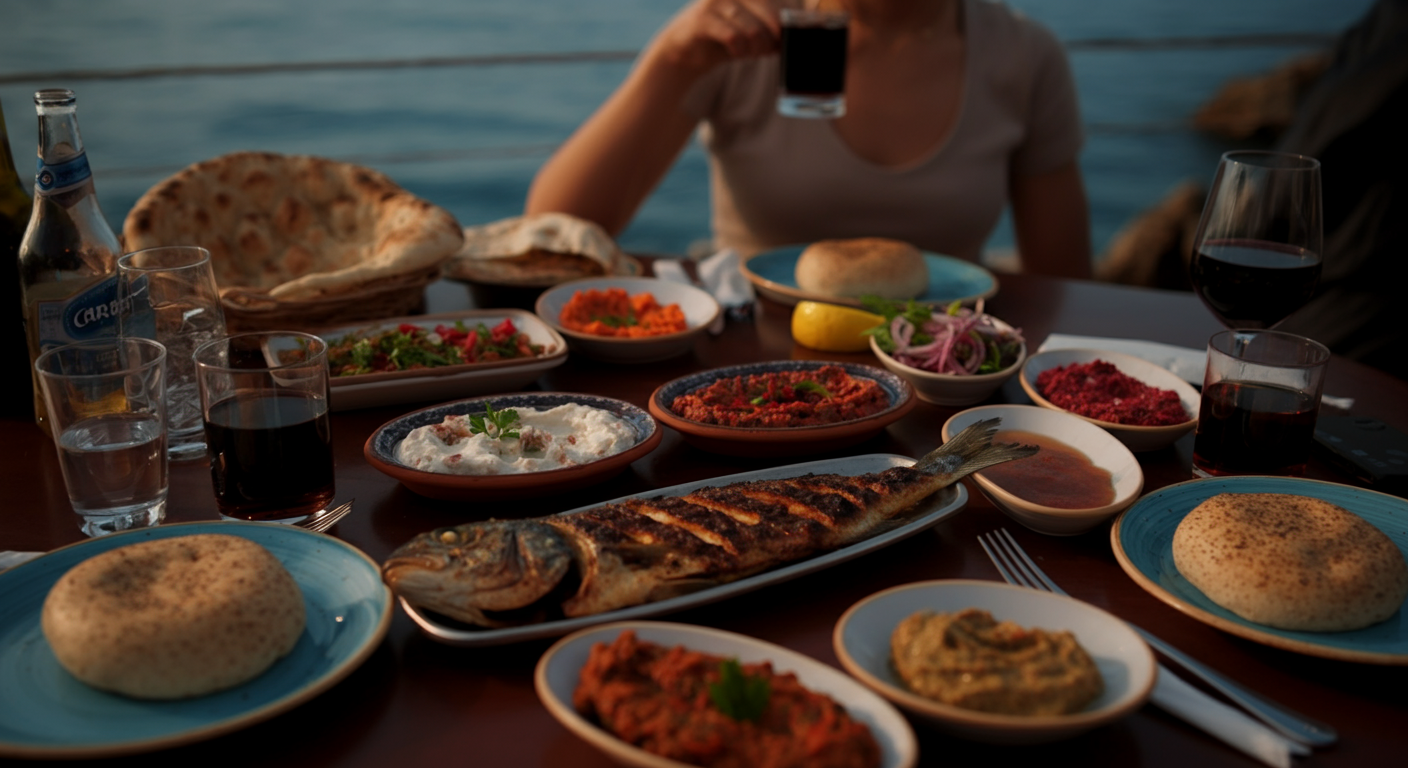
- House wine (usually Turkish), local beer and standard spirits from the inclusive list are often included.
- Imported whiskies, premium gins, and champagne are commonly chargeable, especially in Belek and Bodrum marina-style resorts.
- Specialty coffees or fresh-squeezed juices might be chargeable depending on the resort’s concept.
UK-friendly tip: check the small print on the drinks list. A small “*” symbol usually indicates items that are not part of the all-inclusive package.
Regional Examples: How It Feels in Different Turkish Resorts
Antalya Region: Lara Beach, Kundu, Belek and Side
Along the Antalya coast, many resorts are concentrated around a few key roads and promenades:
- Lara Beach and Kundu: Resorts sit behind Lara Turizm Yolu, leading down to long sandy beaches. À la cartes often face the sea with elevated terraces.
- Belek: Golf-focused resorts are set back from the main Antalya–Alanya D-400 highway, with à la cartes sometimes overlooking golf greens and pine forests.
- Side and Evrenseki: Promenades near places like Sahil Bulvarı offer sea views; some resorts set their fish restaurants close to the beach path.
In these areas, you will often find:
- Turkish à la carte with regional grills, including dishes influenced by the nearby Taurus Mountains and Manavgat region.
- Mediterranean fish restaurant serving local sea bream, sea bass and meze with plenty of olive oil.
- Italian-style venue popular with families, focusing on pizza, pasta and risotto.
Bodrum Peninsula: Gümbet, Bitez and Yalıkavak
On the Bodrum Peninsula, resorts often integrate more with the local environment:
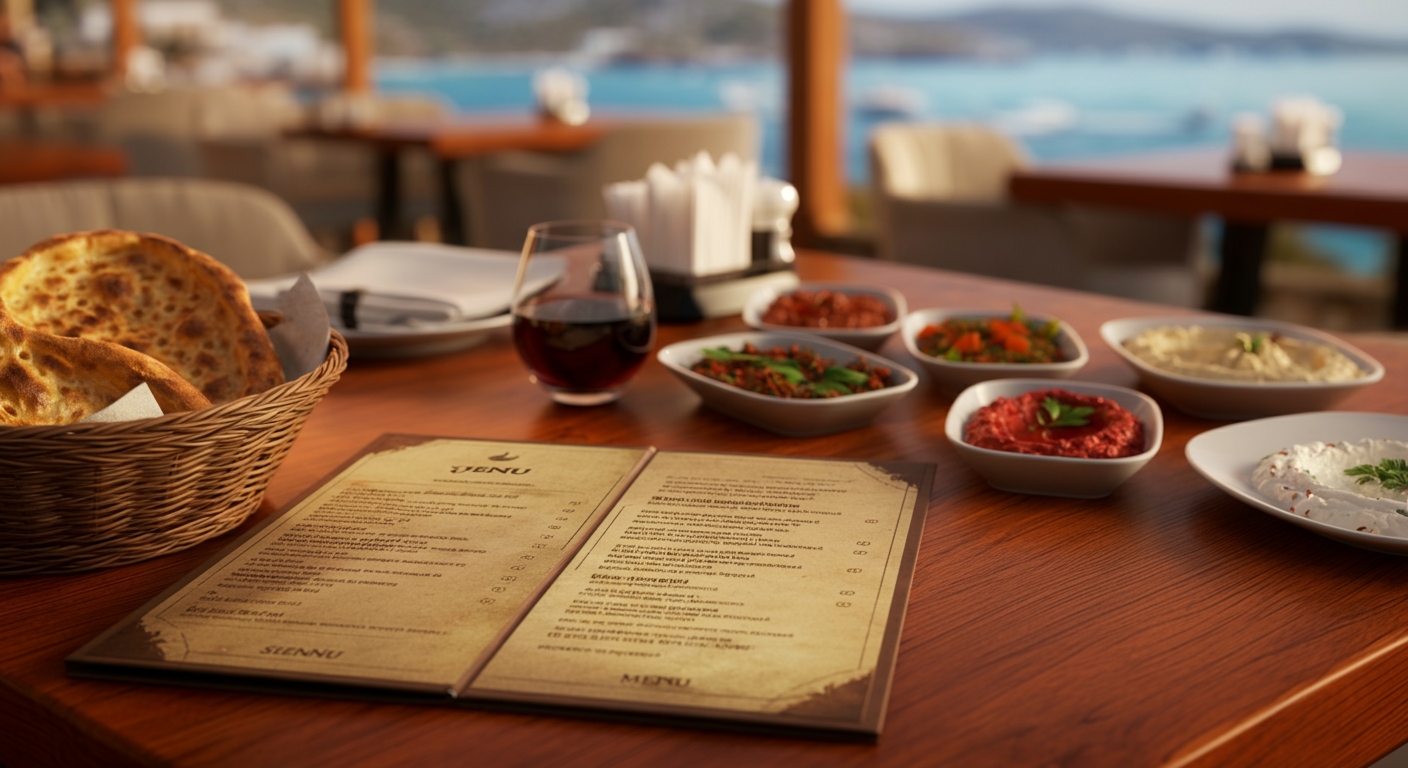
- In Gümbet, near Adnan Menderes Caddesi and the seafront bar strip, à la cartes may sit slightly raised above the beach, overlooking the bay.
- In Bitez, close to the palm-lined coastal path, you might dine under tangerine trees with lanterns and candles.
- Yalıkavak resorts near the road towards the marina sometimes offer sunset views towards the islands off the Aegean coast.
Here, Turkish menus often highlight Aegean olive oils, herbs from local markets in Bodrum town, and fresh fish caught near the peninsula.
Dalaman and Fethiye Area: Sarigerme, Ölüdeniz, Çalış
The Dalaman region has a mix of compact beach resorts and spread-out properties in pine forests:
- In Sarigerme, resorts set off the main Atatürk Caddesi usually have hillside or garden-view à la cartes.
- In Fethiye’s Çalış Beach area, sunsets over Fethiye Bay are a highlight, with some resort restaurants positioned to catch the evening light.
- In Ölüdeniz, hillside resorts look down towards the lagoon and Belcekız Beach, with open-air terraces.
Menus here often feature grilled trout from inland rivers, regional cheeses and vegetables from the Fethiye Tuesday market.
Using Public Transport and Local Areas Around the Resorts
While à la cartes give you variety inside the resort, some travellers also like to try external restaurants for comparison. Knowing how to get out and back is helpful.
Dolmuş Examples
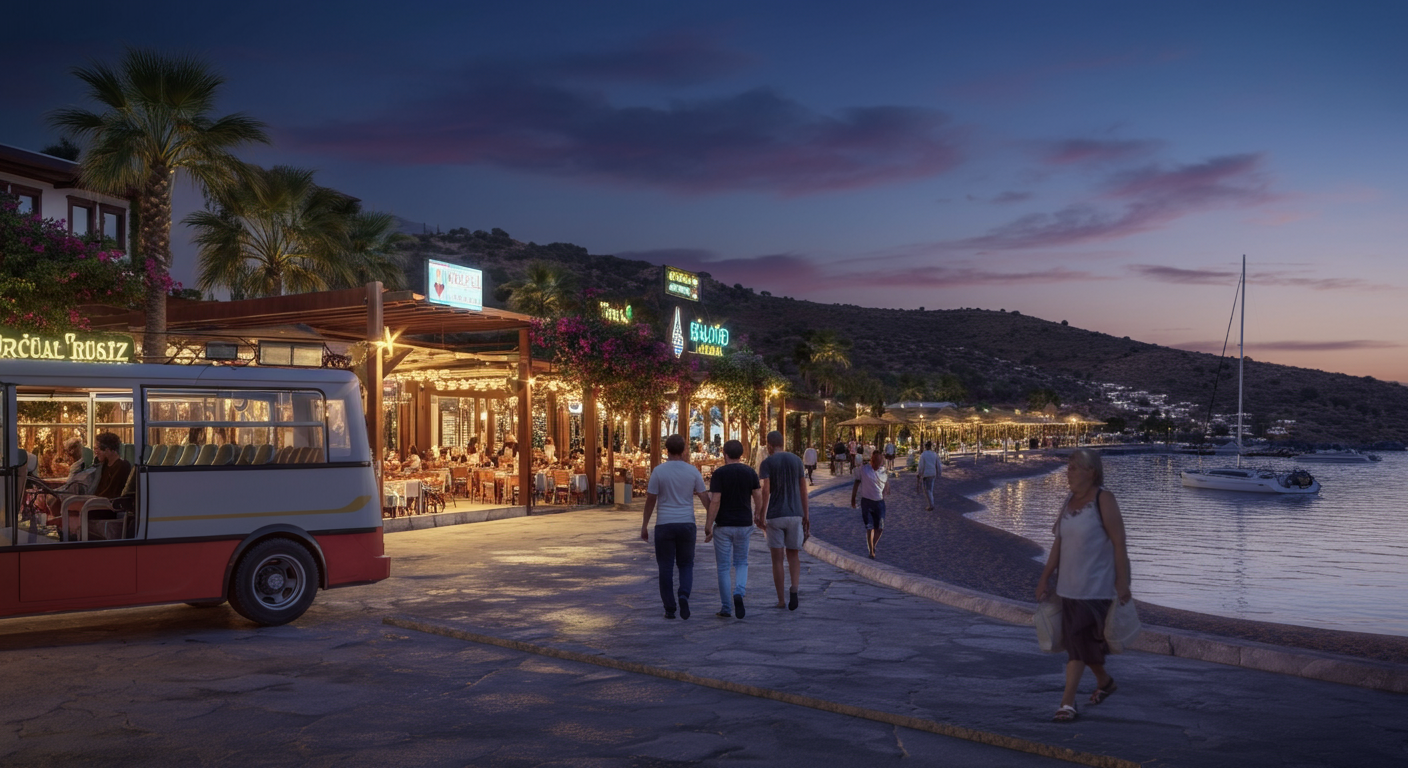
- Antalya–Lara Beach: Small buses marked “LC07” or similar often run between Antalya city centre (around Atatürk Caddesi and Cumhuriyet Meydanı) and Lara/Kundu hotel zone. You can use them to visit Old Town Kaleiçi for an outside meal if you wish.
- Bodrum–Gümbet: Dolmuş minibuses run from Bodrum town’s main dolmuş station near the bus terminal down to Gümbet Barlar Sokağı area along Adnan Menderes Caddesi.
- Fethiye–Çalış Beach: Dolmuş routes link Fethiye town centre (near Atatürk Caddesi and the harbour) with Çalış Beach via the main coastal road.
Simple rule: if you are planning to eat outside on some nights, still book your resort à la cartes early, then decide later whether to cancel or not, depending on how much you enjoy local restaurants.
Practical Information: Times, Booking Windows and Example Prices
Opening Hours and Seatings
While each resort sets its own times, a common pattern is:
- Opening days: Not all à la cartes open every day. For example, a fish restaurant might open Monday, Wednesday, Friday, while an Italian opens on alternate days.
- Seating times: Two main waves – around 18:30–19:00 and 20:00–20:30.
- Duration: Most dinners last 1.5–2 hours, including drinks and dessert.
Check the display boards near the main restaurant entrance; they often list opening days and times in English and Turkish.
Indicative Costs and Tipping
Because prices change with exchange rates and resort policies, treat the following as broad guidance only:
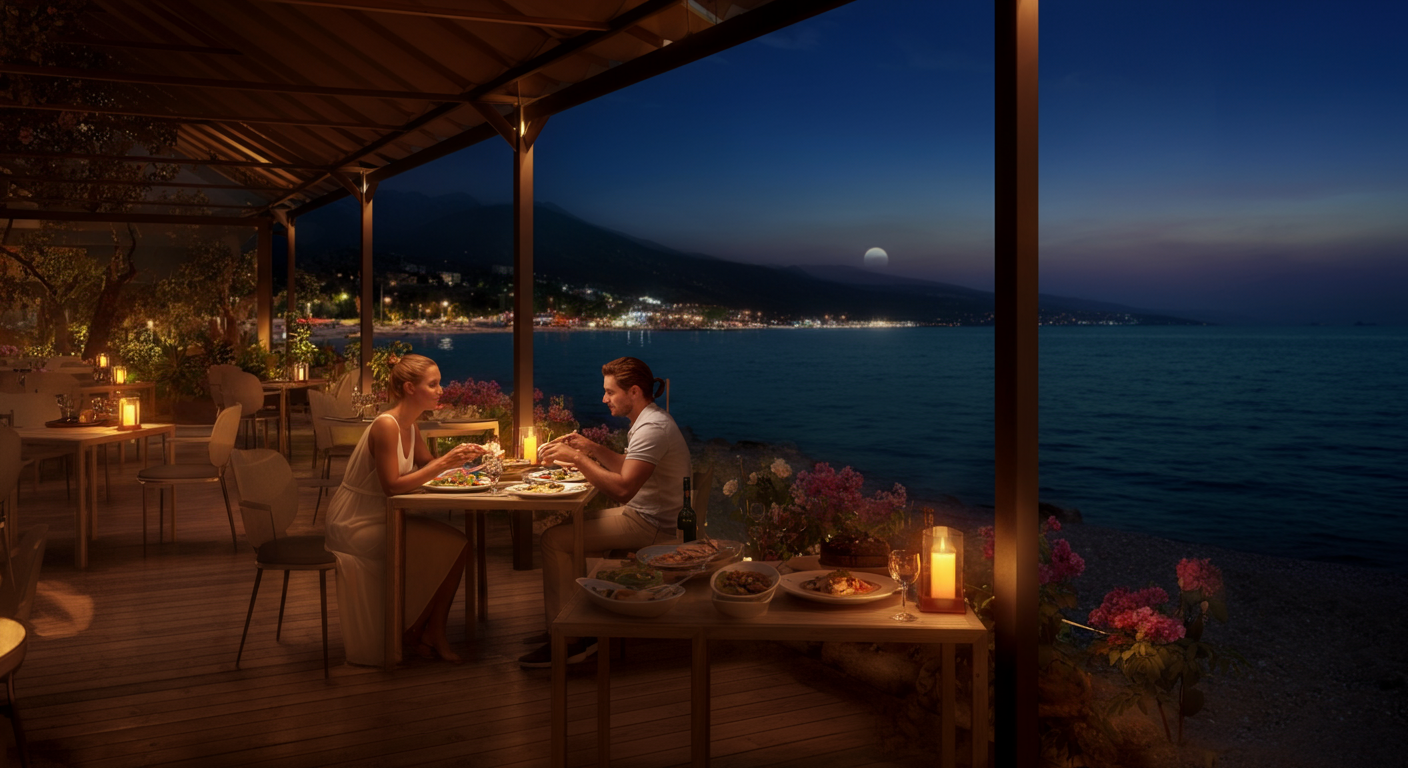
- Cover charge: Some steak or seafood venues may charge a per-person fee that roughly equates to a modest meal out in nearby resort streets such as Side’s Liman Caddesi or Bodrum’s Neyzen Tevfik Caddesi. Check your resort’s current rates.
- Supplements: A premium steak or special seafood platter may carry a supplement; always ask your waiter before ordering.
- Tipping: Many UK travellers leave a small tip in cash (Turkish lira) if they enjoyed the service. Something equivalent to what you might leave for decent table service in a UK mid-range restaurant is typical, but it is at your discretion.
For exact up-to-date information on Turkish lira exchange rates, check official financial sources or your bank’s app before you travel.
At check-in, ask reception for the printed “all-inclusive concept” in English. It usually lists which à la cartes are free, how many visits you get, and which items have extra charges. Keep it with your passports and travel documents.
Maximising Your À La Carte Experience
Planning Across a 7–14 Night Stay
For a one-week stay in Antalya or Bodrum, many travellers find this rhythm works well:
- Night 1: Buffet – settle in, learn the layout of the resort.
- Night 2: Turkish à la carte – experience local dishes early on.
- Night 4 or 5: Italian or grill restaurant – break up the week.
- Night 6 or 7: Seafood or special venue if you want a “final night” meal.
On a two-week holiday, you can repeat your favourite venue or combine à la carte nights with meals outside the resort in areas like Bodrum Marina or Antalya’s Kaleiçi district.
Allergies, Dietary Needs and Children
- Allergies: In most larger resorts, menus or waiters can highlight common allergens; always mention your allergy clearly, using simple phrases and, if possible, a short written note.
- Vegetarian options: Turkish cuisine offers many vegetable-based dishes like imam bayıldı, mercimek çorbası (lentil soup) and stuffed aubergines; these usually appear on à la carte menus.
- Children: Many à la cartes in family resorts provide a simplified children’s menu – grilled chicken, chips, simple pasta – especially in Side, Lara and Fethiye beach areas.
Common Mistakes UK Travellers Make – and How to Avoid Them
- Not reading the concept: Assuming everything is free and then being surprised by a bill for premium drinks or special dishes.
- Leaving bookings too late: Waiting until halfway through the holiday to book, and finding only late slots or limited restaurants available.
- Underpacking smart clothes: Bringing only swimwear and casual shorts, then feeling underdressed in smarter Belek or Lara Beach venues.
- Missing local specialities: Ignoring Turkish à la cartes and sticking only to Italian or international menus, missing out on regional flavours.
Simple rule: treat à la cartes as part of the experience you have already paid for. Plan them like excursions, and they can be stand-out memories of your holiday.
Related Guides
- Tips for Getting the Most from Your All-Inclusive Holiday in Turkey
- Antalya vs Bodrum: Which Turkish Coast Is Better for You?
- Family-Friendly All-Inclusive Holidays in Turkey: A Practical Guide
FAQ
Do I have to pay extra for à la carte restaurants in Turkish all-inclusive resorts?
Not always. Many resorts include a set number of visits to certain à la carte restaurants within the all-inclusive package, while others, especially steakhouse or seafood venues, may charge a modest cover fee or supplements. Always check your resort’s current concept sheet at check-in.
How do I book an à la carte restaurant in Turkey?
Typically you book via a reservation desk in the lobby, a guest relations desk, a touch-screen kiosk near the main restaurant, or a resort app. Booking is usually required a day or two in advance, and popular time slots can fill quickly in peak season.
What should I wear to an à la carte restaurant in a Turkish resort?
Most ask for smart-casual evening wear. Swimwear, wet clothing and bare chests are not accepted. Light trousers or tailored shorts with a collared shirt for men, and casual dresses or smart tops and skirts or shorts for women are widely acceptable. Some higher-end venues in Belek or Lara Beach prefer long trousers for men.
Are drinks included in à la carte restaurants?
In many Turkish all-inclusive resorts, standard local drinks such as house wine, local beer and basic spirits are included, but premium imported brands, champagne and some specialty coffees or juices may cost extra. Check the drinks list for symbols showing which items are outside the package.
Can children use the à la carte restaurants?
Yes, in most family-focused resorts children are welcome and children’s menus are often available. A few quieter venues, such as romantic fish restaurants on sea piers in Belek or Side, may have age guidelines or recommend later seatings for adults only, so check at the reservation desk.
How many times can I use the à la carte restaurants during my stay?
This depends on the resort. A common pattern is one or two included visits per week to certain venues, plus paid options if you want more nights or access to premium restaurants. Always confirm the limits with guest relations when you arrive.
Melis Yıldız
Editör"Modern konfor ve estetik detaylara önem veren Melis, lüks oteller ve tasarım butik konaklamalar üzerine uzmanlaşmıştır."
Guides About
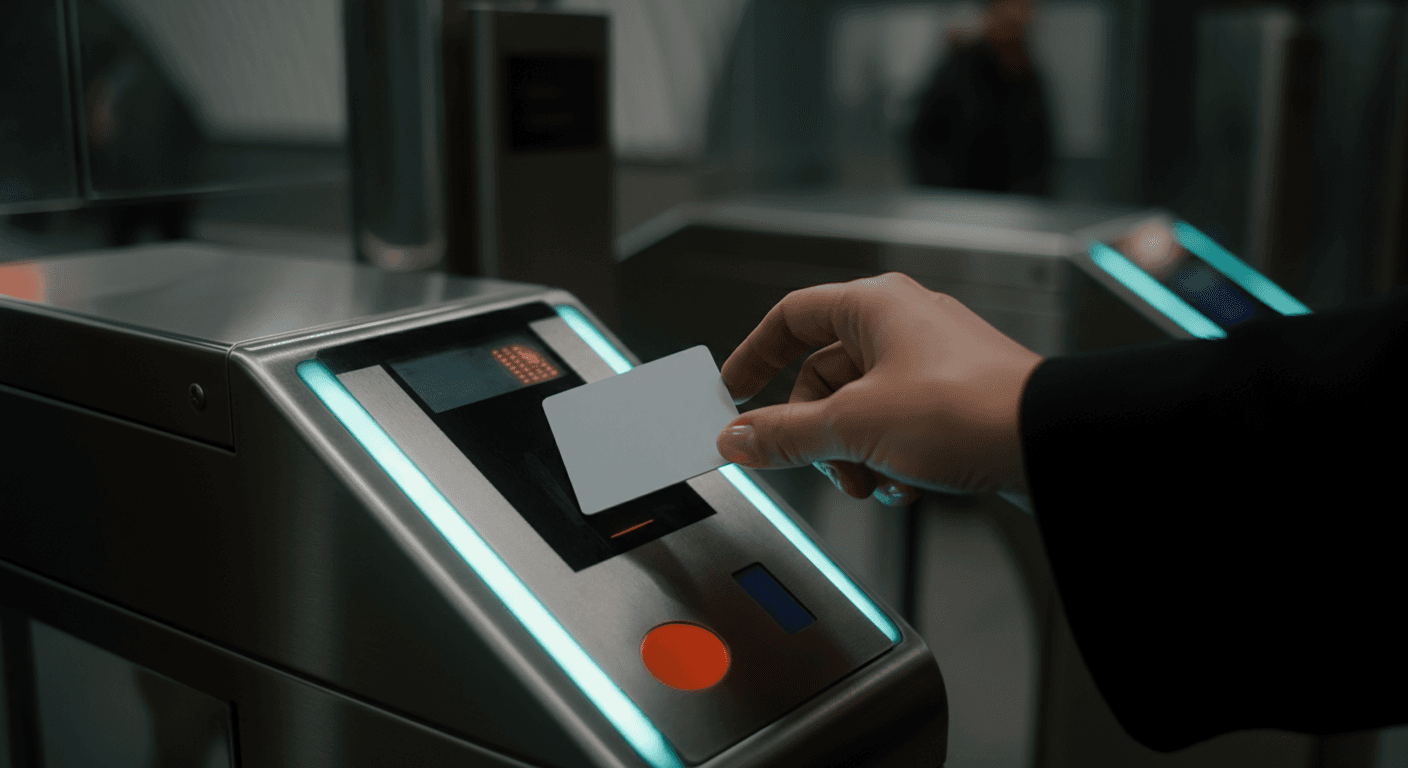
Istanbul Public Transport Guide: Istanbulkart, Metro, Tram & Ferry Explained
İstanbul'da ulaşım karmaşasına son verin! İstanbulkart, metro, tramvay, otobüs ve feribot gibi toplu taşıma ağlarını kolayca anlayın.
Best Istanbul Photo Route: 1-Day Viral Shots (Golden Hour & Crowd Strategy)
İstanbul'un en viral fotoğraf noktalarını keşfedin! Boğaz, Galata ve Tarihi Yarımada'da 1 günde, ışık saatleri ve kalabalık stratejileriyle mükemmel kareler yakalayın.
Istanbul Budget Planner: Economical, Balanced & Comfortable Spending Modes Guide
İstanbul gezinizi bütçenize uygun planlayın! Ekonomik, dengeli veya rahat modlarla harcama mantığını keşfederek şehri doyasıya yaşayın.
Istanbul with Kids Guide: Baby & Toddler Checklists | Hot Weather & Rainy Day Plan
İstanbul'da çocukla gezmek artık çok kolay! Bebek/çocuk kontrol listeleri ve öğle sıcağı/yağmur için özel İstanbul gezi planları bu rehberde.
Istanbul Walkable Neighborhoods: 2-3 Hour Walking Routes & Map Guide
İstanbul'un en güzel semtlerini yürüyerek keşfedin! Tarihi yarımada ve Boğaz çevresindeki 2-3 saatlik mini rotalarla şehri deneyimleyin.

Istanbul Mosque Guide for Tourists: Dress Code, Photography & Prayer Times
İstanbul camilerini ziyaret edecek turistler için giyim, saat ve fotoğraf kuralları rehberi. Cami ziyaretinizden önce bilmeniz gereken tüm detayları basitçe öğrenin.
Istanbul Travel Tips: Avoid Scams & Surprises (Taxis, Restaurants, Tours)
İstanbul'da taksi, menü ve tur sürprizleri yaşamadan güvenle gezmek için basit kuralları keşfedin. Dolandırılmadan keyifli bir İstanbul deneyimi için ipuçları burada.
Istanbul Evening Guide: Safe & Fun Activities & Plans for Families, Couples & Solo Travelers
İstanbul'da akşam ne yapılır? Aile, çift veya tek kişi için Boğaz turu, tarihi mekanlar ve güvenli eğlence seçenekleriyle dolu rehberimizi keşfedin.
Istanbul Rainy Day Itinerary: Indoor Museums, Bazaars & Cafes
İstanbul'da yağmurlu havalarda sıkılmayın! Müzeler, tarihi çarşılar ve şirin kafelerle dolu kapalı mekan rotalarıyla keyifli bir gün geçirin.
Istanbul Sunset Spots: Crowd-Free Hours & Best Sunset Walk Routes
İstanbul'da kalabalıktan uzak gün batımı noktaları ve Boğaz'da eşsiz sunset walk rotalarıyla şehrin büyüsüne kapılın.
Istanbul 1-Day Itinerary: Europe to Asia Route (Hour-by-Hour & Walking Guide)
İstanbul'da bir günde Avrupa'dan Anadolu'ya geçiş rotasını keşfedin! Saat saat planlanmış bu eşsiz gezi rehberiyle iki kıtayı yürüme seviyenize göre deneyimleyin.

Sabiha Gökçen (SAW) to Istanbul Transfer: Easiest Options Guide
Sabiha Gökçen (SAW) havalimanından İstanbul şehir merkezine en kolay ulaşım (metro, Havabüs, taksi) seçeneklerini ve saatinize göre en mantıklı yolu keşfedin.

Istanbul Airport (IST) Transfer Guide: Taxi, Metro, or Private for Late Night Arrivals
İstanbul Havalimanı (IST) gece varışı için taksi, metro veya özel transfer mi? İstanbul'a en hızlı ve konforlu ulaşım seçeneğini keşfedin.

Istanbul Public Transport Guide: Metro, Tram and Ferry Logic
İstanbul'da ulaşımı çözün! Turistler için İstanbulkart nasıl alınır, T1 Tramvay, M2 Metro ve vapur kullanımı, taksi tuzaklarından korunma rehberi.

First Time in Istanbul: 3–5–7 Days Ready Itinerary
İstanbul'u yorulmadan ve kaybolmadan gezmek isteyenler için saat saat planlanmış, en verimli 3 günlük, 5 günlük ve 7 günlük hazır turistik gezi rotası.

Where to Stay in Istanbul? Area & Base Selection Guide
İstanbul'da ilk kez nerede kalınır? Sultanahmet, Karaköy, Taksim, Beşiktaş ve Kadıköy bölgelerinin detaylı, artı-eksi analizli, ulaşım odaklı konaklama rehberi.
Best Instagram and Photo Spots in Fethiye Route
Ultimate Fethiye Instagram and photography SEO guide list. Find the best spots: Butterfly Valley viewpoint cliff, Babadag glass terrace, and Ghost Town.
Fethiye Budget Planner: Travel Costs and Saving Tips
Ultimate SEO Fethiye holiday budget planner. Is Fethiye expensive? Guide to food prices, transport, boat trips, and saving tips for smart travelers.
Fethiye with Kids: Family Holiday Travel Guide
Ultimate family SEO travel guide to Fethiye with kids and toddlers. Best shallow beaches, stroller-friendly hotels, and safe family boat trips listed.
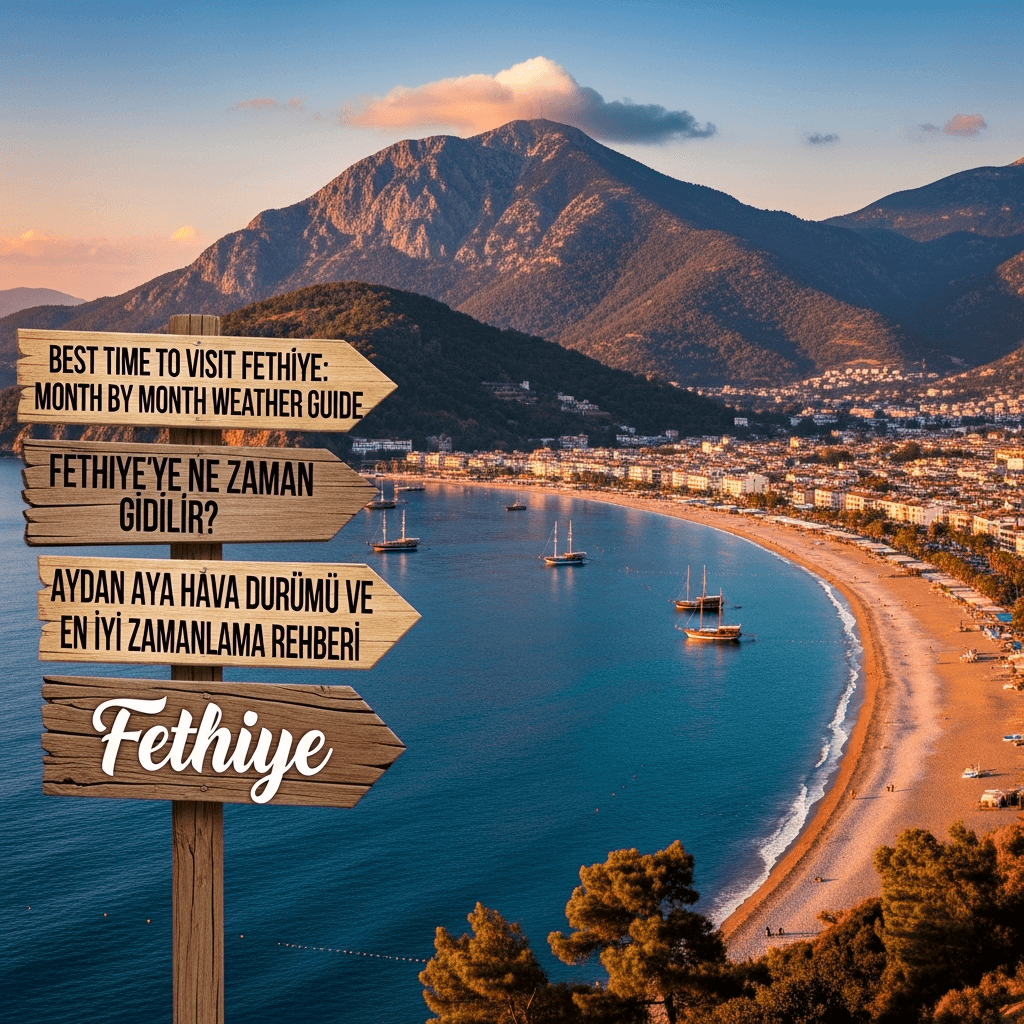
Best Time to Visit Fethiye: Month by Month Weather Guide
When is the best time to go to Fethiye? Detailed SEO weather guide month by month. Summer peaks, autumn sea temperatures and spring trekking tips.
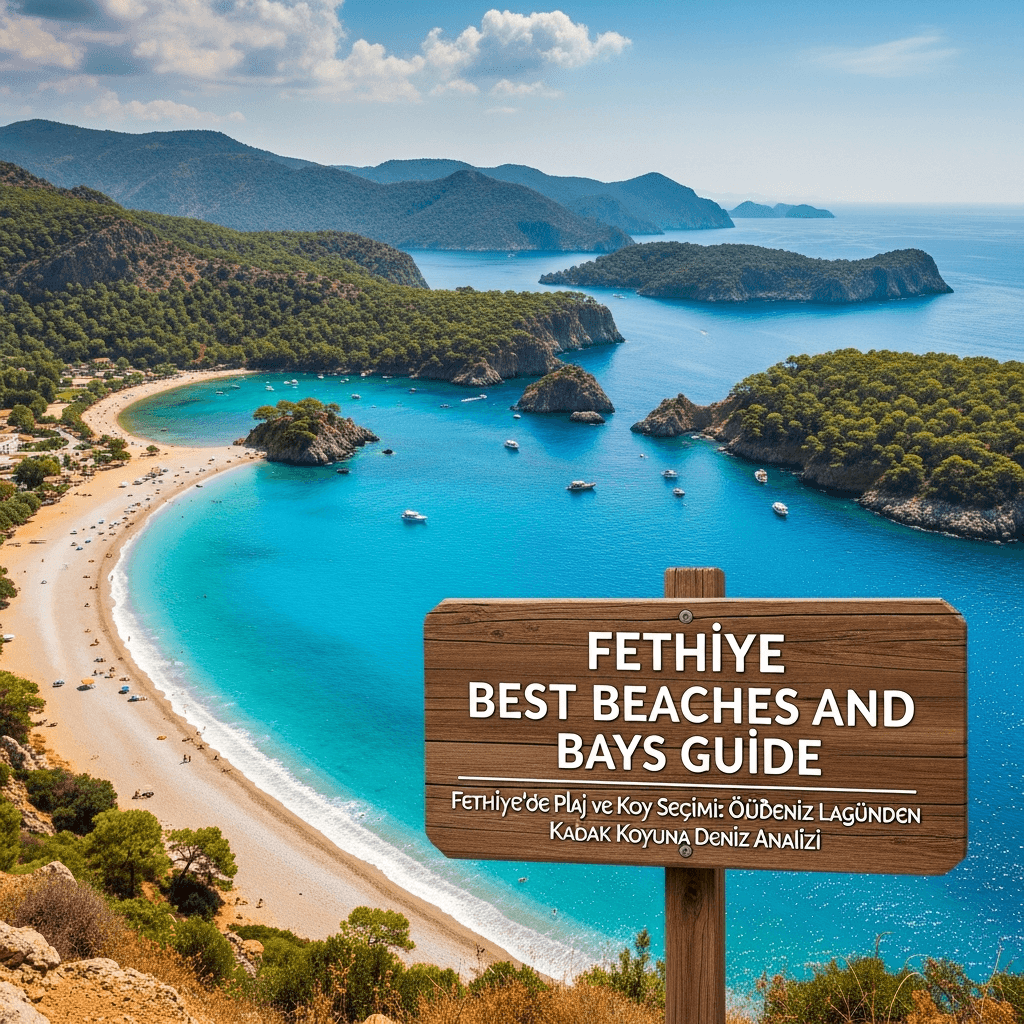
Fethiye Best Beaches and Bays Guide
Comprehensive SEO guide to Fethiye's best beaches. Compare Blue Lagoon, Belcekiz pebbles, Calis beach wind, and hidden Kidrak/Kabak bays.
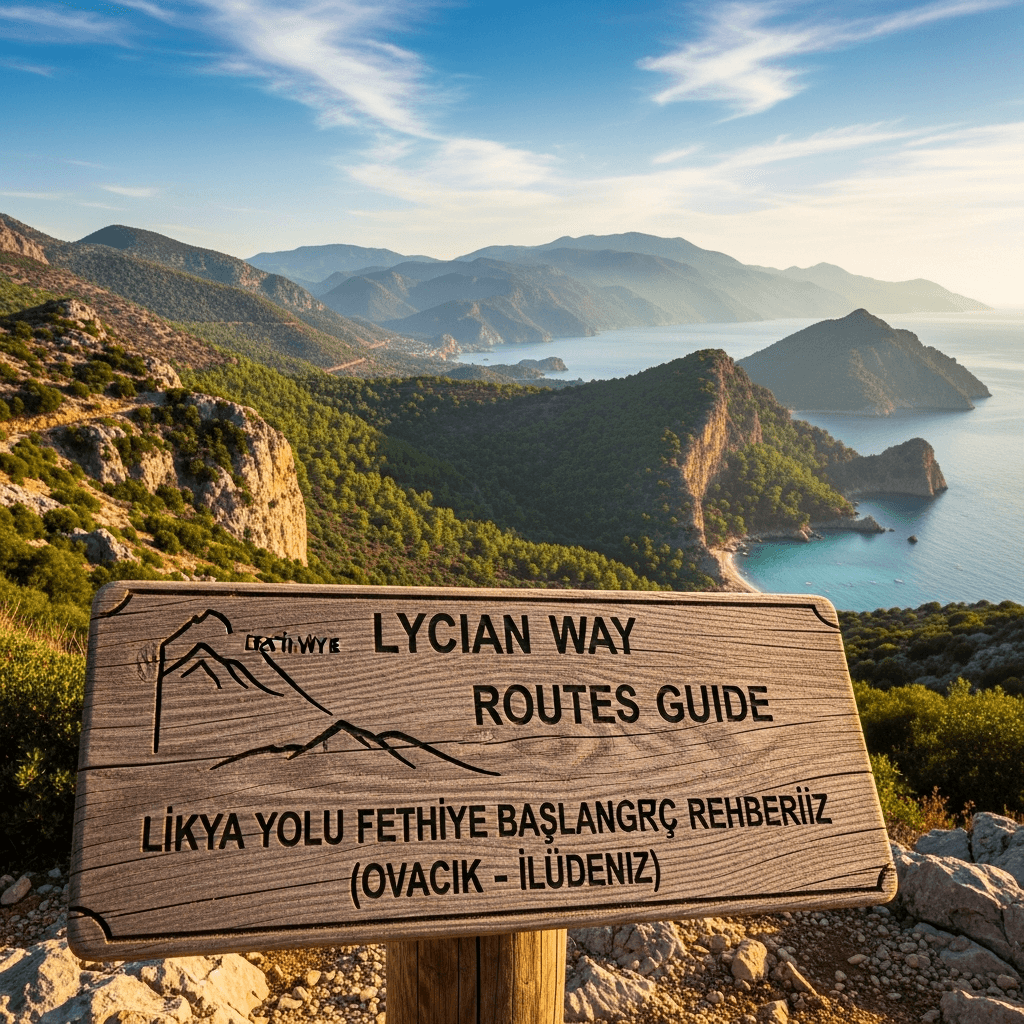
Lycian Way Fethiye Routes Guide
Ultimate Guide to starting the Lycian Way from Fethiye (Ovacik, Faralya, Kayakoy). Daily hiking routes, trails, maps, and offline tips with full SEO tables.
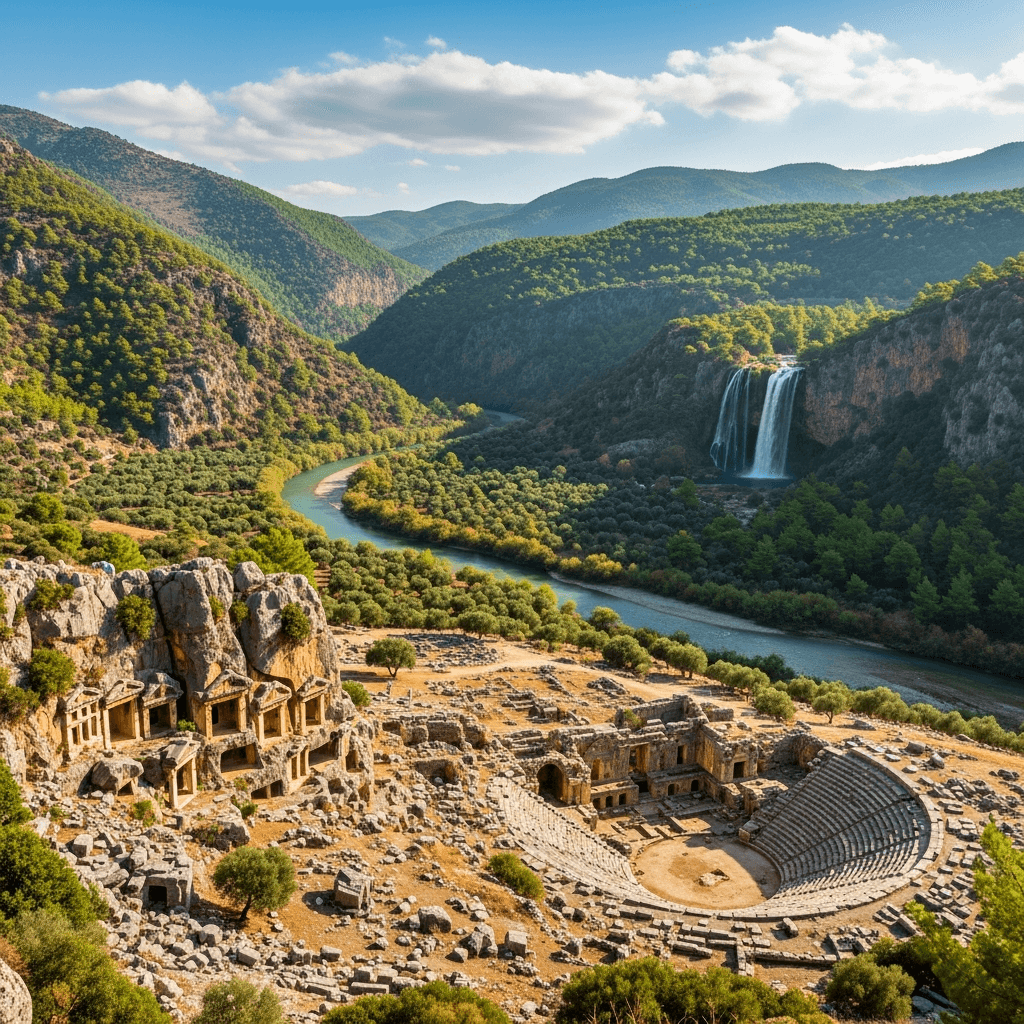
Tlos Ancient City & Yakapark Day Trip Guide
Ultimate Fethiye day trip SEO guide: Morning at Tlos Ancient City and Lycian rock tombs, afternoon lunch at Yakapark waterfalls, and Saklikent alternatives.
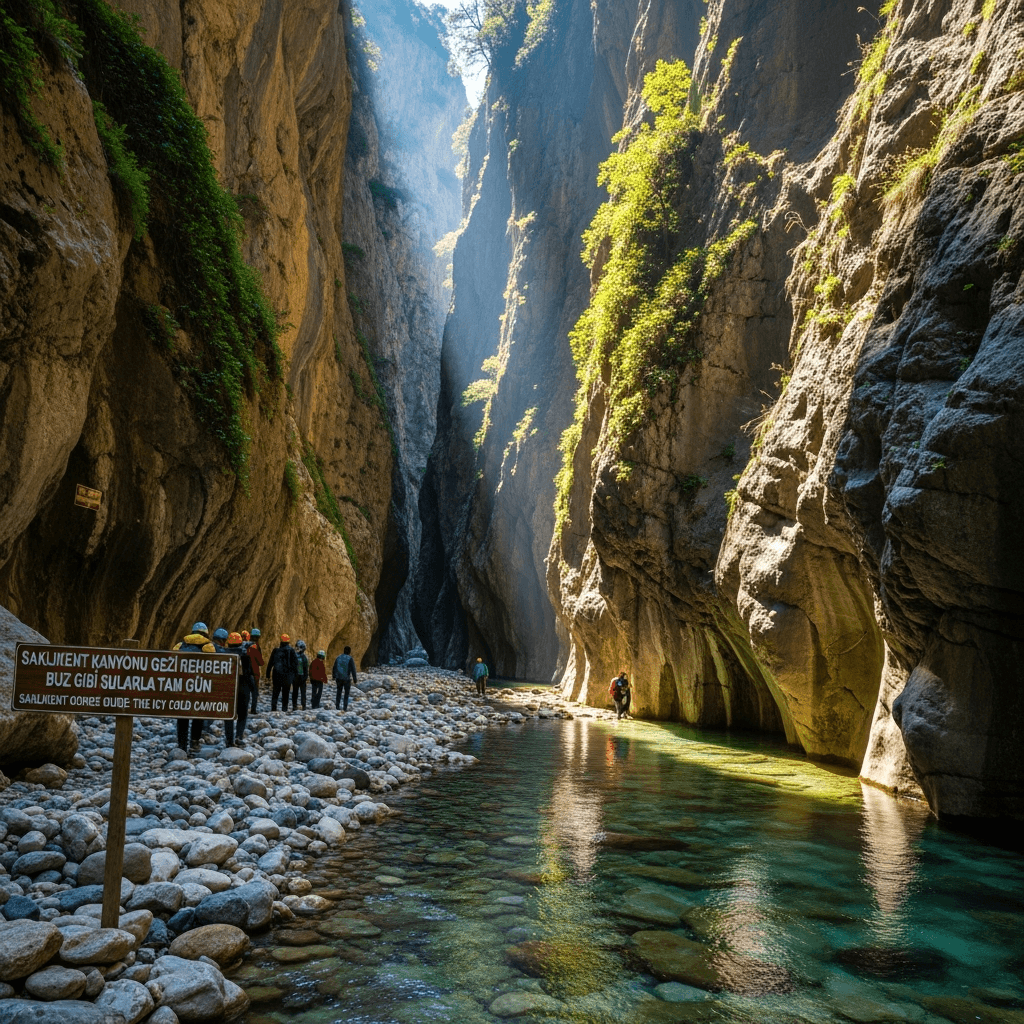
Saklikent Gorge Guide: The Icy Cold Canyon
Ultimate SEO guided Fethiye Saklikent Gorge and Canyon travel guide. Tips for hiking the icy river, mud baths, and comparing Gizlikent Waterfall.
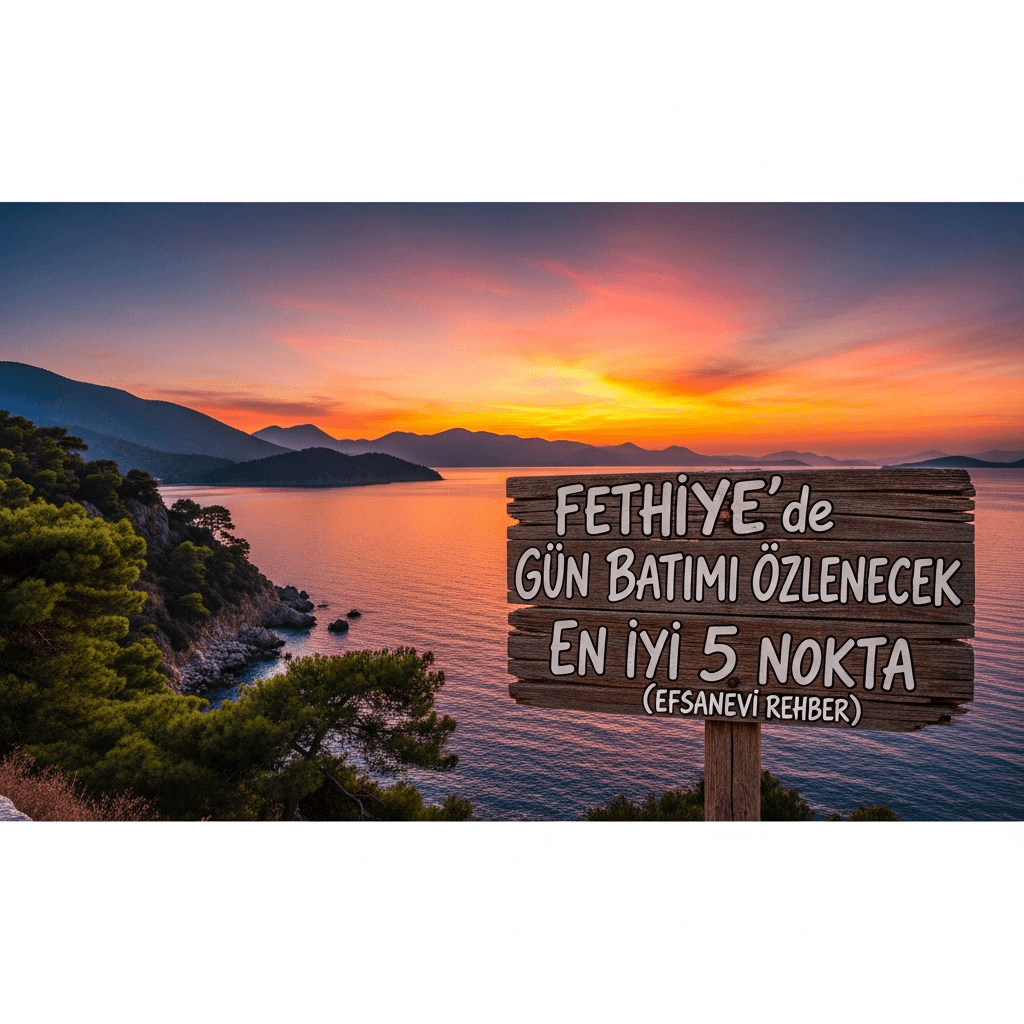
Best 5 Sunset Spots in Fethiye
Where to watch the best sunset in Fethiye? Detailed SEO guide for Calis beach, Babadag 1700m, and Sovalye island sunsets with tables and tips.
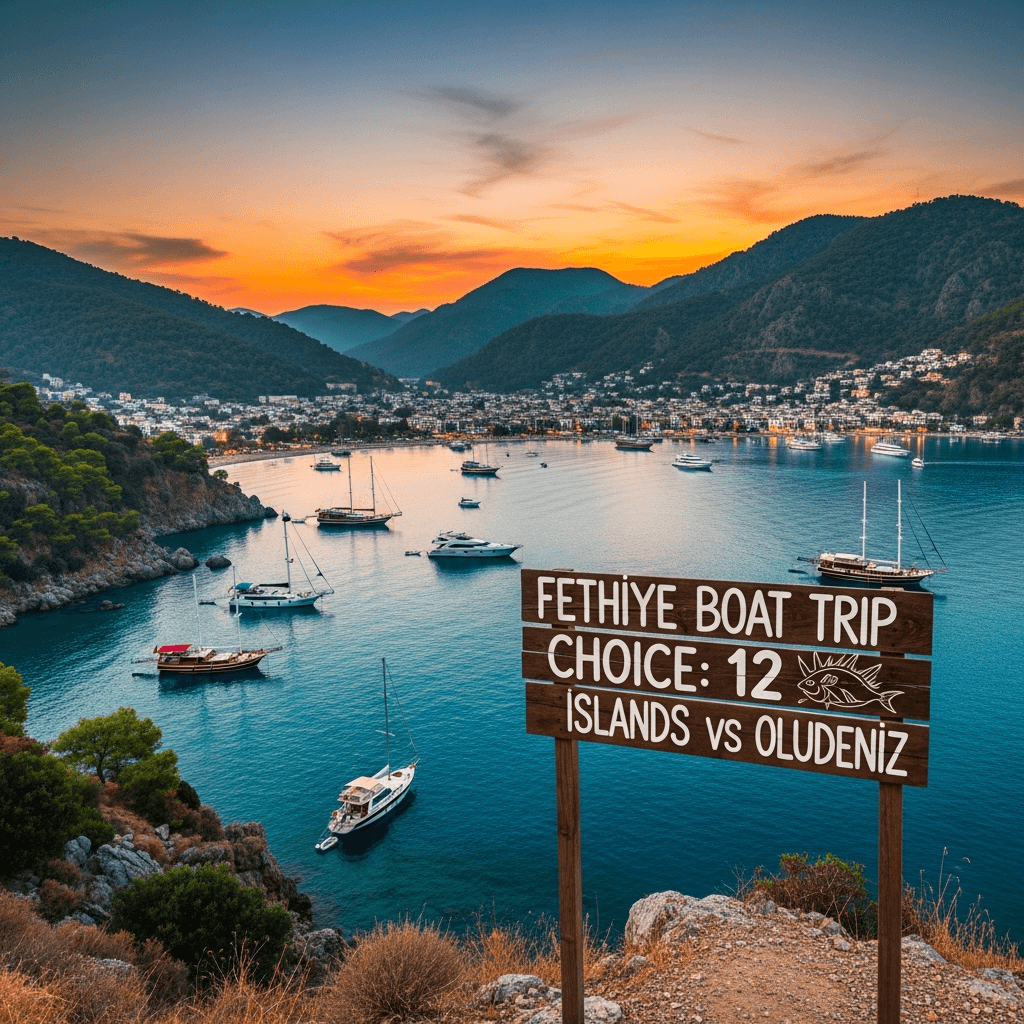
Fethiye Boat Trip Choice: 12 Islands vs Oludeniz
Ultimate comparison between the 12 Islands Boat Trip and the Oludeniz Butterfly Valley boat tour. Detailed SEO travel guide with tables and tips.
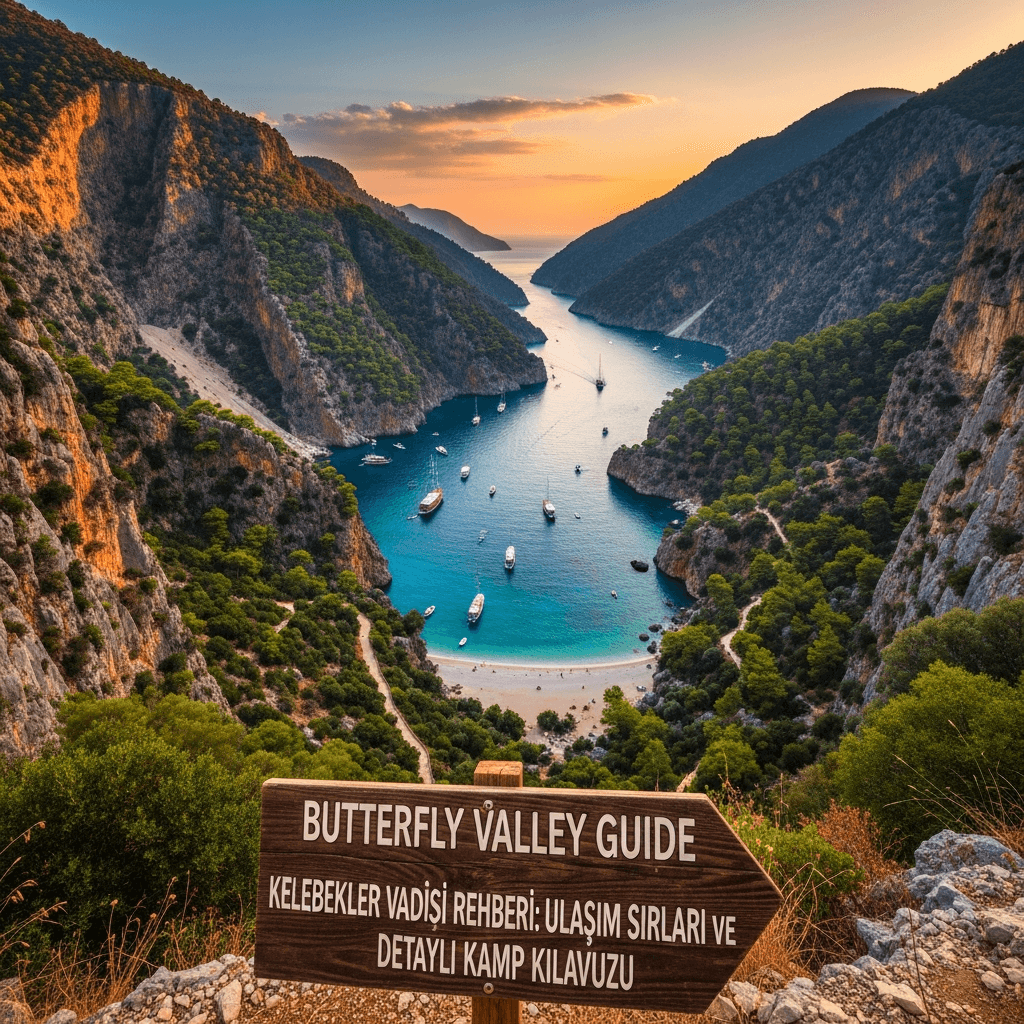
Butterfly Valley Guide
Ultimate SEO guided Fethiye Butterfly Valley travel guide. How to get there by boat or hike, best camping spots, and waterfall trekking tips.
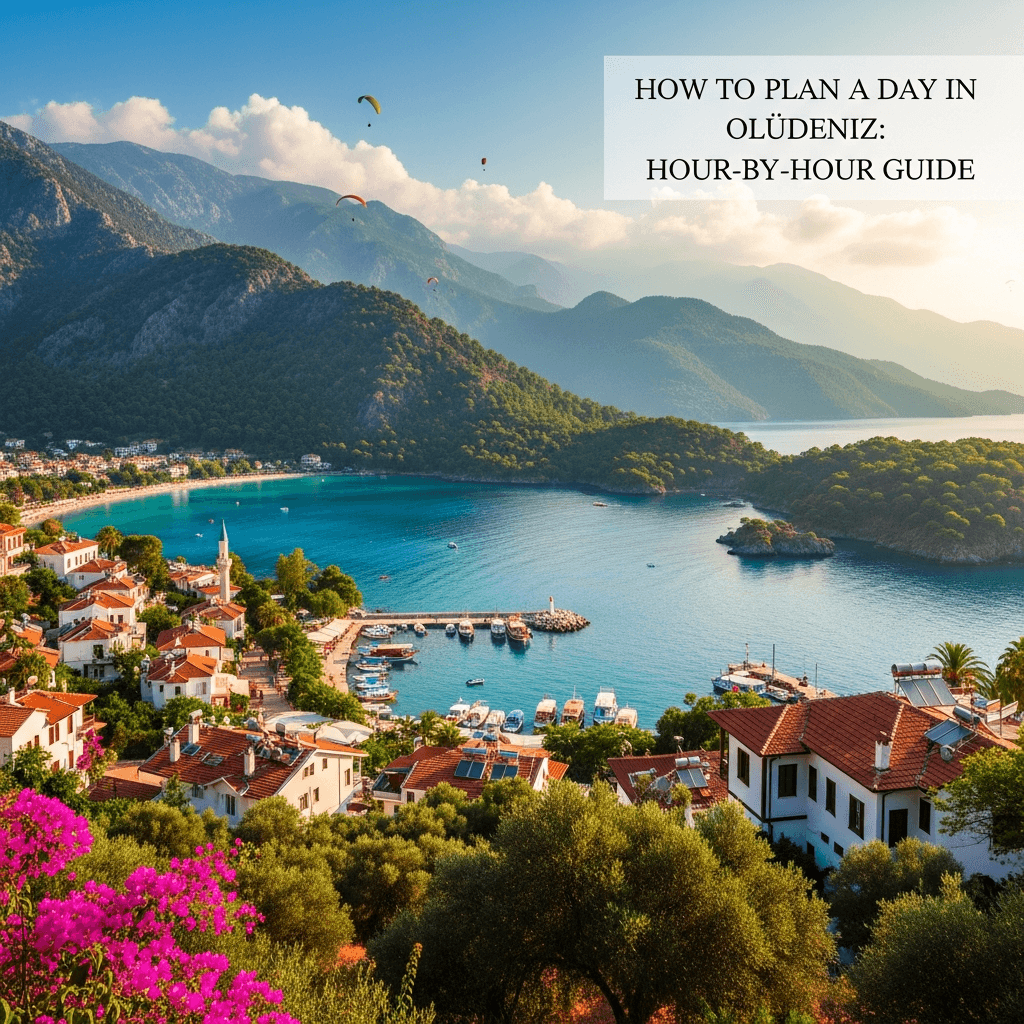
How to Plan a Day in Oludeniz: Hour-by-Hour Guide
An hour-by-hour itinerary for visiting Oludeniz, Kumburnu Blue Lagoon, Belcekiz beach, and the Babadag cable car. Essential tips for your holiday.
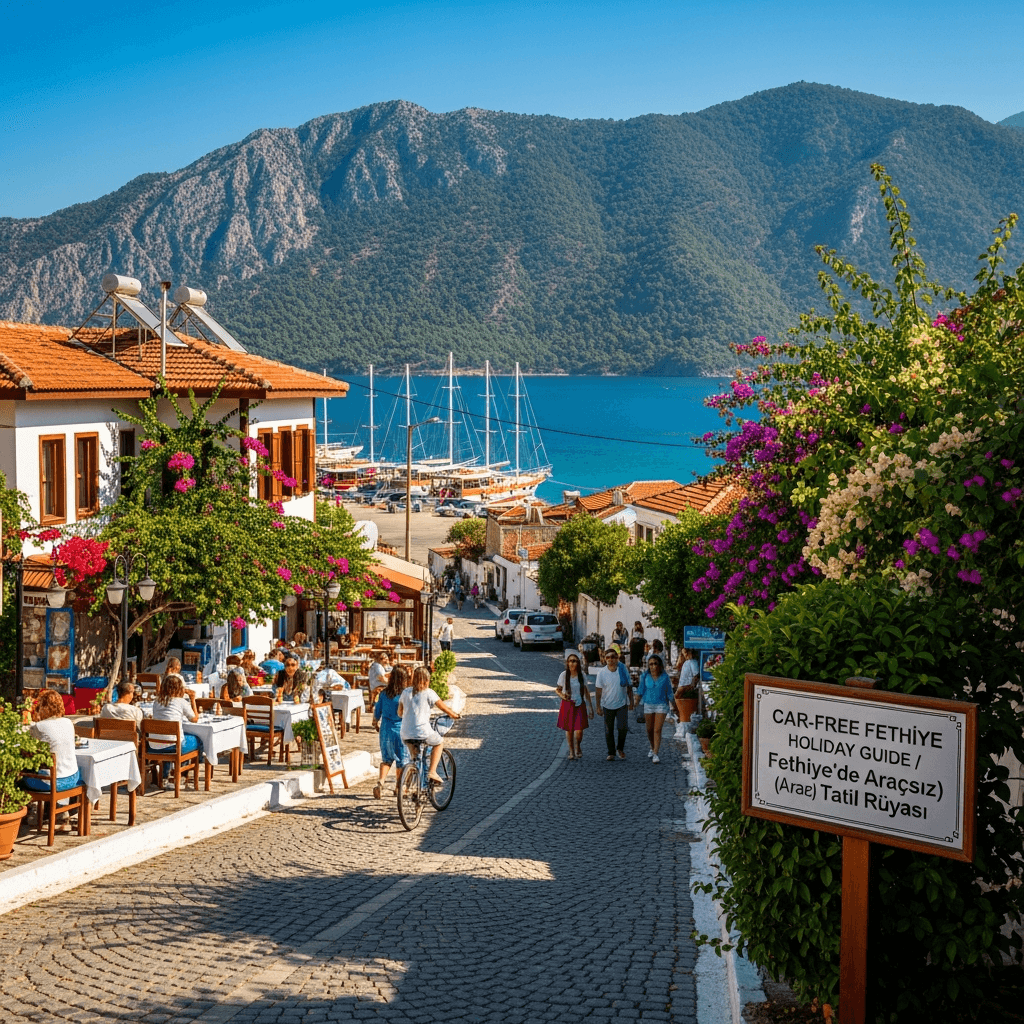
Car-Free Fethiye Holiday Guide
Discover how to enjoy a completely car-free holiday in Fethiye. Full transportation guide including water taxis, local dolmus, and walking trails.
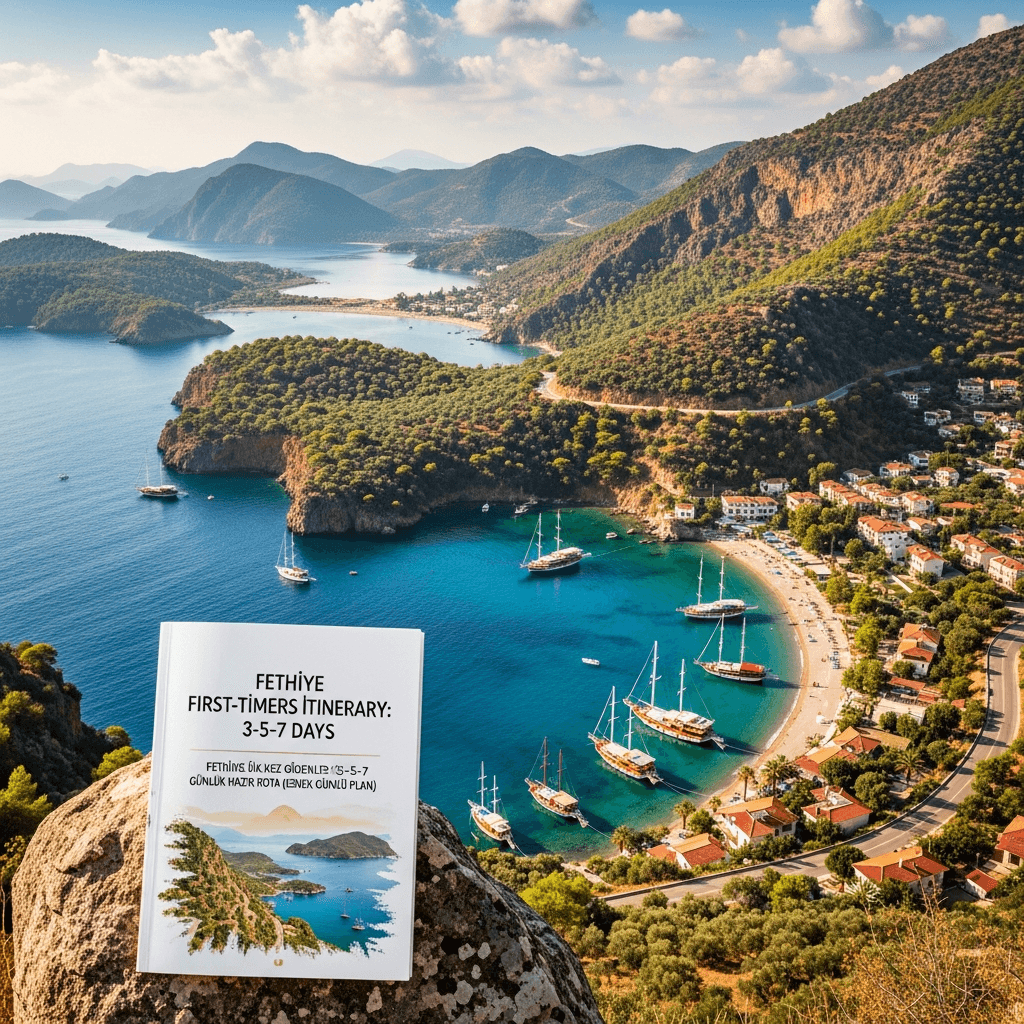
Fethiye First-Timers Itinerary: 3-5-7 Days
An optimized and flexible 3, 5, or 7-day itinerary for your first visit to Fethiye. Unmissable spots like Oludeniz, Saklikent Gorge and Babadag.
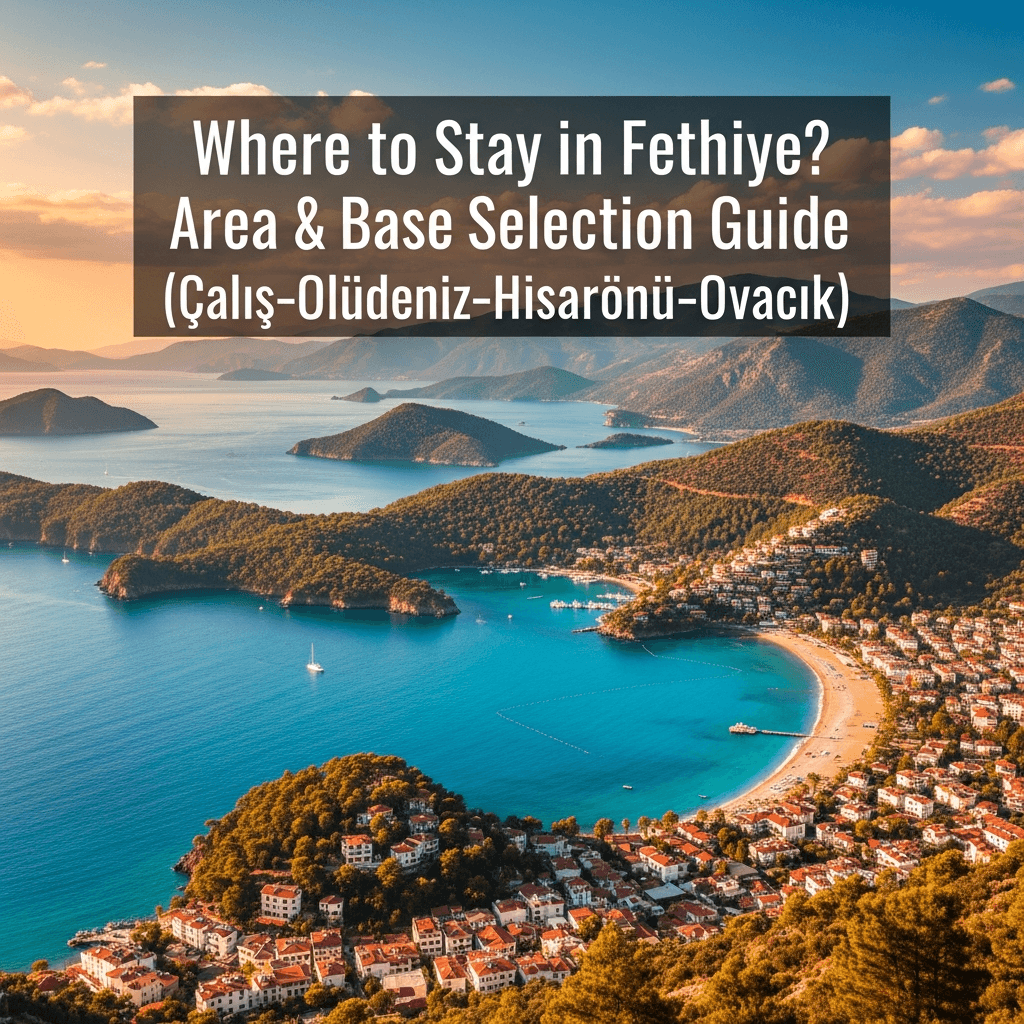
Where to Stay in Fethiye? Area & Base Selection Guide
Where to stay in Fethiye, Turkey? An extensive area-by-area guide choosing between Calis Beach, Oludeniz, Hisaronu, Ovacik and the Town Center.
Did you find this guide helpful?
Check out our other guides to discover more hidden gems in .
Explore All Guides