Hospitals and Clinics in Turkey: A Calm Guide for UK Travellers (Insurance, EHIC, Quality)
Medical worry? Here’s the reality of Turkish healthcare for tourists. It’s modern, efficient, and often faster than the NHS—if you have insurance. Learn the difference between private hospitals and state clinics, how the "provision" system works with insurance, and what to do if you feel unwell.
Hızlı Özet
- • best places to visit
- •Local restaurant and cafe recommendations
- •Accommodation options and price ranges
- •Transportation info and tips
Table of Contents
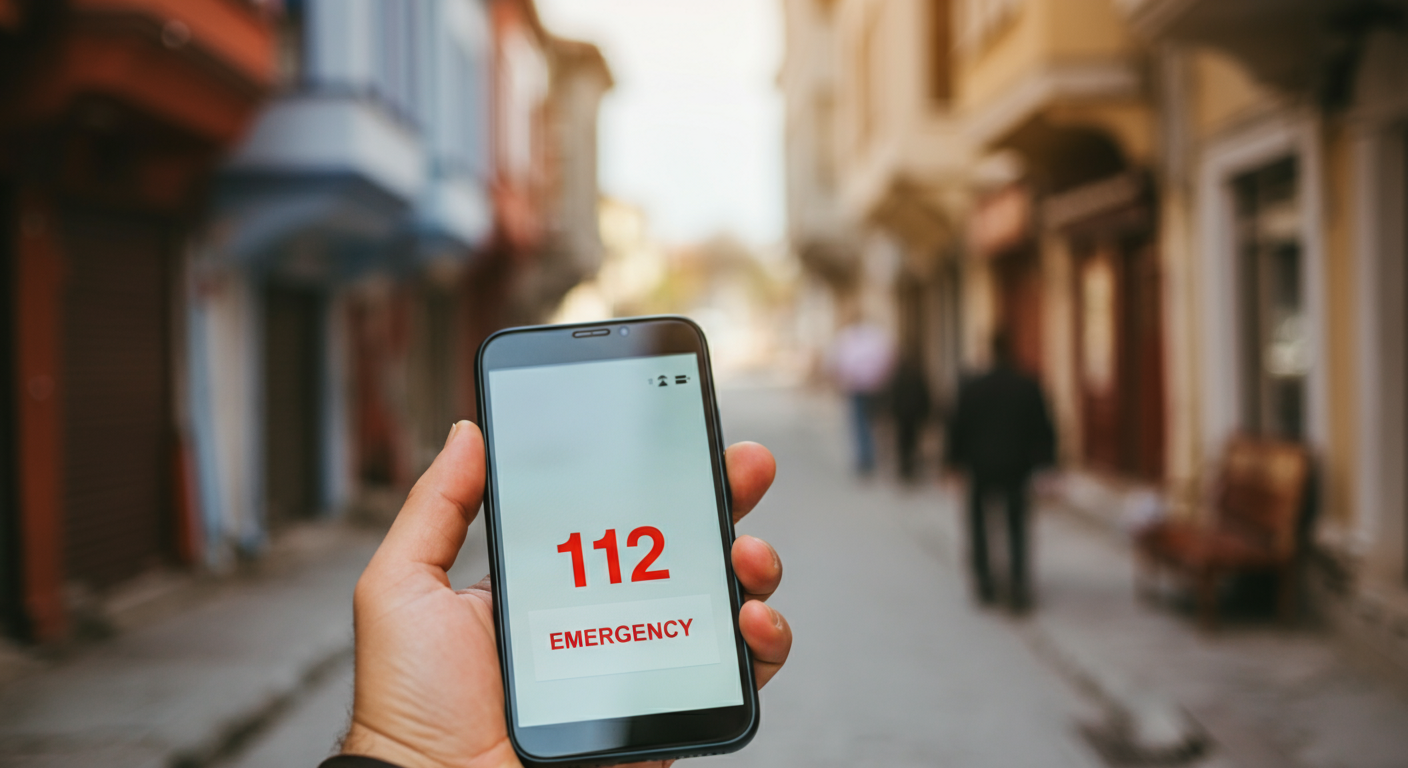
Quick answer: If it’s urgent, call 112 in Turkey and get help fast through the emergency system. For non-urgent medical needs, you’ll usually choose between private hospitals/clinics (often quicker and more English-friendly in major tourist areas) and public hospitals (wide coverage, structured systems, and often excellent clinical care). The easiest way to keep everything calm is to (1) know your “urgent vs non-urgent” decision, (2) save your address and insurance details, and (3) use your accommodation staff to point you to the simplest nearby option.
This guide is designed for UK travellers. It’s practical, reassuring, and not fear-based.
1) Step one: decide “urgent” or “non-urgent”
This single decision saves the most time and stress.
If it’s urgent (now)
Examples: severe symptoms, serious injury, breathing issues, heavy bleeding, loss of consciousness, or anything that feels like it cannot wait.
- Call 112 (Turkey’s main emergency number).
- Use the fastest location method: share your exact address and a nearby landmark.
Simple rule: If you’re even slightly unsure and it feels urgent, treat it as urgent and call 112.
If it’s non-urgent
Examples: manageable illness, mild injury, symptoms you’d normally book a same/next-day appointment for, or you simply need medical advice.
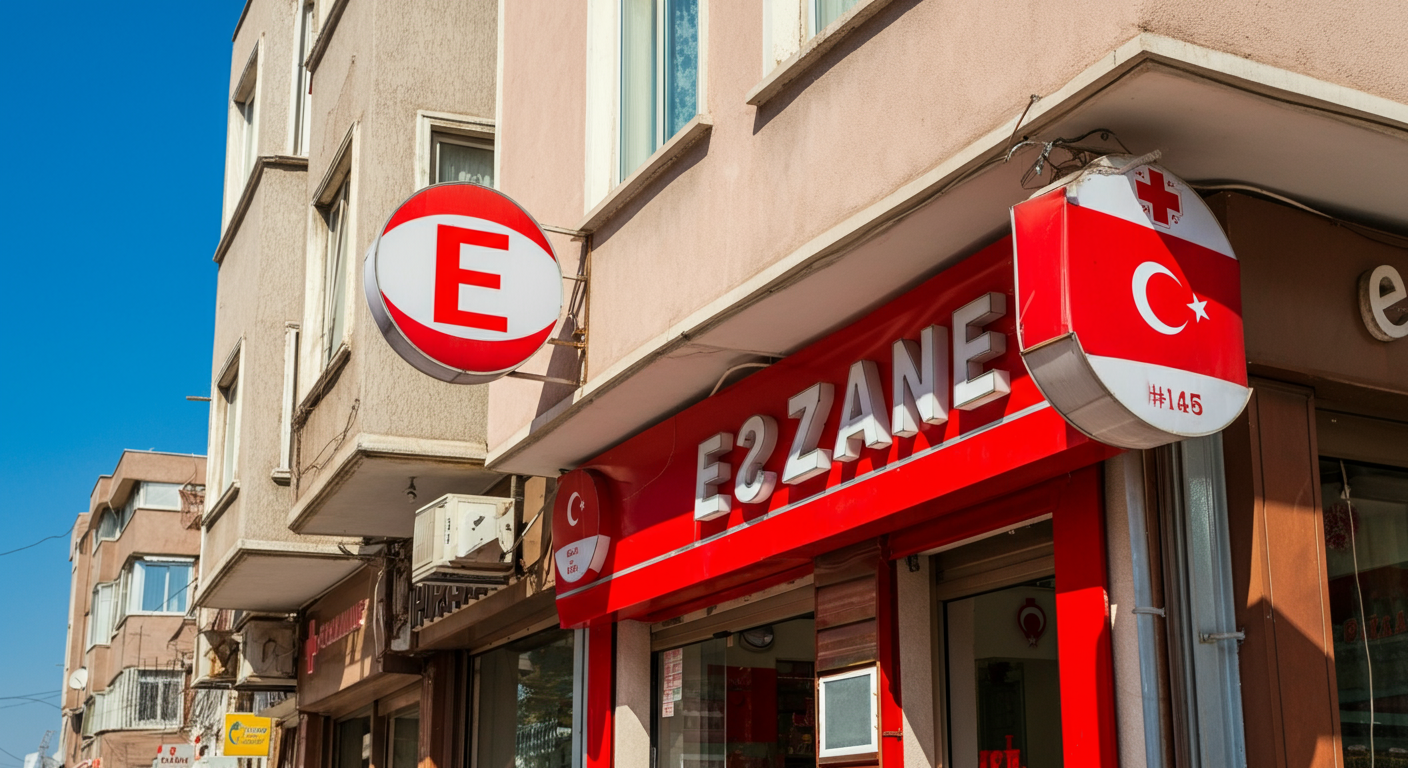
- Start with a pharmacy (eczane) for common, mild problems (they can often guide you).
- Or choose a clinic / hospital for an assessment, prescription, or tests.
UK-friendly tip: Most holiday health issues are made worse by delay. Sorting it early usually protects the rest of your trip.
Related internal guides: Emergency Numbers & Help Pharmacies in Turkey Travel Insurance Guide
2) Public vs private healthcare in Turkey (the simple comparison)
You’ll hear people say “go private” or “use a public hospital” as if there’s one right answer. In reality, it’s about what you need today.
Private hospitals / private clinics
Often best for:
- travellers who want speed and predictability
- English-speaking support (more common in major tourist areas and large cities)
- non-urgent issues where you want a quick assessment
- situations where you’ll pay and then claim via insurance
Trade-offs:
- You will usually pay out of pocket (then claim, if covered)
- Prices vary by provider and service
- You must keep documentation for insurance
Simple rule: If convenience and communication matter most, private care is often the easiest route.
Public hospitals
Often best for:
- emergencies and complex cases
- broad service availability
- structured pathways for many types of care
Trade-offs:
- waits can vary (especially in busy cities)
- English availability can vary
- admin steps can feel unfamiliar to UK travellers
UK-friendly tip: Public hospitals can provide very strong clinical care. The main difference for travellers is often the “process” and waiting, not the capability.
3) A UK-friendly “where should we go?” decision tool
Use this quick tool instead of overthinking.
Go to a pharmacy first if:
- you have mild symptoms and want advice/products
- you’re not sure if you need a doctor yet
- you want the simplest first step
(Pharmacy notes for travellers + on-duty pharmacies): Read the Pharmacy Guide
Go to a clinic / private hospital if:
- you think you’ll need a prescription
- you need a doctor’s note (e.g., for travel/insurance)
- symptoms aren’t severe but you want a proper assessment
Go to a hospital emergency department (or call 112) if:
- it’s urgent
- symptoms are escalating
- you’re worried it can’t safely wait
Simple rule: Start with the simplest safe option — but don’t delay urgent care.
4) The most important preparation: what to save on your phone
Most medical “stress” comes from missing details, not medical treatment itself.
Save these before you travel (or on day 1)
- Accommodation name + full address (copy/paste text)
- A screenshot of that address (offline)
- Your travel insurance provider + policy number + emergency line
- A short medical note: allergies, conditions, regular meds
- A photo of your passport ID page (securely stored)
UK-friendly tip: Screenshots beat poor signal. Save them.
5) What to expect at a hospital/clinic visit (so it feels familiar)
Every country’s process looks different. Here’s the “shape” of a typical visit in Turkey so you feel grounded:
Typical steps
- Registration / intake (basic identity + contact details)
- Triage (how urgent your case is, especially in ER)
- Doctor assessment
- Tests if needed (bloodwork, imaging, etc.)
- Treatment plan + prescription / referral
- Payment paperwork (more common in private care; public varies by route)
Simple rule: The process may look different to the NHS, but your job is the same: be clear, be calm, give accurate information.

6) Payment and insurance: the calm, realistic approach
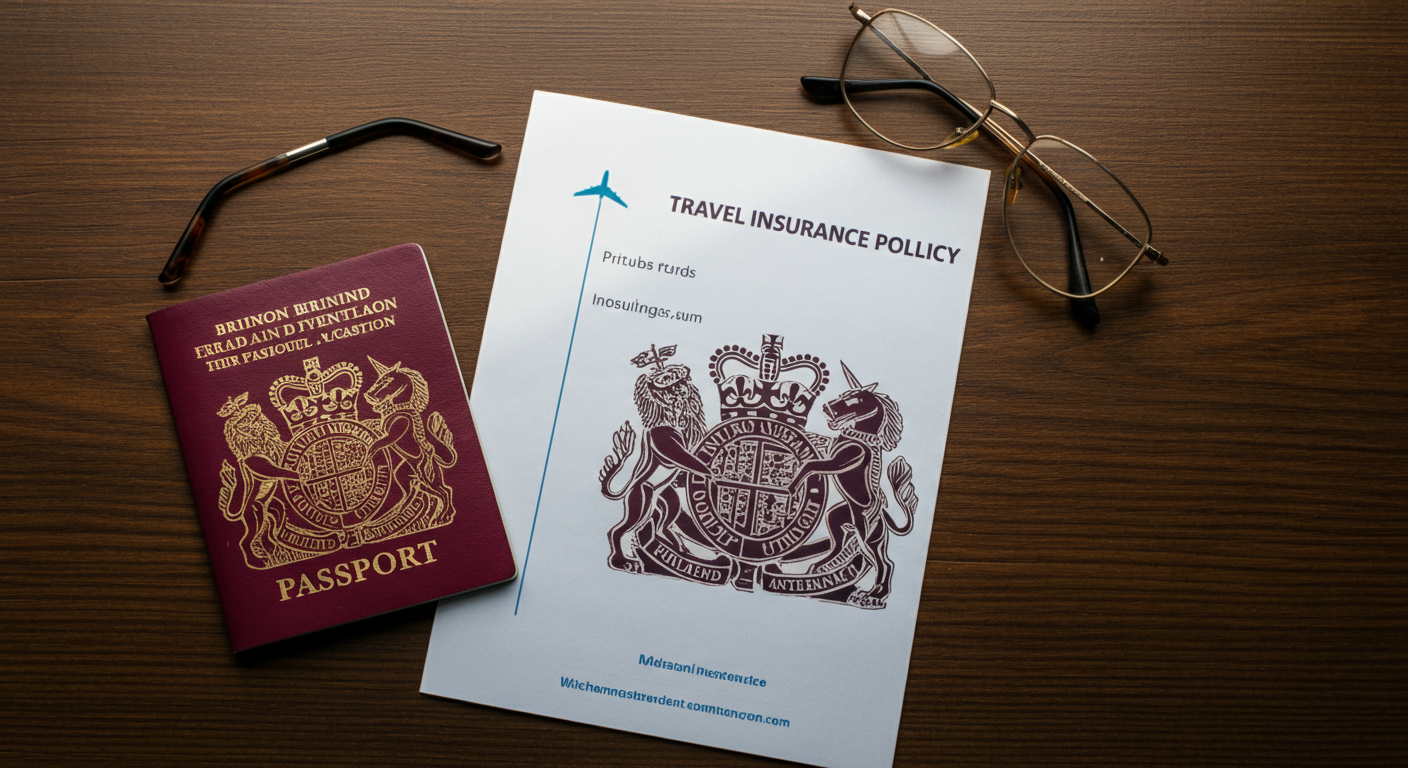
The UK FCDO guidance for Turkey health highlights the importance of travel insurance and notes that UK GHIC/EHIC cards are not valid in Turkey.
What that means in practice
- Expect to pay in many situations as a tourist and then claim, depending on your policy.
- Your insurer may require you to call their assistance line for authorisation in certain cases (especially hospital admission).
Simple rule: Assume you’ll need insurance support and documentation. Keep everything.
The documentation you want (for claims)
- Itemised invoice/receipt
- Medical report/doctor note (even brief)
- Prescription copy
- Test results (if relevant)
UK guidance on what to do if hospitalised abroad can help you stay organised.
7) Non-urgent appointments: MHRS and Alo 182 (what it is, when it helps)
Turkey has a central appointment system called MHRS (Centralised Doctor Appointment System). It offers booking via website/app and via the Alo 182 appointment line.
When MHRS can be useful
- You’re staying longer and want a scheduled appointment
- You prefer a structured booking route for public facilities
- You’re not in an urgent situation
The practical traveller reality
- The system is primarily designed for residents, and the experience can vary for visitors.
- For short stays, many UK travellers find it simpler to use:
- accommodation staff to recommend a nearby clinic/hospital, or
- private care for speed (then claim if insured)
Simple rule: MHRS/Alo 182 is a good option when you have time and want structure; private clinics are often simpler for short tourist stays.
8) Language and communication: how to get the best help fast
You don’t need perfect Turkish. You need clear information.
Bring a one-minute symptom summary
Write this in Notes (then show it):
- “I’m visiting from the UK.”
- “My symptoms started: [day/time].”
- “Main symptoms: [3 bullets].”
- “Allergies: [list].”
- “Regular medications: [list].”
- “Medical conditions: [list].”
- “What I’ve taken so far: [list].”
UK-friendly tip: If you ask “Can you write the instructions down?” you avoid 90% of confusion.
9) Prescriptions: don’t assume UK prescriptions work
The UK FCDO Turkey health guidance states that British prescriptions are not accepted in pharmacies in Turkey, and that medication rules can differ.
Simple rule: If you need a prescription medicine, expect that you may need a local prescription pathway.
Related internal: Pharmacy Guide
10) Your accommodation is your “local assistant” (use them)
This is one of the most underrated travel advantages.
Ask your accommodation:
- “What’s the nearest good clinic/hospital?”
- “Where is the closest on-duty pharmacy if it’s after hours?”
- “Can you write the address in Turkish to show a taxi/driver?”
- “If we need a doctor, what’s the simplest option today?”
Simple rule: Don’t DIY the local system when someone can point you to the cleanest route in 30 seconds.
11) The “Calm Medical Visit” checklist (save this)
Use this before leaving your room:
Essentials
- Passport/ID (or a secure copy if appropriate)
- Insurance details + emergency line
- Payment method
- Symptom note (in your phone)
- Allergy/medication list
- Address screenshot + map pin
For families
- Child details (age, allergies, meds)
- Snacks/water
- Comfort item (small toy, etc.)
UK-friendly tip: Planning the visit like a small mission keeps it calm and quick.
12) Copy-paste scripts (use these in messages or at reception)
Script A: asking reception for the right option
“Hi — we need medical help (non-urgent). What’s the simplest nearby clinic/hospital for visitors? Could you write the address and best way to get there?”
Script B: checking insurance process
“Hi — if we need to see a doctor today, do we need to call our insurer first? We have the emergency assistance line and policy number.”
Script C: at the clinic desk
“Hello — I’m visiting from the UK. I need to see a doctor for [symptom]. Here is a short note of my symptoms and medications.”
FAQ: Hospitals & clinics in Turkey for UK travellers
What number do I call in an emergency in Turkey?
Call 112 for emergency help in Turkey.
Are UK GHIC/EHIC cards valid in Turkey?
No — the UK FCDO guidance states EHIC/GHIC cards are not valid in Turkey, so travel insurance is important.
Can I use a UK prescription in Turkey?
The UK FCDO guidance states British prescriptions are not accepted in pharmacies in Turkey.
Should I use a private hospital or a public hospital?
Choose based on your situation. Private care is often quicker and more communication-friendly for tourists; public hospitals are comprehensive and are a strong choice especially for emergencies. The best option is the one that gets you appropriate care smoothly and safely.
How do I book a non-urgent appointment in Turkey?
Turkey has a central appointment system (MHRS) and an appointment line (Alo 182) used for booking through that system. For short tourist stays, many travellers find it simplest to use accommodation help or private clinics, depending on the situation.
What should I bring to a clinic/hospital as a tourist?
Bring your ID, insurance details, a payment method, and a short symptom/allergy/medication note. Keep all receipts and medical notes for your records and any insurance claim.
What should I do if I’m hospitalised abroad?
Follow your insurer’s instructions and keep documentation. The UK provides general guidance on medical emergencies and hospitalisation abroad.

Selin Aktaş
Editör"Ege köylerine ve butik otellere olan tutkusuyla tanınan Selin, 10 yılı aşkın süredir Türkiye'nin gizli kalmış rotalarını keşfediyor."
Guides About
Istanbul Public Transport Guide: Istanbulkart, Metro, Tram & Ferry Explained
İstanbul'da ulaşım karmaşasına son verin! İstanbulkart, metro, tramvay, otobüs ve feribot gibi toplu taşıma ağlarını kolayca anlayın.
Best Istanbul Photo Route: 1-Day Viral Shots (Golden Hour & Crowd Strategy)
İstanbul'un en viral fotoğraf noktalarını keşfedin! Boğaz, Galata ve Tarihi Yarımada'da 1 günde, ışık saatleri ve kalabalık stratejileriyle mükemmel kareler yakalayın.
Istanbul Budget Planner: Economical, Balanced & Comfortable Spending Modes Guide
İstanbul gezinizi bütçenize uygun planlayın! Ekonomik, dengeli veya rahat modlarla harcama mantığını keşfederek şehri doyasıya yaşayın.
Istanbul with Kids Guide: Baby & Toddler Checklists | Hot Weather & Rainy Day Plan
İstanbul'da çocukla gezmek artık çok kolay! Bebek/çocuk kontrol listeleri ve öğle sıcağı/yağmur için özel İstanbul gezi planları bu rehberde.
Istanbul Walkable Neighborhoods: 2-3 Hour Walking Routes & Map Guide
İstanbul'un en güzel semtlerini yürüyerek keşfedin! Tarihi yarımada ve Boğaz çevresindeki 2-3 saatlik mini rotalarla şehri deneyimleyin.

Istanbul Mosque Guide for Tourists: Dress Code, Photography & Prayer Times
İstanbul camilerini ziyaret edecek turistler için giyim, saat ve fotoğraf kuralları rehberi. Cami ziyaretinizden önce bilmeniz gereken tüm detayları basitçe öğrenin.

Istanbul Travel Tips: Avoid Scams & Surprises (Taxis, Restaurants, Tours)
İstanbul'da taksi, menü ve tur sürprizleri yaşamadan güvenle gezmek için basit kuralları keşfedin. Dolandırılmadan keyifli bir İstanbul deneyimi için ipuçları burada.
Istanbul Evening Guide: Safe & Fun Activities & Plans for Families, Couples & Solo Travelers
İstanbul'da akşam ne yapılır? Aile, çift veya tek kişi için Boğaz turu, tarihi mekanlar ve güvenli eğlence seçenekleriyle dolu rehberimizi keşfedin.
Istanbul Rainy Day Itinerary: Indoor Museums, Bazaars & Cafes
İstanbul'da yağmurlu havalarda sıkılmayın! Müzeler, tarihi çarşılar ve şirin kafelerle dolu kapalı mekan rotalarıyla keyifli bir gün geçirin.
Istanbul Sunset Spots: Crowd-Free Hours & Best Sunset Walk Routes
İstanbul'da kalabalıktan uzak gün batımı noktaları ve Boğaz'da eşsiz sunset walk rotalarıyla şehrin büyüsüne kapılın.
Istanbul 1-Day Itinerary: Europe to Asia Route (Hour-by-Hour & Walking Guide)
İstanbul'da bir günde Avrupa'dan Anadolu'ya geçiş rotasını keşfedin! Saat saat planlanmış bu eşsiz gezi rehberiyle iki kıtayı yürüme seviyenize göre deneyimleyin.

Sabiha Gökçen (SAW) to Istanbul Transfer: Easiest Options Guide
Sabiha Gökçen (SAW) havalimanından İstanbul şehir merkezine en kolay ulaşım (metro, Havabüs, taksi) seçeneklerini ve saatinize göre en mantıklı yolu keşfedin.

Istanbul Airport (IST) Transfer Guide: Taxi, Metro, or Private for Late Night Arrivals
İstanbul Havalimanı (IST) gece varışı için taksi, metro veya özel transfer mi? İstanbul'a en hızlı ve konforlu ulaşım seçeneğini keşfedin.

Istanbul Public Transport Guide: Metro, Tram and Ferry Logic
İstanbul'da ulaşımı çözün! Turistler için İstanbulkart nasıl alınır, T1 Tramvay, M2 Metro ve vapur kullanımı, taksi tuzaklarından korunma rehberi.

First Time in Istanbul: 3–5–7 Days Ready Itinerary
İstanbul'u yorulmadan ve kaybolmadan gezmek isteyenler için saat saat planlanmış, en verimli 3 günlük, 5 günlük ve 7 günlük hazır turistik gezi rotası.

Where to Stay in Istanbul? Area & Base Selection Guide
İstanbul'da ilk kez nerede kalınır? Sultanahmet, Karaköy, Taksim, Beşiktaş ve Kadıköy bölgelerinin detaylı, artı-eksi analizli, ulaşım odaklı konaklama rehberi.

Best Instagram and Photo Spots in Fethiye Route
Ultimate Fethiye Instagram and photography SEO guide list. Find the best spots: Butterfly Valley viewpoint cliff, Babadag glass terrace, and Ghost Town.

Fethiye Budget Planner: Travel Costs and Saving Tips
Ultimate SEO Fethiye holiday budget planner. Is Fethiye expensive? Guide to food prices, transport, boat trips, and saving tips for smart travelers.

Fethiye with Kids: Family Holiday Travel Guide
Ultimate family SEO travel guide to Fethiye with kids and toddlers. Best shallow beaches, stroller-friendly hotels, and safe family boat trips listed.
Best Time to Visit Fethiye: Month by Month Weather Guide
When is the best time to go to Fethiye? Detailed SEO weather guide month by month. Summer peaks, autumn sea temperatures and spring trekking tips.
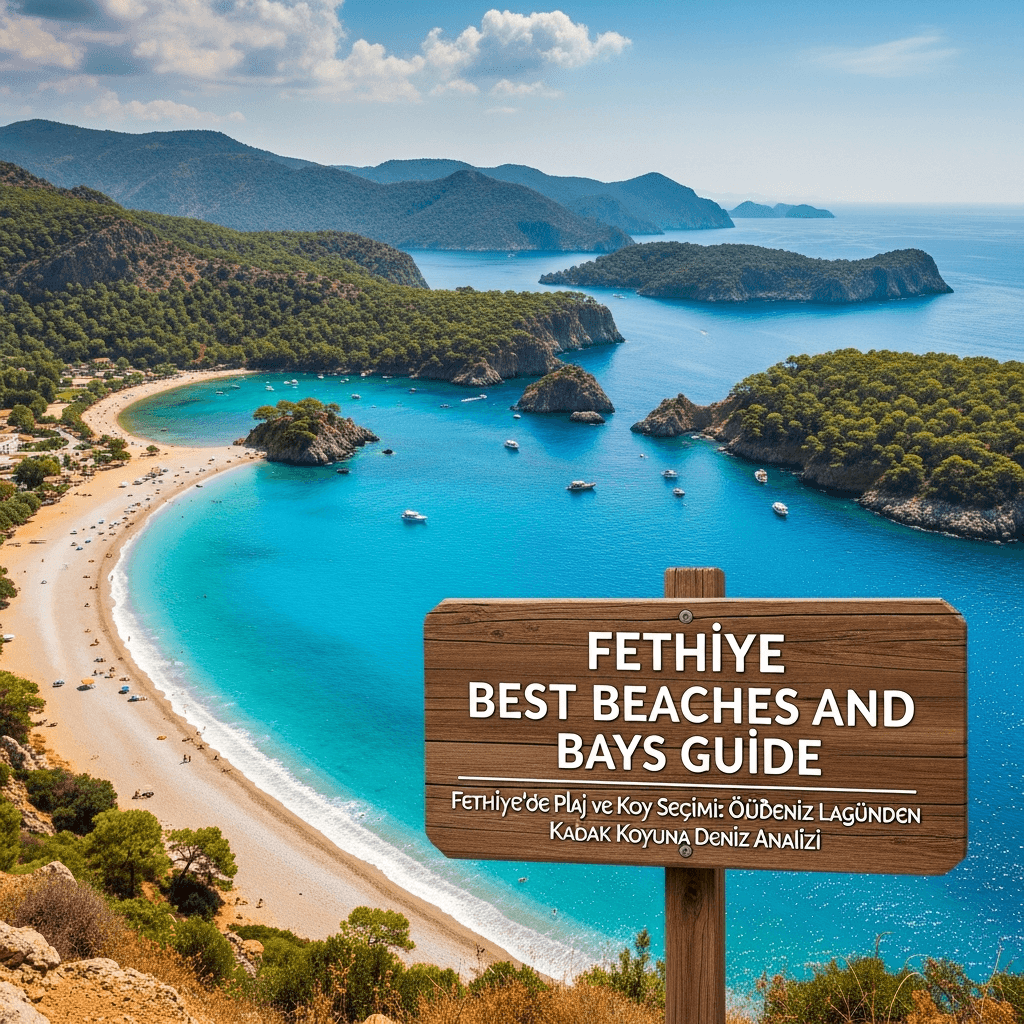
Fethiye Best Beaches and Bays Guide
Comprehensive SEO guide to Fethiye's best beaches. Compare Blue Lagoon, Belcekiz pebbles, Calis beach wind, and hidden Kidrak/Kabak bays.
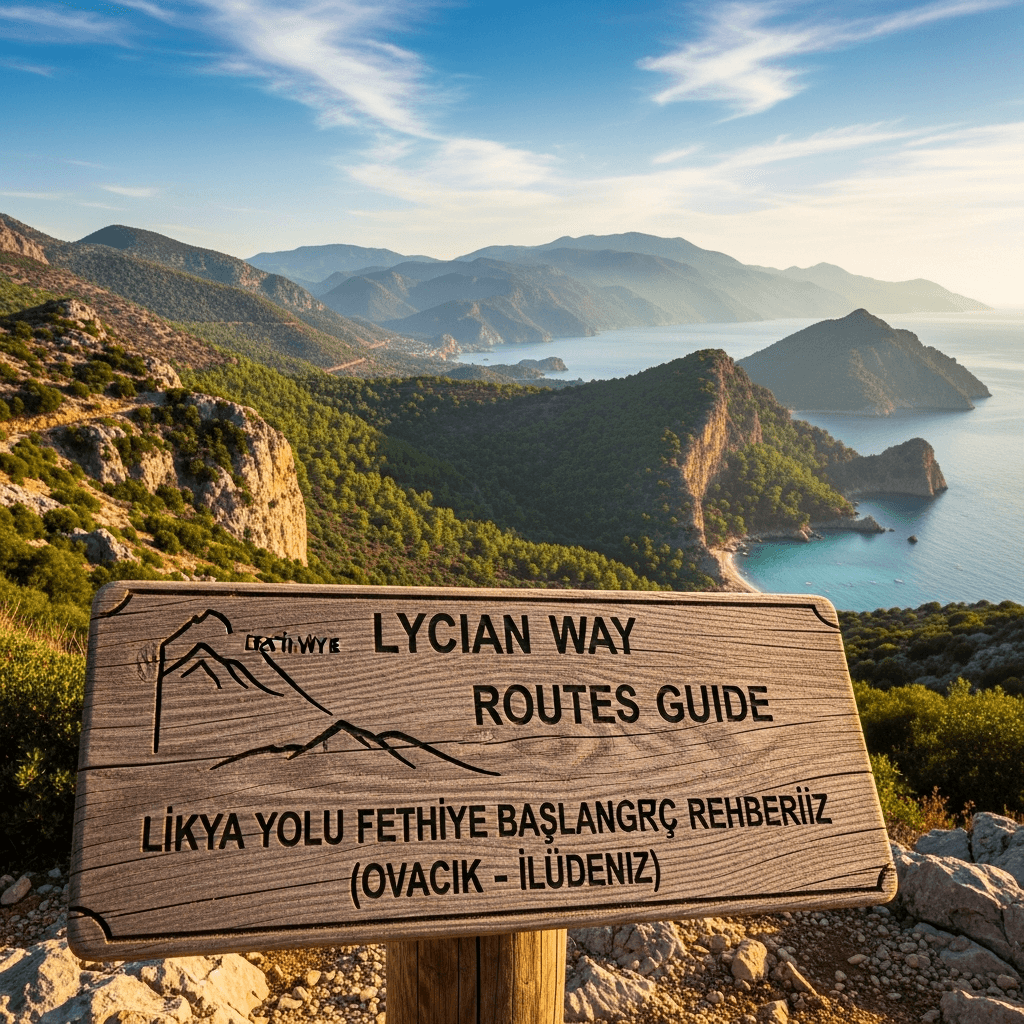
Lycian Way Fethiye Routes Guide
Ultimate Guide to starting the Lycian Way from Fethiye (Ovacik, Faralya, Kayakoy). Daily hiking routes, trails, maps, and offline tips with full SEO tables.
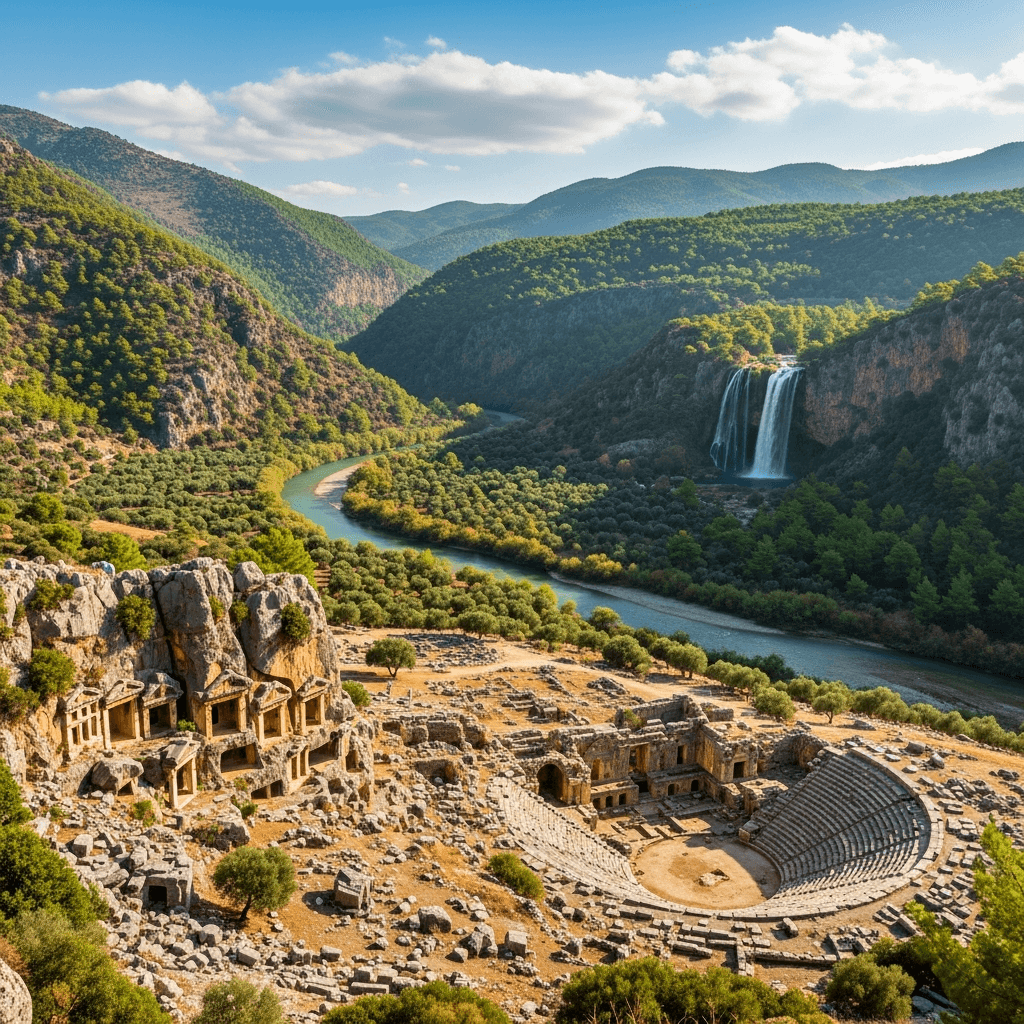
Tlos Ancient City & Yakapark Day Trip Guide
Ultimate Fethiye day trip SEO guide: Morning at Tlos Ancient City and Lycian rock tombs, afternoon lunch at Yakapark waterfalls, and Saklikent alternatives.
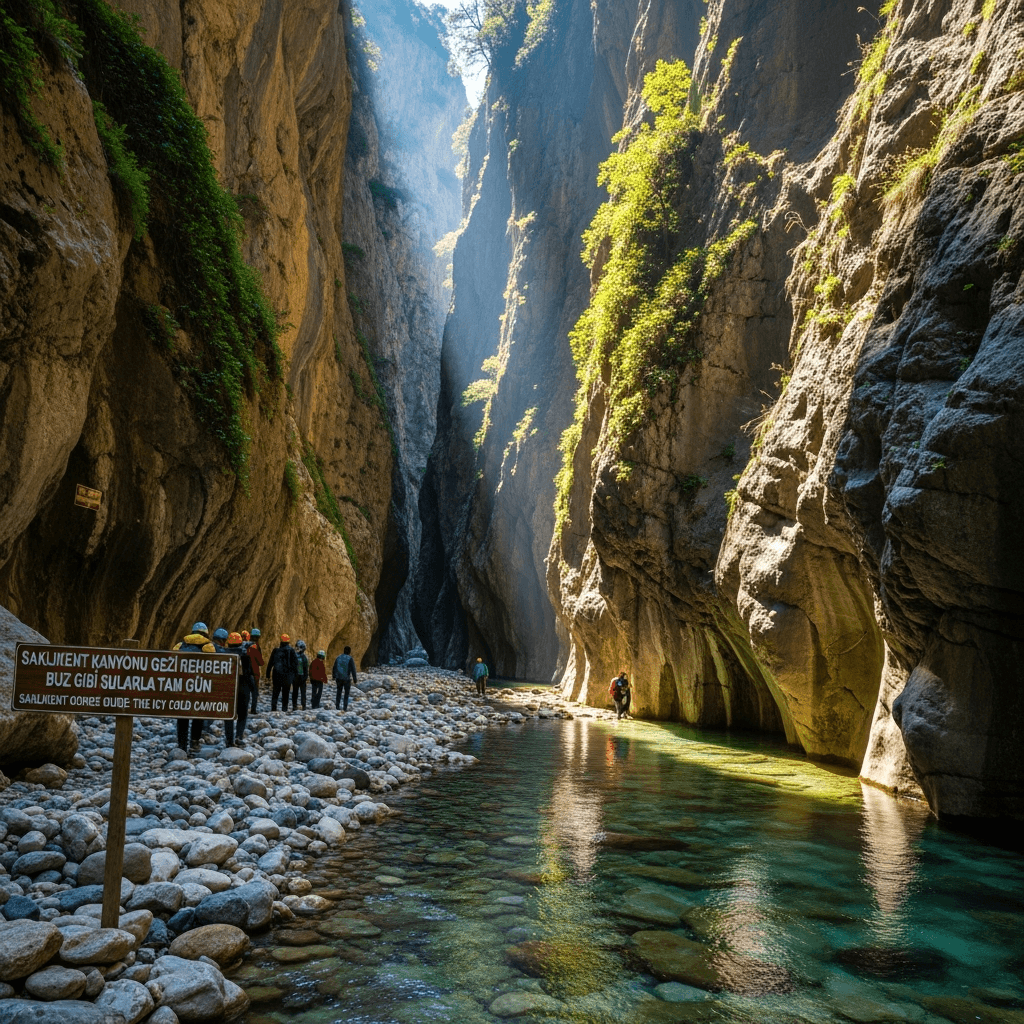
Saklikent Gorge Guide: The Icy Cold Canyon
Ultimate SEO guided Fethiye Saklikent Gorge and Canyon travel guide. Tips for hiking the icy river, mud baths, and comparing Gizlikent Waterfall.
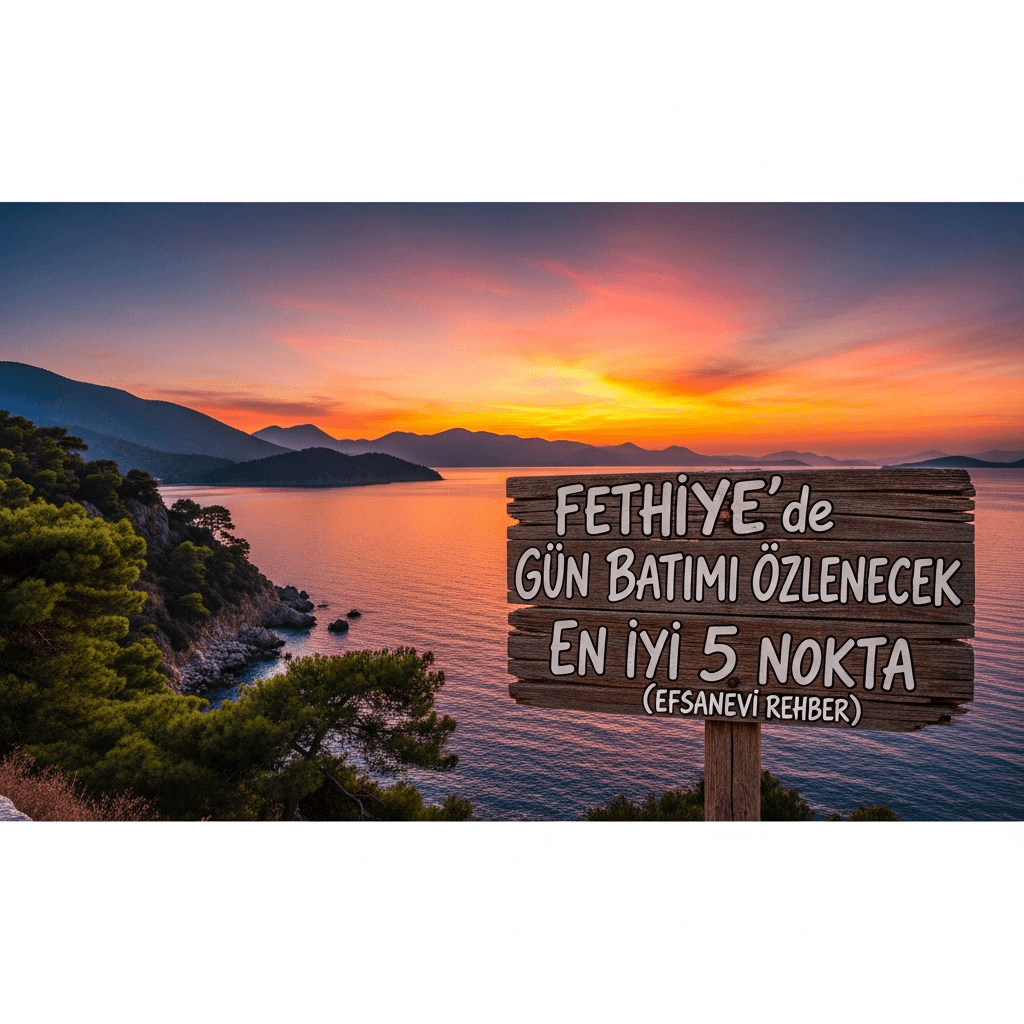
Best 5 Sunset Spots in Fethiye
Where to watch the best sunset in Fethiye? Detailed SEO guide for Calis beach, Babadag 1700m, and Sovalye island sunsets with tables and tips.
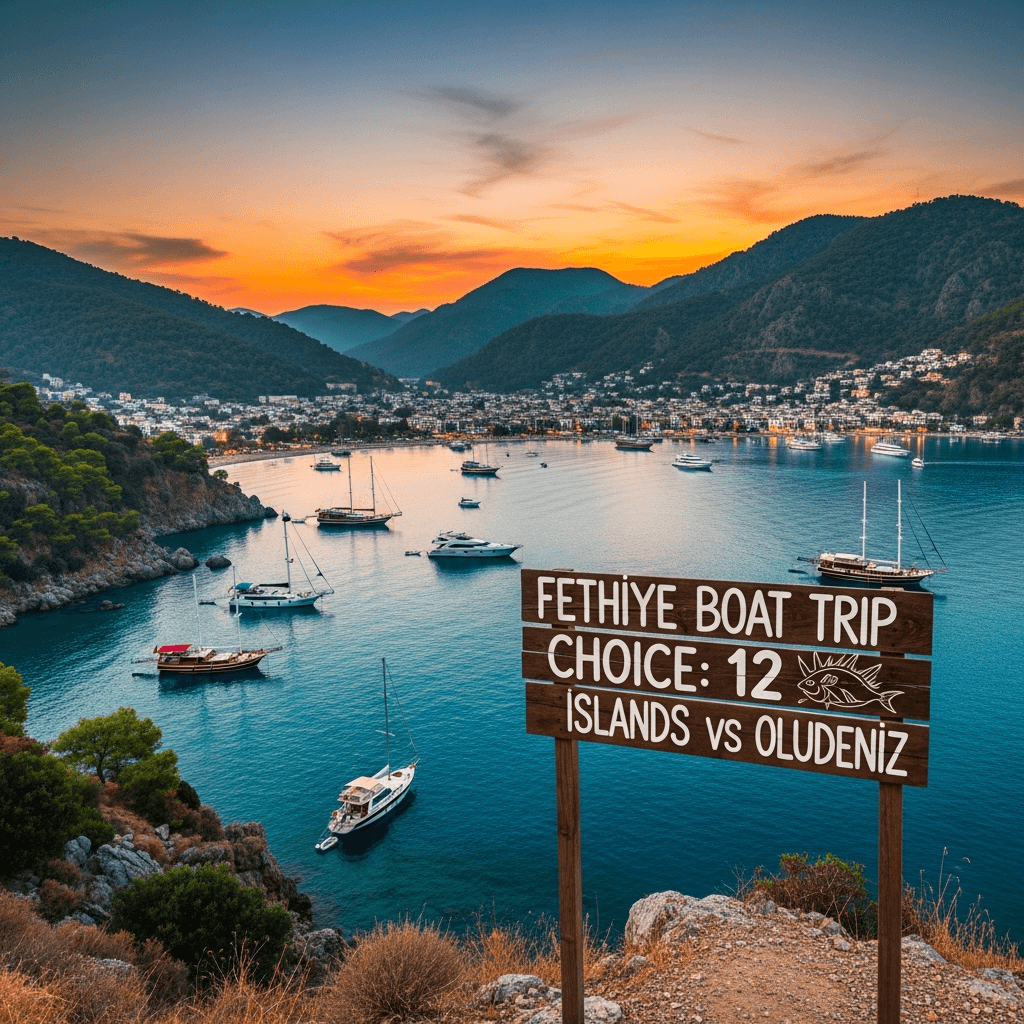
Fethiye Boat Trip Choice: 12 Islands vs Oludeniz
Ultimate comparison between the 12 Islands Boat Trip and the Oludeniz Butterfly Valley boat tour. Detailed SEO travel guide with tables and tips.
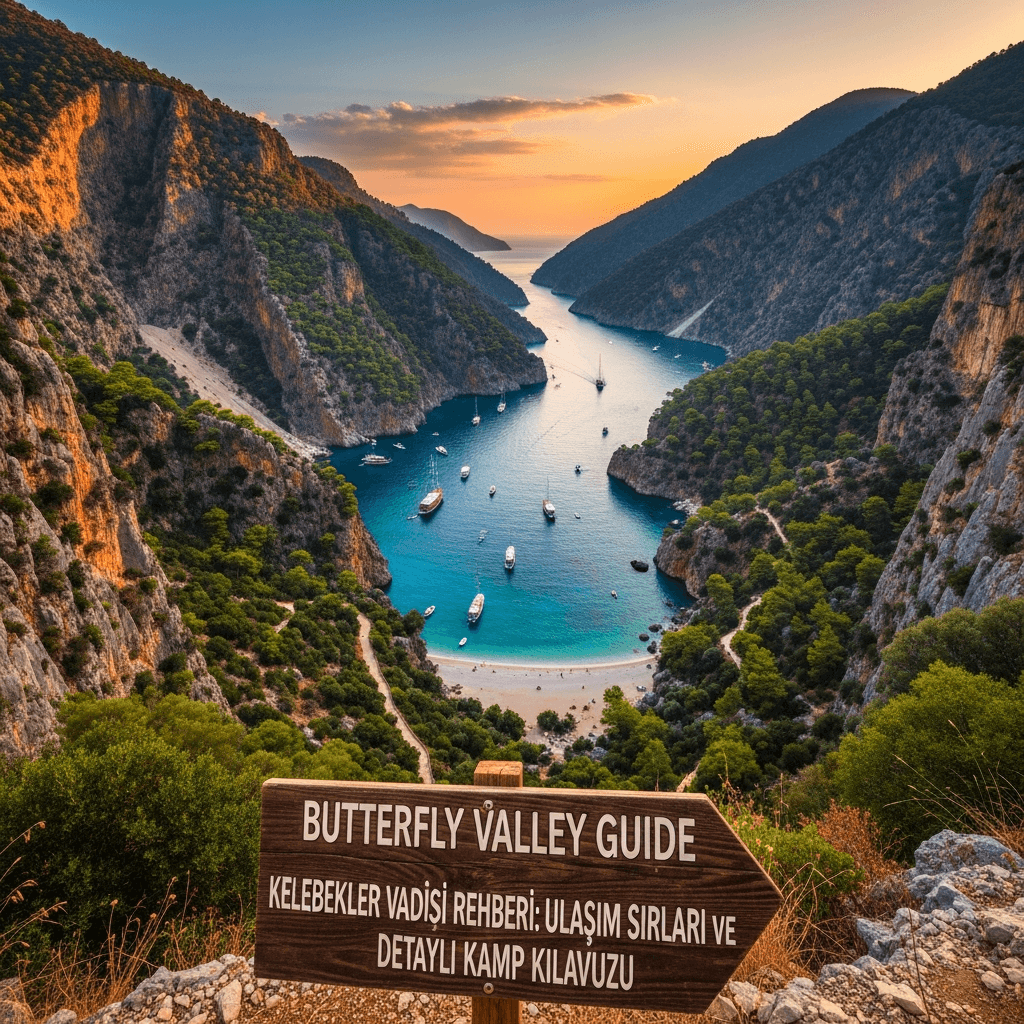
Butterfly Valley Guide
Ultimate SEO guided Fethiye Butterfly Valley travel guide. How to get there by boat or hike, best camping spots, and waterfall trekking tips.
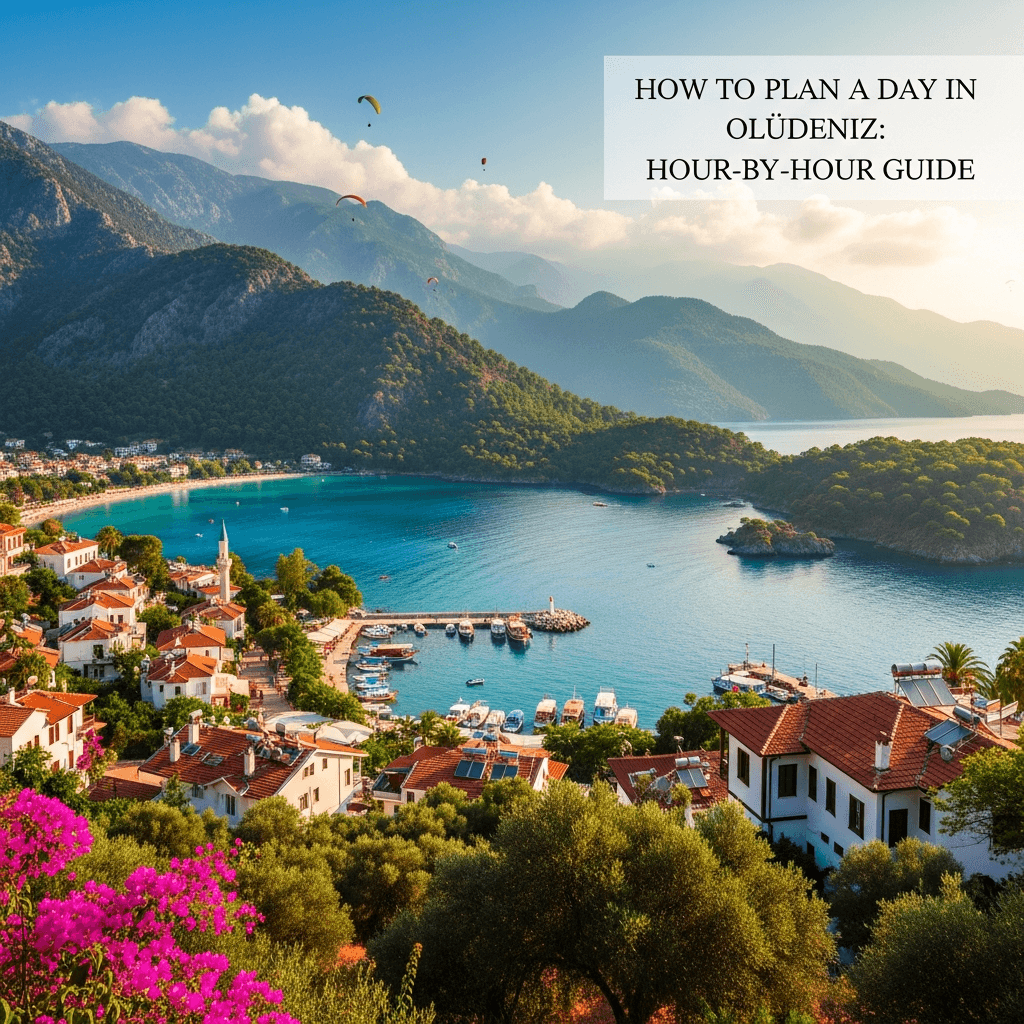
How to Plan a Day in Oludeniz: Hour-by-Hour Guide
An hour-by-hour itinerary for visiting Oludeniz, Kumburnu Blue Lagoon, Belcekiz beach, and the Babadag cable car. Essential tips for your holiday.
Car-Free Fethiye Holiday Guide
Discover how to enjoy a completely car-free holiday in Fethiye. Full transportation guide including water taxis, local dolmus, and walking trails.
Fethiye First-Timers Itinerary: 3-5-7 Days
An optimized and flexible 3, 5, or 7-day itinerary for your first visit to Fethiye. Unmissable spots like Oludeniz, Saklikent Gorge and Babadag.

Where to Stay in Fethiye? Area & Base Selection Guide
Where to stay in Fethiye, Turkey? An extensive area-by-area guide choosing between Calis Beach, Oludeniz, Hisaronu, Ovacik and the Town Center.
Did you find this guide helpful?
Check out our other guides to discover more hidden gems in .
Explore All Guides