Healthcare in Turkey for Tourists: Guide to Pharmacies, Clinics and What To Do If You Feel Unwell
Clear UK-focused guide to healthcare in Turkey: what to do if you feel ill, how to use pharmacies, clinics, hospitals, emergency numbers, costs and insurance tips.
Hızlı Özet
- • best places to visit
- •Local restaurant and cafe recommendations
- •Accommodation options and price ranges
- •Transportation info and tips
Table of Contents
Healthcare in Turkey for Tourists: Guide to Pharmacies, Clinics and What To Do If You Feel Unwell
- Emergency number in Turkey: Call 112 for ambulance or any medical emergency (works from mobiles and landlines, no area code).
- First step if mildly unwell: Go to a local pharmacy ("eczane") – common along streets like Atatürk Caddesi in Antalya or Çarsi Caddesi in Bodrum – for quick advice and over‑the‑counter medicines.
- For non‑urgent problems: Use walk‑in clinics or outpatient departments at hospitals; reception can usually arrange an English‑speaking doctor in major resorts.
- Costs: GP‑style consultations typically range from about £20–£60 equivalent in tourist areas; always keep receipts for travel insurance claims.
- Insurance: UK GHIC/EHIC cards are not valid in Turkey – you need travel insurance that covers medical treatment and medical evacuation.
- Prescriptions: Many common medicines for pain, stomach issues, and minor infections are available without prescription; stronger drugs require a Turkish prescription.
- Language: In coastal areas like Lara Beach (Antalya), Gümbet (Bodrum), and Konyaaltı, pharmacy and clinic staff often speak some English, especially near main tourist streets and seafront promenades.
- If seriously ill: Call 112 or go directly to a hospital’s emergency department ("acil"), for example near Muğla Fethiye road (D400) or along Eski Lara Caddesi where larger medical centres are clustered.
- Simple rule: Use pharmacies for mild issues, clinics for anything that needs a doctor’s examination, and hospitals or 112 for urgent or serious problems.
If you feel unwell in Turkey, start with a local pharmacy (eczane) for minor problems, use a clinic or hospital outpatient department if you need a doctor, and call 112 for emergencies. Bring your passport and travel insurance details, expect to pay up‑front for most care, and always ask for written reports and receipts so you can claim costs back in the UK.
Introduction: How Healthcare Works for Tourists in Turkey
Turkey has a mixed public and private healthcare system. As a tourist from the UK, you will usually use private clinics, private wings of hospitals, or tourist‑friendly pharmacies, especially along the Mediterranean and Aegean coasts. In central areas of resort towns – for example along Barbaros Caddesi in Antalya Old Town (Kaleiçi), or around the marina by Neyzen Tevfik Caddesi in Bodrum – it is common to find a cluster of pharmacies and medical practices within a few minutes’ walk.
UK-friendly tip: Turkey is generally well set‑up for tourists needing short‑term medical help, but you should assume you will pay at the point of use and then reclaim via travel insurance once home.
Step-by-Step: What To Do If You Feel Unwell in Turkey
1. Mild Symptoms: Start with a Pharmacy (Eczane)
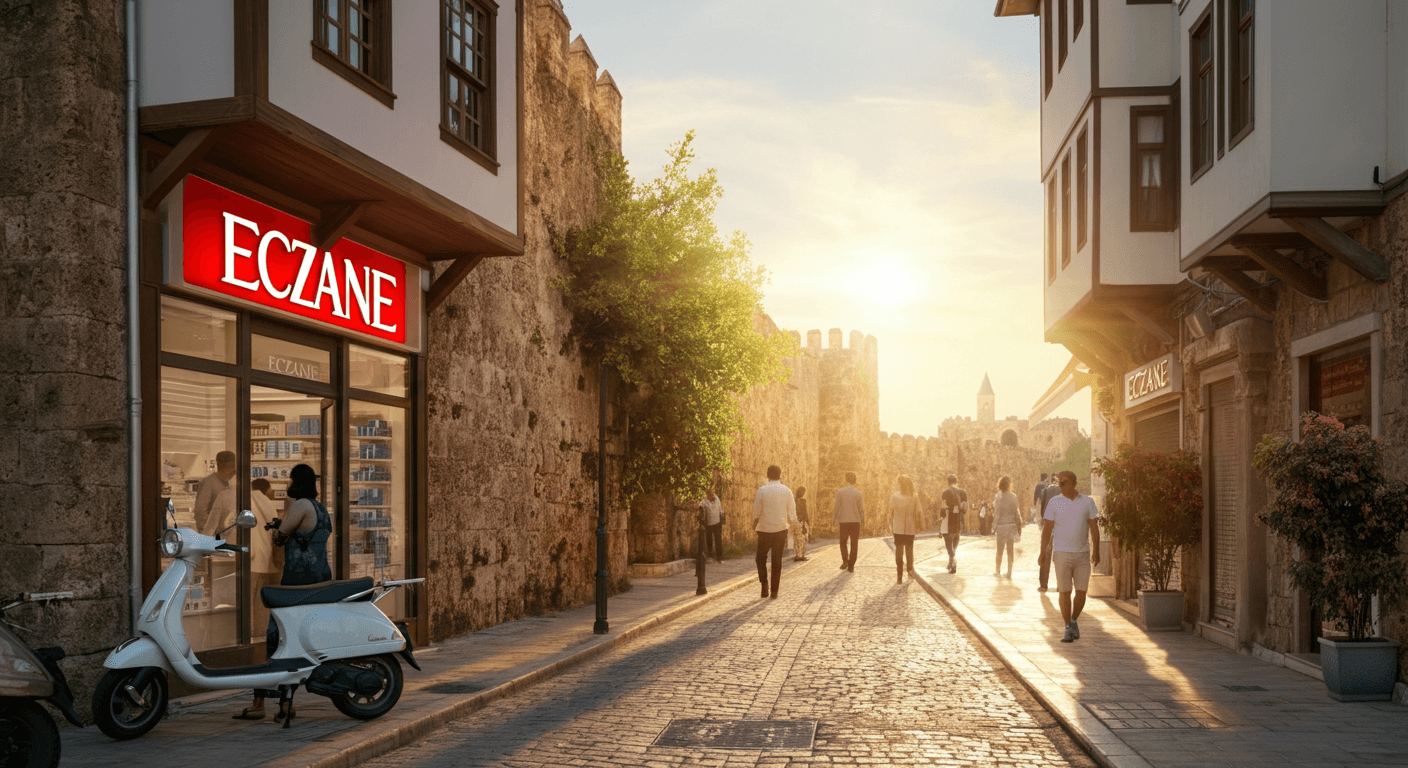
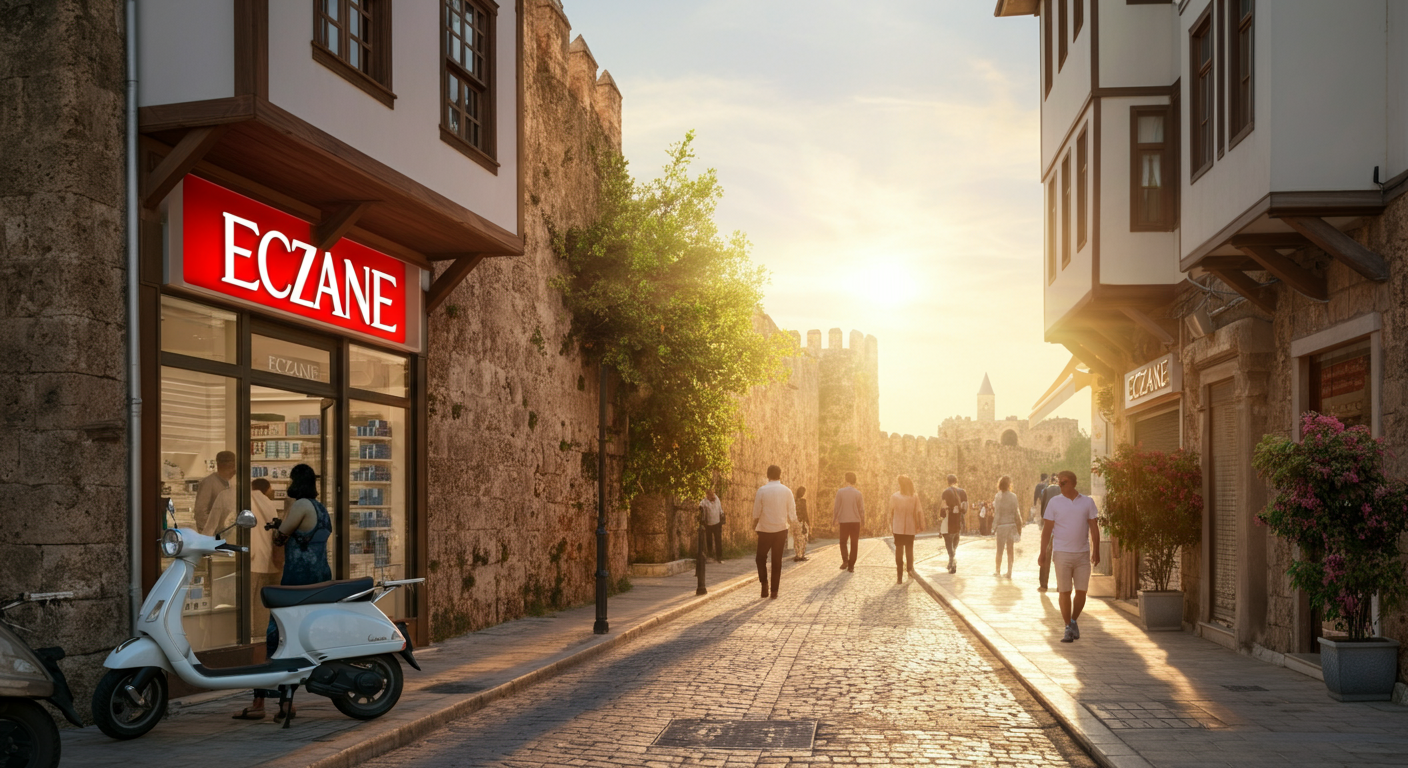
For issues like mild stomach upset, sunburn, insect bites, or a simple cold, your first stop should typically be a pharmacy. Pharmacies are clearly marked with a red sign saying "ECZANE", often on main streets:
- In Antalya: You will find multiple eczanes along Atatürk Caddesi, Işıklar Caddesi, and near the Konyaaltı Sahil bandı promenade.
- In Bodrum: Pharmacies are often clustered around Çarsi Caddesi, near the marina and along Atatürk Bulvarı.
- In Fethiye: Look around Cumhuriyet Mahallesi, especially along Atatürk Caddesi and near the Paspatur old bazaar.
Pharmacists in these areas are used to visitors from the UK and often speak some English, especially in summer. You can usually walk in without an appointment.
Common reasons to use an eczane:
- Sunburn and heat rash
- Mild diarrhoea or traveller’s tummy
- Insect bites and stings (including mosquito bites near coastal areas like Ölüdeniz or Side)
- Simple pain relief for headache, period pain, or muscle strain
- Rehydration salts and anti‑sickness tablets
If English is limited, keep it simple. You can show:
- A note on your phone: "stomach pain" / "diarrhoea" / "sunburn".
- Area of pain by pointing.
- Photo of any rash or bite (if comfortable doing so).
Many pharmacists use translation apps when needed, especially in resort districts like Lara Beach and Gümbet.
2. When to See a Doctor or Visit a Clinic
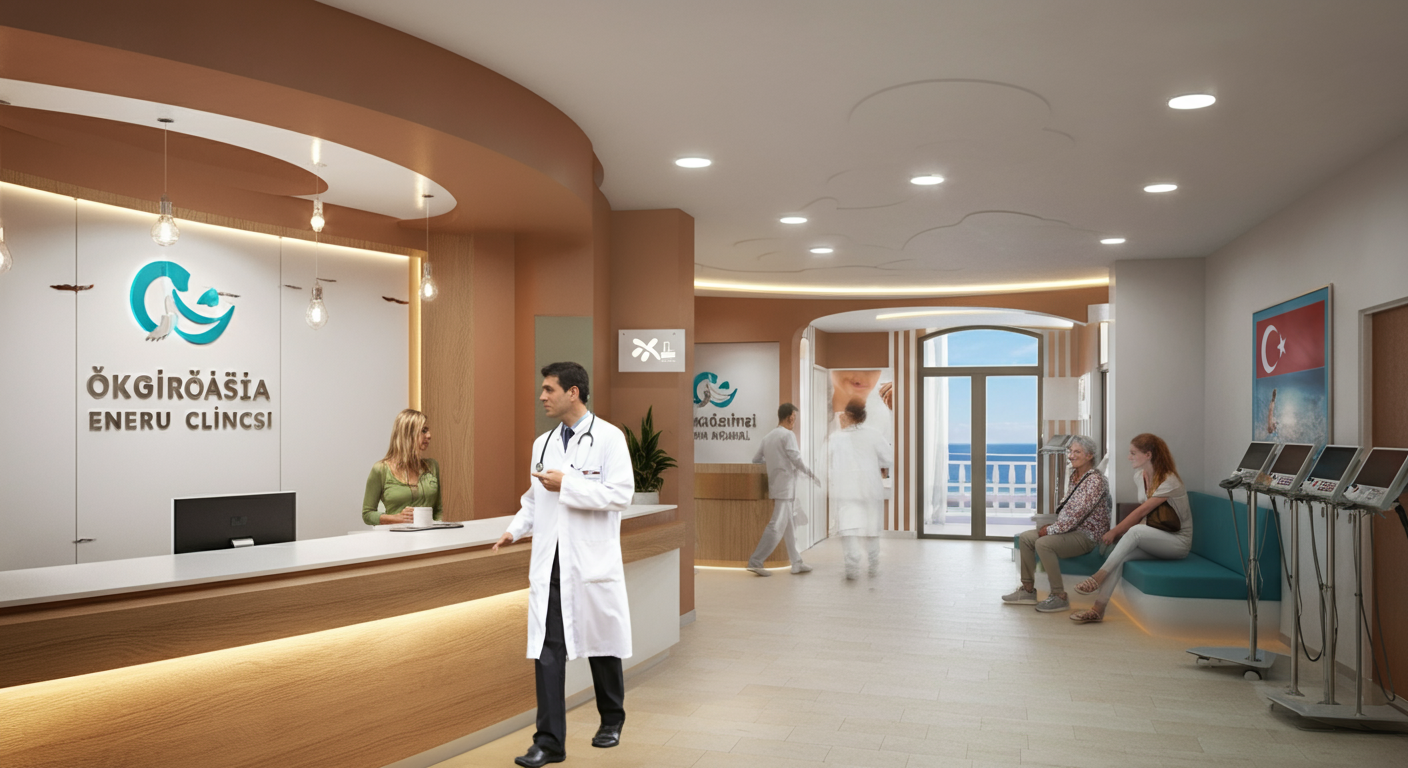
If symptoms are lasting more than 24–48 hours, worsening, or affecting your breathing, heart, or ability to stay hydrated, you should see a doctor. In tourist areas, this is often done via:
- Walk‑in clinics on main resort roads (for example near Adnan Menderes Bulvarı in Marmaris or along the main strip in Hisarönü, Fethiye).
- Outpatient departments ("poliklinik") in hospitals along arterial roads such as the D400 coastal highway that connects Antalya, Fethiye, and Marmaris.
Typical situations to see a doctor:
- High fever that does not settle with basic medicines
- Severe ear pain after swimming (common around bays like Göltürkbükü or Kalkan)
- Suspected chest infection or bad cough
- Moderate allergic reactions
- Worsening asthma symptoms
- Urinary infections
How to arrange a visit:
- Ask your accommodation reception to phone the nearest clinic and check for an English‑speaking doctor.
- Use map apps and search for "medical centre" or "poliklinik" near your area, then call ahead.
- In places like Antalya Lara or Bodrum city centre, many clinics are located just off main roads such as Eski Lara Caddesi and Cafer Paşa Caddesi.
Documents to take:
- Passport (or a clear copy/photo)
- Travel insurance policy details and emergency number
- List of regular medicines and doses (ideally in English)
3. Emergencies: When to Call 112 or Go to "Acil"
For serious problems, use Turkey’s unified emergency number:
- Dial 112 – it works from any mobile or public phone.
- Ask for an ambulance and say, "Ingilizce?" (English?) if you need an English‑speaking operator.
Situations where you should use 112 or go to emergency ("acil"):
- Chest pain or sudden shortness of breath
- Signs of stroke (face drooping, arm weakness, speech problems)
- Severe dehydration, especially in children or older adults
- Serious injuries from road traffic incidents – for example, along busy resort roads like Atatürk Bulvarı in Alanya or near the ring road around Bodrum
- Head trauma, major cuts, or suspected broken bones
- Severe allergic reaction with breathing difficulty or facial swelling
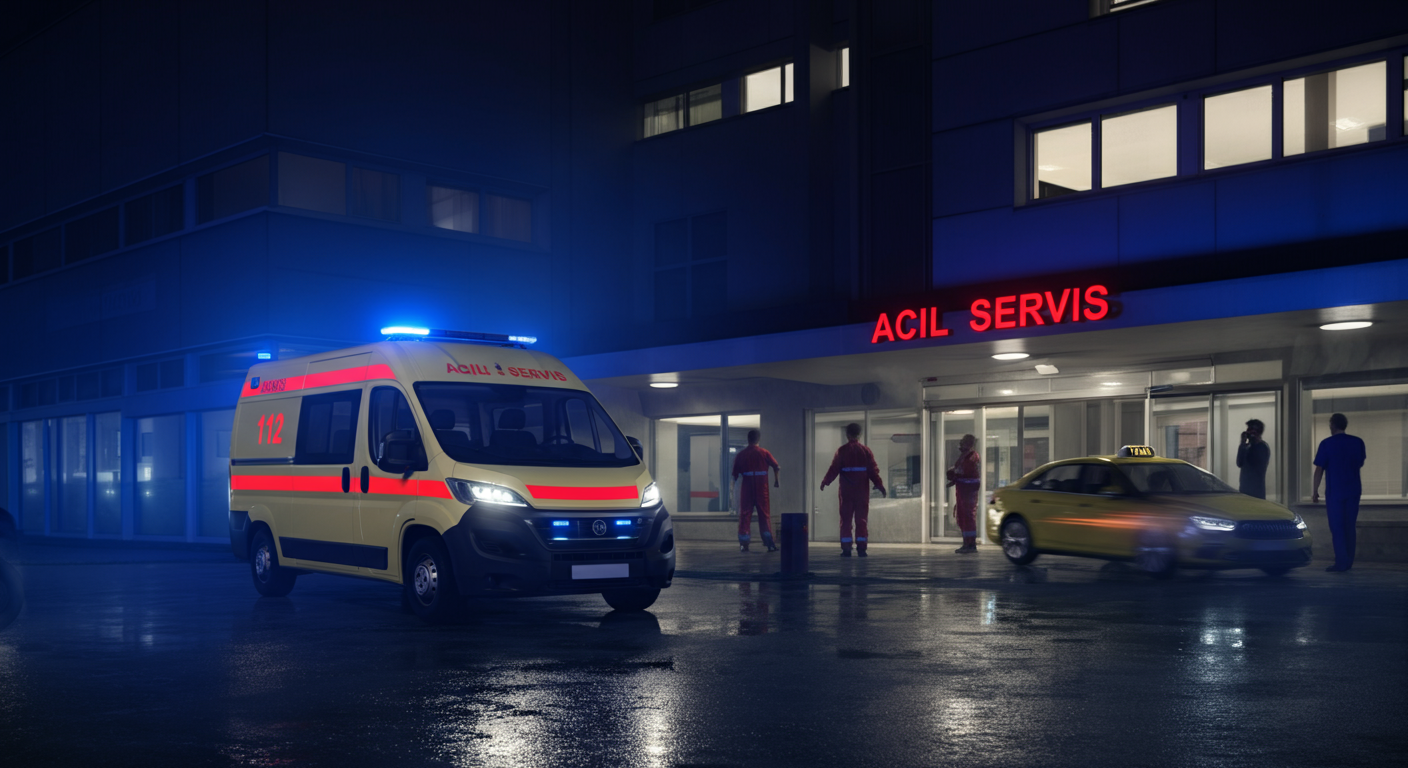
Emergency departments are signed as "Acil Servis". They are usually attached to hospitals located on main arteries such as:
- The D400 highway between Antalya Airport and Lara / Kundu resort belt.
- Muğla–Bodrum road leading into Bodrum from the junction at Konacık.
- Fethiye–Ölüdeniz road where smaller medical centres line the approach into town.
Using Pharmacies (Eczane) Effectively
Finding a Pharmacy Near You
Most Turkish towns and resorts have several pharmacies within walking distance. Typical locations include:
- Close to markets and bazaars (e.g. near the Friday market in Fethiye by Mustafa Kemal Bulvarı).
- On busy main streets such as Güllük Caddesi in Antalya or İskele Caddesi in Kuşadası.
- Along seafront promenades in resorts like Konyaaltı Beach, Didim Altınkum, and Alanya Cleopatra Beach.
Pharmacies normally open during standard business hours on weekdays and shorter hours on Saturdays. On Sundays and at night, each district has a rotating "nöbetçi eczane" (on‑duty pharmacy). Their details are usually posted on pharmacy doors, and hotel reception can check which one is open.
Common Medicines and Local Names
Pharmacies in Turkey stock a wide range of both international and local medicines. Many everyday items are available without a prescription:
- Pain relief: Paracetamol (often labelled with "parasetamol"), ibuprofen, and topical gels for muscle pain.
- Stomach issues: Anti‑diarrhoeal tablets, rehydration sachets, mild anti‑spasmodics for cramp, and probiotics.
- Allergy and bites: Antihistamine tablets and creams, soothing gels for mosquito bites (useful near wetlands such as those around Dalyan).
- Sun and skin: High‑factor sun creams, after‑sun gels with aloe vera, and creams for heat rash.
UK-friendly tip: Take photos of your regular UK medicines (front of box and list of ingredients) before travelling. This helps the pharmacist suggest the nearest Turkish equivalent.
Costs and Payment at Pharmacies
Medicine prices are regulated in Turkey, so they are often lower than in the UK, especially for generic drugs. As an approximate guide (subject to change):
- Basic painkillers: from around the equivalent of £1–£3 per pack.
- Rehydration salts or anti‑diarrhoeal tablets: around £2–£6.
- Sunburn or bite creams: around £3–£10, depending on brand and size.
Most pharmacies accept cash (Turkish lira) and many in tourist areas accept cards. Always keep receipts; they may be useful for travel insurance claims or if you need to show what you have already taken to a doctor.
Clinics, Hospitals and Emergency Care
Types of Medical Facilities Tourists Use
You may encounter several types of healthcare facilities:
- Small local clinics: Often on or just off main tourist streets like Cumhuriyet Caddesi in Marmaris or Barbaros Caddesi in Kaleiçi. Useful for straightforward issues and quick consultations.
- Larger private hospitals: Usually placed along main roads and ring roads for easy access by ambulance – for example, near the Antalya ring road (Çevre Yolu) or on the road from Bodrum to Ortakent.
- Public hospitals: These also accept foreigners but may be busier and less English‑speaking than private options. They are commonly near city centres or main highways.
Appointment, Waiting Times and Language
In tourist regions such as Antalya, Bodrum, Marmaris, and Fethiye:
- Many private facilities offer same‑day or walk‑in appointments.
- Reception staff in busy areas (for instance, around Atatürk Caddesi in Alanya or Liman Caddesi in Kemer) often speak some English.
- You may be asked to fill in a short registration form with your passport details and travel insurance information.
Waiting times can vary, but outside of peak hours many travellers report being seen within 30–90 minutes at outpatient clinics. Emergency departments may prioritise more serious cases first.
Typical Costs for Tourists
Costs depend on region, facility type, and complexity of care, but the following ranges provide a rough idea (always subject to change; check with the facility and your insurer):
- Basic consultation with a GP‑style doctor: often around £20–£60 equivalent.
- Specialist consultation (e.g. cardiology, orthopaedics): commonly £40–£100 equivalent.
- Simple blood tests or X‑ray: usually an additional £20–£80 equivalent, depending on what is done.
- Short A&E visit without admission: fees may be similar to or higher than a regular consultation.
For admissions, surgery, or intensive care, costs can become significant. This is where having travel insurance with high medical cover limits is important.
Travel Insurance and Medical Cover for Turkey
Why You Need Insurance (GHIC/EHIC Not Valid)
For UK residents, the GHIC/EHIC scheme does not apply in Turkey. This means you cannot rely on state‑to‑state arrangements for reduced‑cost care as you might in parts of Europe.
Before travelling, arrange travel insurance that:
- Explicitly covers Turkey (sometimes grouped as "Europe including Turkey" or "Worldwide excluding USA").
- Includes medical expenses and repatriation (medical evacuation back to the UK) to a level you are comfortable with.
- Covers any pre‑existing conditions you have, declared and accepted by the insurer.
UK-friendly tip: Always store your insurer’s 24‑hour emergency assistance number in your phone and written down in your wallet, along with your policy number.
How Claims Usually Work
In many cases, you will be asked to pay and then claim back. To make this smoother:
- Ask for an itemised invoice showing what was done (consultation, tests, medicines).
- Ask for medical reports in English where possible. In resorts, doctors are often used to providing this for insurers.
- Keep all receipts, including taxi receipts if you had to travel to a clinic or hospital.
Common Health Issues for UK Tourists in Turkey
Heat, Sun and Dehydration
On the Turquoise Coast and Aegean, temperatures in summer often exceed 30°C, especially along open promenades like Konyaaltı Sahil Yolu, Lara Beach, and the seafront in Kuşadası. Many travellers experience:
- Sunburn from spending long periods on beaches like Ölüdeniz Belcekız Plajı or Patara Beach.
- Heat exhaustion or mild heat stroke after walking steep streets, such as the steps around Bodrum Castle or the uphill lanes in Kaş.
Simple rule: Drink water regularly, wear a hat, and avoid the strongest sun between roughly 11:00 and 15:00, particularly on exposed coastal paths.
Food, Water and Stomach Upset
Turkish food is generally high‑quality and freshly prepared, especially in busy areas with high turnover – for example around Kordon Boyu in Izmir or the restaurant streets off Atatürk Caddesi in Fethiye. However, a sudden change in diet, heat, and dehydration can still trigger stomach upset.
Practical tips:
- Prefer busy eateries where local families are eating.
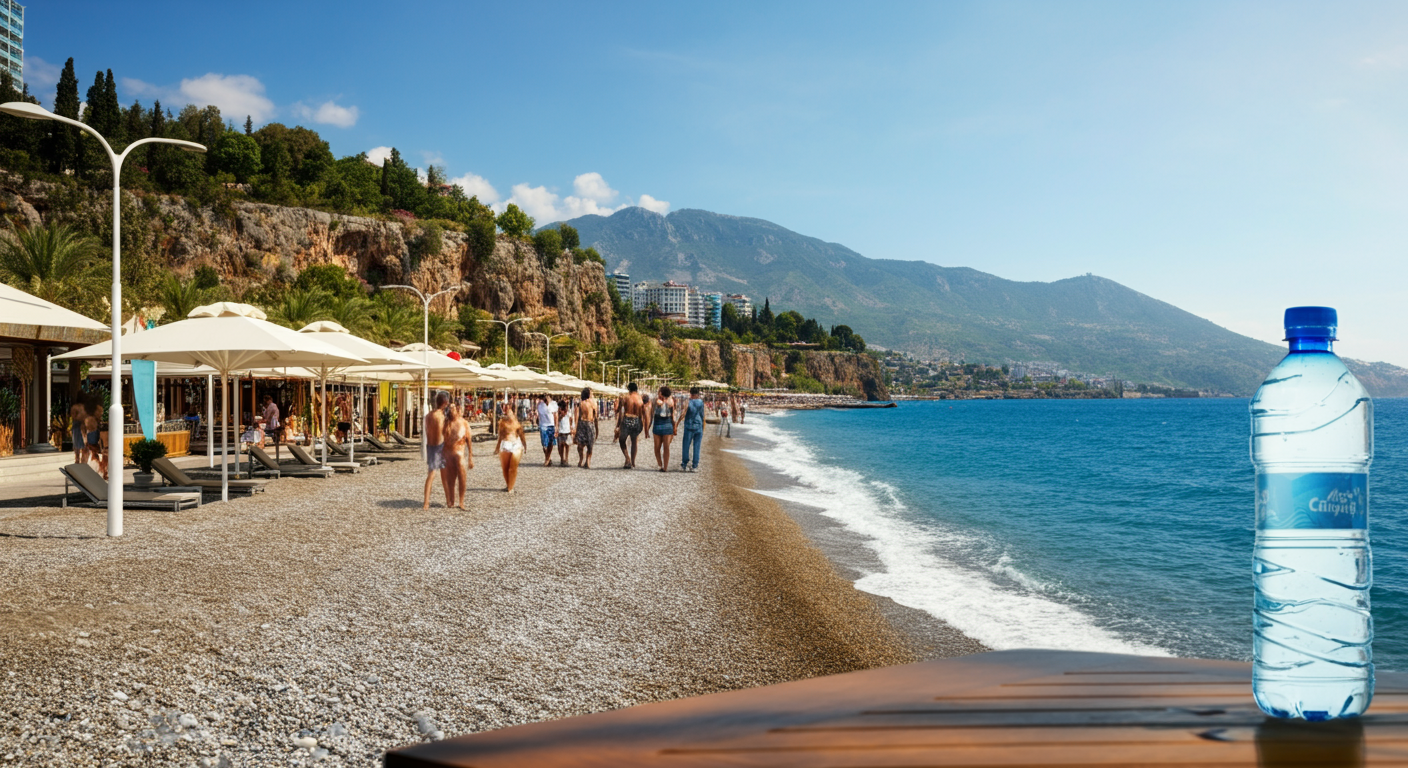
- Drink bottled water; in most resort towns, it is standard to use bottled rather than tap water for drinking.
- Wash hands or use sanitiser before meals, especially after markets such as the Tuesday market in Manavgat.
Insect Bites and Allergies
Near wetlands, gardens, and coastal pine forests (for example around Ovacık and Hisarönü, or along the river in Dalyan), mosquitoes and other insects are common in the evenings.
- Use insect repellent when sitting outside at night.
- Carry antihistamine tablets if you know you react strongly to bites.
- For swelling or rash, a pharmacist can usually recommend a cream; if breathing is affected, seek emergency care immediately.
Medicines from the UK: What to Bring and Turkish Rules
Bringing Your Own Medication
Many travellers bring regular medicines and a basic first‑aid kit. When flying into airports such as Antalya (AYT), Dalaman (DLM), Bodrum–Milas (BJV), or Izmir Adnan Menderes (ADB):
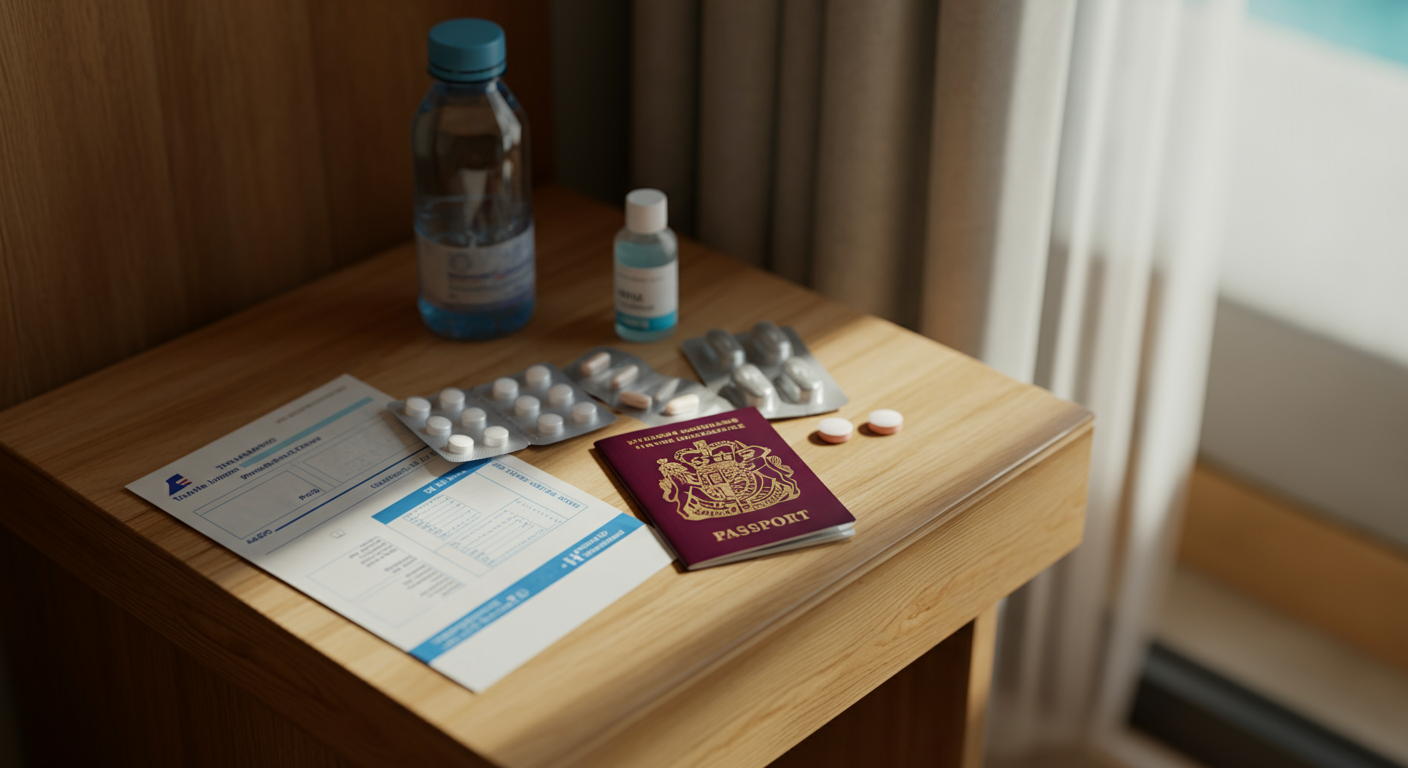
- Keep prescription medicines in original packaging with your name on the label.
- Carry a copy of your repeat prescription or a GP letter for higher‑risk medicines.
- Pack a small supply of your usual painkillers, antihistamines, and any inhalers.
Some strong painkillers, sedatives, and medicines containing controlled substances may be tightly regulated. If you rely on these, check official UK and Turkish guidance before travelling.
Replacing Lost or Forgotten Medicines
If you lose your medicines, start at a pharmacy:
- The pharmacist may be able to provide an equivalent over the counter if it is a simple drug.
- For prescription‑only items, you may need to see a doctor to get a Turkish prescription.
- In bigger resorts, doctors are used to issuing short‑term prescriptions for travellers, particularly around central streets like Atatürk Bulvarı in Side or Şehitkamil Bey Mahallesi in Gaziantep when serving domestic tourists.
Getting Around for Medical Visits
Local Transport: Dolmuş, Taxi and On Foot
If you need to visit a pharmacy or clinic and it is not within walking distance, you can typically use:
- Dolmuş (shared minibuses): Common routes such as the KL08 dolmuş between Antalya city centre and Konyaaltı Beach, or the minibus lines running from Fethiye town centre to Çalış Beach and Hisarönü, often pass near medical facilities on the main roads.
- Taxis: Available from marked taxi ranks near main squares and hotel belts. In areas like Lara Turizm Yolu or along Bodrum’s Neyzen Tevfik Caddesi, taxis are common and can be hailed easily.
- On foot: In compact old towns such as Kaleiçi in Antalya or the centre of Bodrum, many pharmacies and clinics are within 5–15 minutes’ walk from the harbour or main square.
UK-friendly tip: If using a taxi for a medical visit, ask the driver to drop you at "acil servis girişi" (emergency entrance) or "poliklinik girişi" (outpatient entrance), depending on how urgent your situation is.
Food, Drink and Staying Well
Local Food and What to Expect
Turkish cuisine is generally fresh and based on vegetables, grilled meats, olive oil and bread. In coastal resorts you will often see:
- Fresh fish restaurants along waterfront streets like Reis Deresi Caddesi in Fethiye or around Bodrum Marina.
- Traditional bakeries on side streets selling simit (sesame ring bread) and pide (flatbread with toppings).
- Street vendors offering çay (tea) and taze ekmek (fresh bread) in morning markets.
Many travellers find that eating a lighter Turkish breakfast – often including olives, tomatoes, cucumber, white cheese, boiled eggs and fresh bread – helps them cope better with the heat compared to a very heavy fried meal.
Hydration and Alcohol
Alcohol is widely available in tourist areas but can worsen dehydration, particularly when combined with sun exposure on beaches such as Lara, Gümbet or Marmaris Uzunyalı.
- Alternate alcoholic drinks with water.
- Carry a refillable bottle and top up with bottled water during the day.
- Look out for shade in café areas along streets like Atatürk Caddesi or waterfront promenades.
Practical Information Summary
- Emergency number: 112 (ambulance, police, fire – specify you need medical help).
- Words to know: "eczane" (pharmacy), "doktor" (doctor), "hastane" (hospital), "acil" (emergency), "randevu" (appointment).
- Payment: Expect to pay at point of care; keep receipts and medical reports.
- Insurance: GHIC/EHIC not valid; travel insurance with medical cover is strongly recommended.
- Where to go first: Pharmacy for minor issues, clinic or hospital outpatient for ongoing or more serious problems, 112 / "acil" for emergencies.
For choosing where to base yourself, you may find it useful to read about family‑friendly Antalya areas, or compare medical access when deciding between Bodrum and Antalya. For those planning self‑drive trips, understanding distances between hospitals can also help when reading our guide on road trips along Turkey’s coast.
FAQ
Is healthcare in Turkey good for tourists?
Many UK visitors report that healthcare in Turkish tourist regions is modern and efficient, especially in private clinics and hospitals along major routes such as the D400. Facilities in large coastal cities like Antalya and Izmir are often well equipped, with staff used to treating international visitors. As with any destination, the standard can vary, so using travel insurance support and local recommendations can help you choose where to be seen.
How do I pay for medical treatment in Turkey?
You usually pay the clinic or hospital directly, either in Turkish lira or by card. After treatment, request an itemised invoice and medical report. You then submit these documents to your UK travel insurer for reimbursement, depending on your policy’s terms. Some insurers may be able to issue a guarantee of payment directly to the hospital for larger bills, but this normally requires contacting their emergency assistance team first.
Can I get British medicines in Turkey?
Exact UK brands may not always be available, but pharmacists can often provide Turkish or international equivalents containing the same active ingredient. Bringing photos or packaging of your regular medicines helps. For prescription‑only drugs, especially for long‑term conditions, you should travel with an adequate supply and a copy of your prescription, as not everything can be easily replaced.
What should I do if I need a doctor at night?
For non‑emergencies at night, hotel reception can often call a duty doctor or advise on the nearest on‑duty pharmacy ("nöbetçi eczane"). In more serious situations – such as chest pain, difficulty breathing, severe injury or sudden confusion – call 112 or go to the nearest hospital emergency department ("acil").
Are Turkish pharmacies allowed to diagnose and prescribe?
Pharmacists in Turkey have more flexibility than in the UK for minor conditions and can often suggest treatment without a doctor’s prescription for straightforward problems. However, they cannot replace full medical assessment for more serious or persistent symptoms. If your condition does not improve, or the pharmacist advises it, you should see a doctor at a clinic or hospital.
Do I need vaccinations to travel to Turkey?
Recommendations can change, and they depend on your personal health and travel plans. Many UK travellers visiting coastal resorts on short holidays follow standard UK vaccination schedules only, but if you are unsure, you should check the latest guidance from official UK health sources or speak to your GP or a travel clinic before departure.

Melis Yıldız
Editör"Modern konfor ve estetik detaylara önem veren Melis, lüks oteller ve tasarım butik konaklamalar üzerine uzmanlaşmıştır."
Guides About
Istanbul Public Transport Guide: Istanbulkart, Metro, Tram & Ferry Explained
İstanbul'da ulaşım karmaşasına son verin! İstanbulkart, metro, tramvay, otobüs ve feribot gibi toplu taşıma ağlarını kolayca anlayın.
Best Istanbul Photo Route: 1-Day Viral Shots (Golden Hour & Crowd Strategy)
İstanbul'un en viral fotoğraf noktalarını keşfedin! Boğaz, Galata ve Tarihi Yarımada'da 1 günde, ışık saatleri ve kalabalık stratejileriyle mükemmel kareler yakalayın.
Istanbul Budget Planner: Economical, Balanced & Comfortable Spending Modes Guide
İstanbul gezinizi bütçenize uygun planlayın! Ekonomik, dengeli veya rahat modlarla harcama mantığını keşfederek şehri doyasıya yaşayın.
Istanbul with Kids Guide: Baby & Toddler Checklists | Hot Weather & Rainy Day Plan
İstanbul'da çocukla gezmek artık çok kolay! Bebek/çocuk kontrol listeleri ve öğle sıcağı/yağmur için özel İstanbul gezi planları bu rehberde.
Istanbul Walkable Neighborhoods: 2-3 Hour Walking Routes & Map Guide
İstanbul'un en güzel semtlerini yürüyerek keşfedin! Tarihi yarımada ve Boğaz çevresindeki 2-3 saatlik mini rotalarla şehri deneyimleyin.

Istanbul Mosque Guide for Tourists: Dress Code, Photography & Prayer Times
İstanbul camilerini ziyaret edecek turistler için giyim, saat ve fotoğraf kuralları rehberi. Cami ziyaretinizden önce bilmeniz gereken tüm detayları basitçe öğrenin.
Istanbul Travel Tips: Avoid Scams & Surprises (Taxis, Restaurants, Tours)
İstanbul'da taksi, menü ve tur sürprizleri yaşamadan güvenle gezmek için basit kuralları keşfedin. Dolandırılmadan keyifli bir İstanbul deneyimi için ipuçları burada.
Istanbul Evening Guide: Safe & Fun Activities & Plans for Families, Couples & Solo Travelers
İstanbul'da akşam ne yapılır? Aile, çift veya tek kişi için Boğaz turu, tarihi mekanlar ve güvenli eğlence seçenekleriyle dolu rehberimizi keşfedin.
Istanbul Rainy Day Itinerary: Indoor Museums, Bazaars & Cafes
İstanbul'da yağmurlu havalarda sıkılmayın! Müzeler, tarihi çarşılar ve şirin kafelerle dolu kapalı mekan rotalarıyla keyifli bir gün geçirin.
Istanbul Sunset Spots: Crowd-Free Hours & Best Sunset Walk Routes
İstanbul'da kalabalıktan uzak gün batımı noktaları ve Boğaz'da eşsiz sunset walk rotalarıyla şehrin büyüsüne kapılın.
Istanbul 1-Day Itinerary: Europe to Asia Route (Hour-by-Hour & Walking Guide)
İstanbul'da bir günde Avrupa'dan Anadolu'ya geçiş rotasını keşfedin! Saat saat planlanmış bu eşsiz gezi rehberiyle iki kıtayı yürüme seviyenize göre deneyimleyin.

Sabiha Gökçen (SAW) to Istanbul Transfer: Easiest Options Guide
Sabiha Gökçen (SAW) havalimanından İstanbul şehir merkezine en kolay ulaşım (metro, Havabüs, taksi) seçeneklerini ve saatinize göre en mantıklı yolu keşfedin.
Istanbul Airport (IST) Transfer Guide: Taxi, Metro, or Private for Late Night Arrivals
İstanbul Havalimanı (IST) gece varışı için taksi, metro veya özel transfer mi? İstanbul'a en hızlı ve konforlu ulaşım seçeneğini keşfedin.

Istanbul Public Transport Guide: Metro, Tram and Ferry Logic
İstanbul'da ulaşımı çözün! Turistler için İstanbulkart nasıl alınır, T1 Tramvay, M2 Metro ve vapur kullanımı, taksi tuzaklarından korunma rehberi.

First Time in Istanbul: 3–5–7 Days Ready Itinerary
İstanbul'u yorulmadan ve kaybolmadan gezmek isteyenler için saat saat planlanmış, en verimli 3 günlük, 5 günlük ve 7 günlük hazır turistik gezi rotası.

Where to Stay in Istanbul? Area & Base Selection Guide
İstanbul'da ilk kez nerede kalınır? Sultanahmet, Karaköy, Taksim, Beşiktaş ve Kadıköy bölgelerinin detaylı, artı-eksi analizli, ulaşım odaklı konaklama rehberi.
Best Instagram and Photo Spots in Fethiye Route
Ultimate Fethiye Instagram and photography SEO guide list. Find the best spots: Butterfly Valley viewpoint cliff, Babadag glass terrace, and Ghost Town.

Fethiye Budget Planner: Travel Costs and Saving Tips
Ultimate SEO Fethiye holiday budget planner. Is Fethiye expensive? Guide to food prices, transport, boat trips, and saving tips for smart travelers.

Fethiye with Kids: Family Holiday Travel Guide
Ultimate family SEO travel guide to Fethiye with kids and toddlers. Best shallow beaches, stroller-friendly hotels, and safe family boat trips listed.
Best Time to Visit Fethiye: Month by Month Weather Guide
When is the best time to go to Fethiye? Detailed SEO weather guide month by month. Summer peaks, autumn sea temperatures and spring trekking tips.
Fethiye Best Beaches and Bays Guide
Comprehensive SEO guide to Fethiye's best beaches. Compare Blue Lagoon, Belcekiz pebbles, Calis beach wind, and hidden Kidrak/Kabak bays.
Lycian Way Fethiye Routes Guide
Ultimate Guide to starting the Lycian Way from Fethiye (Ovacik, Faralya, Kayakoy). Daily hiking routes, trails, maps, and offline tips with full SEO tables.
Tlos Ancient City & Yakapark Day Trip Guide
Ultimate Fethiye day trip SEO guide: Morning at Tlos Ancient City and Lycian rock tombs, afternoon lunch at Yakapark waterfalls, and Saklikent alternatives.
Saklikent Gorge Guide: The Icy Cold Canyon
Ultimate SEO guided Fethiye Saklikent Gorge and Canyon travel guide. Tips for hiking the icy river, mud baths, and comparing Gizlikent Waterfall.
Best 5 Sunset Spots in Fethiye
Where to watch the best sunset in Fethiye? Detailed SEO guide for Calis beach, Babadag 1700m, and Sovalye island sunsets with tables and tips.
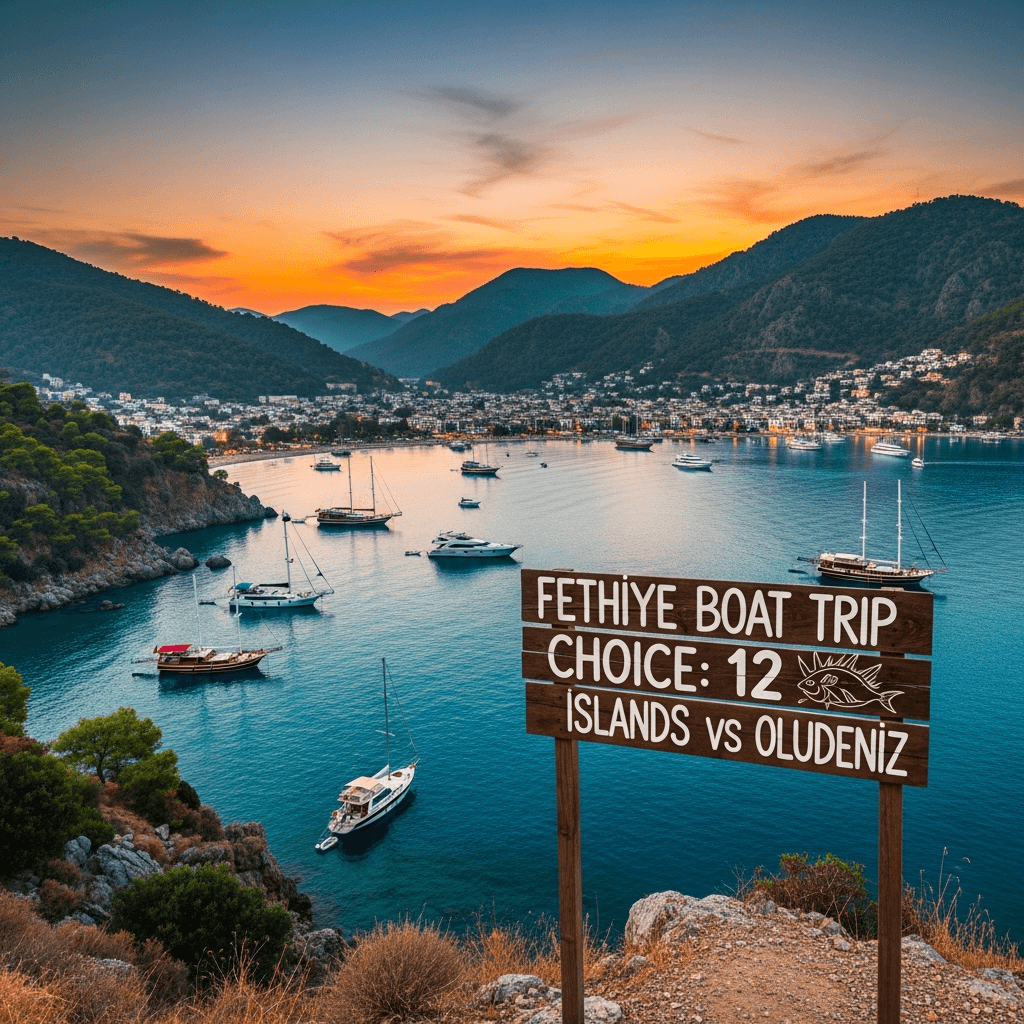
Fethiye Boat Trip Choice: 12 Islands vs Oludeniz
Ultimate comparison between the 12 Islands Boat Trip and the Oludeniz Butterfly Valley boat tour. Detailed SEO travel guide with tables and tips.
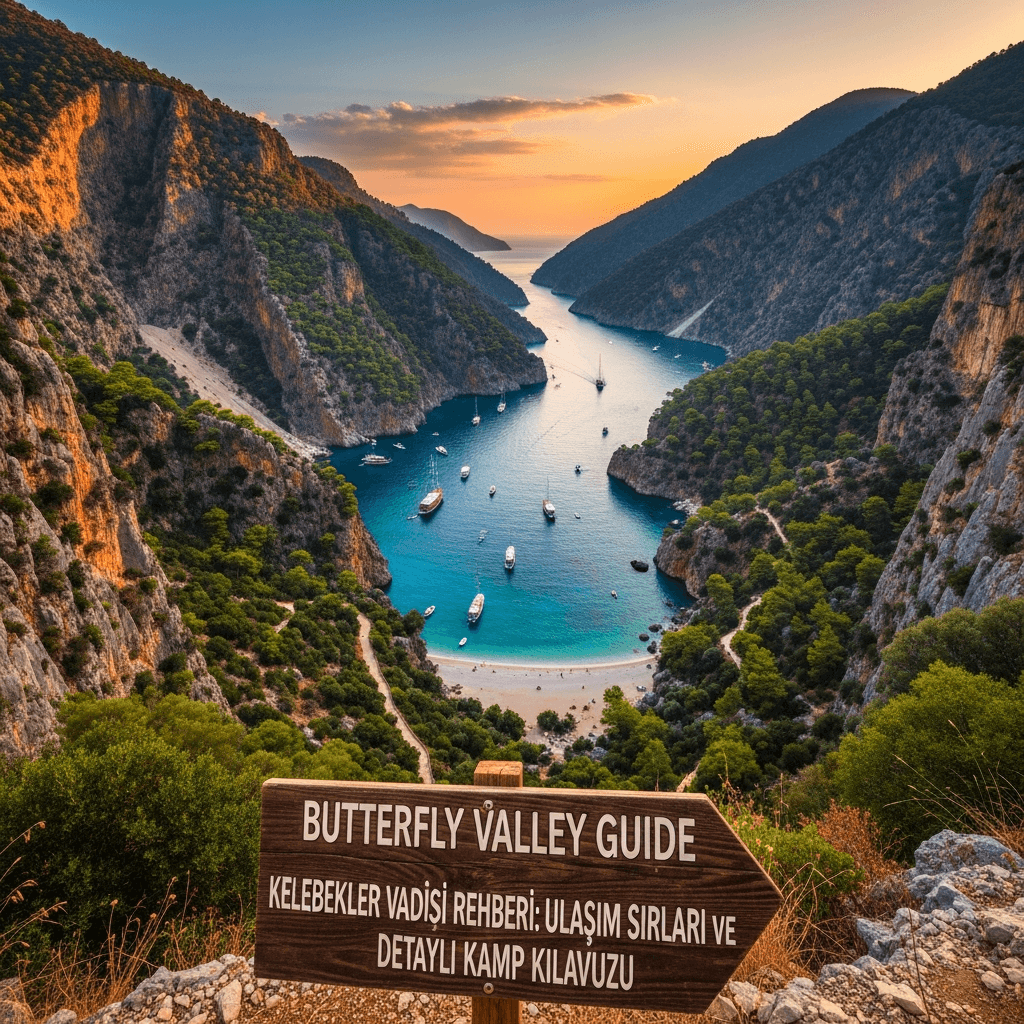
Butterfly Valley Guide
Ultimate SEO guided Fethiye Butterfly Valley travel guide. How to get there by boat or hike, best camping spots, and waterfall trekking tips.
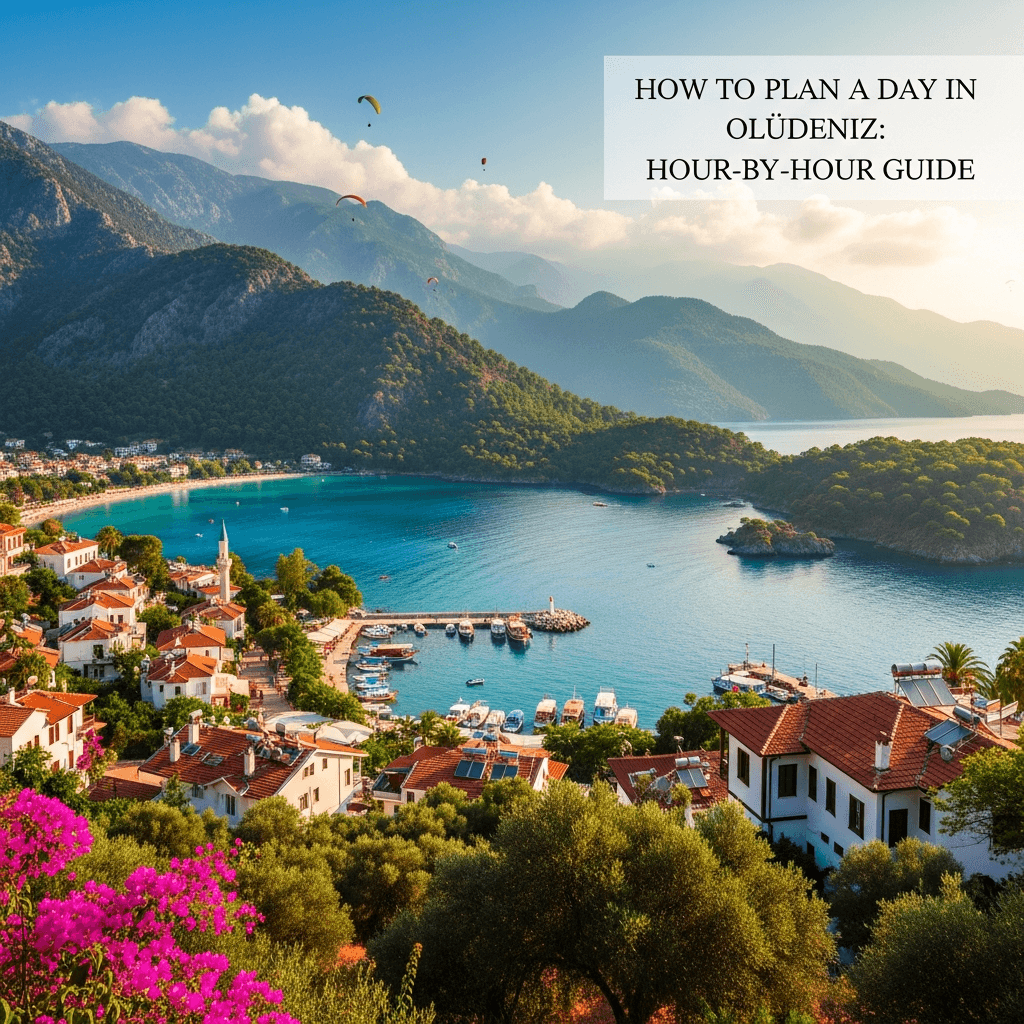
How to Plan a Day in Oludeniz: Hour-by-Hour Guide
An hour-by-hour itinerary for visiting Oludeniz, Kumburnu Blue Lagoon, Belcekiz beach, and the Babadag cable car. Essential tips for your holiday.
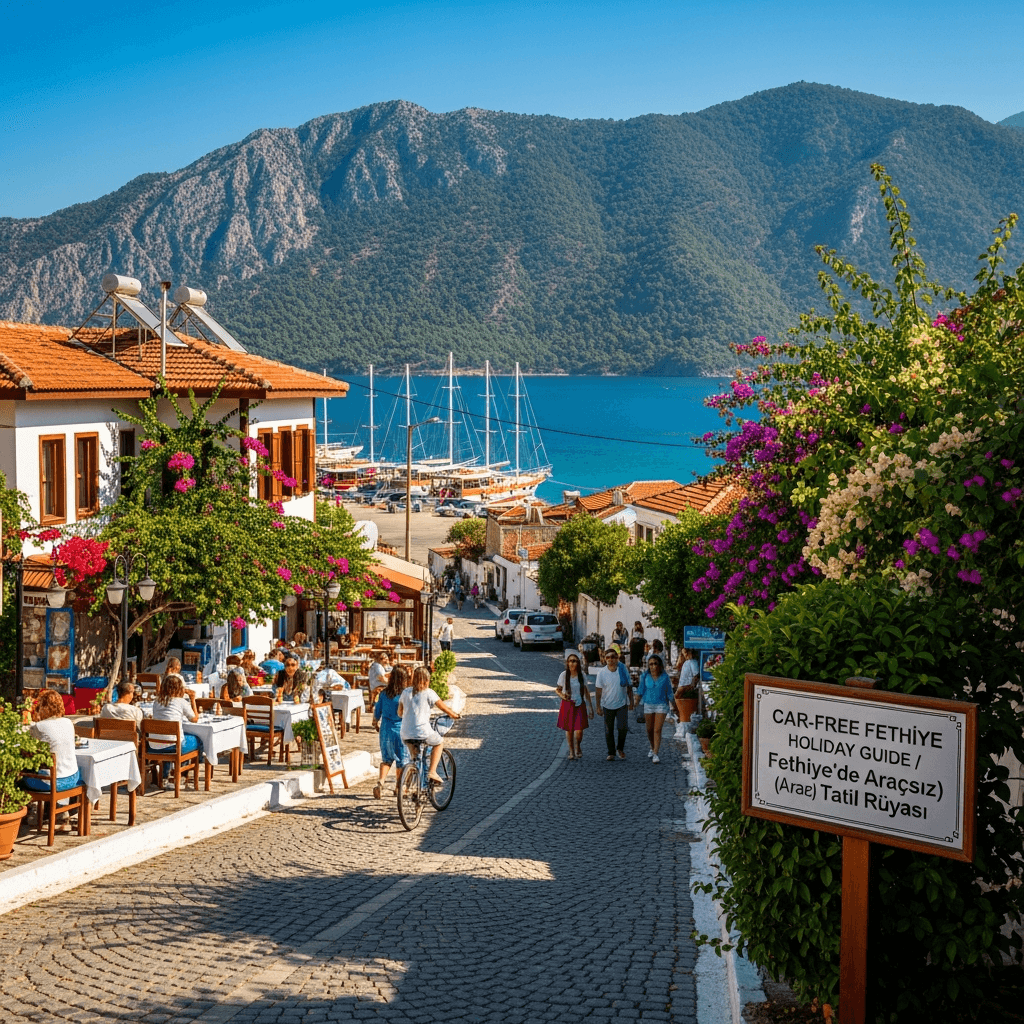
Car-Free Fethiye Holiday Guide
Discover how to enjoy a completely car-free holiday in Fethiye. Full transportation guide including water taxis, local dolmus, and walking trails.
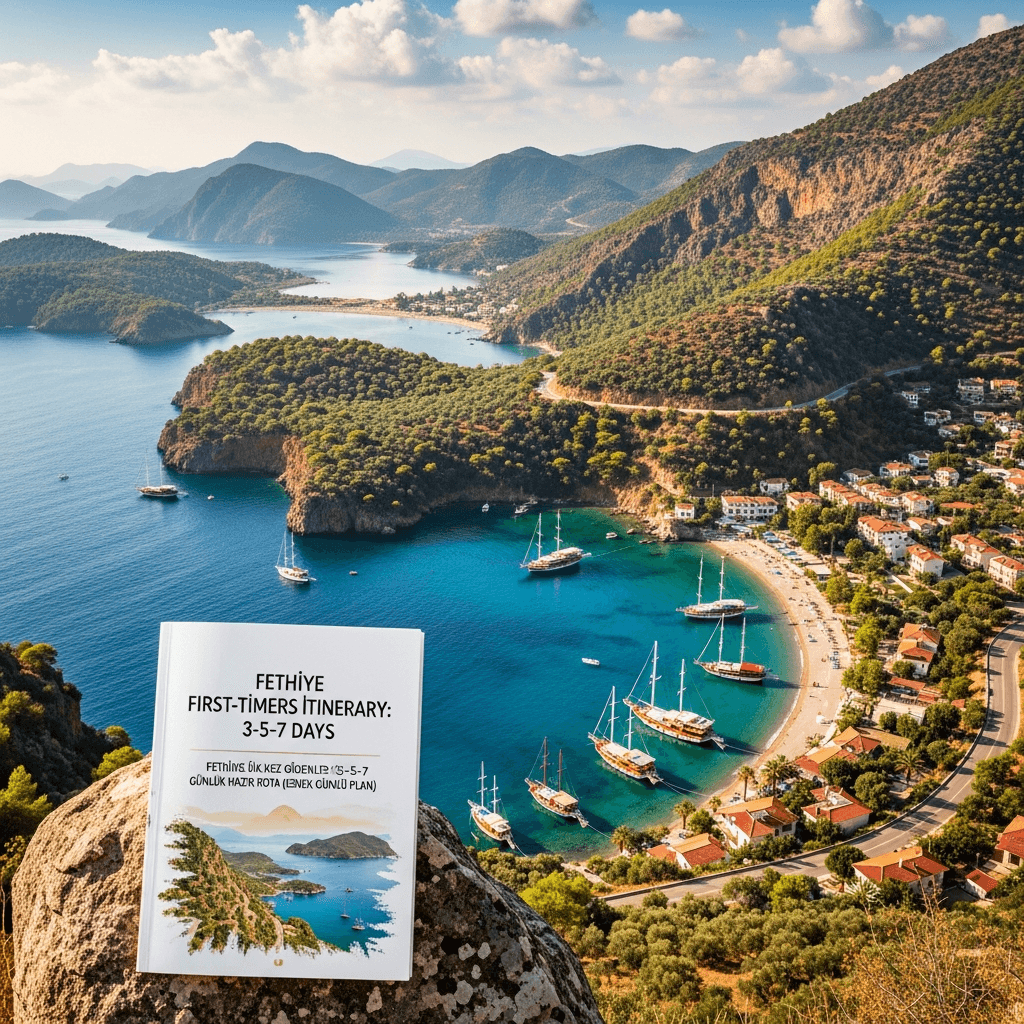
Fethiye First-Timers Itinerary: 3-5-7 Days
An optimized and flexible 3, 5, or 7-day itinerary for your first visit to Fethiye. Unmissable spots like Oludeniz, Saklikent Gorge and Babadag.
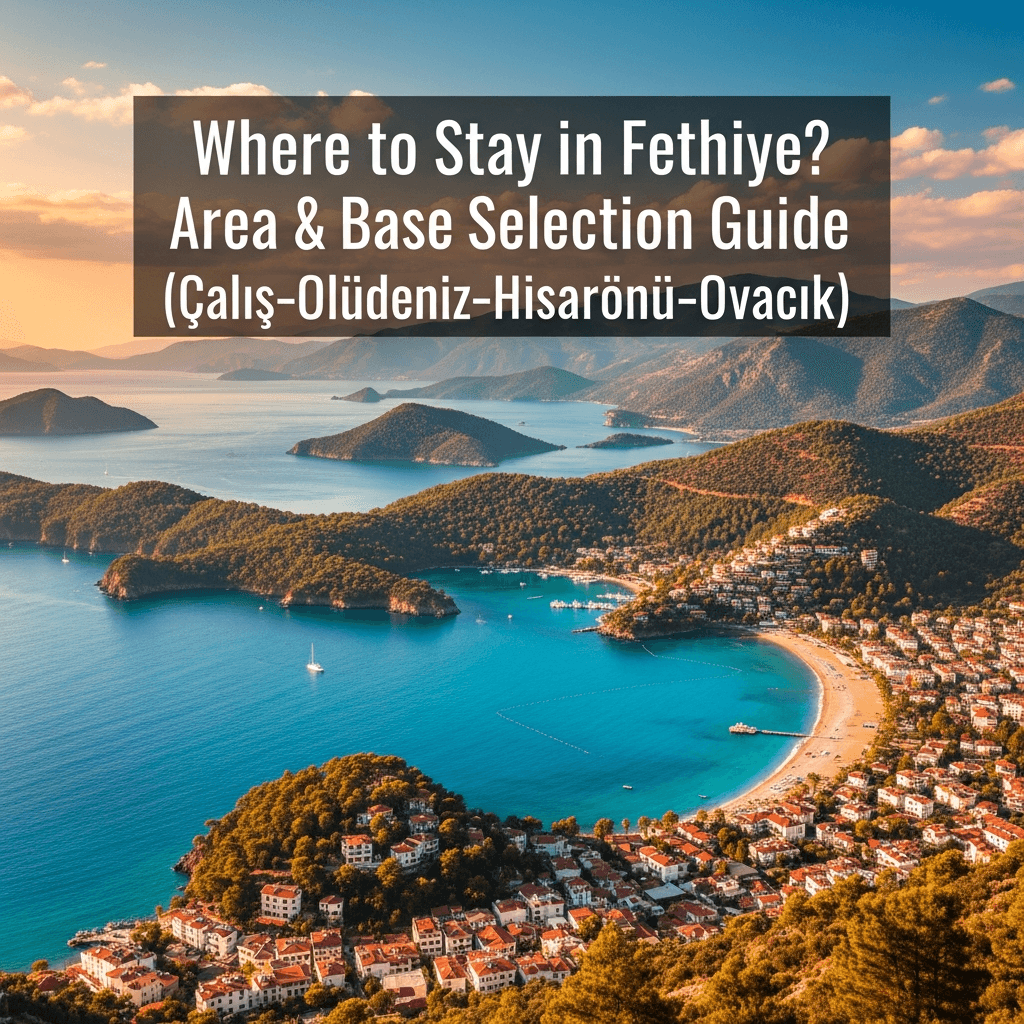
Where to Stay in Fethiye? Area & Base Selection Guide
Where to stay in Fethiye, Turkey? An extensive area-by-area guide choosing between Calis Beach, Oludeniz, Hisaronu, Ovacik and the Town Center.
Did you find this guide helpful?
Check out our other guides to discover more hidden gems in .
Explore All Guides