Driving in Turkey as a UK Traveller: Rules, Confidence Tips, and What to Expect
Clear guide for UK travellers driving in Turkey: rules, right-hand driving, tolls, local tips, and what to expect on roads from Antalya to Bodrum and Cappadocia.
Hızlı Özet
- • best places to visit
- •Local restaurant and cafe recommendations
- •Accommodation options and price ranges
- •Transportation info and tips
Table of Contents
Driving in Turkey as a UK Traveller: Rules, Confidence Tips, and What to Expect
- Drive on the right; roundabouts and junctions in places like Konyaaltı (Antalya) and Bodrum town can feel fast and assertive.
- Licence: UK photocard licence is typically accepted for short tourist stays; check if an IDP is needed before travel.
- Carry at all times: Licence, passport, rental agreement, and insurance details.
- Usual speed limits: 50 km/h town, 90 km/h main roads, up to 120 km/h motorways – always follow local signs.
- Tolls: Motorways and some bridges use electronic HGS tags; most hire cars already have them.
- Alcohol: Limits are strict; safest approach is no alcohol if you are driving.
- Where it feels easier: Coastal routes and Cappadocia; more intense in Istanbul, Ankara and central Antalya.
- Simple rule: Indicate early, keep your lane, allow space for dolmuş minibuses and scooters.
Driving in Turkey with a UK licence is workable if you plan sensibly: avoid heavy city traffic, focus on coastal and rural routes, learn basic rules (right-hand driving, electronic tolls, common speeds), and give yourself a half-day to adjust before attempting longer trips.
Essential Legal Rules for UK Drivers
Licence, Age and Documents
For short holidays many UK travellers drive using only their UK photocard licence, but requirements can change. Check official UK and Turkish guidance before you fly.
- Licence: UK photocard generally recognised; paper licences are less practical.
- IDP: Sometimes advised; confirm current rules if staying longer or outside tourist areas.
- Typical hire age: Often 21+; sometimes 23–25+ for larger cars or SUVs; young driver surcharges may apply.
- Always carry: Licence, passport, rental contract, and proof of insurance in the car.
Vehicle, Insurance and Equipment
At airport rental desks (Dalaman, Antalya, Bodrum–Milas, Izmir):
- Confirm you have at least third‑party liability (compulsory).
- Consider extra cover (tyres, glass, underbody) if driving rural roads in Cappadocia or in the Taurus foothills.
- Check the car has an HGS toll tag for motorways like O‑31 (Izmir–Aydın) or O‑7 around Istanbul.
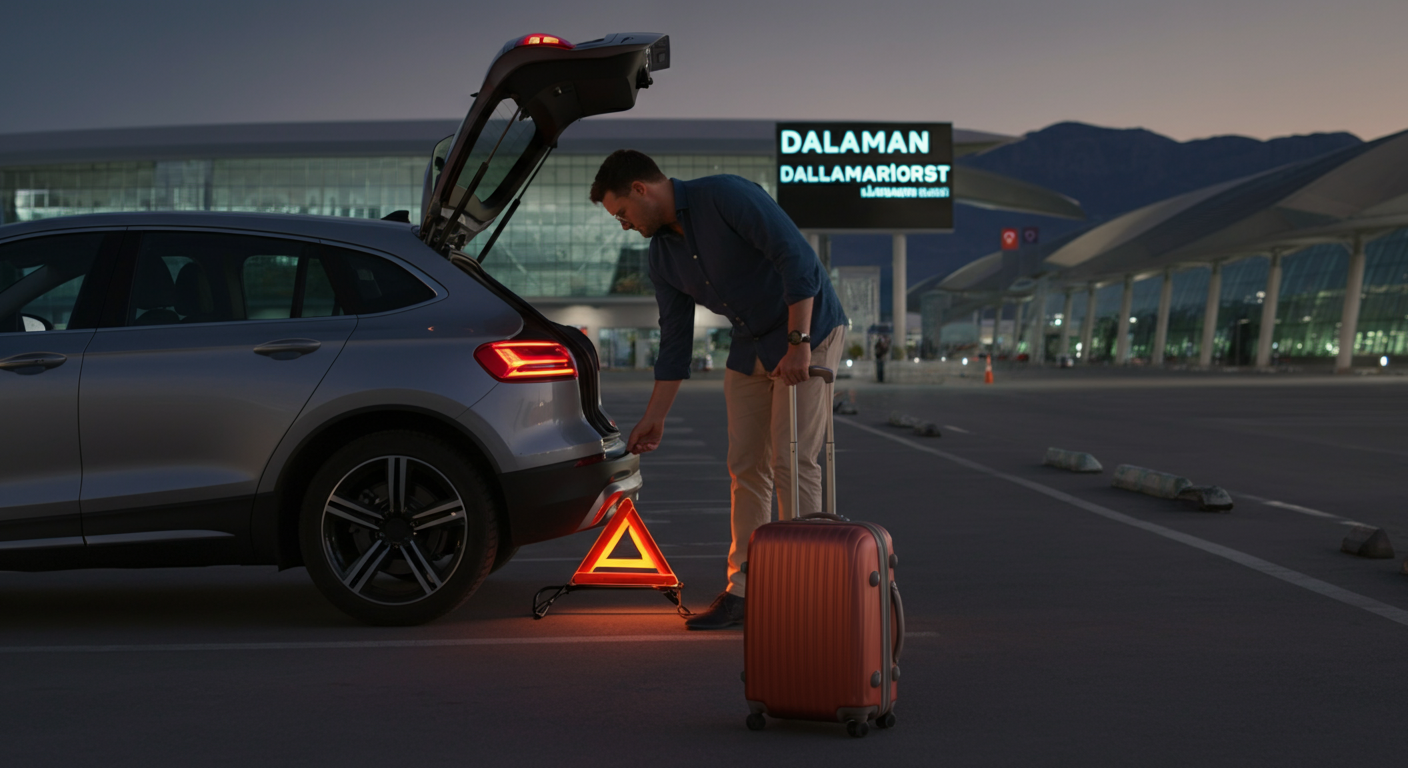
- Look in the boot for a warning triangle and reflective vest.
Simple rule: Before leaving the airport car park, walk once around the car, take photos, and check the boot for the triangle and vest.
Core Road Rules and How They Differ from the UK
Side of Road, Junctions and Crossing Behaviour
- Drive on the right; overtake on the left.
- Roundabouts: Traffic already on usually has priority, but practice varies – slow down and be ready to yield.
- Crossings: Zebra lines on streets like Atatürk Caddesi (Antalya) or İstiklal Caddesi (Istanbul) may not be given as much priority as in the UK; be prepared to stop yet expect other drivers not always to do so.
- Lights: Red means stop; amber is generally treated as prepare to move, but some drivers move early.
Speed Limits and Enforcement
Typical limits (always follow posted signs):
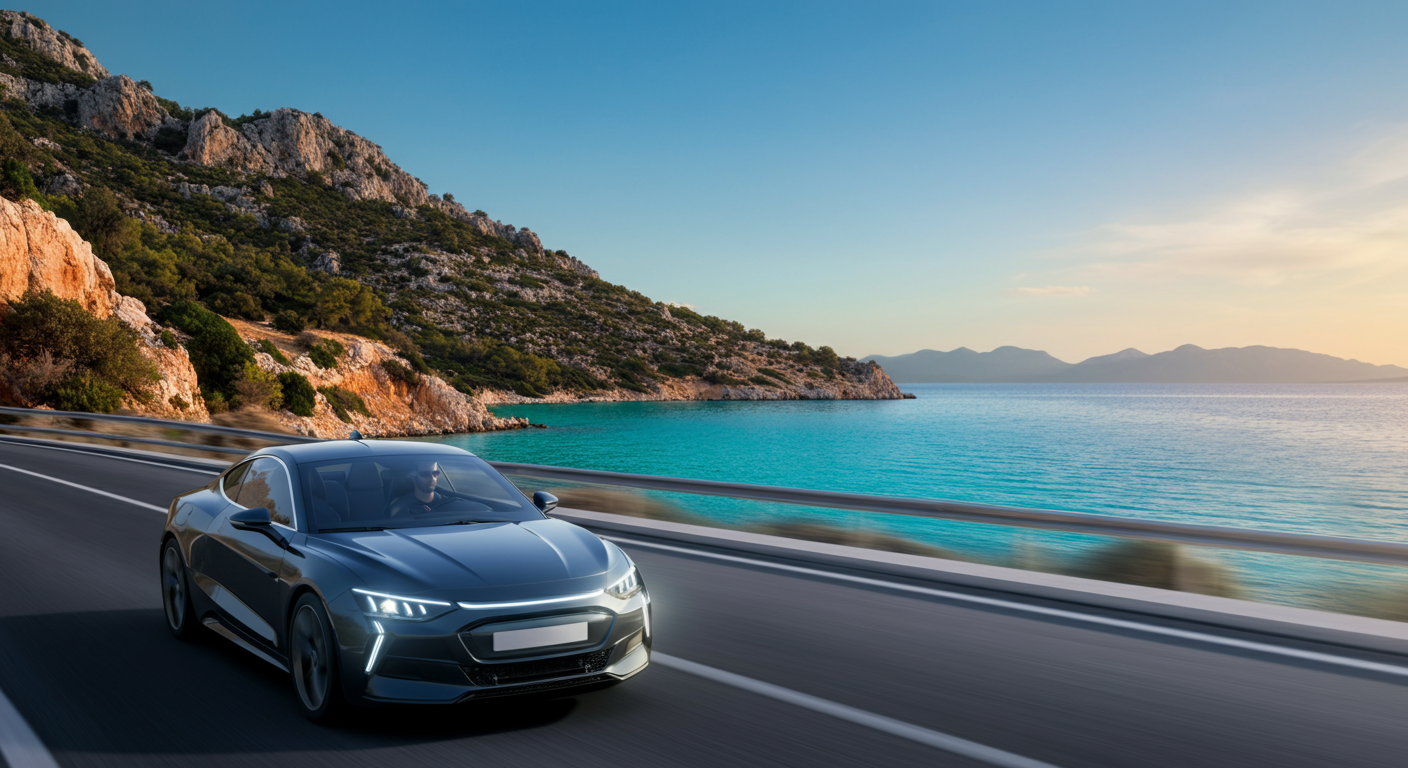
- 50 km/h in built‑up areas – for example central Fethiye, Bodrum town, Antalya city streets.
- 90 km/h on open single‑carriageway roads like sections of the D400.
- Up to 120 km/h on otoyol motorways like O‑5 and O‑31.
Fixed cameras and mobile checks are common on:
- D400 between Antalya–Alanya and Fethiye–Marmaris.
- D330 Milas–Bodrum highway near Torba and Güvercinlik.
- Istanbul ring roads around the Bosphorus bridges.
UK‑friendly tip: Use cruise control on long, straight sections (for example D650 towards Burdur or O‑31 near Aydın) to avoid creeping over the limit.
Alcohol, Seatbelts and Phones
- Alcohol: Limits are strict and penalties can be heavy. Safest approach is to avoid alcohol completely when driving.
- Seatbelts: Required in front; strongly expected in rear. Police may fine for non‑use.
- Children: Use proper child seats; pre‑book them with your hire company.
- Mobiles: Handheld use while driving is not allowed; use hands‑free or stop safely.
Where Driving Feels Easier – and Where It Doesn’t
Generally Comfortable Areas for UK Drivers
Many first‑time drivers in Turkey prefer these regions:
- Fethiye & Ölüdeniz: Straightforward routes along Mustafa Kemal Bulvarı and the road via Ovacık/Hisarönü to Ölüdeniz. The descent is winding but well‑surfaced.
- Kaş & Kalkan: D400 coastal road offers clear signposting and superb views; expect bends but predictable traffic.
- Bodrum Peninsula: Roads between Bodrum, Bitez, Ortakent and Yalıkavak are well used with frequent signs; some hills and tight bays but manageable.
- Cappadocia: Open roads between Göreme, Avanos, Uçhisar and Ürgüp, generally light traffic and good visibility.
More Challenging Environments
- Istanbul: Heavy, fast traffic on E‑5 and TEM (O‑2), complex junctions at bridge approaches, tight parking near Sultanahmet and Taksim.
- Ankara: Wide multilane roads, underpasses and flyovers; intense during rush hours.
- Central Antalya: Busy streets around Lara, Konyaaltı and Kaleiçi; trams, buses, taxis and tourists all mixing.
- Old town areas: Narrow lanes in places like Antalya Kaleiçi and Bodrum’s backstreets can be awkward even for locals.
Simple rule: Use public transport or taxis in big city centres; reserve the car for coastal legs, Cappadocia and intercity routes.
Turkish Driving What to Expect
Common Local Habits
- Assertive lane changes: On D400 near Antalya Airport or D550 north of Izmir, drivers may switch lanes quickly with short signalling.
- Tailgating: Often seen on single‑carriageway stretches; keep calm, hold a safe speed, pull into a lay‑by if needed.
- Horns: Frequently used as a light warning – for example when passing on village roads.
- Scooters: Around Bodrum Marina Road or Konyaaltı beachfront, scooters filter between cars and use the edges of the lane.
- Dolmuş minibuses: On routes like Antalya’s LC07 (Konyaaltı–Otogar) or the Fethiye–Ölüdeniz line, drivers may pull in and out often to pick up passengers.
Confidence‑Building Tips
- Start with a short practice loop near your base: for example, Bodrum centre to the Kumbahçe viewpoint and back, or Fethiye harbour along Karagözler Caddesi.
- Avoid night driving on unfamiliar rural roads; animals, tractors and pedestrians may be unlit.
- Stick to key roads: D400 (Mediterranean coast), D550 (Aegean), and main routes to Nevşehir for Cappadocia.
- Download offline maps for Bodrum, Fethiye, Antalya and Cappadocia areas.
- Plan a break every 2 hours at service areas ("tesis") for tea, Turkish coffee and snacks like simit or pide.
On day one, limit yourself to daytime errands: supermarket runs from your resort, or a short drive to a nearby beach (for example Çalış from central Fethiye, or Bitez from Bodrum). This lets you adjust to right‑hand driving and mirror positions without pressure.
Tolls, Fuel and Typical Costs
Motorway Tolls (HGS)
Major motorways and some bridges use cashless tolls:
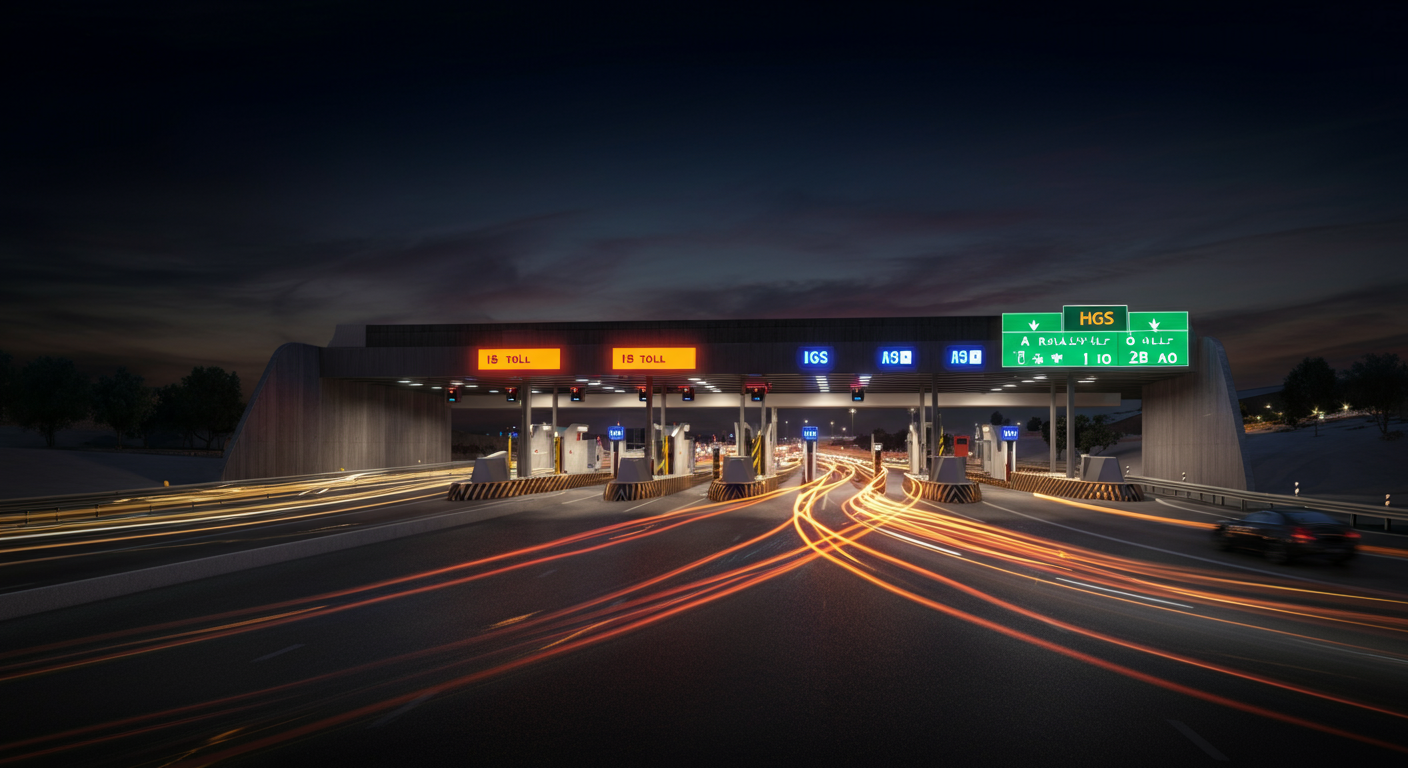
- HGS tag: Small sticker or device on the windscreen; cameras read it automatically at toll gantries.
- Common for routes around Istanbul (O‑5, O‑7, Northern Marmara Motorway) and upgraded links near Izmir and Bursa.
- Hire cars usually include HGS. Charges are logged against the car and billed by the rental company, often on return or later via your card.
- Ask at pickup: how tolls are calculated, how they will be charged, and whether there is an admin fee.
Fuel Types and Roadside Stops
- Benzin: Petrol.
- Dizel: Diesel.
- LPG: Autogas – only if the car is clearly equipped.
Fuel stations on roads like D400, D550 and O‑31 are frequent and often full‑service (staff pump for you). Fuel is not usually cheap compared with UK supermarket petrol, so allow a healthy budget. For up‑to‑date prices, check local apps or ask the attendant before filling a full tank.
Most larger stations include:
- Cafés with simit, gözleme (filled flatbread) and tea.
- Toilets (usually signed "WC").
- Card and contactless payment.
On routes like Antalya–Korkuteli or Muğla–Aydın, small roadside cafés often serve fresh bazlama (thick griddled bread) and cheese gözleme at reasonable prices, ideal for a simple lunch stop on a long drive.
Parking: Resorts, Cities and Major Sights
Resort Parking
- Bodrum: Use marked car parks off streets such as Neyzen Tevfik Caddesi and near the marina; look for attendants in high‑visibility vests.
- Fethiye: Paid open‑air car parks cluster around the harbour and along Mustafa Kemal Bulvarı. Pay at a small booth or to the attendant.
- Antalya Beaches: Along Akdeniz Bulvarı (Konyaaltı) and Lara Caddesi, you’ll find signed beachfront car parks and marked bays.
Cities and Old Towns
- Istanbul: Park in signed municipal or private car parks near Karaköy, Beşiktaş or Şişli; avoid trying to thread into tight streets around Sultanahmet.
- Antalya Kaleiçi: Leave the car in larger car parks on Fevzi Çakmak Caddesi or by the Clock Tower, then walk into the historic area.
- Izmir Konak/Alsancak: Look for multi‑storey or open car parks just off Cumhuriyet Bulvarı and Şair Eşref Bulvarı.
Simple rule: If a space looks improvised (pavement, unmarked roadside), assume fines or towing are possible and find a signed facility instead.
Popular attractions such as Pamukkale, Ephesus (near Selçuk) and the Göreme Open‑Air Museum use clear paid car parks close to the entrance. Keep small Turkish lira notes ready; some smaller operators may prefer cash over cards.
Police Checks, Breakdowns and Incidents
Routine Stops
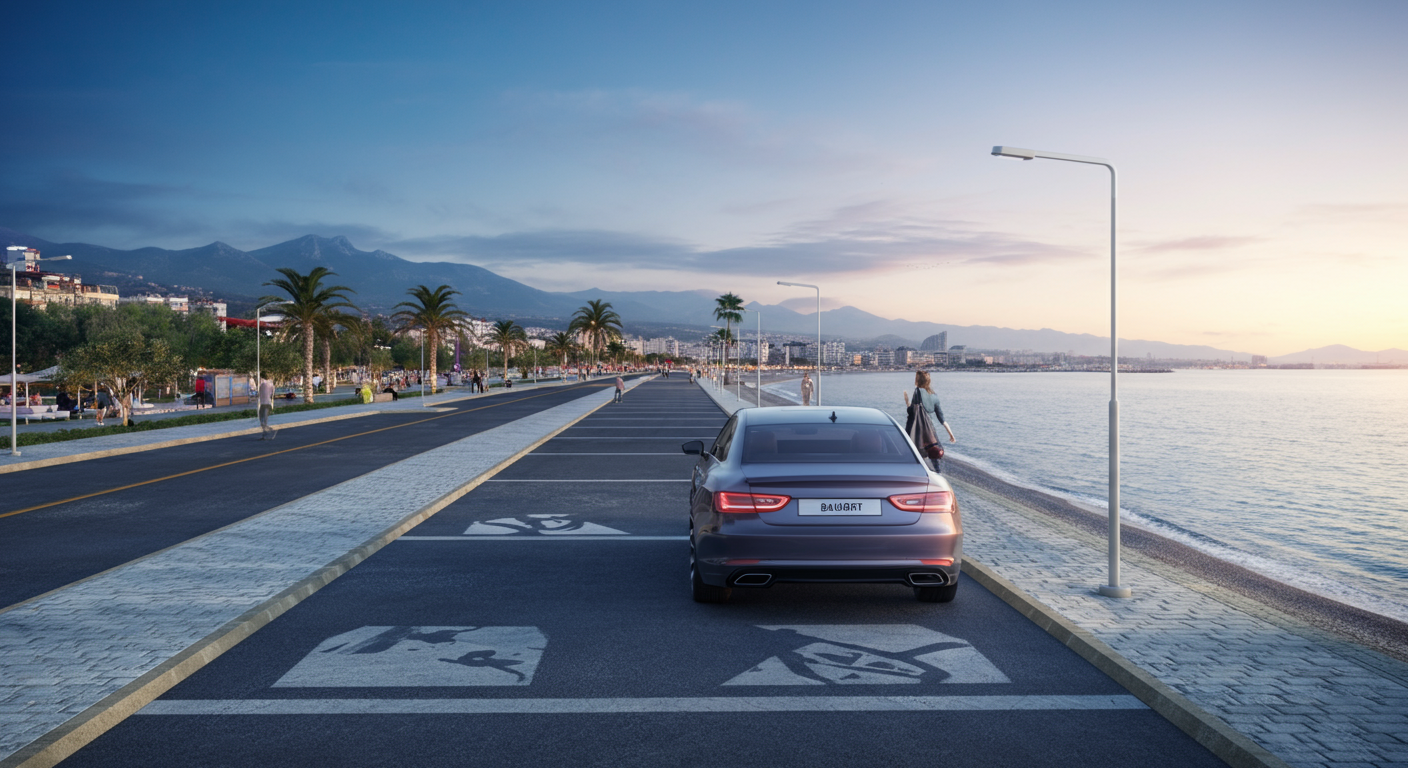
Roadside checkpoints are normal on approaches to larger towns and at some provincial borders.
- Slow gradually and pull in where directed.
- Hand over licence, passport and rental papers if requested.
- Language may be limited; answer briefly and politely, allow time in your schedule.
Accidents and Breakdowns
- Breakdown: Put on your reflective vest, place the warning triangle, and call the rental company’s emergency number (usually on the windscreen sticker or key wallet).
- Minor collision: If safe, take clear photos of vehicles, positions and any nearby signs (e.g. D400 marker, Atatürk Caddesi nameplate).
- Serious accident or injury: Call 112 for emergency assistance.
- Do not admit fault at the roadside; let insurers and authorities handle responsibility.
Combining Driving with Public Transport
Many UK travellers mix a self‑drive section with public transport to reduce stress in big cities.
- Dolmuş minibuses:
- Antalya LC07: Konyaaltı – Otogar (useful for connecting to intercity buses).
- Fethiye–Ölüdeniz: Frequent in season via Ovacık and Hisarönü.
- Bodrum–Turgutreis: From the main dolmuş station off Cevat Şakir Caddesi.
- Trams/metros: Istanbul, Izmir and Antalya have efficient networks; in Antalya, the Antray line links areas like Fatih, Otogar and Expo.
UK‑friendly tip: Many visitors stay in central Istanbul without a car and only collect a hire vehicle at Istanbul Airport or Sabiha Gökçen once they’re ready to drive out towards the Aegean or inland Anatolia.
Planning a Simple Self‑Drive Itinerary
Typical Use‑Cases for a Hire Car
- Turquoise Coast base (Fethiye / Kaş):
- Day trip from Fethiye to Saklıkent Gorge via the Çamköy turn‑off from D400.
- Gelemiş village and Patara Beach from Kaş or Kalkan.
- Scenic stops on the Kaş–Kalkan stretch of D400 for sunset photos.
- Bodrum & inland villages:
- Short coastal hops to Bitez, Ortakent or Torba.
- Loop inland via Mumcular to villages serving freshly baked bazlama.
- Longer day to ancient sites like Euromos or Didyma via the Milas–Söke road.
- Cappadocia loop:
- Stay around Göreme or Ürgüp and drive to Uçhisar Castle and Avanos.
- Visit an underground city near Derinkuyu off the Nevşehir–Niğde road.
- Early‑morning drives to panoramic spots for balloon views.
Navigation and Useful Vocabulary
- Road signs are in Latin script; you’ll see names such as Muğla, Nevşehir, Şişli on direction boards.
- Set your sat‑nav to English voice but keep the map labels matching local spellings.
- Helpful words:
- Giriş – Entrance
- Çıkış – Exit
- Otogar – Bus station
- Şehir merkezi – City centre
- Radar kontrol – Speed check zone
Related Planning Resources
To match your driving plans with the right base and itinerary, you may also like:
- Where to Stay in Antalya for Beaches, Nightlife and Families
- Fethiye vs Bodrum: Which Turkish Coast Suits UK Travellers?
- Guide to Car Hire Deposits and Insurance in Turkey
- Sample 10–14 Day Turkey Itinerary from the UK
FAQ
Do I need an International Driving Permit to drive in Turkey with a UK licence?
For short tourist visits many UK travellers drive using only a UK photocard licence, but requirements can change and may depend on stay length. Always check the latest UK government and Turkish official advice. If staying longer or spending time outside the main tourist regions, an IDP can be a sensible extra document.
Is driving in Turkey too difficult for UK drivers?
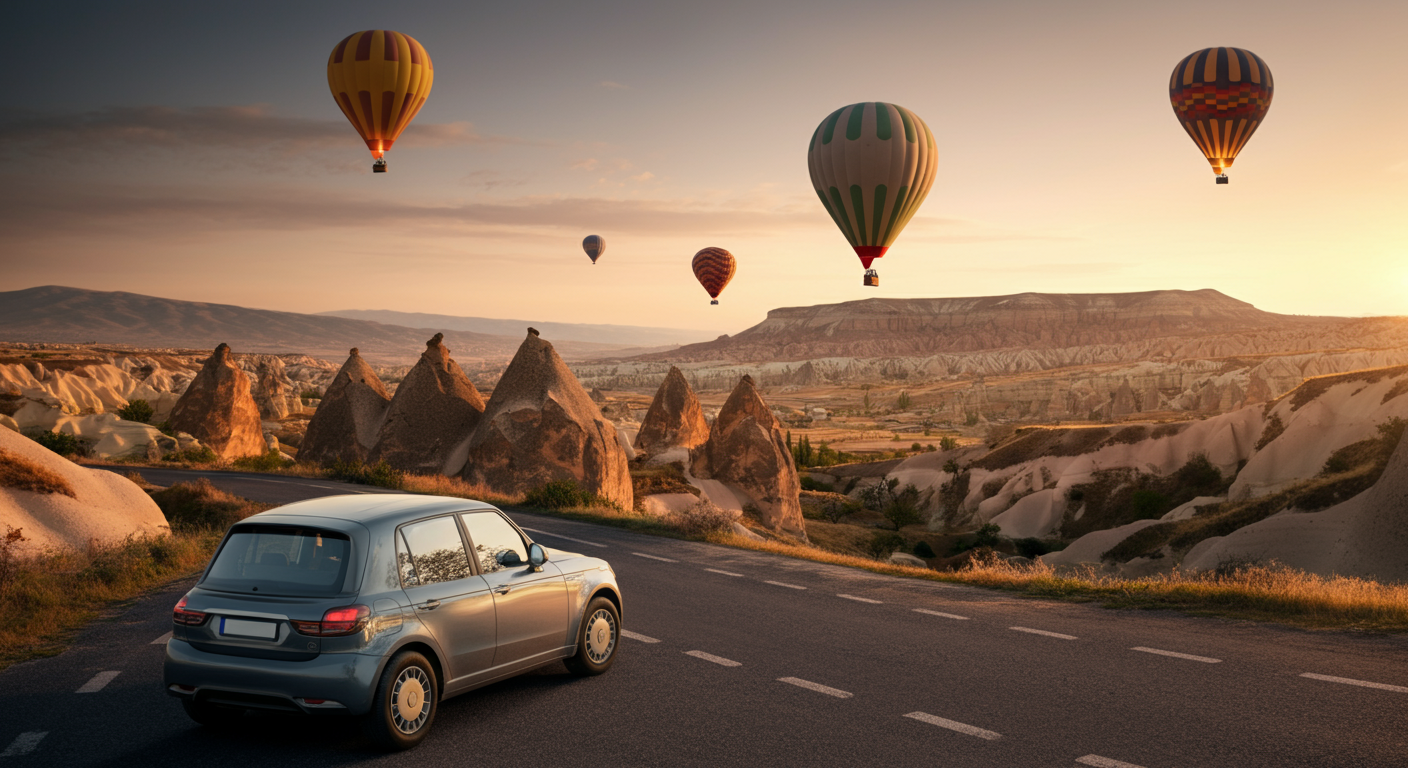
Most confident UK drivers manage well on coastal routes and in Cappadocia, especially outside July–August. Big cities such as Istanbul and Ankara can feel intense because of heavier, faster traffic and parking pressures. A common approach is to avoid driving in major centres and to hire a car mainly for intercity and resort‑to‑resort journeys.
How do motorway tolls work for tourists in hire cars?
Motorway and bridge tolls are usually handled through the car’s HGS tag. You simply drive through toll points; the system records each passage and the rental firm charges you later (sometimes with a small fee). Confirm at the desk how and when tolls will be billed and keep a note of your motorway use for your own records.
Is it sensible to drive at night in Turkey?
In lit urban areas and on busy motorways many locals drive at night. On rural, mountain or village roads, however, lighting can be limited and there may be animals or unlit vehicles. Many UK travellers prefer to avoid unfamiliar rural roads after dark and plan longer legs for daylight hours.
Melis Yıldız
Editör"Modern konfor ve estetik detaylara önem veren Melis, lüks oteller ve tasarım butik konaklamalar üzerine uzmanlaşmıştır."
Guides About
Istanbul Public Transport Guide: Istanbulkart, Metro, Tram & Ferry Explained
İstanbul'da ulaşım karmaşasına son verin! İstanbulkart, metro, tramvay, otobüs ve feribot gibi toplu taşıma ağlarını kolayca anlayın.
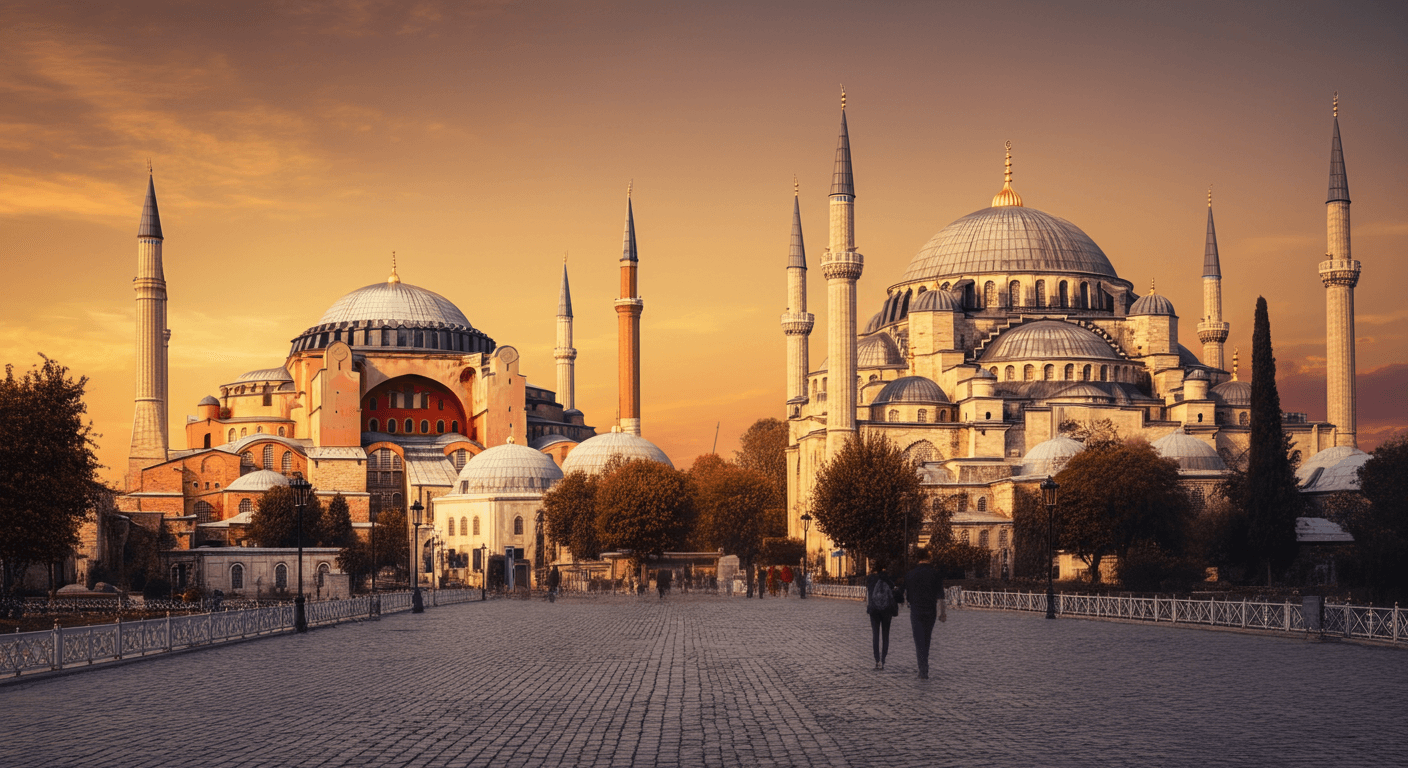
Best Istanbul Photo Route: 1-Day Viral Shots (Golden Hour & Crowd Strategy)
İstanbul'un en viral fotoğraf noktalarını keşfedin! Boğaz, Galata ve Tarihi Yarımada'da 1 günde, ışık saatleri ve kalabalık stratejileriyle mükemmel kareler yakalayın.
Istanbul Budget Planner: Economical, Balanced & Comfortable Spending Modes Guide
İstanbul gezinizi bütçenize uygun planlayın! Ekonomik, dengeli veya rahat modlarla harcama mantığını keşfederek şehri doyasıya yaşayın.
Istanbul with Kids Guide: Baby & Toddler Checklists | Hot Weather & Rainy Day Plan
İstanbul'da çocukla gezmek artık çok kolay! Bebek/çocuk kontrol listeleri ve öğle sıcağı/yağmur için özel İstanbul gezi planları bu rehberde.
Istanbul Walkable Neighborhoods: 2-3 Hour Walking Routes & Map Guide
İstanbul'un en güzel semtlerini yürüyerek keşfedin! Tarihi yarımada ve Boğaz çevresindeki 2-3 saatlik mini rotalarla şehri deneyimleyin.
Istanbul Mosque Guide for Tourists: Dress Code, Photography & Prayer Times
İstanbul camilerini ziyaret edecek turistler için giyim, saat ve fotoğraf kuralları rehberi. Cami ziyaretinizden önce bilmeniz gereken tüm detayları basitçe öğrenin.
Istanbul Travel Tips: Avoid Scams & Surprises (Taxis, Restaurants, Tours)
İstanbul'da taksi, menü ve tur sürprizleri yaşamadan güvenle gezmek için basit kuralları keşfedin. Dolandırılmadan keyifli bir İstanbul deneyimi için ipuçları burada.
Istanbul Evening Guide: Safe & Fun Activities & Plans for Families, Couples & Solo Travelers
İstanbul'da akşam ne yapılır? Aile, çift veya tek kişi için Boğaz turu, tarihi mekanlar ve güvenli eğlence seçenekleriyle dolu rehberimizi keşfedin.
Istanbul Rainy Day Itinerary: Indoor Museums, Bazaars & Cafes
İstanbul'da yağmurlu havalarda sıkılmayın! Müzeler, tarihi çarşılar ve şirin kafelerle dolu kapalı mekan rotalarıyla keyifli bir gün geçirin.
Istanbul Sunset Spots: Crowd-Free Hours & Best Sunset Walk Routes
İstanbul'da kalabalıktan uzak gün batımı noktaları ve Boğaz'da eşsiz sunset walk rotalarıyla şehrin büyüsüne kapılın.
Istanbul 1-Day Itinerary: Europe to Asia Route (Hour-by-Hour & Walking Guide)
İstanbul'da bir günde Avrupa'dan Anadolu'ya geçiş rotasını keşfedin! Saat saat planlanmış bu eşsiz gezi rehberiyle iki kıtayı yürüme seviyenize göre deneyimleyin.
Sabiha Gökçen (SAW) to Istanbul Transfer: Easiest Options Guide
Sabiha Gökçen (SAW) havalimanından İstanbul şehir merkezine en kolay ulaşım (metro, Havabüs, taksi) seçeneklerini ve saatinize göre en mantıklı yolu keşfedin.
Istanbul Airport (IST) Transfer Guide: Taxi, Metro, or Private for Late Night Arrivals
İstanbul Havalimanı (IST) gece varışı için taksi, metro veya özel transfer mi? İstanbul'a en hızlı ve konforlu ulaşım seçeneğini keşfedin.

Istanbul Public Transport Guide: Metro, Tram and Ferry Logic
İstanbul'da ulaşımı çözün! Turistler için İstanbulkart nasıl alınır, T1 Tramvay, M2 Metro ve vapur kullanımı, taksi tuzaklarından korunma rehberi.

First Time in Istanbul: 3–5–7 Days Ready Itinerary
İstanbul'u yorulmadan ve kaybolmadan gezmek isteyenler için saat saat planlanmış, en verimli 3 günlük, 5 günlük ve 7 günlük hazır turistik gezi rotası.

Where to Stay in Istanbul? Area & Base Selection Guide
İstanbul'da ilk kez nerede kalınır? Sultanahmet, Karaköy, Taksim, Beşiktaş ve Kadıköy bölgelerinin detaylı, artı-eksi analizli, ulaşım odaklı konaklama rehberi.
Best Instagram and Photo Spots in Fethiye Route
Ultimate Fethiye Instagram and photography SEO guide list. Find the best spots: Butterfly Valley viewpoint cliff, Babadag glass terrace, and Ghost Town.
Fethiye Budget Planner: Travel Costs and Saving Tips
Ultimate SEO Fethiye holiday budget planner. Is Fethiye expensive? Guide to food prices, transport, boat trips, and saving tips for smart travelers.
Fethiye with Kids: Family Holiday Travel Guide
Ultimate family SEO travel guide to Fethiye with kids and toddlers. Best shallow beaches, stroller-friendly hotels, and safe family boat trips listed.
Best Time to Visit Fethiye: Month by Month Weather Guide
When is the best time to go to Fethiye? Detailed SEO weather guide month by month. Summer peaks, autumn sea temperatures and spring trekking tips.
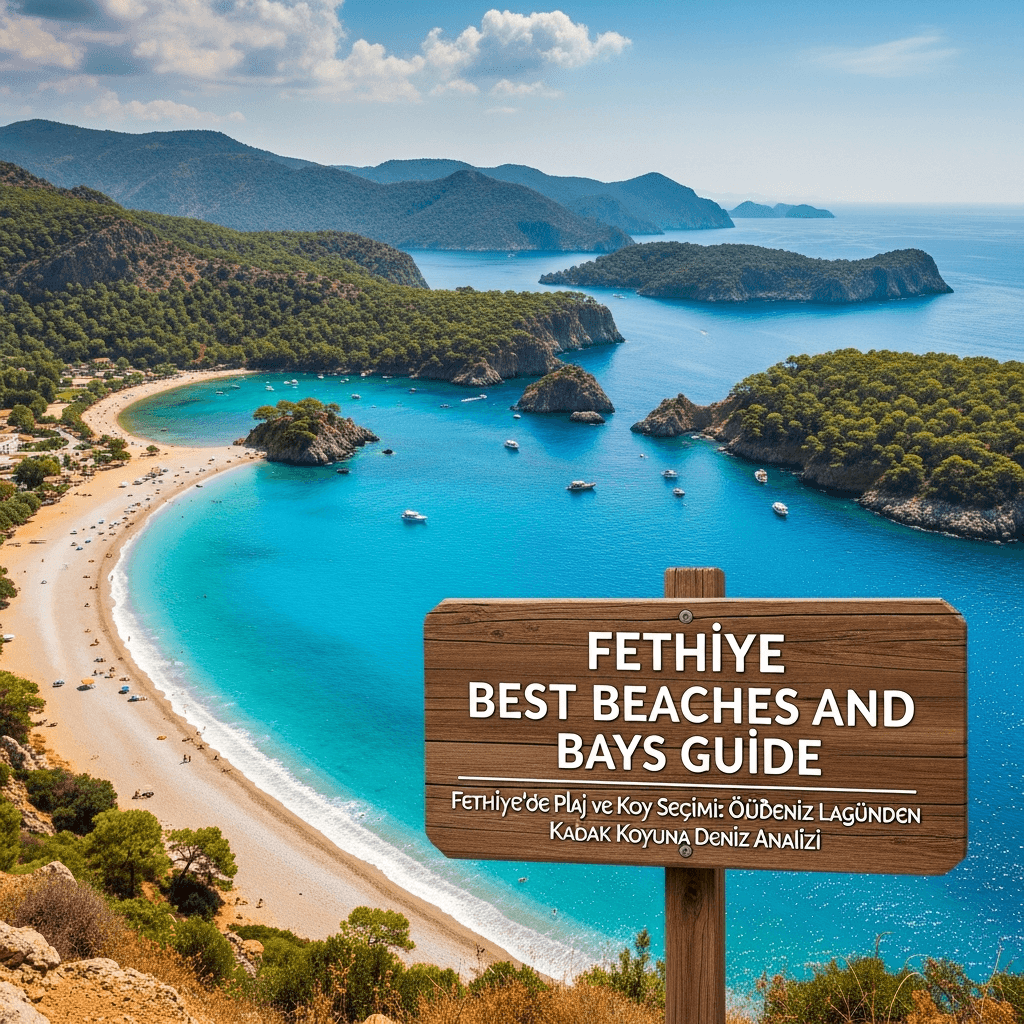
Fethiye Best Beaches and Bays Guide
Comprehensive SEO guide to Fethiye's best beaches. Compare Blue Lagoon, Belcekiz pebbles, Calis beach wind, and hidden Kidrak/Kabak bays.
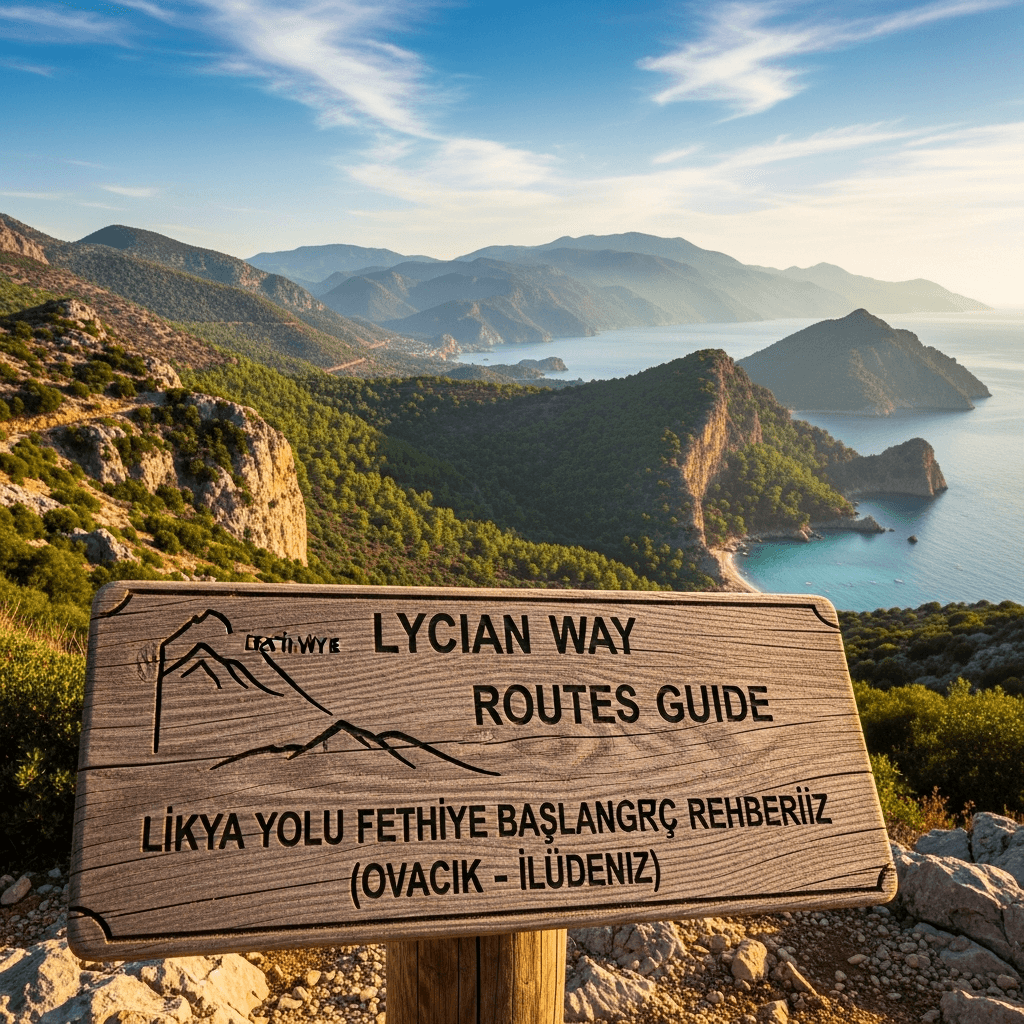
Lycian Way Fethiye Routes Guide
Ultimate Guide to starting the Lycian Way from Fethiye (Ovacik, Faralya, Kayakoy). Daily hiking routes, trails, maps, and offline tips with full SEO tables.
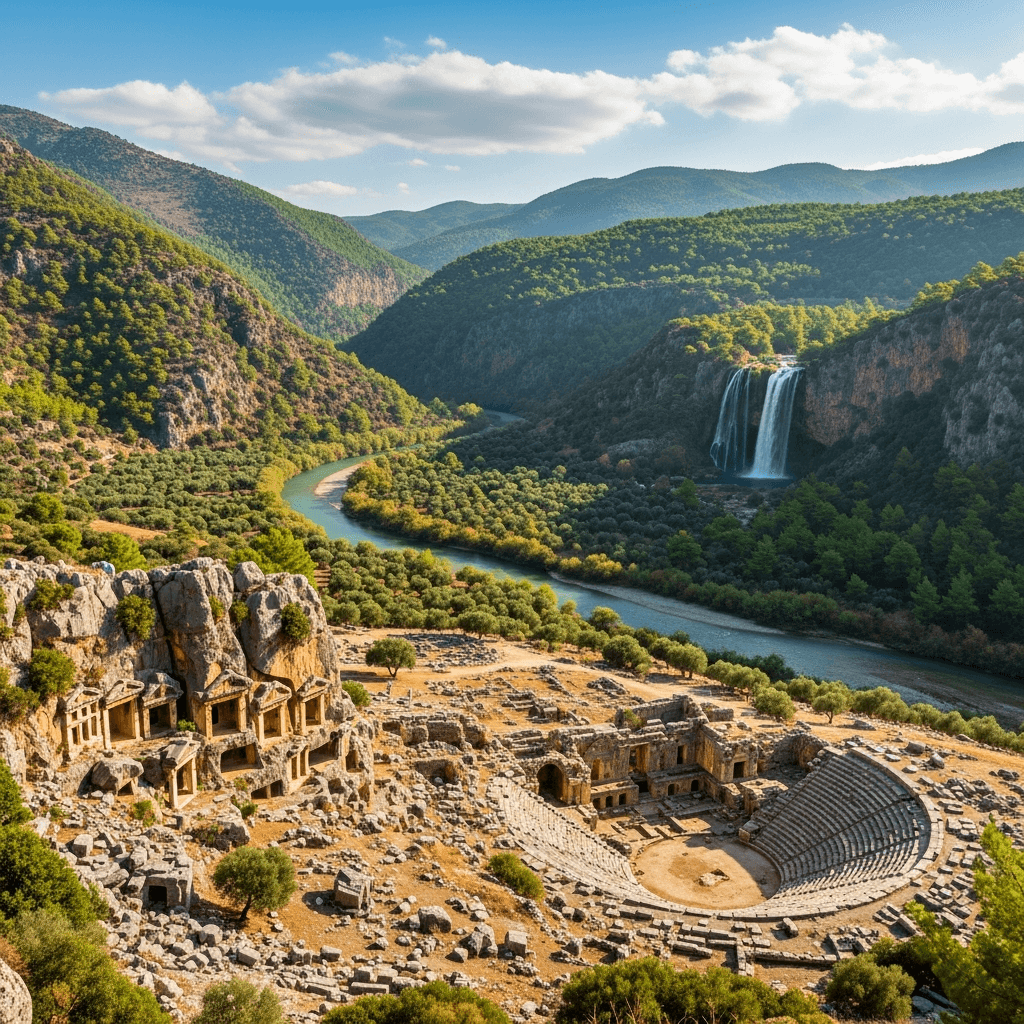
Tlos Ancient City & Yakapark Day Trip Guide
Ultimate Fethiye day trip SEO guide: Morning at Tlos Ancient City and Lycian rock tombs, afternoon lunch at Yakapark waterfalls, and Saklikent alternatives.
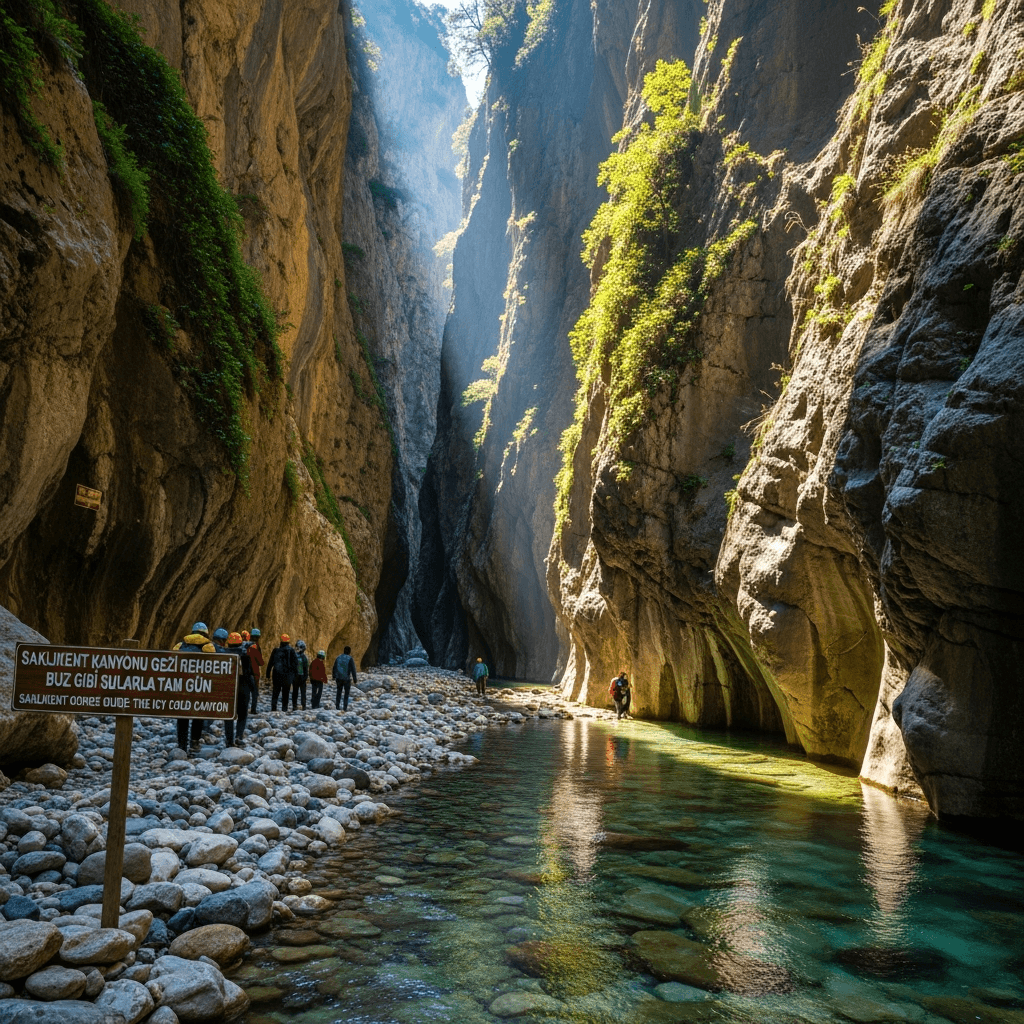
Saklikent Gorge Guide: The Icy Cold Canyon
Ultimate SEO guided Fethiye Saklikent Gorge and Canyon travel guide. Tips for hiking the icy river, mud baths, and comparing Gizlikent Waterfall.
Best 5 Sunset Spots in Fethiye
Where to watch the best sunset in Fethiye? Detailed SEO guide for Calis beach, Babadag 1700m, and Sovalye island sunsets with tables and tips.
Fethiye Boat Trip Choice: 12 Islands vs Oludeniz
Ultimate comparison between the 12 Islands Boat Trip and the Oludeniz Butterfly Valley boat tour. Detailed SEO travel guide with tables and tips.
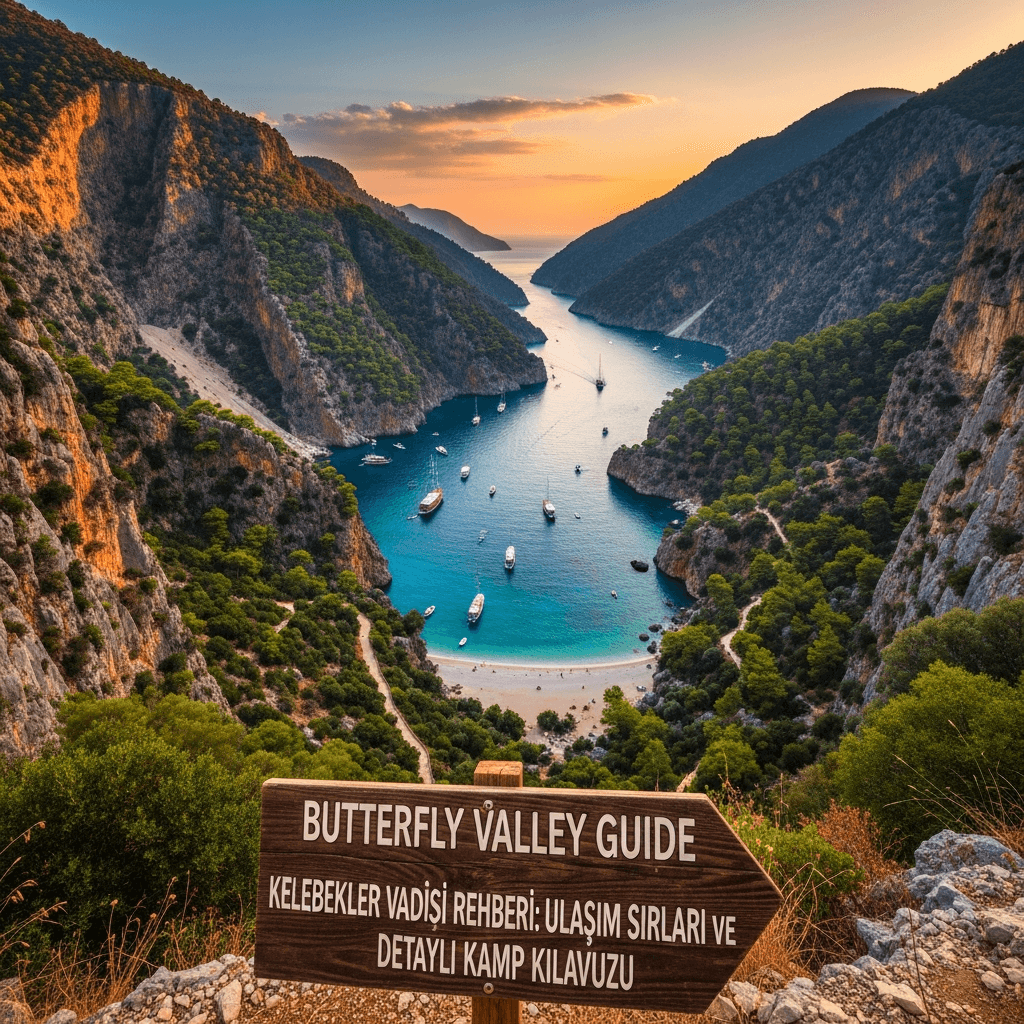
Butterfly Valley Guide
Ultimate SEO guided Fethiye Butterfly Valley travel guide. How to get there by boat or hike, best camping spots, and waterfall trekking tips.
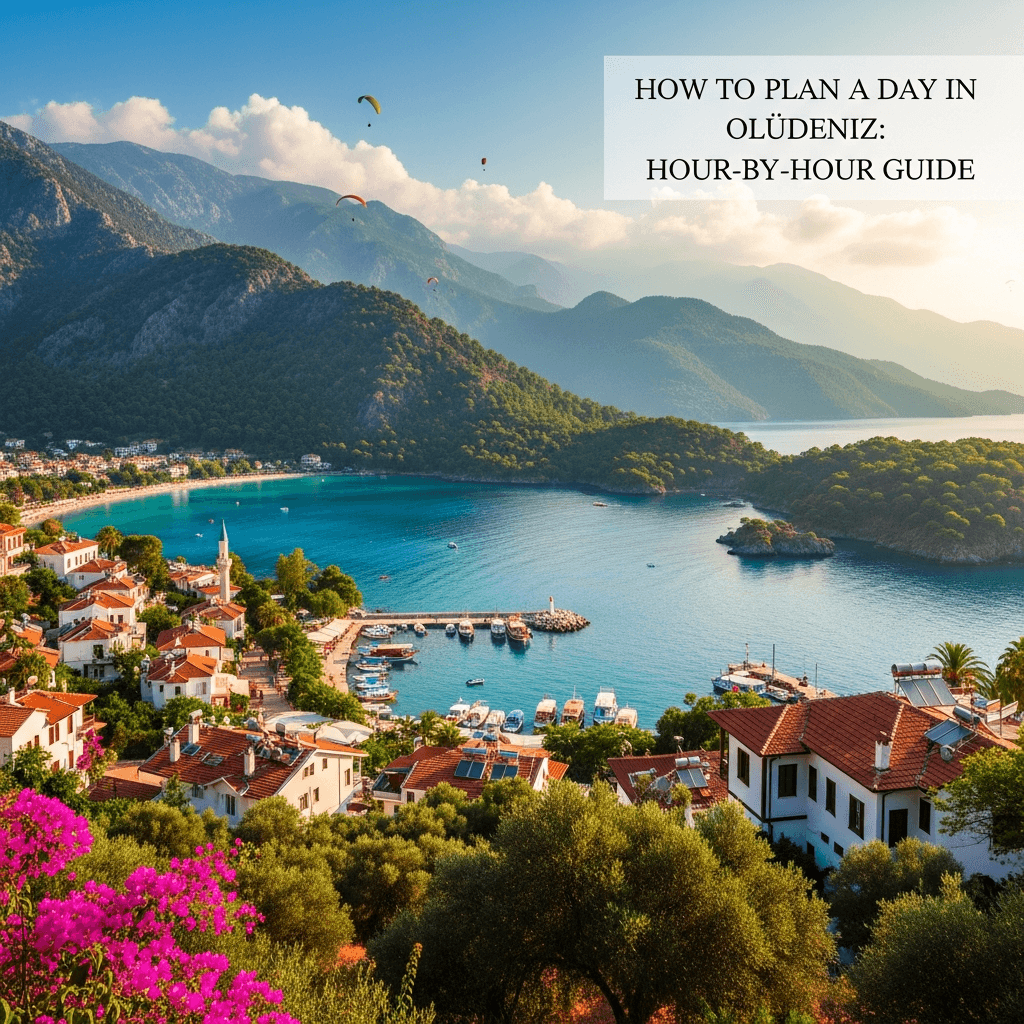
How to Plan a Day in Oludeniz: Hour-by-Hour Guide
An hour-by-hour itinerary for visiting Oludeniz, Kumburnu Blue Lagoon, Belcekiz beach, and the Babadag cable car. Essential tips for your holiday.
Car-Free Fethiye Holiday Guide
Discover how to enjoy a completely car-free holiday in Fethiye. Full transportation guide including water taxis, local dolmus, and walking trails.
Fethiye First-Timers Itinerary: 3-5-7 Days
An optimized and flexible 3, 5, or 7-day itinerary for your first visit to Fethiye. Unmissable spots like Oludeniz, Saklikent Gorge and Babadag.
Where to Stay in Fethiye? Area & Base Selection Guide
Where to stay in Fethiye, Turkey? An extensive area-by-area guide choosing between Calis Beach, Oludeniz, Hisaronu, Ovacik and the Town Center.
Did you find this guide helpful?
Check out our other guides to discover more hidden gems in .
Explore All Guides