Driving in Turkey as a UK Traveller: Rules, Confidence Tips, and What to Expect
Clear guide for UK travellers driving in Turkey: licences, insurance, road rules, tolls, parking, city vs coastal driving, and confidence tips for safe journeys.
Hızlı Özet
- • best places to visit
- •Local restaurant and cafe recommendations
- •Accommodation options and price ranges
- •Transportation info and tips
Table of Contents
Driving in Turkey as a UK Traveller: Rules, Confidence Tips, and What to Expect
- Drive on the right, overtake on the left; priority rules and roundabouts feel different to the UK.
- UK photocard licence is typically accepted; carry passport, green card/insurance and rental contract at all times.
- Motorways like O-7 (Istanbul–Antalya), O-31 (Izmir–Aydın) and O-21 (Adana–Niğde) use electronic tolls, not cash.
- City driving in Istanbul, Ankara and Izmir can be hectic; many UK travellers prefer a car mainly for coastal and rural areas.
- Watch for scooters and dolmuş minibuses, especially on streets like Istanbul’s Tarlabaşı Bulvarı or Antalya’s Atatürk Caddesi.
- Speed limits are usually 50 km/h in towns, 90 km/h on main roads and up to 120 km/h on motorways – but always check roadside signs.
- Alcohol limits are stricter than the UK; the safest choice is to avoid drinking completely if you are driving.
- Fuel, parking and tolls can add up – allow a flexible budget and check recent costs before your trip.
If you are used to UK roads, driving in Turkey can feel more intense at first, but with realistic expectations, basic preparation and a few local habits, many UK visitors find it a practical way to reach beaches, ruins and villages that public transport misses.
Introduction: Should You Drive in Turkey as a UK Traveller?
Turkey is a large country, and journeys between places like Antalya, Cappadocia and the Aegean coast can be long. Public transport is extensive, but not always convenient if you are carrying luggage, travelling with children, or planning beach hopping along the Bodrum Peninsula or between Fethiye and Kaş.
Hiring a car or driving your own UK vehicle gives flexibility to:
- Stop at viewpoints on the coastal D400 road between Kalkan and Kaş.
- Visit smaller bays around Bodrum’s Gümüşlük and Yalıkavak areas.
- Explore inland villages near Fethiye, like Üzümlü or Kayaköy.
- Reach ancient sites off the main bus routes, such as Termessos above Antalya or Didyma near Söke.
Simple rule: Use a car where it adds clear value – typically coastal and rural exploring – and treat dense city centres as places to reach by tram, metro, taxi or dolmuş instead.
Licences, Documents and Legal Basics for UK Drivers
Driving Licence Requirements
For most UK visitors on a short holiday:
- A full UK photocard driving licence is typically sufficient for tourist driving in Turkey.
- Carry the physical card at all times – photos on your phone are not accepted.
- If your licence is very old (paper only) or not in Roman script, consider an International Driving Permit (IDP) and check official guidance before travel.
UK-friendly tip: Print a copy of your licence and keep it separate from your wallet, alongside scanned copies in secure cloud storage.
Other Documents to Carry in the Car
Whenever you drive, have the following with you:
- Passport (or national ID if applicable).
- Driving licence.
- Proof of insurance (green card or local policy).
- Vehicle registration document or rental agreement.
- Breakdown contact number and roadside assistance details.
Police checks are common on main roads such as the D400 near Antalya Airport and the D550 between Izmir and Selçuk, and officers may ask to see these documents.
Age Limits and Experience
Age rules vary by rental company and insurance, but in practice:
- Drivers are often required to be at least 21, sometimes 23.
- You may need one or two years of full licence history.
- Under-25s are sometimes charged a young driver supplement.
Simple rule: Check your rental terms carefully; do not assume UK conditions apply.
Key Road Rules and How They Feel Different from the UK
Driving on the Right and Basic Priority
In Turkey, you drive on the right-hand side of the road and overtake on the left. This is the single biggest adjustment for UK drivers.
- Roundabouts: Priority is often given to vehicles already on the roundabout, but local driving can be assertive. On busy roundabouts near Istanbul’s Beşiktaş district or at junctions by Ankara’s Konya Yolu, expect drivers to merge quickly with minimal signalling.
- Give way: At unmarked junctions in residential streets, such as side roads off Bodrum’s Atatürk Caddesi, priority can be unclear. Approach slowly and make eye contact with other drivers if possible.
Speed Limits
Always follow posted signs, but as a general guide:
- Urban areas: Usually 50 km/h (watch near schools – often signposted lower).
- Single carriageway main roads: Around 90 km/h.
- Dual carriageways and motorways: Up to 120 km/h on many routes.
Speed cameras are increasingly common, including along the O-7 motorway skirting Istanbul’s European side and on the approach to Antalya along the D685 from Isparta. Some are visible boxes; others are average-speed systems.
Seatbelts, Phones and Child Seats
- Seatbelts are required for front and rear passengers.
- Using a hand-held mobile while driving is prohibited; use a proper hands-free set if you must take a call.
- Child restraint rules are similar to the UK; arrange appropriate seats in advance if renting a car, especially in peak season around school holidays.
Alcohol and Driving
Alcohol limits in Turkey are stricter than in England and Wales. Limits and enforcement can change, so check official guidance before travel. Many UK travellers treat the rule as simple:
Simple rule: If you are driving, do not drink alcohol at all.
What It’s Actually Like: City vs Coastal vs Rural Driving
Driving in Big Cities: Istanbul, Ankara, Izmir
Major cities can feel full-on, even for confident UK drivers.
Istanbul:
- Main arteries such as E-5 (D100), TEM (O-2) and the O-7 ring road are often busy, with fast lane changes.
- In districts like Şişli, Kadıköy and Fatih, streets such as Tarlabaşı Bulvarı and Fevzi Paşa Caddesi combine buses, taxis, scooters and awkward parking.
- Bridges across the Bosphorus (15 July Martyrs Bridge and Fatih Sultan Mehmet Bridge) can experience heavy traffic at rush hours.
Ankara: Wide multi-lane roads like Konya Yolu and Eskişehir Yolu run quickly, but junctions are complex. Signage may be less intuitive for visitors, and local drivers can weave between lanes.
Izmir: The coastal Mustafa Kemal Sahil Bulvarı through Karşıyaka and Göztepe is scenic but busy. Junctions around Bornova and the ring road (O-30) feel similar to continental European city motorways.
UK-friendly tip: Many UK travellers skip city centre driving entirely and instead:
- Use Istanbul’s tram on routes like Kabataş–Bağcılar for the historic peninsula.
- Take metro and bus in Ankara from Kızılay and Ulus hubs.
- Rely on Izmir’s metro from Halkapınar or ferry from Konak to move around the bay.
Coastal Holiday Areas: Antalya, Bodrum, Fethiye, Dalaman Region
Most UK visitors who drive do so in coastal areas, where roads can be more relaxed but still require concentration.
Antalya and the Turkish Riviera:
- The D400 runs from Antalya east towards Alanya and west towards Kemer, Kaş and Fethiye. It is generally well surfaced but includes sharp bends and tunnels, especially between Kalkan and Kaş.
- Inside Antalya, streets like Atatürk Caddesi and İsmet Gökşen Caddesi mix buses, taxis and frequent pedestrian crossings.
- Dolmuş minibuses on routes such as Antalya–Kemer and Antalya–Side stop frequently; give them space and expect sudden lane changes.
Bodrum Peninsula:
- The main Bodrum–Turgutreis road passes through areas like Konacık and Ortakent with frequent turnings into retail strips and beach roads.
- Side streets down to bays in Bitez, Gümüşlük or Türkbükü can be narrow, steep and crowded with parked cars, especially near the seafront promenades.
- Expect speed bumps as you pass through villages like Gündoğan or Yalıkavak.
Fethiye and Dalaman region:
- The D400 from Dalaman Airport to Fethiye passes Göcek Tunnel (a tolled tunnel) and scenic coastline; watch for lorries and tourist coaches.
- Local roads to Ölüdeniz, Hisarönü and Ovacık include steep sections and hairpin bends.
- The road to Saklıkent Gorge turns inland after Seydikemer and narrows, with farm traffic and occasional livestock.
Rural and Mountain Driving
Inland routes towards areas such as Cappadocia, the Taurus Mountains, or around Lake Eğirdir can be beautiful but demand patience:
- Road surfaces vary; you may find new dual carriageways alternating with older single-lane sections.
- On small roads, for example those climbing above Kaş towards the village of Çukurbağ, expect tight bends and sheer drops with limited barriers.
- Tractors and slow farm vehicles often use the same roads, especially around Aydın, Manisa and Konya provinces.
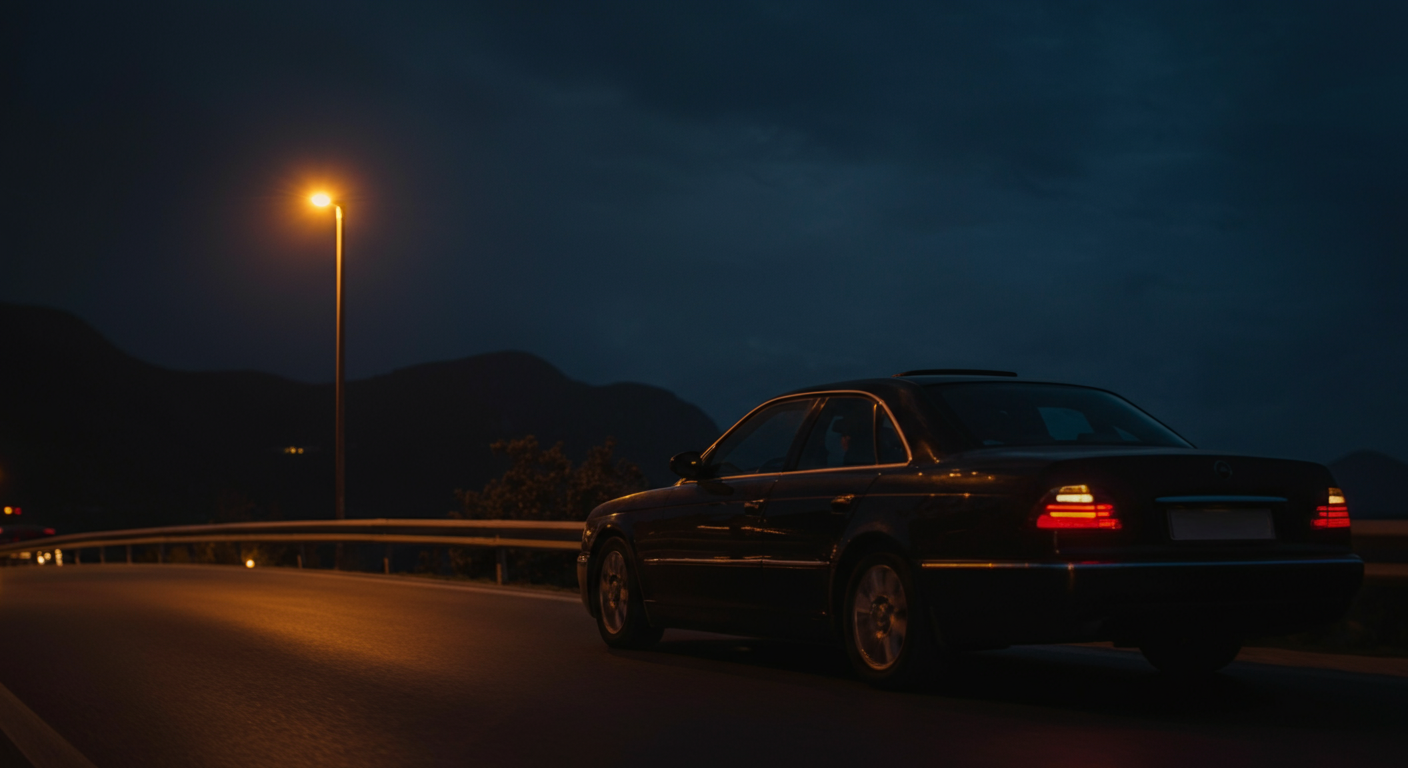
Simple rule: Avoid night-time rural driving if you can – limited lighting, animals on the road and fatigue are a poor mix.
Many UK travellers find it easier to:
- Use coastal towns like Kaş, Fethiye or Bodrum as a driving base for day trips, and
- Rely on buses and internal flights for longer intercity journeys between Istanbul, Ankara, Izmir and Antalya.
For more help picking a base, see where to stay around Antalya and area guide to the Bodrum Peninsula.
Building Confidence: Adapting from UK Roads
Adjusting to Right-Hand Driving
The first 30–60 minutes are usually the most challenging; many UK travellers adapt quickly once muscle memory develops.
- Consider an automatic car to avoid gear confusion with your left hand.
- On departure from airports like Dalaman, Bodrum–Milas or Antalya, use a short, simple stretch of road to get used to the layout before encountering busy junctions.
- Use sat-nav or a reliable app for lane guidance on complex junctions, especially around ring roads.
Understanding Local Driving Style
Local driving can seem assertive compared with much of the UK, but it follows its own logic:
- Lane discipline: On multi-lane roads near Istanbul’s Maslak or Ankara’s Çankaya, drivers often change lanes late. Expect last-minute moves and keep generous gaps.
- Signalling: Indicators are not always used in advance, particularly by taxis and dolmuş minibuses.
- Horn use: A short beep is often a “here I am” signal rather than aggression.
UK-friendly tip: Focus on smooth, defensive driving and allow others to be impatient around you; there is no need to copy local habits.
Parking Confidence
Parking habits vary by region.
- Cities: In central Istanbul districts such as Beyoğlu and Şişli, look for official car parks off streets like Meşrutiyet Caddesi rather than attempting roadside parallel parking on steep hills.
- Coastal towns: Seafront roads in Antalya’s Konyaaltı area and Fethiye’s Çarşı quarter have marked bays; blue lines often indicate paid parking.
- Pay-and-display: In some areas, attendants issue tickets and may wear reflective vests. Keep the ticket on the dashboard.
Improper parking can lead to towing or fines, particularly on busy streets near bus stations (otogar) and hospitals.
Tolls, Fuel, and Practical Costs
Motorway and Tunnel Tolls (HGS/OGS)
Many major motorways and some tunnels and bridges are electronic-toll only, including:
- O-7 motorway bypassing Istanbul and running towards Antalya.
- O-21 connecting Adana to Niğde, useful when heading towards Cappadocia.
- Sections of O-31 between Izmir and Aydın.
- Göcek Tunnel between Dalaman and Fethiye.
Payment is usually via:
- HGS (Hızlı Geçiş Sistemi): Electronic tag or sticker monitored by overhead gantries.
- Occasionally via registration plate recognition linked to a prepaid account.
With hire cars, tolls are often either:
- Charged automatically to your bank card after the rental, or
- Deducted from a preloaded HGS balance.
Simple rule: At pick-up, ask the rental desk: “How are motorway and bridge tolls paid for this car?” and keep the answer written in your phone notes.
Fuel: What to Expect
Fuel prices in Turkey fluctuate; check recent averages before you travel. In practice:
- Petrol stations are frequent on major roads such as the D400, D550 and around city ring roads.
- In more remote areas, for example between Kars and Doğubayazıt, distances between stations increase – keep your tank above one-third full.
- Most stations are staffed; you typically stay in the car and say “full petrol” or show the pump number and amount.
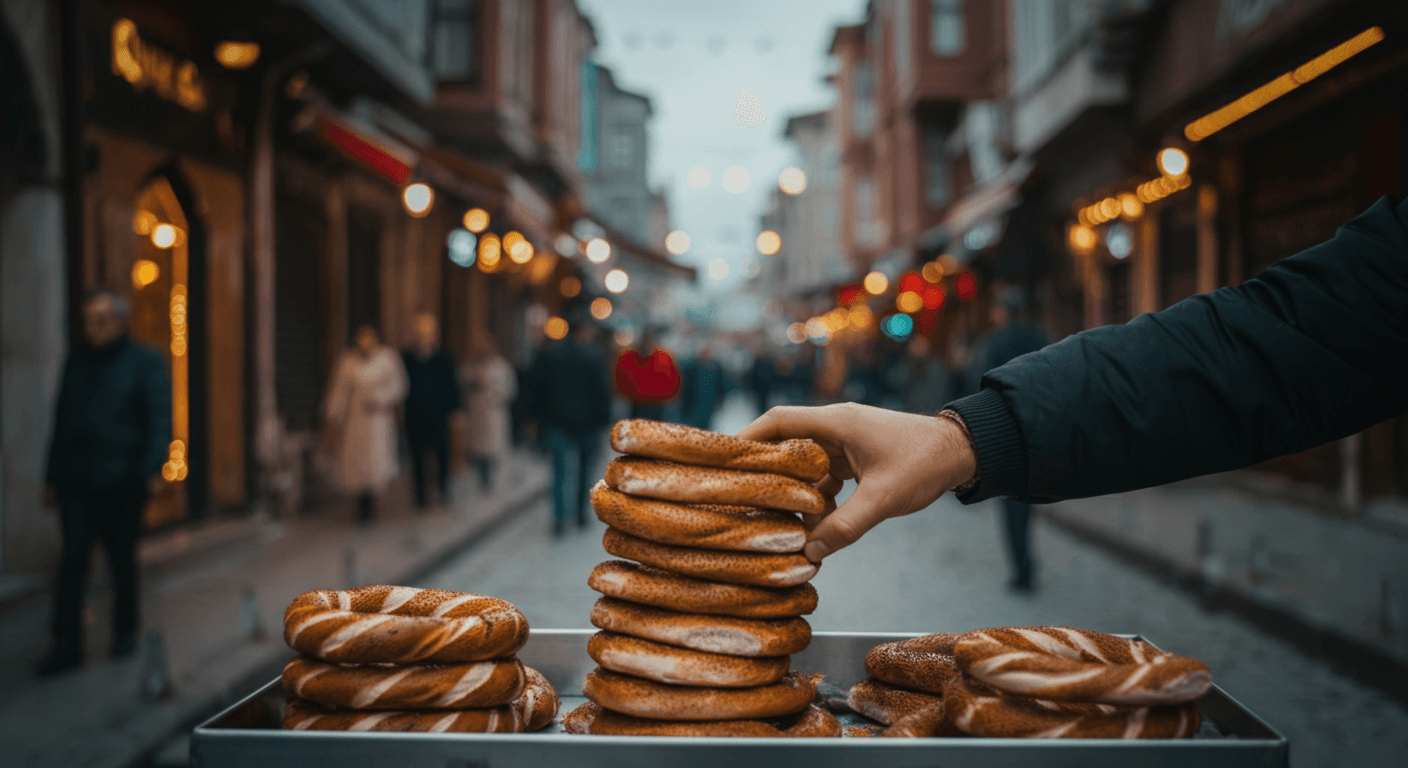
Many larger stations also have cafés and small markets selling simit (sesame bread rings), poğaça (savoury pastries) and fresh piyaz (bean salad). This can make them good comfort breaks on longer journeys.
Dolmuşes, Scooters and Pedestrians: Sharing the Road
Dolmuş Minibuses
Dolmuşes are shared minibuses running fixed routes, such as:
- Antalya city–Lara Beach via Lara Caddesi.
- Bodrum–Gümbet–Bitez loop from the central dolmuş station near Atatürk Bulvarı.
- Fethiye–Çalış Beach along Barış Manço Bulvarı.
As a driver, assume they may:
- Pull in and out suddenly to pick up passengers.
- Stop at informal points between official stops.
- Use hazard lights as a “temporary stop” signal.
Give yourself space behind them, particularly on urban stretches.
Scooters, Motorbikes and E-Bikes
Two-wheel traffic has increased in tourist areas and cities.
- In Istanbul districts like Kadıköy and Beşiktaş, delivery scooters often filter between cars at traffic lights on streets like Bahariye Caddesi.
- Resorts such as Alanya, Marmaris and Kuşadası see many rental scooters, sometimes ridden by inexperienced tourists.
- In Bodrum’s narrow backstreets around Çarşı Mahallesi, expect scooters appearing from side alleys.
UK-friendly tip: Check mirrors more frequently than you would at home, and double-check before opening your door when parked.
Pedestrians and Crossing Habits
Pedestrian behaviour is mixed:
- Marked zebra crossings are common in areas like Antalya’s Kaleiçi entrance and Fethiye’s harbourfront, but drivers do not always yield as consistently as in the UK.
- In bazaar districts such as Izmir’s Kemeraltı or Istanbul’s Grand Bazaar approaches via Çadırcılar Caddesi, people step into the road between parked cars.
Drive at walking pace in market streets and touristic old towns, and be ready to stop.
Service areas along main roads often sell regional specialities. On the road between Izmir and Denizli you may see stands selling gevrek (Izmir-style simit), while around Konya you will find etli ekmek (long, thin meat flatbread). Planning stops at these points can make long drives more enjoyable.
For ideas on combining road trips with food stops, see Turkey road trip itineraries for UK visitors.
Seasonal and Regional Considerations
Summer Heat
From late June to early September, temperatures in Antalya, Adana and inland areas such as Şanlıurfa can be extremely high.
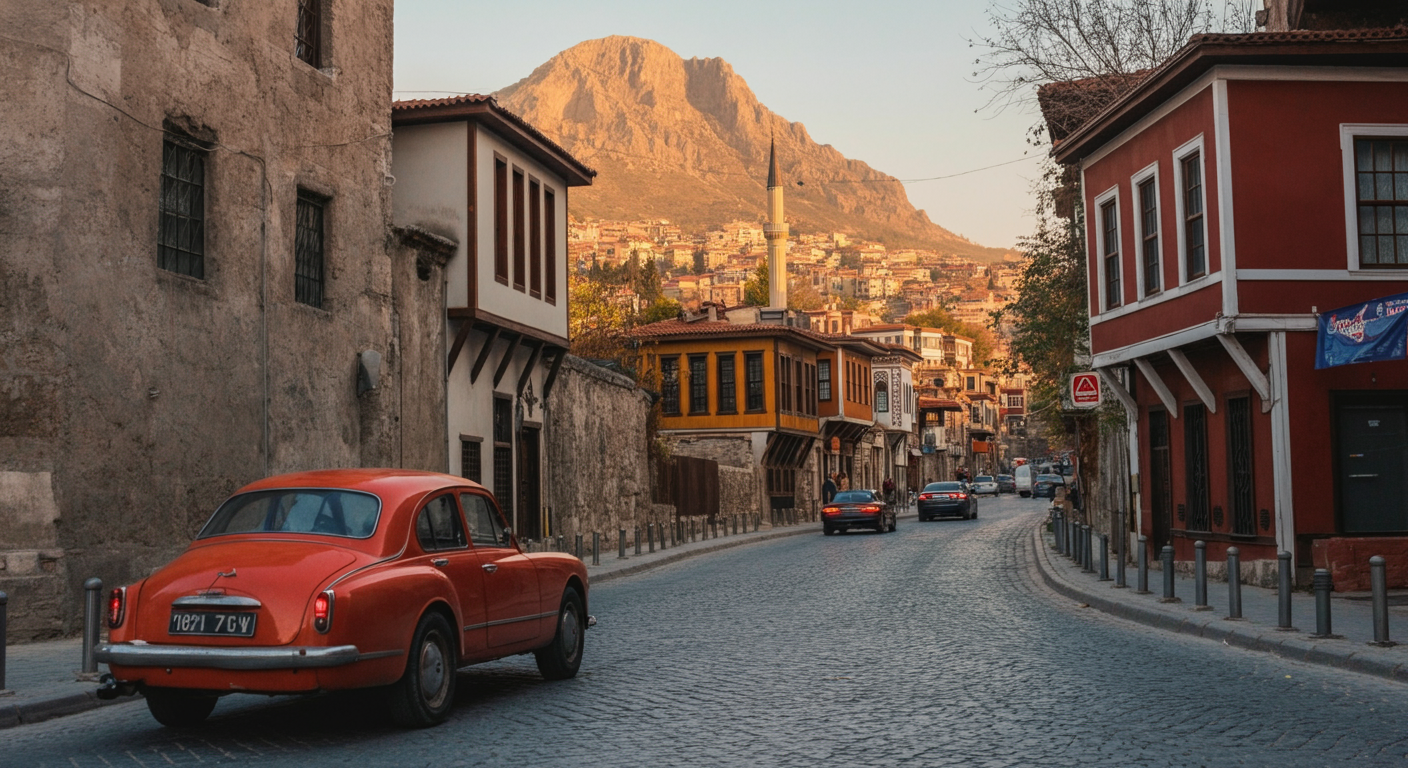
- Aim to drive longer distances early in the morning or later in the afternoon.
- Use sunshades for children in the back seats.
- Keep several bottles of water in the car; service stations often sell cold ayran (yoghurt drink) which is popular with local drivers.
Winter and Mountain Conditions
In winter, especially from December to February, conditions can change quickly in central and eastern regions:
- Snow and ice are possible on routes such as Ankara–Erzurum, or mountain passes around Bolu on the way between Istanbul and Ankara.
- Some roads in the Taurus Mountains and around Cappadocia may require winter tyres or chains depending on conditions.
If you are not experienced with winter driving, consider rail or domestic flights for long journeys during this period.
Dealing with Police Checks, Fines and Emergencies
Roadside Checks
Checkpoints are common on intercity roads, for example near provincial borders on the D400 or on the D750 north–south corridor.
- Officers may ask for your passport, driving licence, and vehicle documents.
- You may be asked where you are travelling from and to; simple answers like “Antalya to Kaş” are fine.
Remain polite, switch off music, and follow instructions.
Fines
Common reasons for fines include speeding, mobile phone use and parking violations.
- Rental companies may receive notice of a fine and charge your card later.
- If stopped in person, you may receive paperwork explaining the offence.
Simple rule: Assume all cameras are active and stay calmly within limits; this is usually cheaper than trying to “make up time”.
What to Do After a Minor Accident
If you are involved in a collision:
- Ensure everyone is safe and move to a safe position if the vehicles are creating serious danger.
- Call the rental company’s emergency number for guidance.
- For injuries or unsafe situations, dial the general emergency number 112.
- Take clear photos of all vehicles, number plates, wider road layout and any visible damage.
Do not sign documents you do not understand; ask for translation or support from your rental company or travel insurance provider.
When Hiring a Car vs Bringing Your Own from the UK
Hiring a Car in Turkey
For most holidaymakers, hiring locally in places like Antalya Airport, Dalaman Airport or Izmir Adnan Menderes Airport is simpler than driving all the way from the UK.
- Check insurance cover carefully – third-party, collision damage waiver, and glass/tyre cover can all differ from UK norms.
- Photograph the car (including wheels, bumpers and interior) before leaving the car park.
- Confirm fuel policy (full-to-full is common but not universal).
Bringing Your Own Car from the UK
This is less common but some drivers combining Europe and Turkey road trips do it.
- Check your UK insurance explicitly covers Turkey; not all policies do.
- You may need a green card and additional breakdown cover.
- Understand customs rules for temporary import of foreign-registered vehicles – these can change, so use official government sources.
Many UK travellers time car pick-up a day after arriving, especially in Istanbul, and drop it off the evening before flying home. This avoids driving tired straight from a late flight and avoids rush-hour traffic to the airport.
Sample Routes UK Travellers Often Drive
Short Coastal Hops
- Antalya Old Town (Kaleiçi) to Side: Follow the D400 east, passing Lara and Belek; allow extra time for summer traffic near resort turn-offs.
- Fethiye to Kaş: A scenic stretch of the D400 with viewpoints over the sea and islands near Kalkan and Kaputaş Beach.
- Bodrum to Datça Peninsula: Longer and twistier, with mountain sections after passing through Milas and turning south near Güllük junction.
Popular Day Trips by Car
- Antalya to Termessos: Turn off the D650 north of the city and climb to the national park entrance, then walk up to the ruins.
- Fethiye to Saklıkent Gorge and Patara: Combine a morning canyon walk with a late afternoon swim at Patara’s long sand beach.
- Izmir to Ephesus (Efes) via Selçuk: Take the D550 south, then follow signs through Selçuk to the archaeological site car park.
These routes offer good practice for UK drivers – a mix of main roads, smaller local roads and manageable parking.
FAQ
Is driving in Turkey difficult for UK drivers?
Many UK visitors find the first day an adjustment, mainly due to driving on the right, more assertive local habits and busier city traffic. Outside big cities, especially along the coast and in rural areas, most drivers report feeling more comfortable after a few hours as long as they drive defensively and avoid unnecessary night driving.
Can I use my UK driving licence in Turkey?
For short tourist visits, a full UK photocard licence is typically accepted. Carry the original card, not a copy. If your licence is not in Roman script or is an older paper version, check current UK and Turkish official guidance to see whether an International Driving Permit is recommended for your specific case.
Are Turkish road signs easy to understand?
Most direction signs use Latin letters and are fairly intuitive once you know key words like “Çıkış” (exit) and “Merkez” (centre). Speed limits are in km/h. On city ring roads and motorways around Istanbul and Ankara, junctions can appear quickly, so using navigation with lane guidance often helps UK drivers.
How expensive is fuel in Turkey compared with the UK?
Fuel prices change regularly and can be affected by exchange rates and tax policy. At times it can feel similar to or slightly lower than UK per-litre prices, at other times more expensive in sterling terms. Check up-to-date averages shortly before you travel and allow a buffer in your holiday budget.
Is it safe to drive long distances, like from Antalya to Cappadocia?
Many travellers drive routes such as Antalya–Konya–Cappadocia without issue, but distances are significant and weather can vary. Plan rest stops, avoid driving when tired, check forecasts for high plateaus around Konya and Aksaray, and consider breaking the journey with an overnight stay rather than attempting it in one long push.
Should I drive in Istanbul as a tourist?
Most UK visitors find it easier to avoid driving in central Istanbul due to congestion, complex junctions and limited parking in areas like Sultanahmet and Beyoğlu. A common approach is to use public transport and taxis within the city, and only hire a car when leaving for regions such as the Aegean or Mediterranean coasts.
What should I do if I break down?
Move to a safe spot if possible, turn on hazard lights and use a warning triangle if supplied. Call your rental company’s roadside assistance number or your breakdown provider if you brought your own vehicle. On main roads like the O-7 or D400, roadside assistance is usually available, but in remote areas it can take longer, so keep water and some food in the car.

Melis Yıldız
Editör"Modern konfor ve estetik detaylara önem veren Melis, lüks oteller ve tasarım butik konaklamalar üzerine uzmanlaşmıştır."
Guides About
Istanbul Public Transport Guide: Istanbulkart, Metro, Tram & Ferry Explained
İstanbul'da ulaşım karmaşasına son verin! İstanbulkart, metro, tramvay, otobüs ve feribot gibi toplu taşıma ağlarını kolayca anlayın.
Best Istanbul Photo Route: 1-Day Viral Shots (Golden Hour & Crowd Strategy)
İstanbul'un en viral fotoğraf noktalarını keşfedin! Boğaz, Galata ve Tarihi Yarımada'da 1 günde, ışık saatleri ve kalabalık stratejileriyle mükemmel kareler yakalayın.
Istanbul Budget Planner: Economical, Balanced & Comfortable Spending Modes Guide
İstanbul gezinizi bütçenize uygun planlayın! Ekonomik, dengeli veya rahat modlarla harcama mantığını keşfederek şehri doyasıya yaşayın.
Istanbul with Kids Guide: Baby & Toddler Checklists | Hot Weather & Rainy Day Plan
İstanbul'da çocukla gezmek artık çok kolay! Bebek/çocuk kontrol listeleri ve öğle sıcağı/yağmur için özel İstanbul gezi planları bu rehberde.
Istanbul Walkable Neighborhoods: 2-3 Hour Walking Routes & Map Guide
İstanbul'un en güzel semtlerini yürüyerek keşfedin! Tarihi yarımada ve Boğaz çevresindeki 2-3 saatlik mini rotalarla şehri deneyimleyin.

Istanbul Mosque Guide for Tourists: Dress Code, Photography & Prayer Times
İstanbul camilerini ziyaret edecek turistler için giyim, saat ve fotoğraf kuralları rehberi. Cami ziyaretinizden önce bilmeniz gereken tüm detayları basitçe öğrenin.
Istanbul Travel Tips: Avoid Scams & Surprises (Taxis, Restaurants, Tours)
İstanbul'da taksi, menü ve tur sürprizleri yaşamadan güvenle gezmek için basit kuralları keşfedin. Dolandırılmadan keyifli bir İstanbul deneyimi için ipuçları burada.
Istanbul Evening Guide: Safe & Fun Activities & Plans for Families, Couples & Solo Travelers
İstanbul'da akşam ne yapılır? Aile, çift veya tek kişi için Boğaz turu, tarihi mekanlar ve güvenli eğlence seçenekleriyle dolu rehberimizi keşfedin.
Istanbul Rainy Day Itinerary: Indoor Museums, Bazaars & Cafes
İstanbul'da yağmurlu havalarda sıkılmayın! Müzeler, tarihi çarşılar ve şirin kafelerle dolu kapalı mekan rotalarıyla keyifli bir gün geçirin.
Istanbul Sunset Spots: Crowd-Free Hours & Best Sunset Walk Routes
İstanbul'da kalabalıktan uzak gün batımı noktaları ve Boğaz'da eşsiz sunset walk rotalarıyla şehrin büyüsüne kapılın.
Istanbul 1-Day Itinerary: Europe to Asia Route (Hour-by-Hour & Walking Guide)
İstanbul'da bir günde Avrupa'dan Anadolu'ya geçiş rotasını keşfedin! Saat saat planlanmış bu eşsiz gezi rehberiyle iki kıtayı yürüme seviyenize göre deneyimleyin.
Sabiha Gökçen (SAW) to Istanbul Transfer: Easiest Options Guide
Sabiha Gökçen (SAW) havalimanından İstanbul şehir merkezine en kolay ulaşım (metro, Havabüs, taksi) seçeneklerini ve saatinize göre en mantıklı yolu keşfedin.
Istanbul Airport (IST) Transfer Guide: Taxi, Metro, or Private for Late Night Arrivals
İstanbul Havalimanı (IST) gece varışı için taksi, metro veya özel transfer mi? İstanbul'a en hızlı ve konforlu ulaşım seçeneğini keşfedin.

Istanbul Public Transport Guide: Metro, Tram and Ferry Logic
İstanbul'da ulaşımı çözün! Turistler için İstanbulkart nasıl alınır, T1 Tramvay, M2 Metro ve vapur kullanımı, taksi tuzaklarından korunma rehberi.

First Time in Istanbul: 3–5–7 Days Ready Itinerary
İstanbul'u yorulmadan ve kaybolmadan gezmek isteyenler için saat saat planlanmış, en verimli 3 günlük, 5 günlük ve 7 günlük hazır turistik gezi rotası.

Where to Stay in Istanbul? Area & Base Selection Guide
İstanbul'da ilk kez nerede kalınır? Sultanahmet, Karaköy, Taksim, Beşiktaş ve Kadıköy bölgelerinin detaylı, artı-eksi analizli, ulaşım odaklı konaklama rehberi.
Best Instagram and Photo Spots in Fethiye Route
Ultimate Fethiye Instagram and photography SEO guide list. Find the best spots: Butterfly Valley viewpoint cliff, Babadag glass terrace, and Ghost Town.
Fethiye Budget Planner: Travel Costs and Saving Tips
Ultimate SEO Fethiye holiday budget planner. Is Fethiye expensive? Guide to food prices, transport, boat trips, and saving tips for smart travelers.
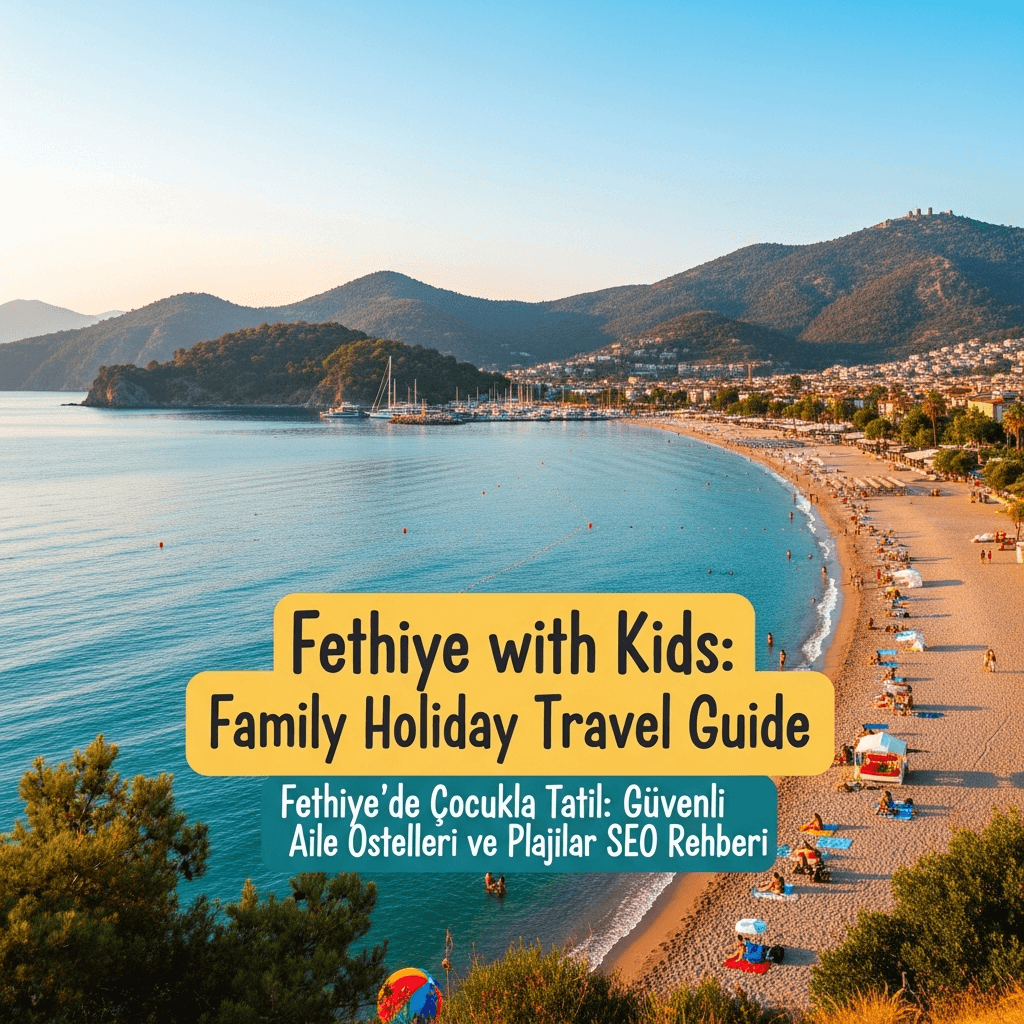
Fethiye with Kids: Family Holiday Travel Guide
Ultimate family SEO travel guide to Fethiye with kids and toddlers. Best shallow beaches, stroller-friendly hotels, and safe family boat trips listed.
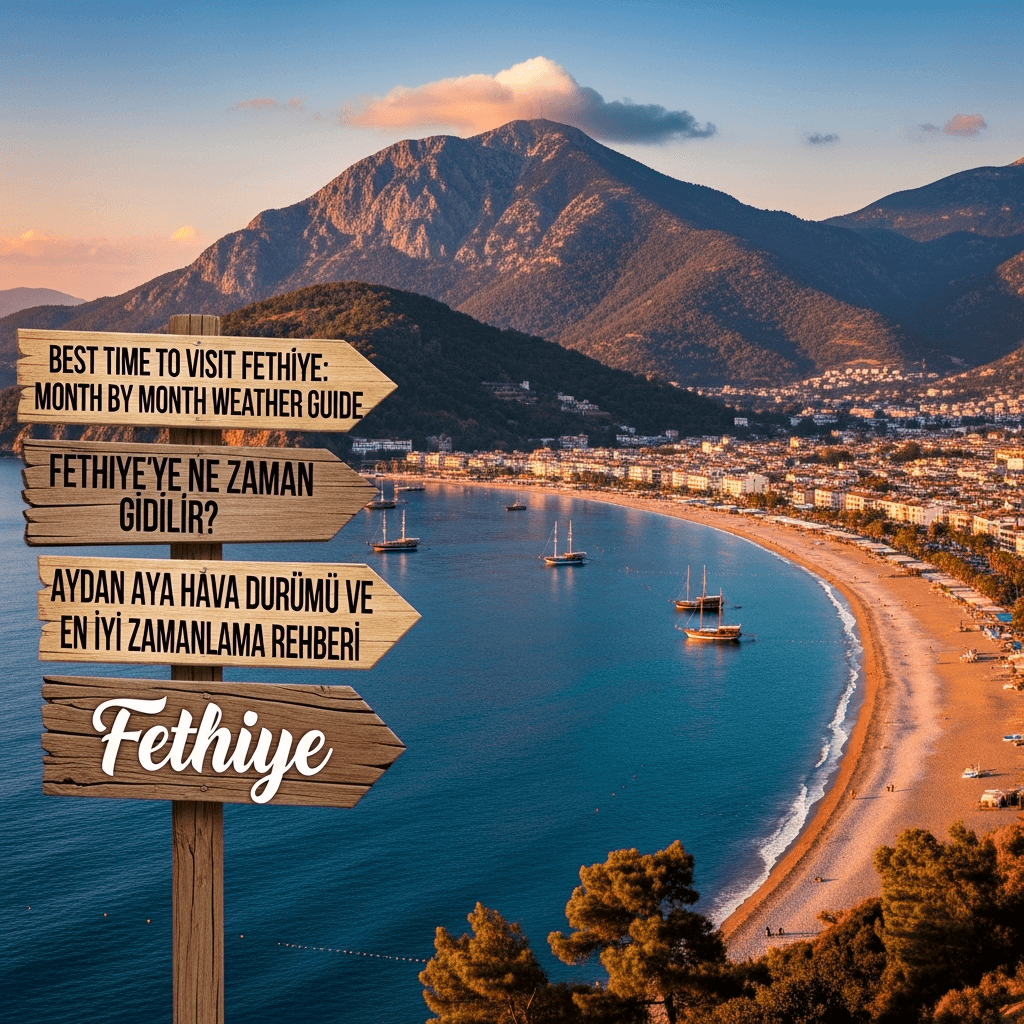
Best Time to Visit Fethiye: Month by Month Weather Guide
When is the best time to go to Fethiye? Detailed SEO weather guide month by month. Summer peaks, autumn sea temperatures and spring trekking tips.
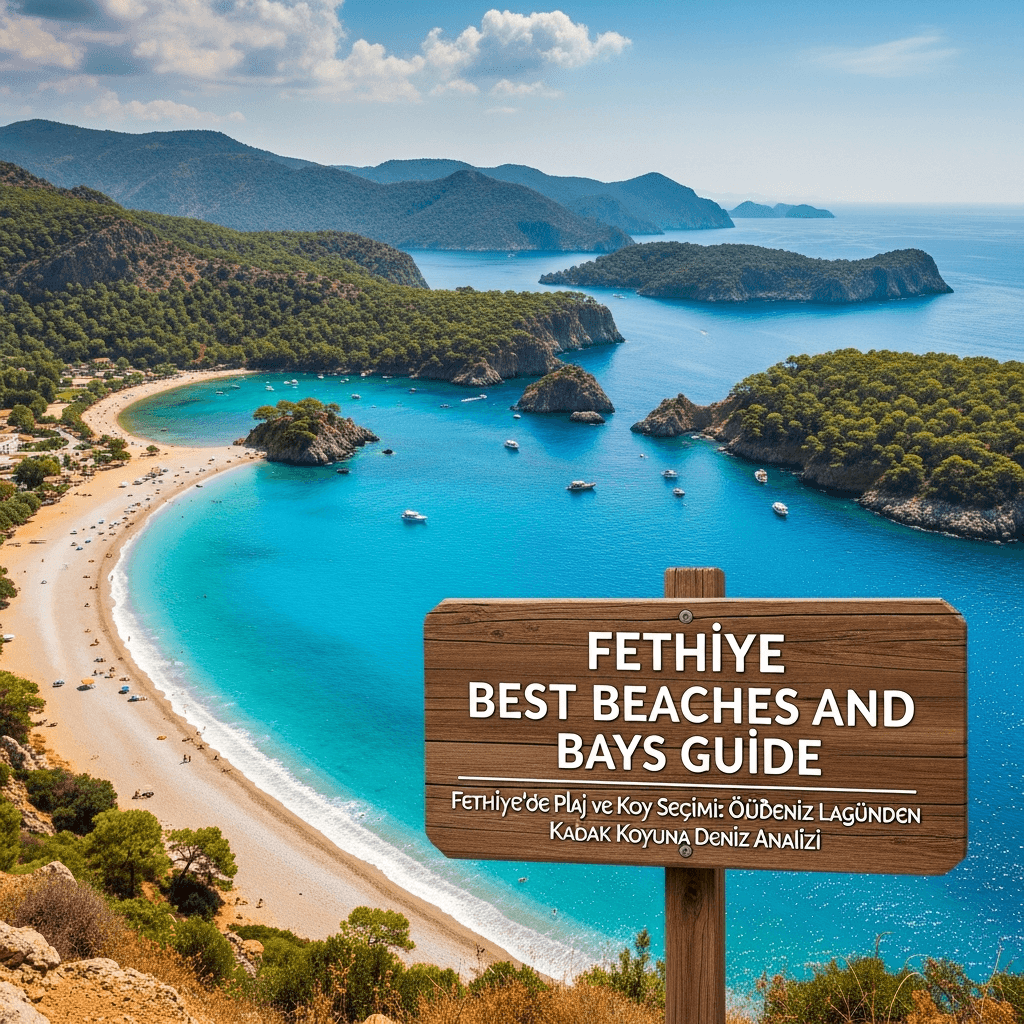
Fethiye Best Beaches and Bays Guide
Comprehensive SEO guide to Fethiye's best beaches. Compare Blue Lagoon, Belcekiz pebbles, Calis beach wind, and hidden Kidrak/Kabak bays.
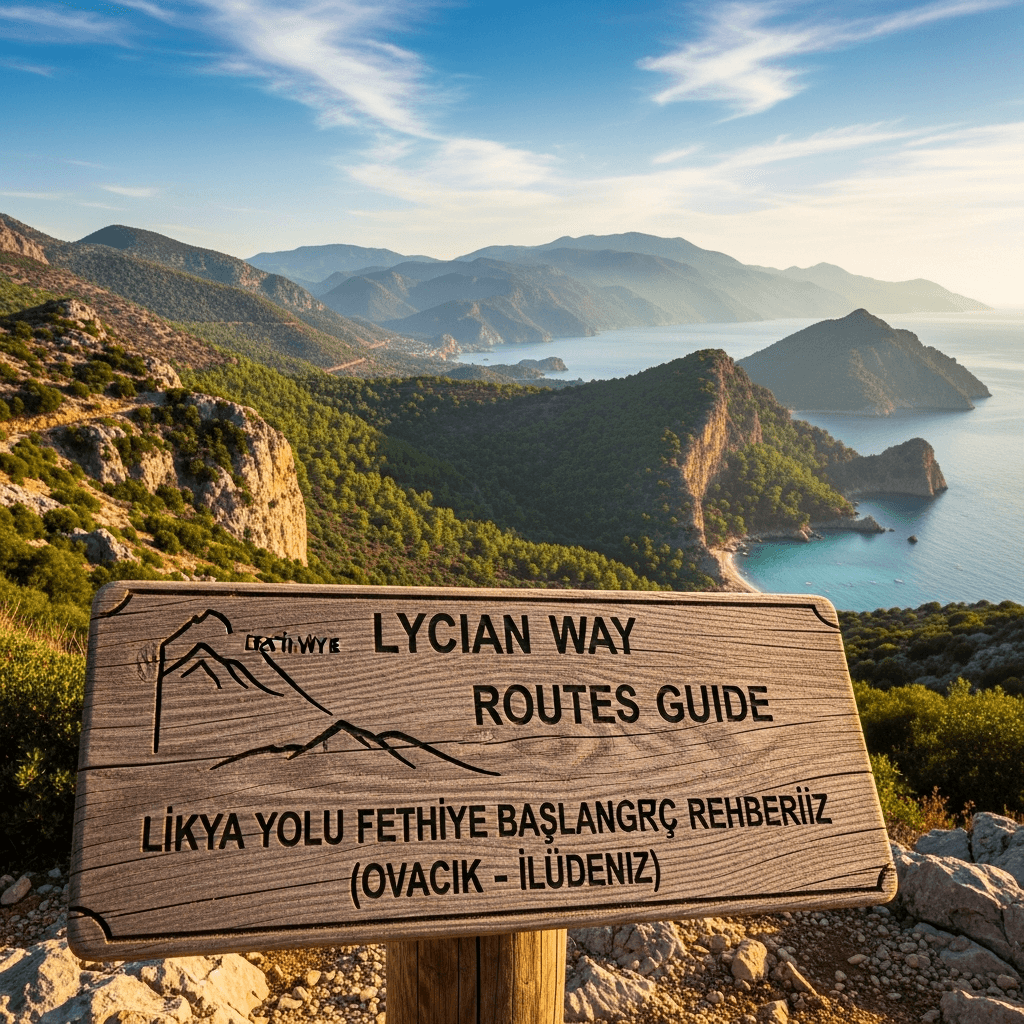
Lycian Way Fethiye Routes Guide
Ultimate Guide to starting the Lycian Way from Fethiye (Ovacik, Faralya, Kayakoy). Daily hiking routes, trails, maps, and offline tips with full SEO tables.
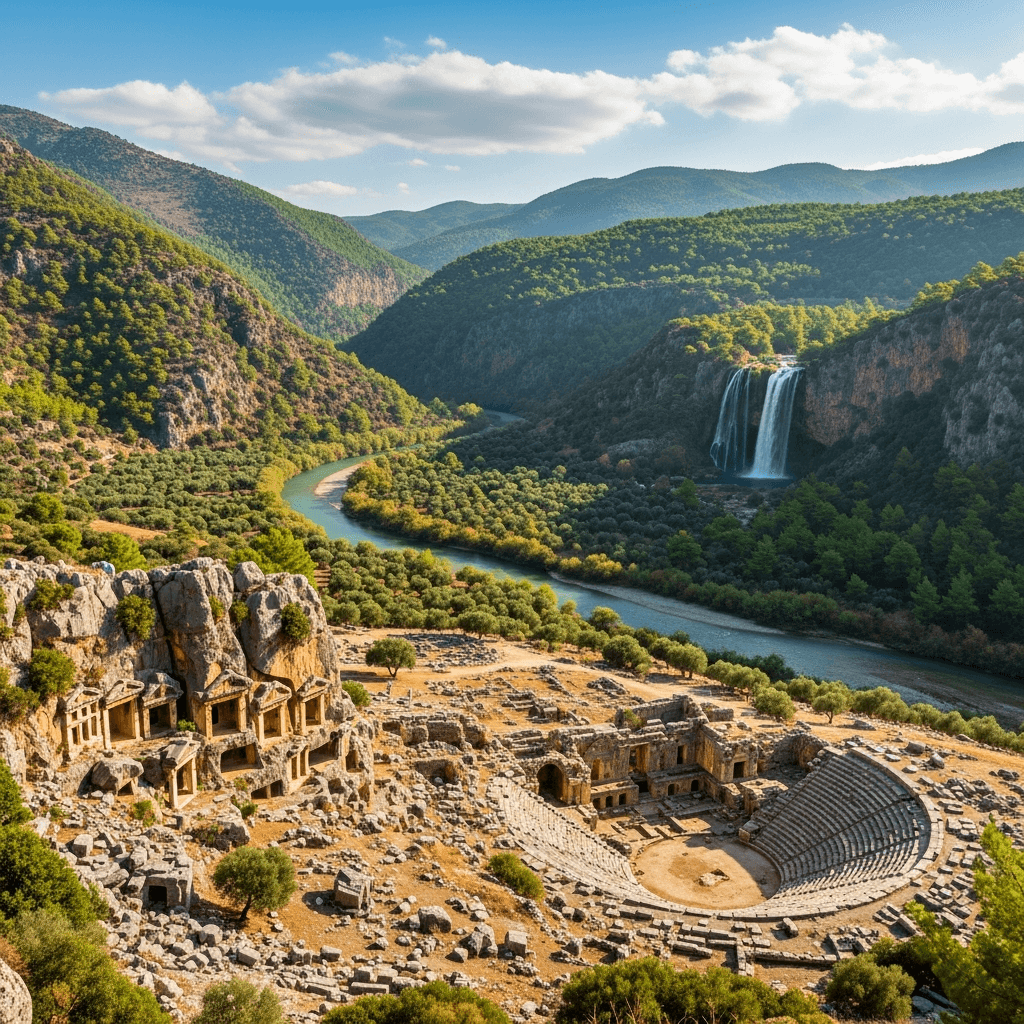
Tlos Ancient City & Yakapark Day Trip Guide
Ultimate Fethiye day trip SEO guide: Morning at Tlos Ancient City and Lycian rock tombs, afternoon lunch at Yakapark waterfalls, and Saklikent alternatives.
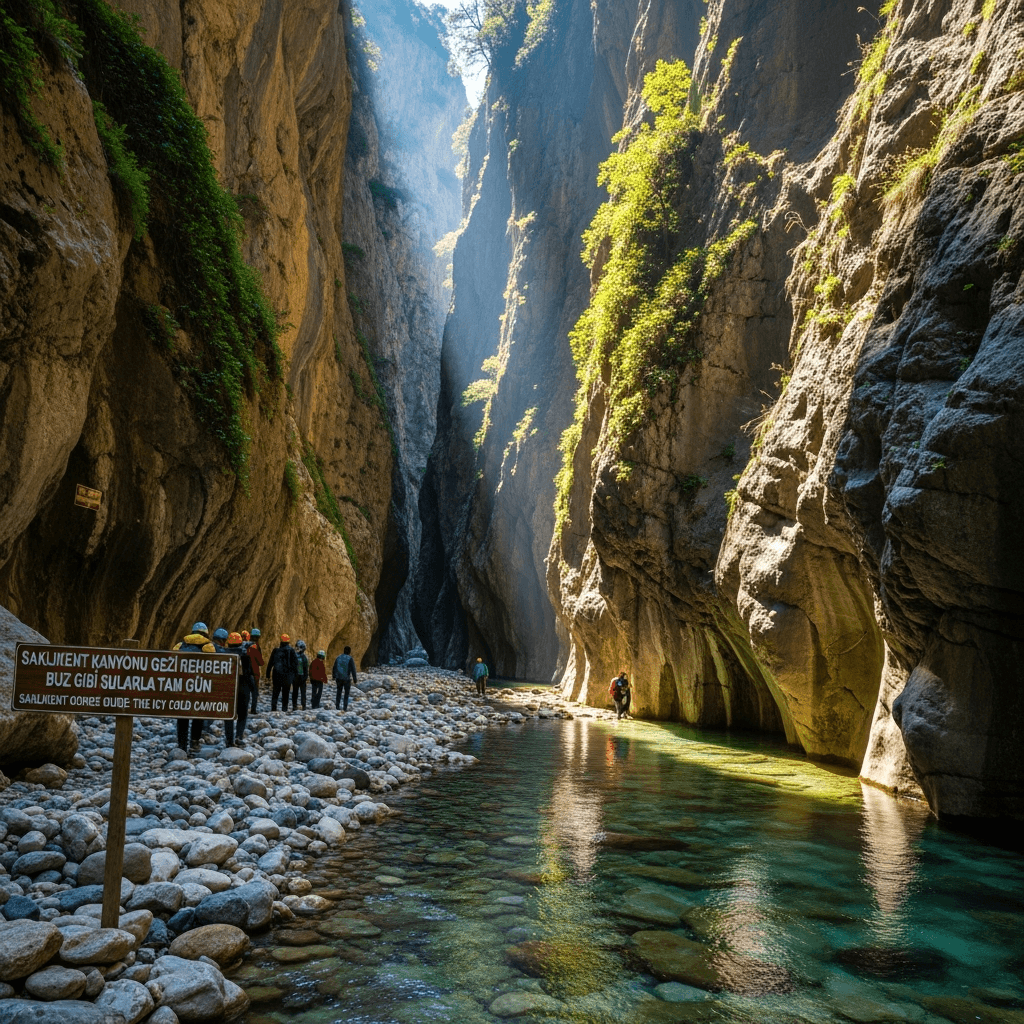
Saklikent Gorge Guide: The Icy Cold Canyon
Ultimate SEO guided Fethiye Saklikent Gorge and Canyon travel guide. Tips for hiking the icy river, mud baths, and comparing Gizlikent Waterfall.
Best 5 Sunset Spots in Fethiye
Where to watch the best sunset in Fethiye? Detailed SEO guide for Calis beach, Babadag 1700m, and Sovalye island sunsets with tables and tips.
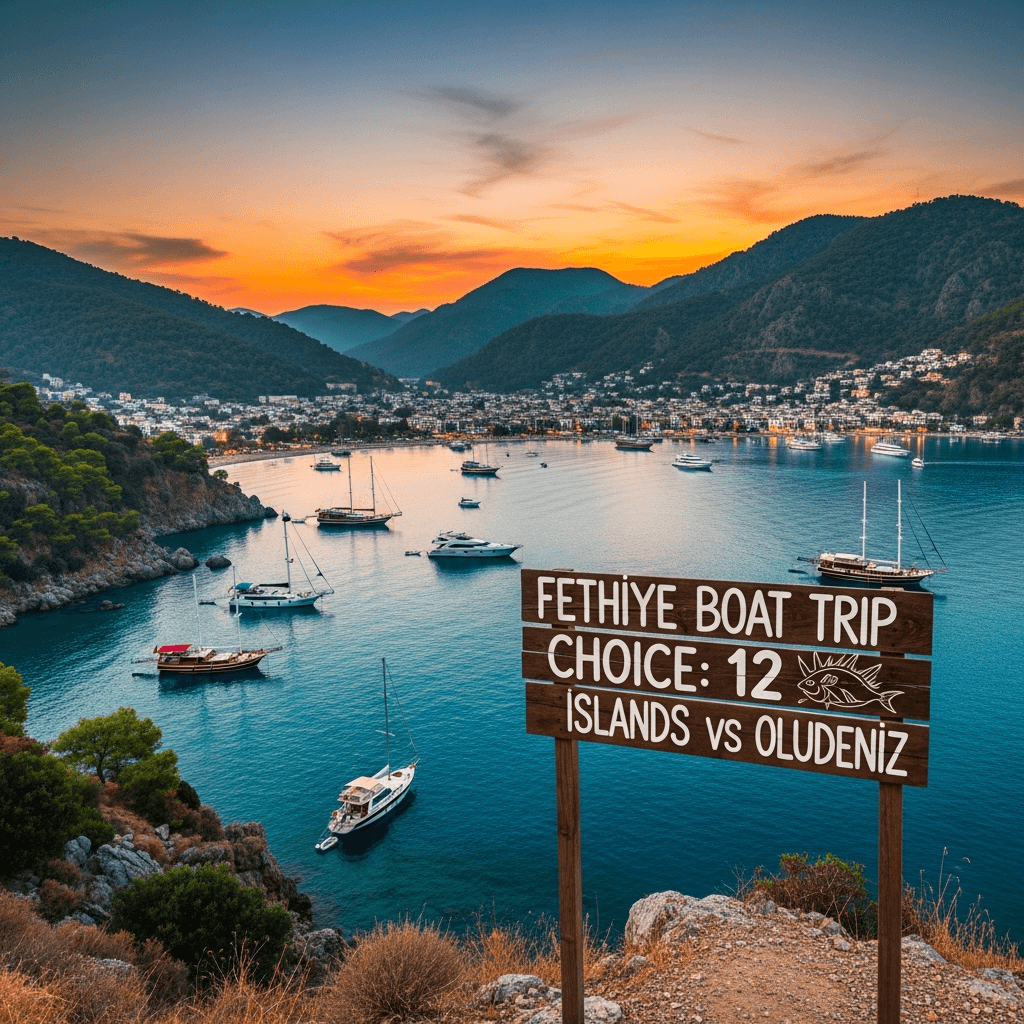
Fethiye Boat Trip Choice: 12 Islands vs Oludeniz
Ultimate comparison between the 12 Islands Boat Trip and the Oludeniz Butterfly Valley boat tour. Detailed SEO travel guide with tables and tips.
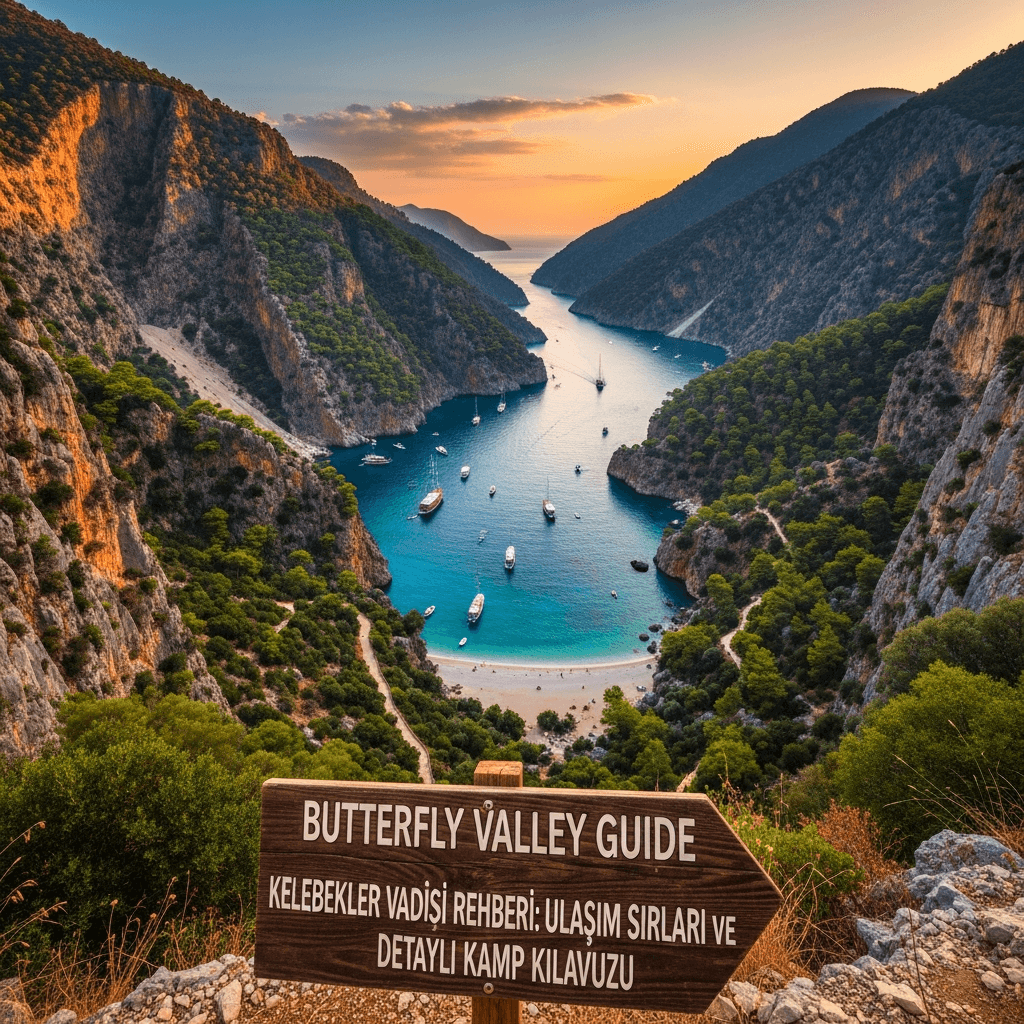
Butterfly Valley Guide
Ultimate SEO guided Fethiye Butterfly Valley travel guide. How to get there by boat or hike, best camping spots, and waterfall trekking tips.
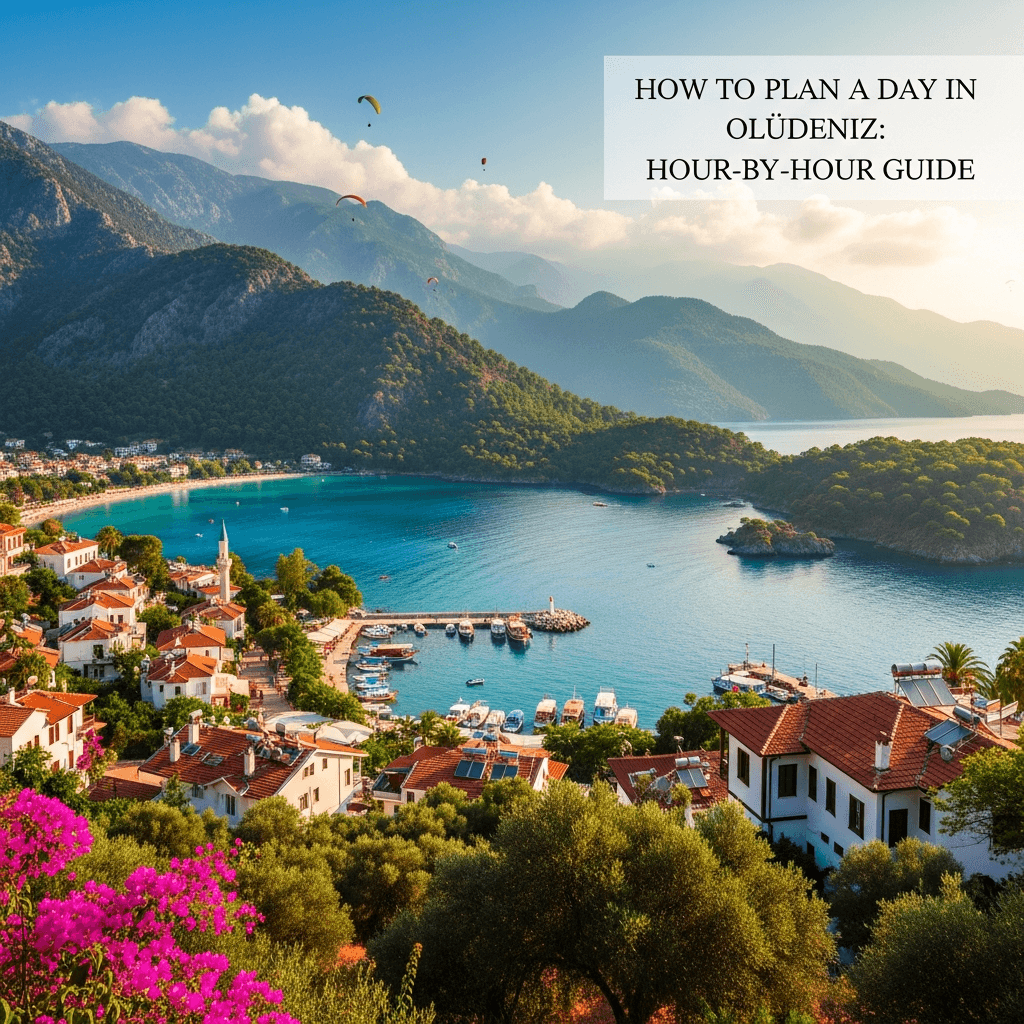
How to Plan a Day in Oludeniz: Hour-by-Hour Guide
An hour-by-hour itinerary for visiting Oludeniz, Kumburnu Blue Lagoon, Belcekiz beach, and the Babadag cable car. Essential tips for your holiday.
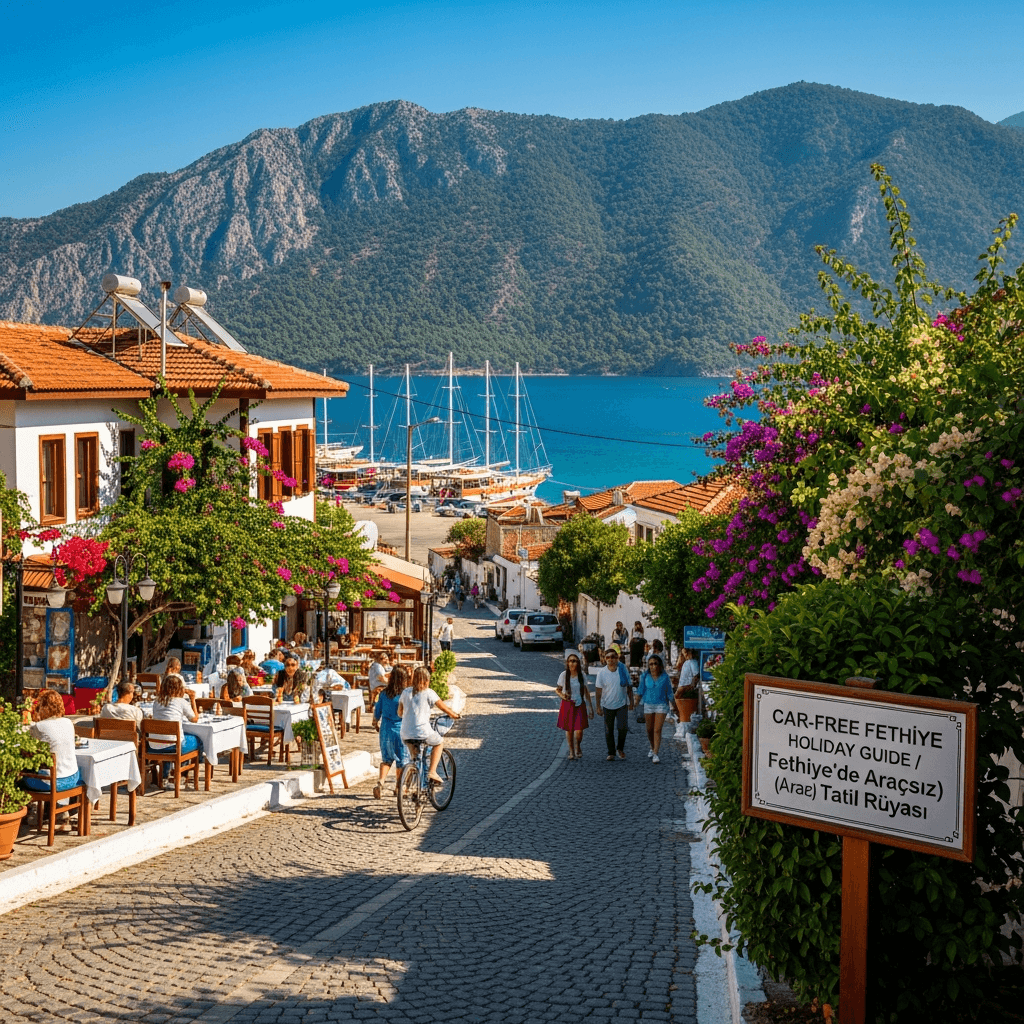
Car-Free Fethiye Holiday Guide
Discover how to enjoy a completely car-free holiday in Fethiye. Full transportation guide including water taxis, local dolmus, and walking trails.
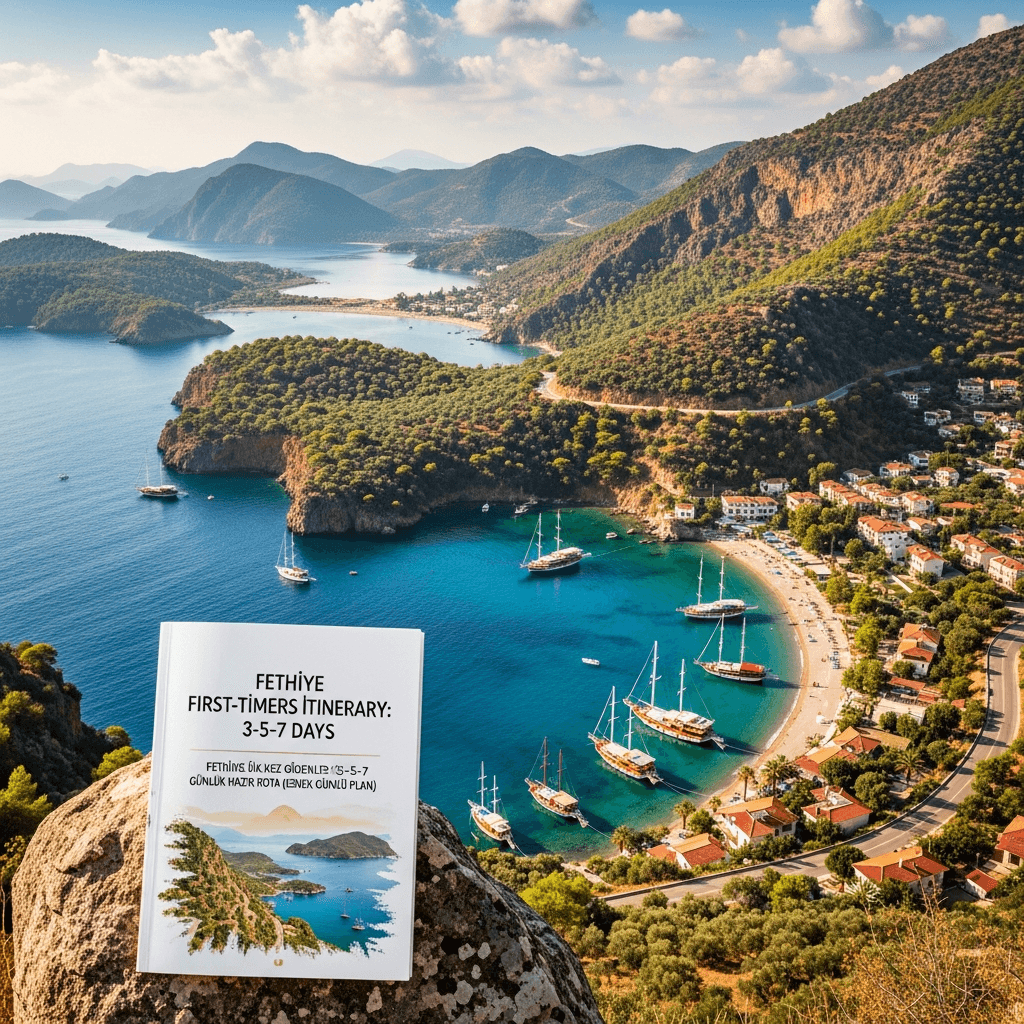
Fethiye First-Timers Itinerary: 3-5-7 Days
An optimized and flexible 3, 5, or 7-day itinerary for your first visit to Fethiye. Unmissable spots like Oludeniz, Saklikent Gorge and Babadag.
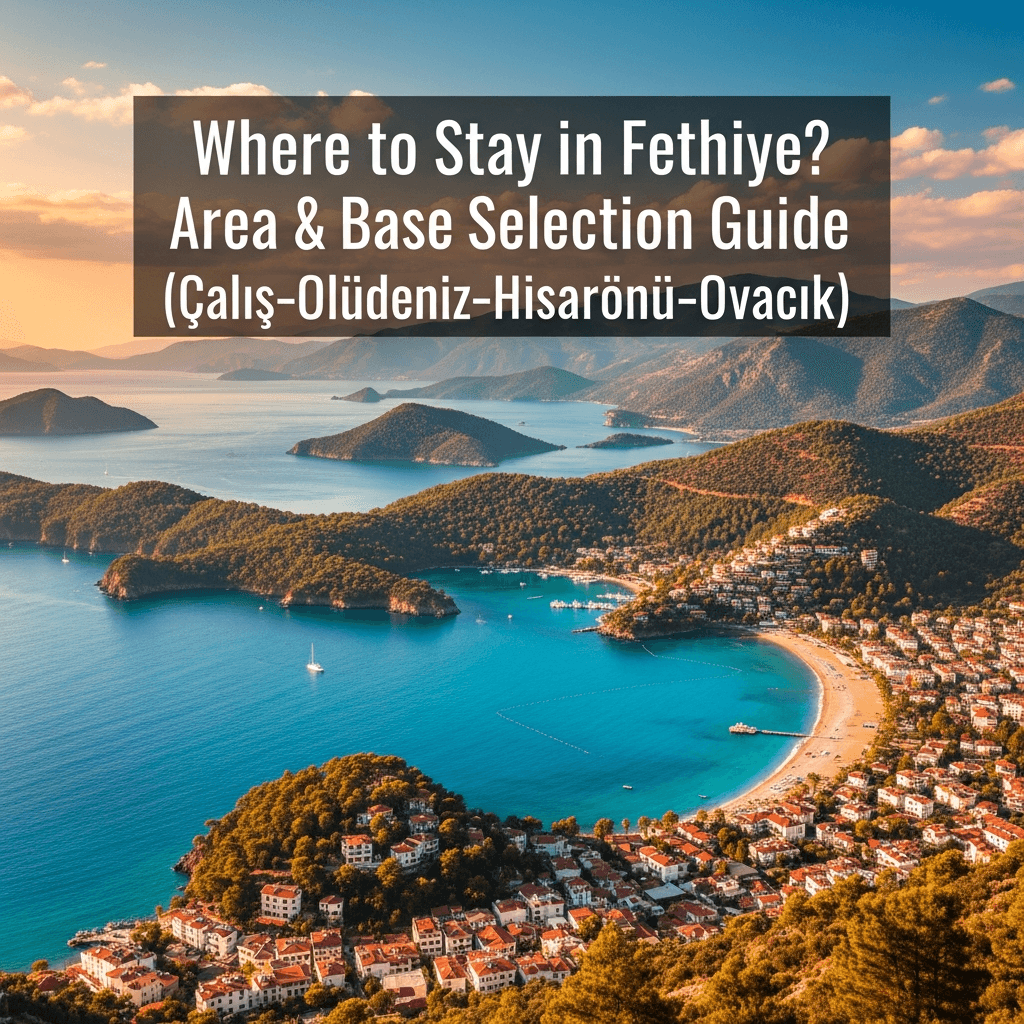
Where to Stay in Fethiye? Area & Base Selection Guide
Where to stay in Fethiye, Turkey? An extensive area-by-area guide choosing between Calis Beach, Oludeniz, Hisaronu, Ovacik and the Town Center.
Did you find this guide helpful?
Check out our other guides to discover more hidden gems in .
Explore All Guides