Bargaining in Turkey: A UK-Friendly Guide to Polite Haggling (Markets & Bazaars, No Awkwardness)
Bargaining in Turkey can be friendly and enjoyable when you keep it polite and simple. This UK-focused guide shows when haggling is normal, when it isn’t, how to make offers without awkwardness, and how to set a spending limit so you don’t overpay or overspend. Includes copy-paste phrases and FAQs.
Hızlı Özet
- • best places to visit
- •Local restaurant and cafe recommendations
- •Accommodation options and price ranges
- •Transportation info and tips
Table of Contents
Quick answer: Bargaining in Turkey is often a friendly part of market culture — but it works best when you keep it polite, light, and fair. Haggle in places where it’s normal (markets/bazaars, some independent stalls), and don’t haggle where prices are clearly fixed. Decide your max spend before you start, make a calm offer, and be happy to walk away. That’s the whole skill.
Is bargaining expected in Turkey?
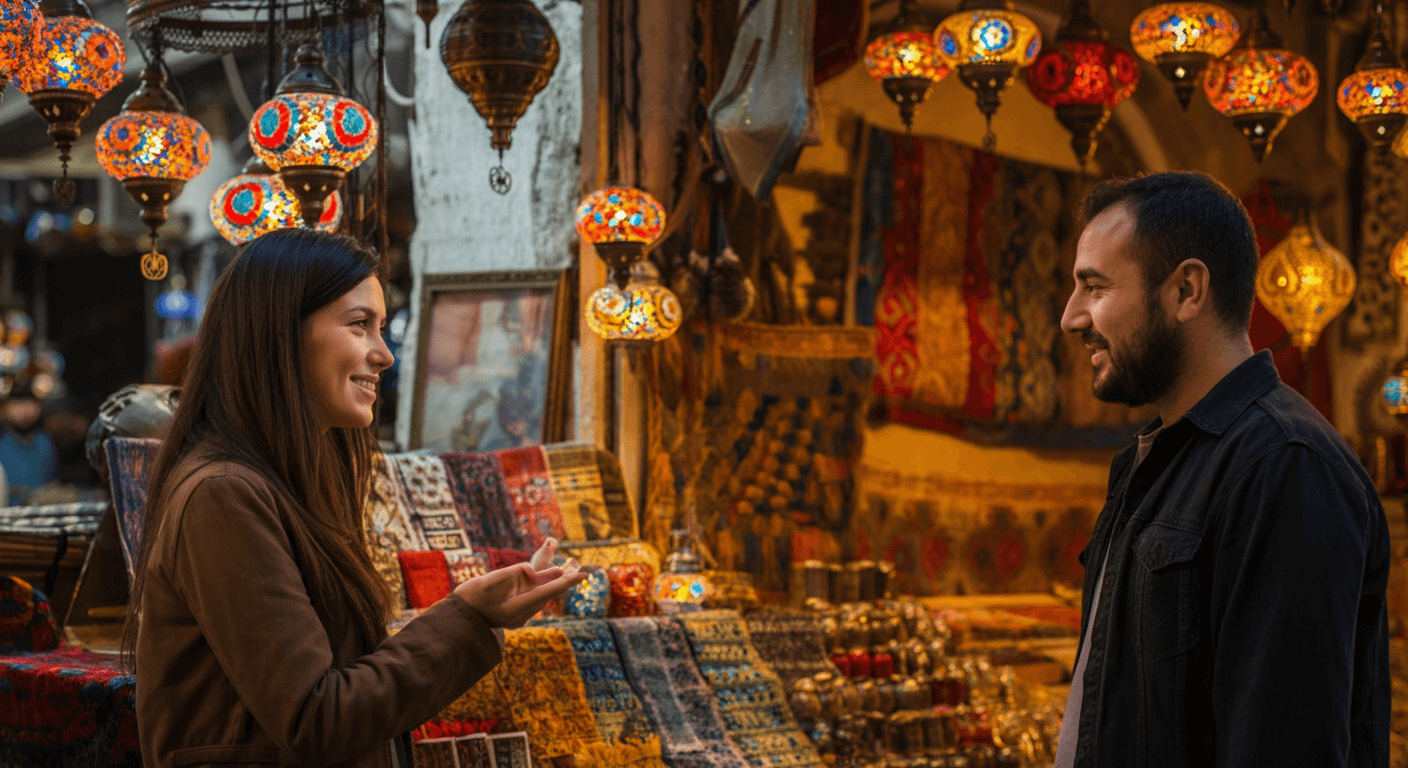
In many traditional markets and bazaars, yes — bargaining can be part of the experience. In modern retail settings, supermarkets, and places with clearly displayed fixed prices, bargaining is usually not the norm.
Simple rule: If it feels like a “market stall”, bargaining may be normal. If it feels like a “shop with a fixed till”, pay the price and move on.
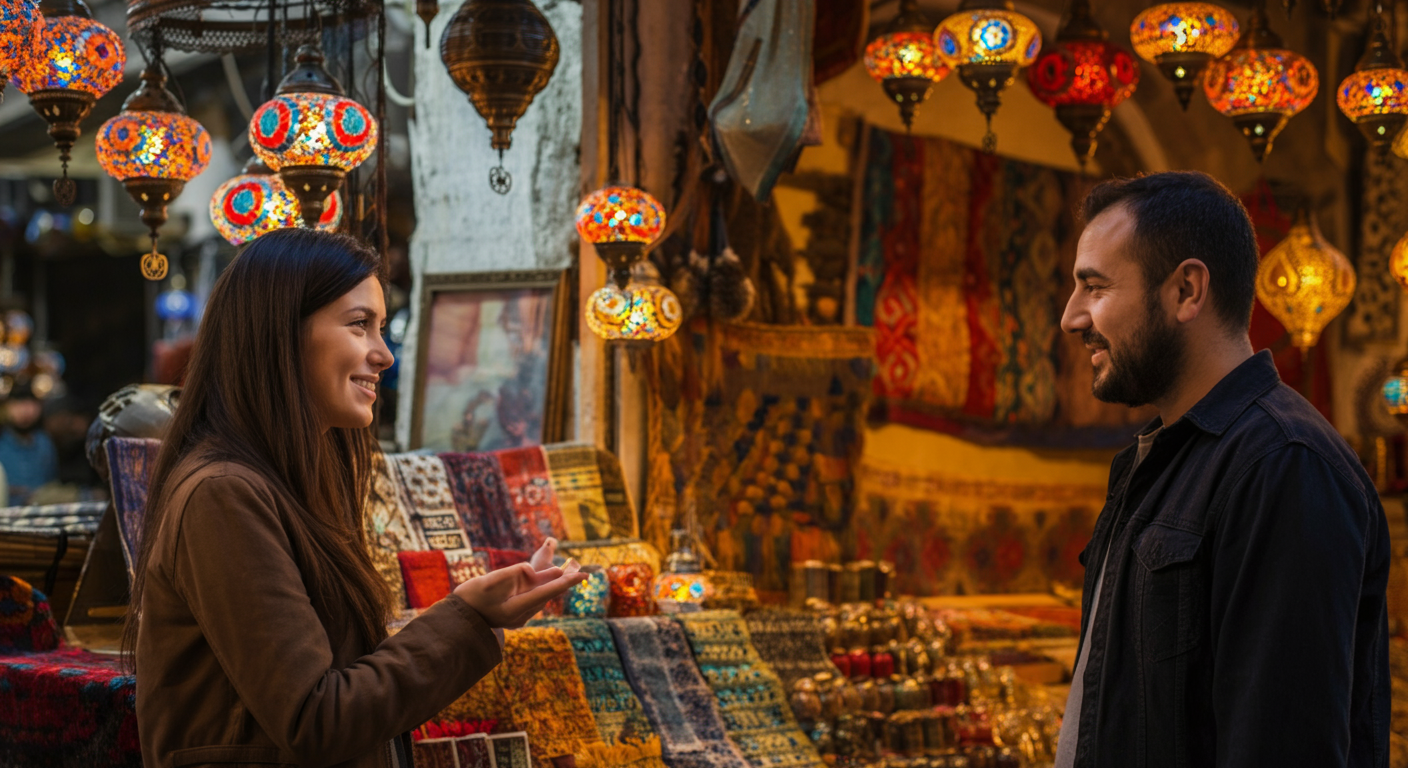
Where bargaining is normal (and where it usually isn’t)
Usually normal
- Markets and bazaars
- Independent souvenir stalls
- Handmade goods and crafts where pricing is flexible
Usually not normal
- Supermarkets and convenience shops
- Chain-style stores and malls
- Places where prices are clearly labelled and consistent
UK-friendly tip: If you’re unsure, ask with a smile: “Is this the best price?” It’s a soft way to test whether bargaining is welcome.
The mindset that makes bargaining feel easy (and respectful)
UK travellers often worry about being rude. The solution is to treat bargaining as a friendly conversation, not a confrontation.
- Be warm and respectful
- Be clear about your budget
- Be happy to walk away without drama
Simple rule: If you’d feel uncomfortable saying it in a friendly tone, don’t say it.
Step-by-step: how to bargain without awkwardness
Step 1: decide your “max price” before you ask
This prevents impulse buys and keeps your holiday spending calm.
- Ask yourself: “What would I feel happy paying for this?”
- Set a max and stick to it
- If you can’t decide, it’s not a must-buy
For spending structure, use: Money in Turkey: Daily Budget Framework
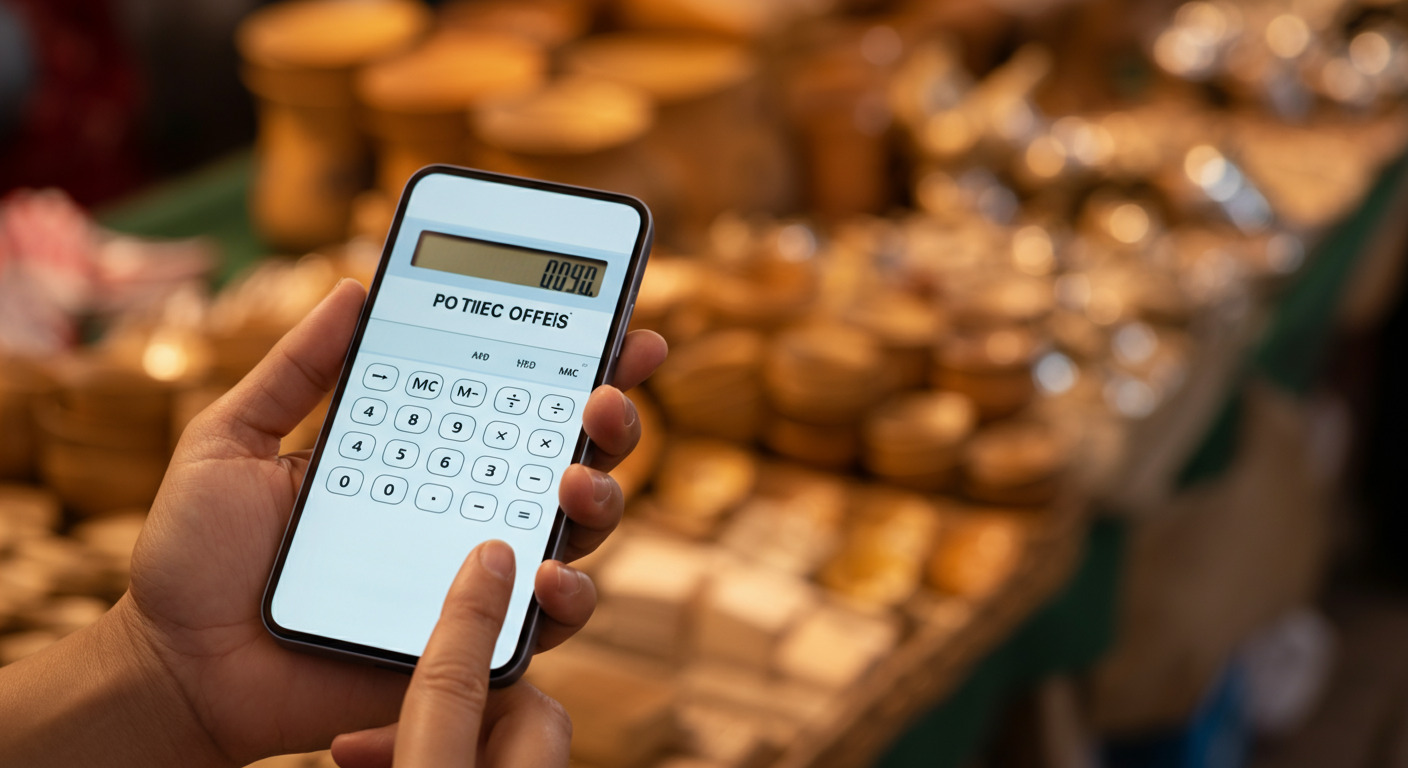
Step 2: ask the price and keep your reaction neutral
- Don’t look shocked
- Don’t look overly excited
- Just stay calm and friendly
UK-friendly tip: Your facial expression is part of the negotiation.
Step 3: make a polite offer
Make an offer that feels fair to you. If you’re buying more than one item, bundle your offer.
- Single item: “Could you do it for [your price]?”
- Multiple items: “If I take these two/three, what’s the best total price?”
Simple rule: Bundle buys are often the easiest way to get a better deal without aggressive haggling.
Step 4: pause (silence helps)
After you offer, stop talking. Let the seller respond. This is the part UK travellers often skip.
UK-friendly tip: A calm pause does more than extra words.
Step 5: decide quickly and stick to your max
- If it’s within your max and you want it, say yes and enjoy it
- If it’s not, smile and say you’ll think — then walk away
Simple rule: Walking away politely is a normal part of market shopping.
How to bargain when you don’t speak Turkish
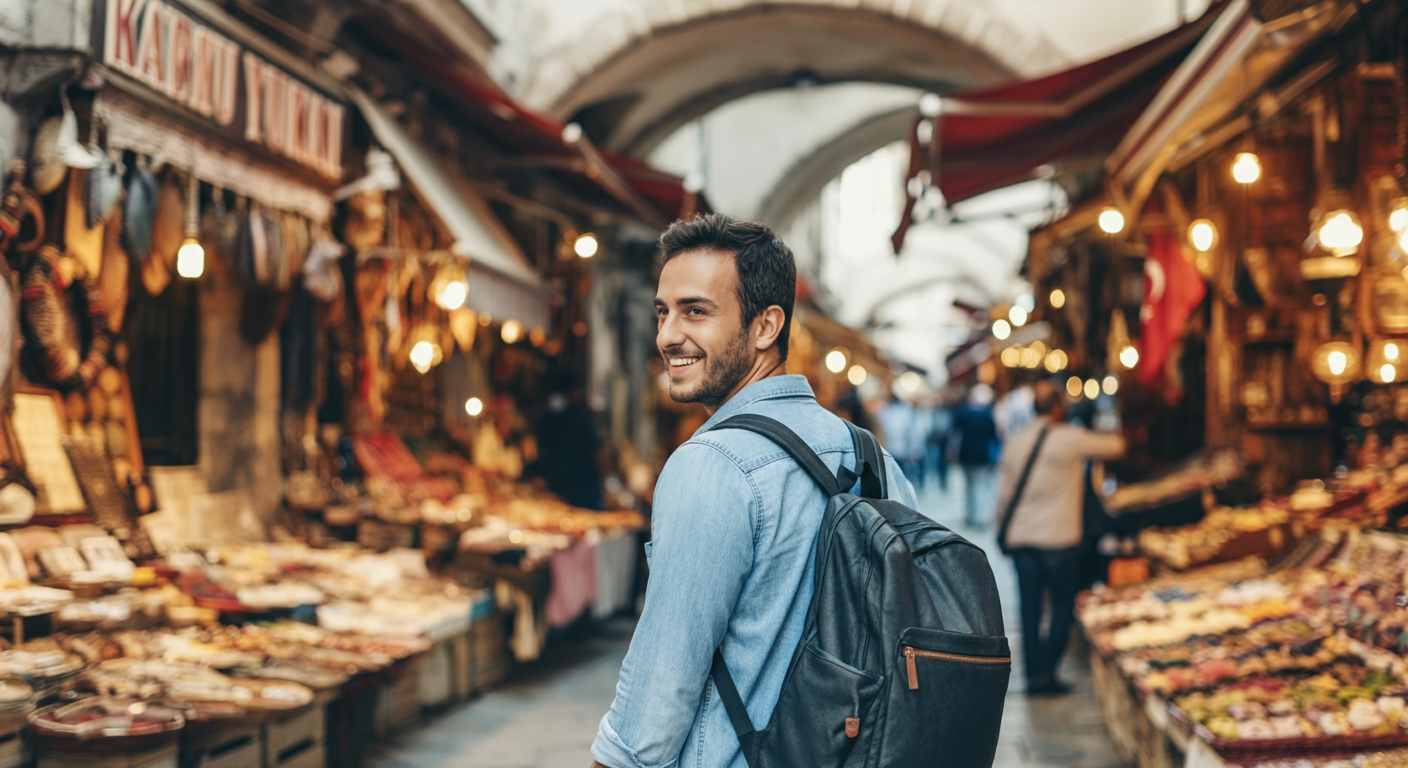
You don’t need Turkish to bargain politely. Use simple English, a calculator screen, or your phone notes.
- Use clear numbers
- Point politely
- Smile and keep it friendly
UK-friendly tip: Showing the number on your phone avoids confusion and keeps everything smooth.

Paying and currency: keep it clear
Many stalls prefer cash; some accept card. Keep both options available if you’re shopping a lot.
- Use card for bigger purchases when available
- Use cash for fast purchases and easy bargaining
- If a card terminal offers a currency choice, many travellers prefer paying in local currency for clearer conversion via their bank/card terms
Helpful reads:
What not to do (so the experience stays positive)
- Don’t bargain aggressively on small, low-cost items — it can feel unnecessary
- Don’t push someone below a fair level just “because you can”
- Don’t pretend you’ll buy if you won’t
- Don’t let the moment pressure you into buying something you don’t want
Simple rule: Bargaining should feel friendly for both sides.
Copy-paste phrases (UK-friendly, polite)
- “Is this the best price?”
- “Could you do it for [X]?”
- “If I take two, what’s the best total?”
- “That’s a bit above my budget — thank you though.”
- “I’ll have a think and come back.”
UK-friendly tip: “Thank you” is your bargaining superpower. It keeps everything warm and respectful.
Quick checklist: the “no awkwardness” bargain method
- Decide your max price first
- Ask “Is this the best price?”
- Bundle items if buying more than one
- Make one calm offer
- Pause
- Say yes if happy, or walk away politely

FAQ: bargaining in Turkey (UK travellers)
Do I have to bargain in Turkey?
No. Bargaining is optional. If you don’t enjoy it, shop in fixed-price places and buy what you like without negotiating.
Where should I bargain?
Markets and bazaars are the main places where bargaining may be normal. In modern shops with fixed labels, bargaining usually isn’t expected.
What’s the most polite way to start bargaining?
Start softly: “Is this the best price?” If the seller engages, you can make a calm offer.
Is it rude to walk away?
No — walking away politely is normal in market culture. Just smile and say thank you.
How do I avoid overspending when I’m enjoying the vibe?
Set a max price before you ask, and choose 1–2 hero buys for your trip. That way you enjoy shopping without budget stress.
Should I pay cash or card when bargaining?
Cash can make bargaining and small purchases simpler. Card is great for bigger purchases when available. Keeping both options gives you the smoothest experience.

Melis Yıldız
Editör"Modern konfor ve estetik detaylara önem veren Melis, lüks oteller ve tasarım butik konaklamalar üzerine uzmanlaşmıştır."
Guides About
Istanbul Public Transport Guide: Istanbulkart, Metro, Tram & Ferry Explained
İstanbul'da ulaşım karmaşasına son verin! İstanbulkart, metro, tramvay, otobüs ve feribot gibi toplu taşıma ağlarını kolayca anlayın.
Best Istanbul Photo Route: 1-Day Viral Shots (Golden Hour & Crowd Strategy)
İstanbul'un en viral fotoğraf noktalarını keşfedin! Boğaz, Galata ve Tarihi Yarımada'da 1 günde, ışık saatleri ve kalabalık stratejileriyle mükemmel kareler yakalayın.
Istanbul Budget Planner: Economical, Balanced & Comfortable Spending Modes Guide
İstanbul gezinizi bütçenize uygun planlayın! Ekonomik, dengeli veya rahat modlarla harcama mantığını keşfederek şehri doyasıya yaşayın.
Istanbul with Kids Guide: Baby & Toddler Checklists | Hot Weather & Rainy Day Plan
İstanbul'da çocukla gezmek artık çok kolay! Bebek/çocuk kontrol listeleri ve öğle sıcağı/yağmur için özel İstanbul gezi planları bu rehberde.
Istanbul Walkable Neighborhoods: 2-3 Hour Walking Routes & Map Guide
İstanbul'un en güzel semtlerini yürüyerek keşfedin! Tarihi yarımada ve Boğaz çevresindeki 2-3 saatlik mini rotalarla şehri deneyimleyin.

Istanbul Mosque Guide for Tourists: Dress Code, Photography & Prayer Times
İstanbul camilerini ziyaret edecek turistler için giyim, saat ve fotoğraf kuralları rehberi. Cami ziyaretinizden önce bilmeniz gereken tüm detayları basitçe öğrenin.
Istanbul Travel Tips: Avoid Scams & Surprises (Taxis, Restaurants, Tours)
İstanbul'da taksi, menü ve tur sürprizleri yaşamadan güvenle gezmek için basit kuralları keşfedin. Dolandırılmadan keyifli bir İstanbul deneyimi için ipuçları burada.
Istanbul Evening Guide: Safe & Fun Activities & Plans for Families, Couples & Solo Travelers
İstanbul'da akşam ne yapılır? Aile, çift veya tek kişi için Boğaz turu, tarihi mekanlar ve güvenli eğlence seçenekleriyle dolu rehberimizi keşfedin.
Istanbul Rainy Day Itinerary: Indoor Museums, Bazaars & Cafes
İstanbul'da yağmurlu havalarda sıkılmayın! Müzeler, tarihi çarşılar ve şirin kafelerle dolu kapalı mekan rotalarıyla keyifli bir gün geçirin.
Istanbul Sunset Spots: Crowd-Free Hours & Best Sunset Walk Routes
İstanbul'da kalabalıktan uzak gün batımı noktaları ve Boğaz'da eşsiz sunset walk rotalarıyla şehrin büyüsüne kapılın.
Istanbul 1-Day Itinerary: Europe to Asia Route (Hour-by-Hour & Walking Guide)
İstanbul'da bir günde Avrupa'dan Anadolu'ya geçiş rotasını keşfedin! Saat saat planlanmış bu eşsiz gezi rehberiyle iki kıtayı yürüme seviyenize göre deneyimleyin.

Sabiha Gökçen (SAW) to Istanbul Transfer: Easiest Options Guide
Sabiha Gökçen (SAW) havalimanından İstanbul şehir merkezine en kolay ulaşım (metro, Havabüs, taksi) seçeneklerini ve saatinize göre en mantıklı yolu keşfedin.

Istanbul Airport (IST) Transfer Guide: Taxi, Metro, or Private for Late Night Arrivals
İstanbul Havalimanı (IST) gece varışı için taksi, metro veya özel transfer mi? İstanbul'a en hızlı ve konforlu ulaşım seçeneğini keşfedin.

Istanbul Public Transport Guide: Metro, Tram and Ferry Logic
İstanbul'da ulaşımı çözün! Turistler için İstanbulkart nasıl alınır, T1 Tramvay, M2 Metro ve vapur kullanımı, taksi tuzaklarından korunma rehberi.

First Time in Istanbul: 3–5–7 Days Ready Itinerary
İstanbul'u yorulmadan ve kaybolmadan gezmek isteyenler için saat saat planlanmış, en verimli 3 günlük, 5 günlük ve 7 günlük hazır turistik gezi rotası.

Where to Stay in Istanbul? Area & Base Selection Guide
İstanbul'da ilk kez nerede kalınır? Sultanahmet, Karaköy, Taksim, Beşiktaş ve Kadıköy bölgelerinin detaylı, artı-eksi analizli, ulaşım odaklı konaklama rehberi.

Best Instagram and Photo Spots in Fethiye Route
Ultimate Fethiye Instagram and photography SEO guide list. Find the best spots: Butterfly Valley viewpoint cliff, Babadag glass terrace, and Ghost Town.

Fethiye Budget Planner: Travel Costs and Saving Tips
Ultimate SEO Fethiye holiday budget planner. Is Fethiye expensive? Guide to food prices, transport, boat trips, and saving tips for smart travelers.
Fethiye with Kids: Family Holiday Travel Guide
Ultimate family SEO travel guide to Fethiye with kids and toddlers. Best shallow beaches, stroller-friendly hotels, and safe family boat trips listed.
Best Time to Visit Fethiye: Month by Month Weather Guide
When is the best time to go to Fethiye? Detailed SEO weather guide month by month. Summer peaks, autumn sea temperatures and spring trekking tips.
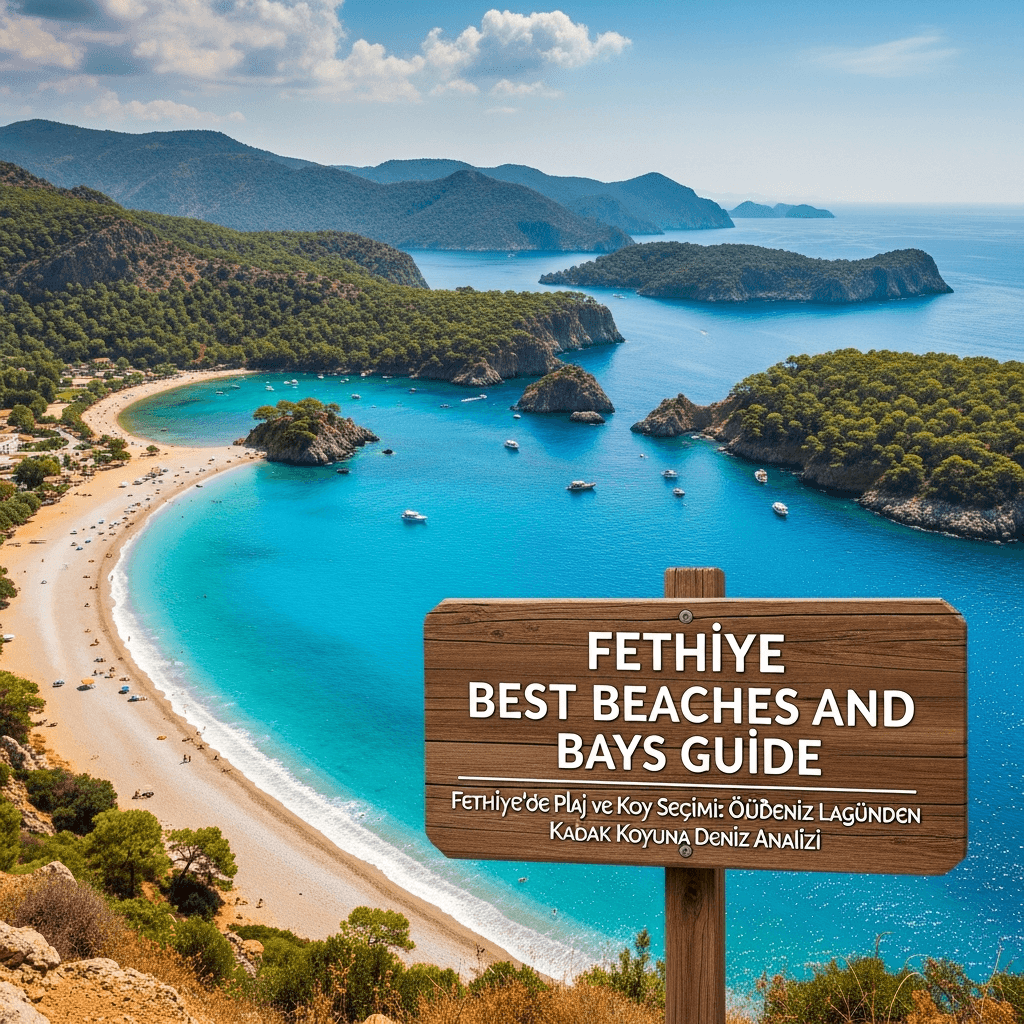
Fethiye Best Beaches and Bays Guide
Comprehensive SEO guide to Fethiye's best beaches. Compare Blue Lagoon, Belcekiz pebbles, Calis beach wind, and hidden Kidrak/Kabak bays.
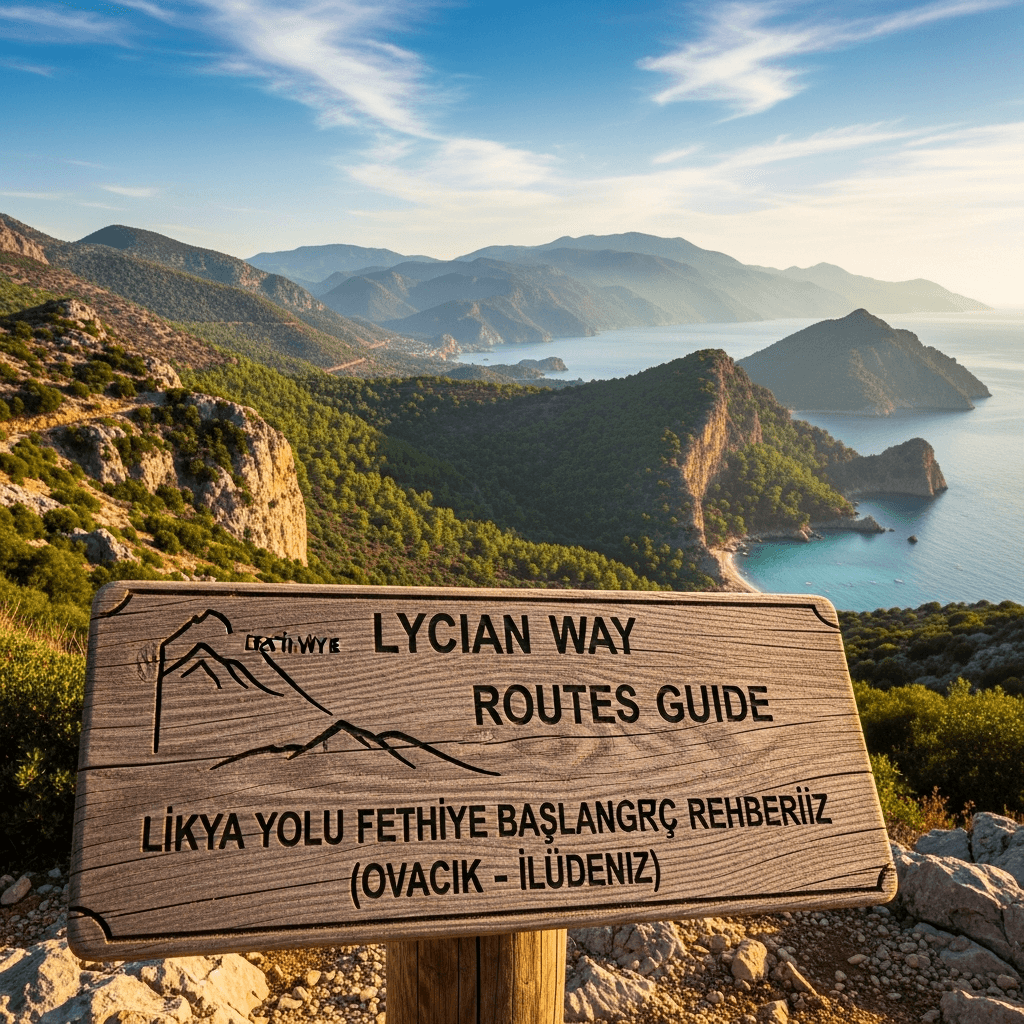
Lycian Way Fethiye Routes Guide
Ultimate Guide to starting the Lycian Way from Fethiye (Ovacik, Faralya, Kayakoy). Daily hiking routes, trails, maps, and offline tips with full SEO tables.
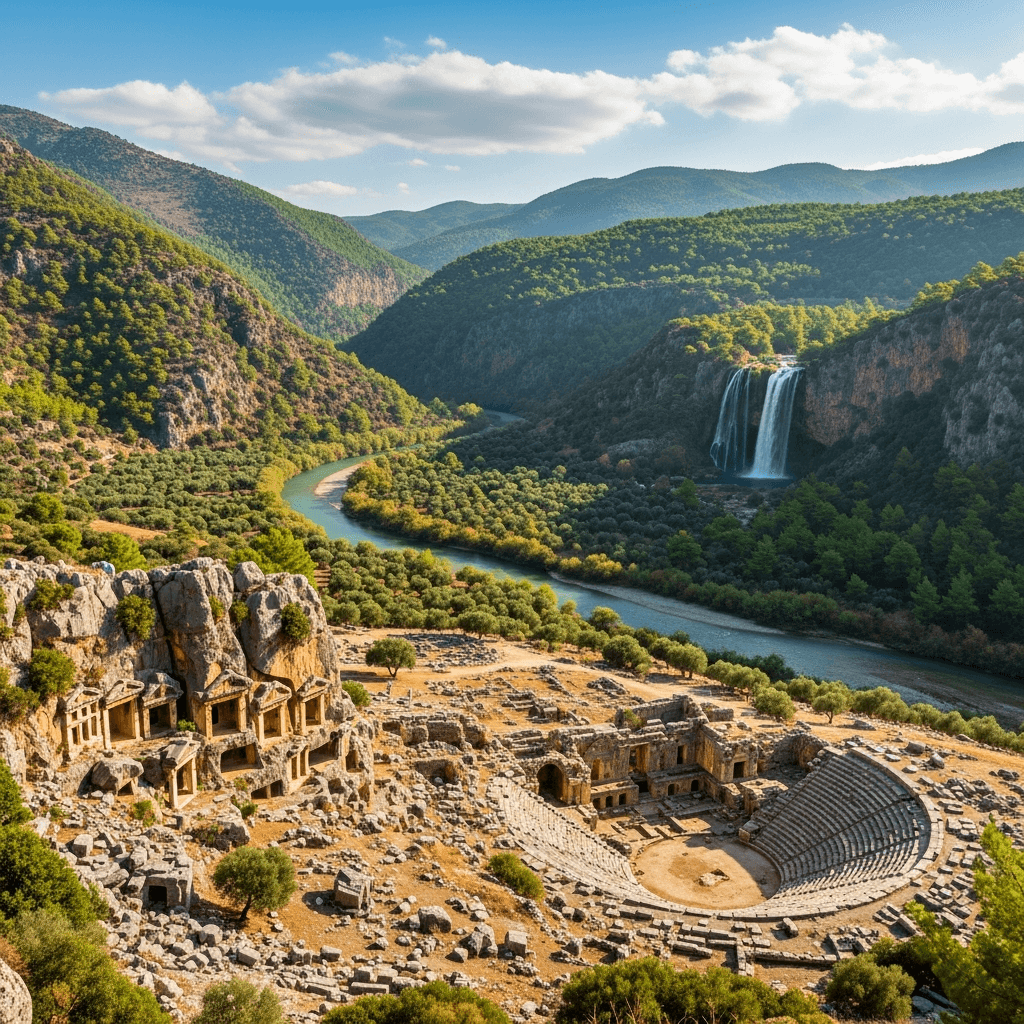
Tlos Ancient City & Yakapark Day Trip Guide
Ultimate Fethiye day trip SEO guide: Morning at Tlos Ancient City and Lycian rock tombs, afternoon lunch at Yakapark waterfalls, and Saklikent alternatives.
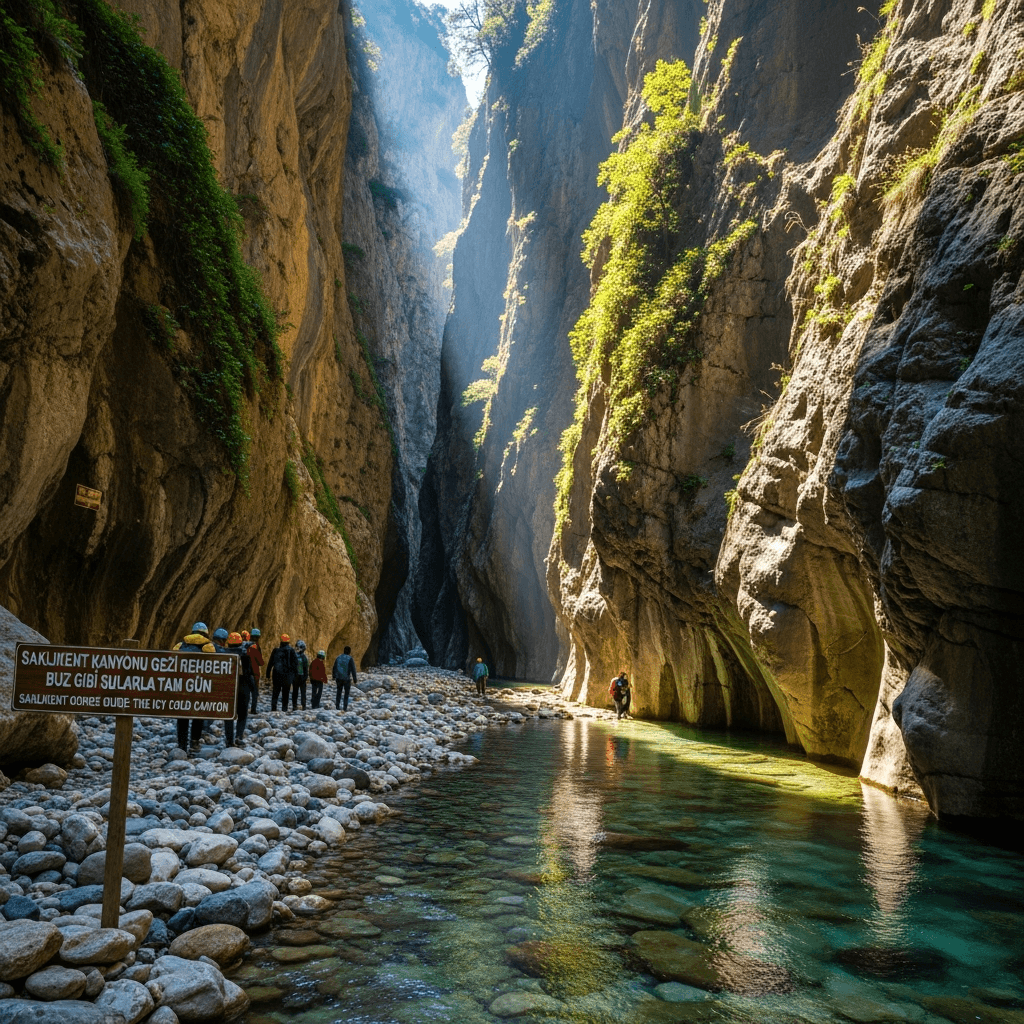
Saklikent Gorge Guide: The Icy Cold Canyon
Ultimate SEO guided Fethiye Saklikent Gorge and Canyon travel guide. Tips for hiking the icy river, mud baths, and comparing Gizlikent Waterfall.
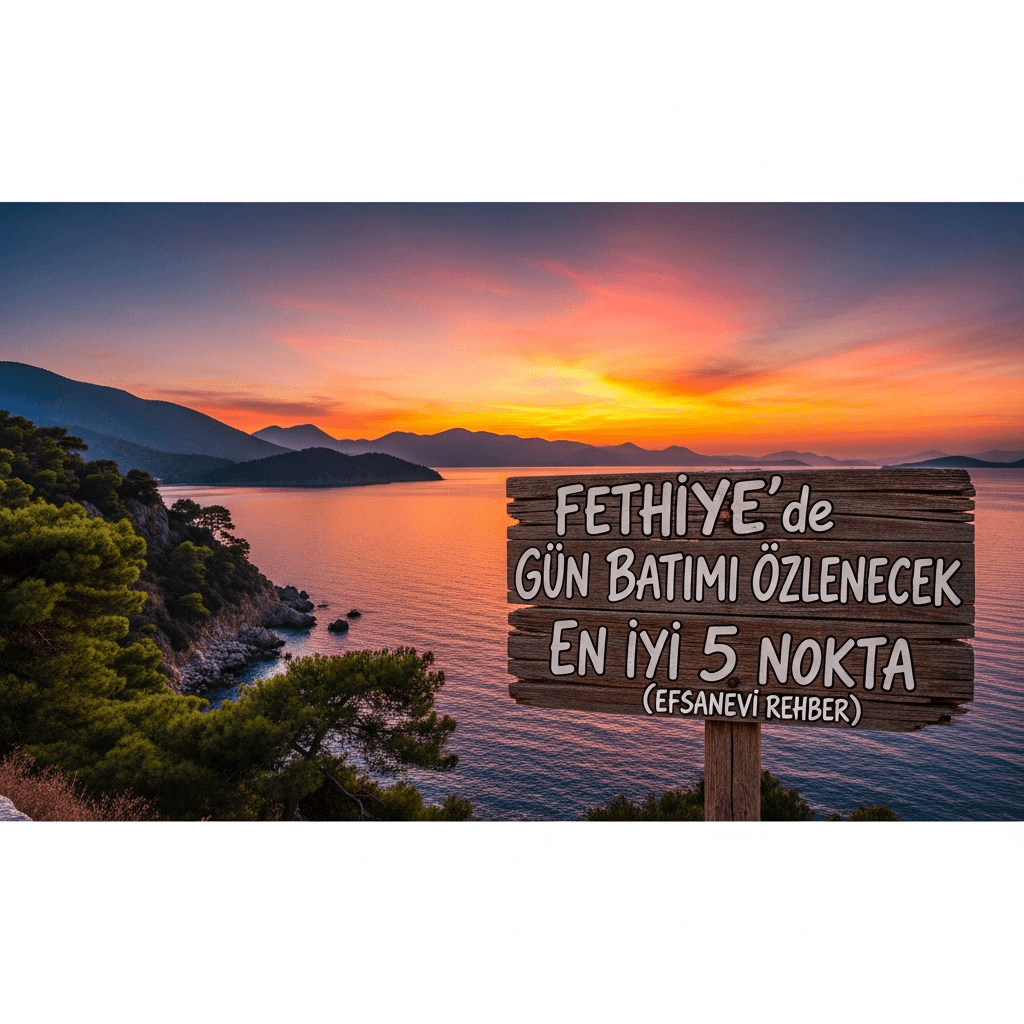
Best 5 Sunset Spots in Fethiye
Where to watch the best sunset in Fethiye? Detailed SEO guide for Calis beach, Babadag 1700m, and Sovalye island sunsets with tables and tips.
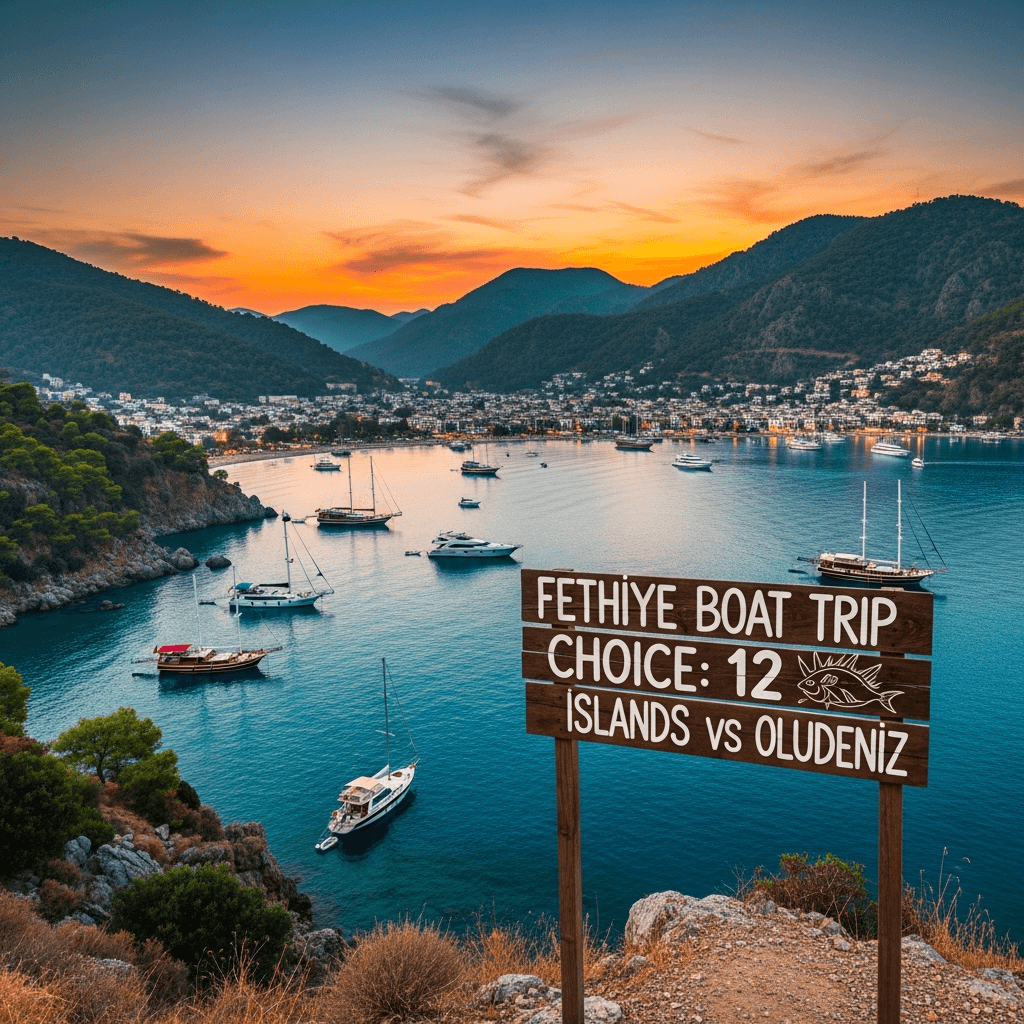
Fethiye Boat Trip Choice: 12 Islands vs Oludeniz
Ultimate comparison between the 12 Islands Boat Trip and the Oludeniz Butterfly Valley boat tour. Detailed SEO travel guide with tables and tips.
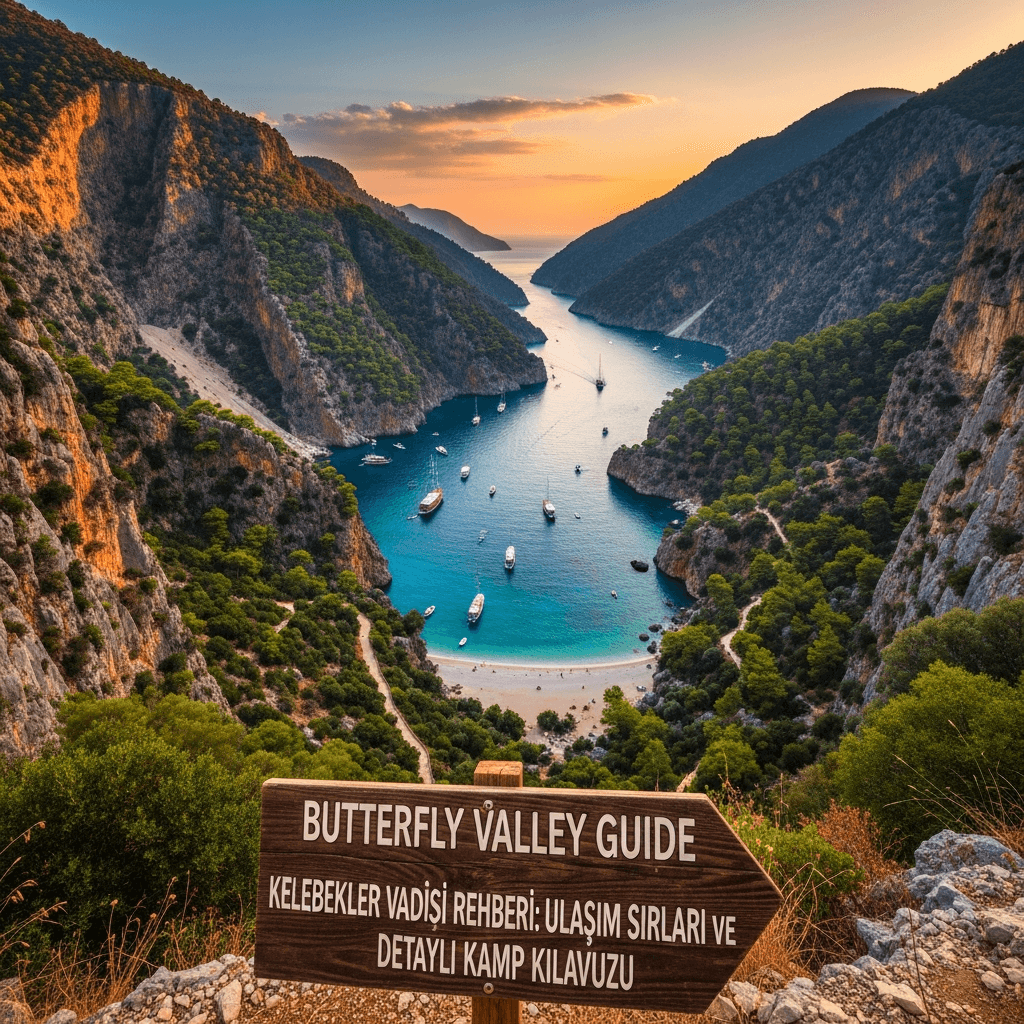
Butterfly Valley Guide
Ultimate SEO guided Fethiye Butterfly Valley travel guide. How to get there by boat or hike, best camping spots, and waterfall trekking tips.
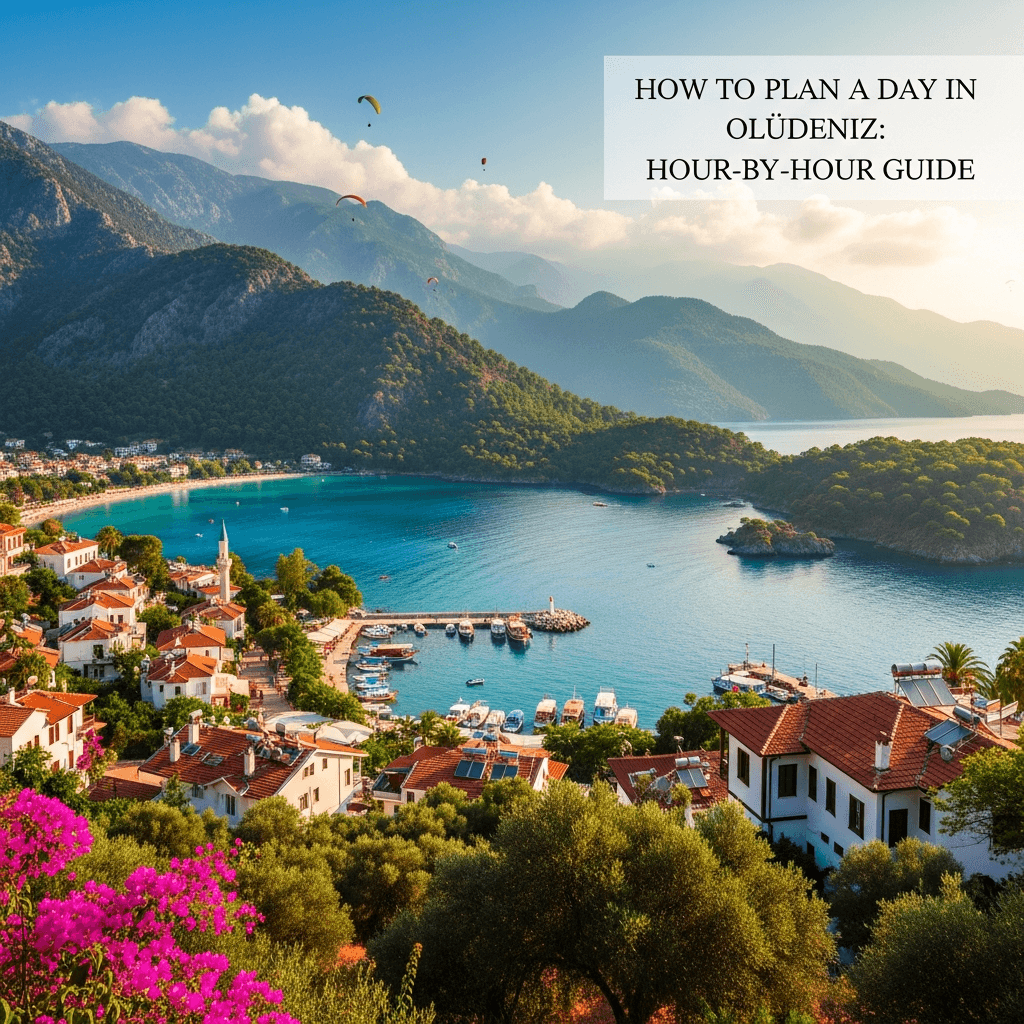
How to Plan a Day in Oludeniz: Hour-by-Hour Guide
An hour-by-hour itinerary for visiting Oludeniz, Kumburnu Blue Lagoon, Belcekiz beach, and the Babadag cable car. Essential tips for your holiday.
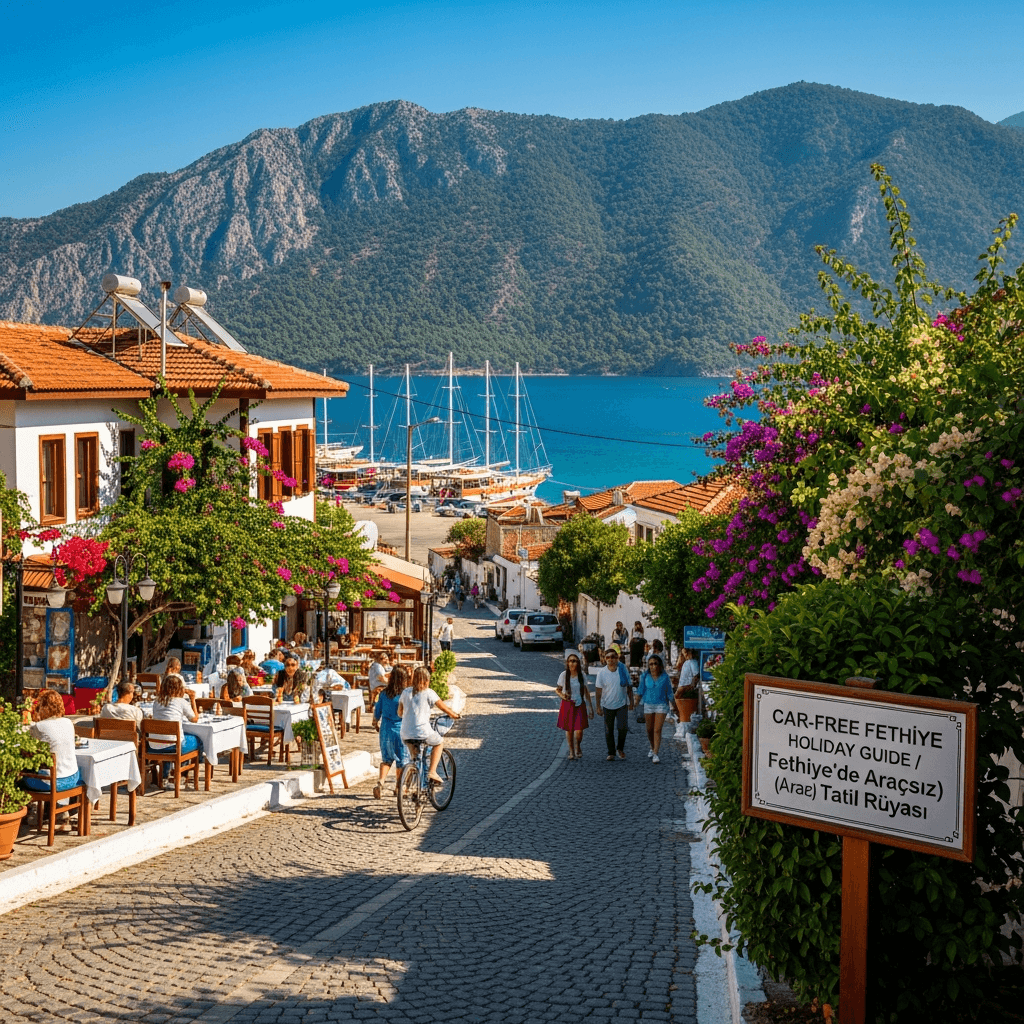
Car-Free Fethiye Holiday Guide
Discover how to enjoy a completely car-free holiday in Fethiye. Full transportation guide including water taxis, local dolmus, and walking trails.
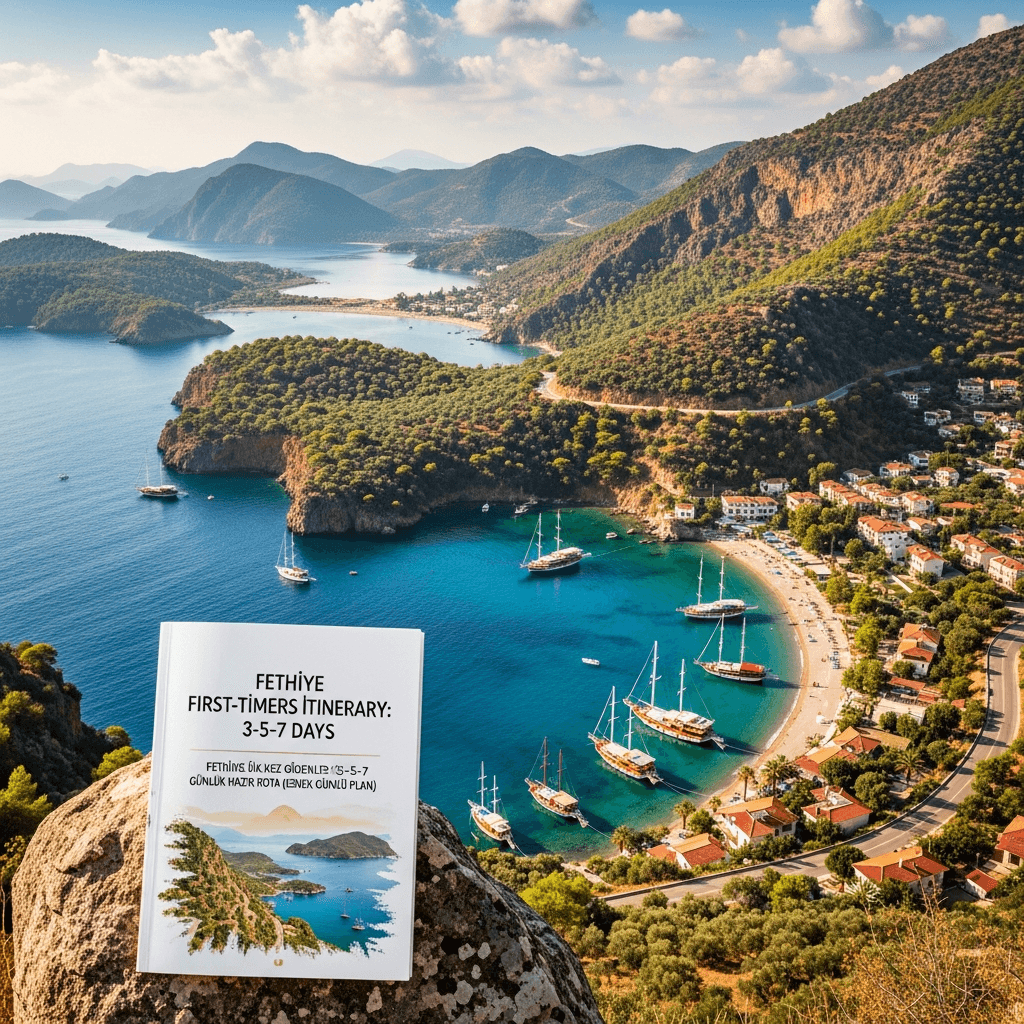
Fethiye First-Timers Itinerary: 3-5-7 Days
An optimized and flexible 3, 5, or 7-day itinerary for your first visit to Fethiye. Unmissable spots like Oludeniz, Saklikent Gorge and Babadag.
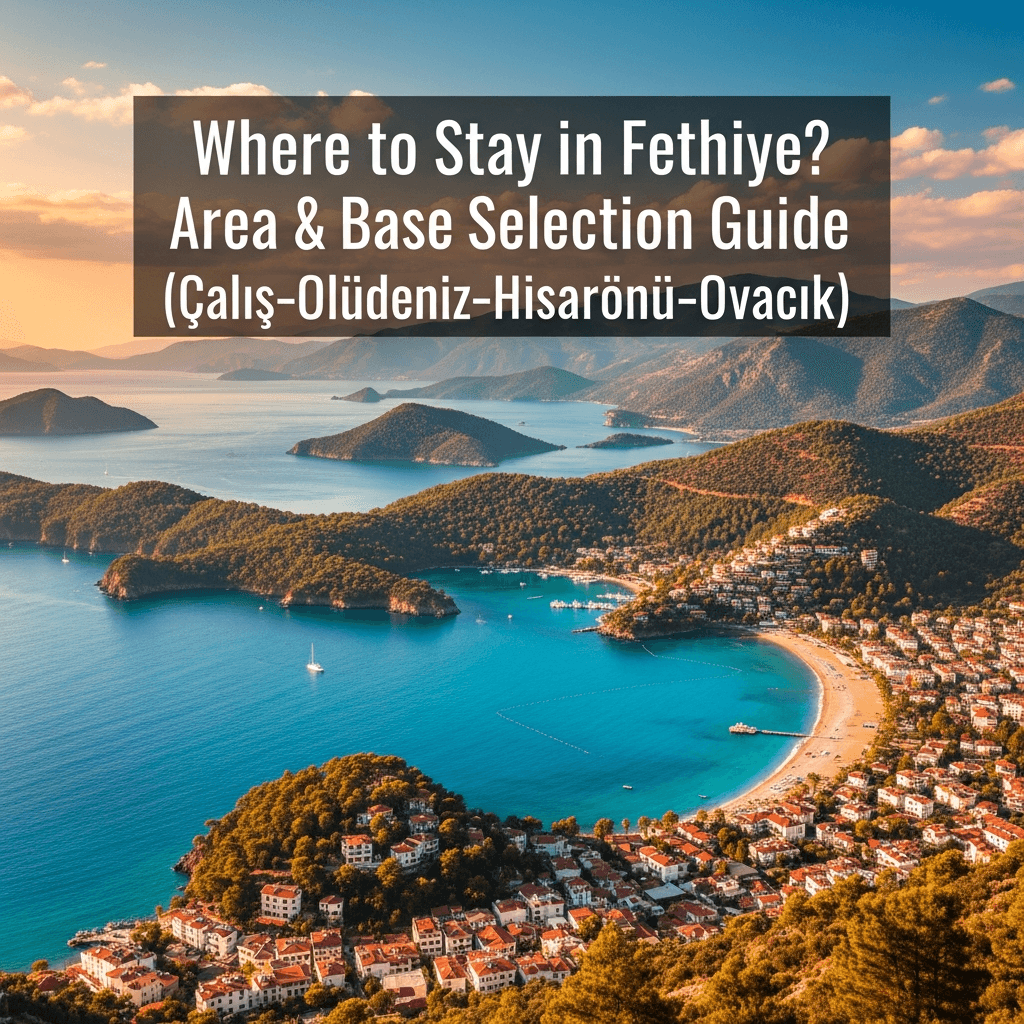
Where to Stay in Fethiye? Area & Base Selection Guide
Where to stay in Fethiye, Turkey? An extensive area-by-area guide choosing between Calis Beach, Oludeniz, Hisaronu, Ovacik and the Town Center.
Did you find this guide helpful?
Check out our other guides to discover more hidden gems in .
Explore All Guides